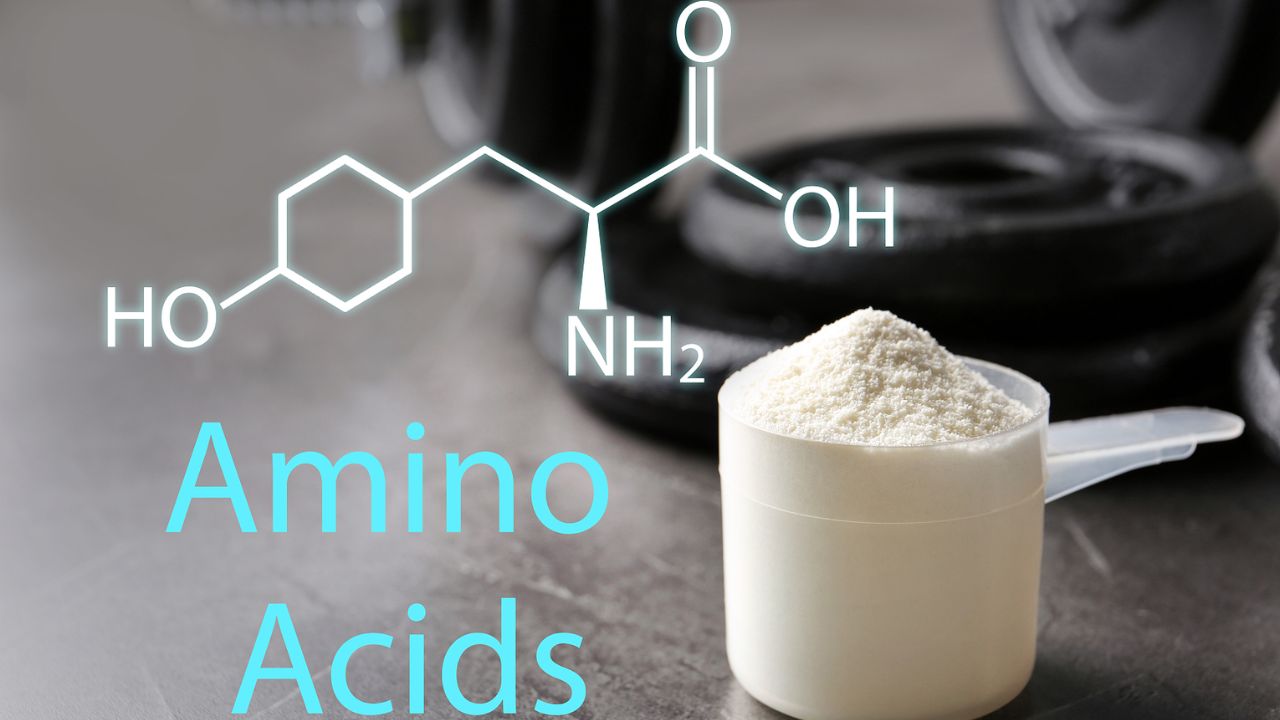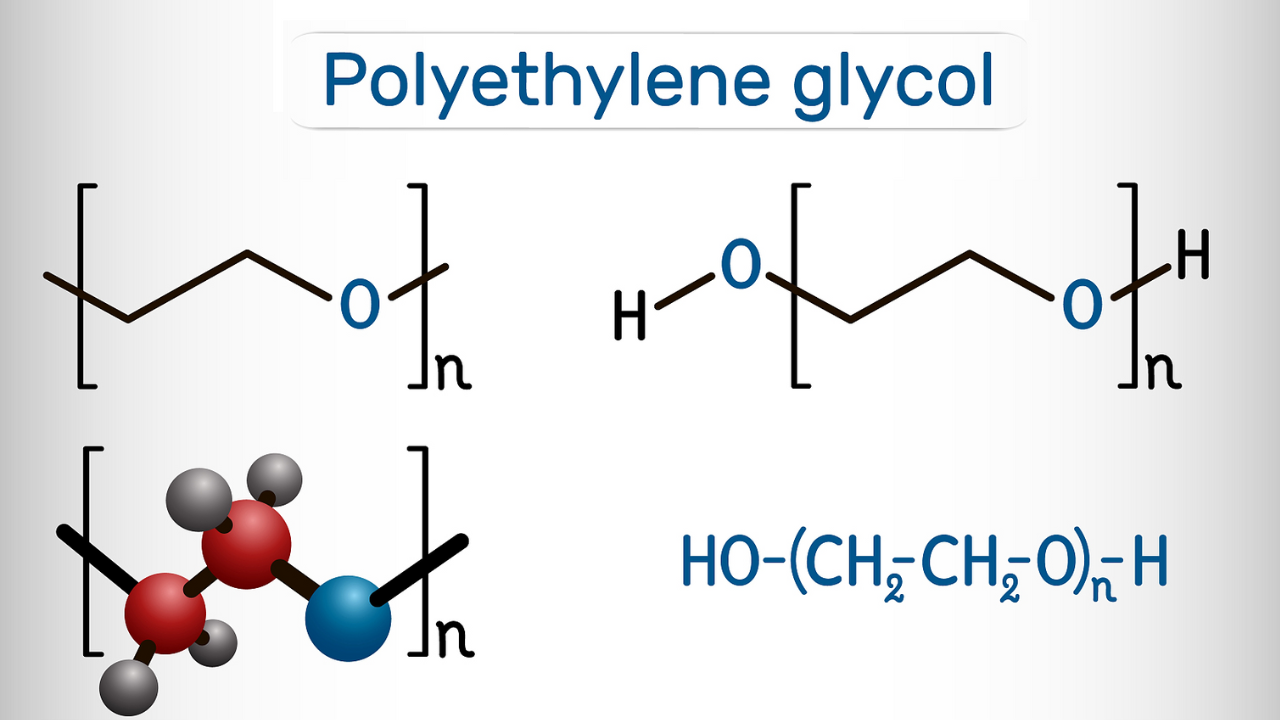
As a formulator, do you understand the actual differences between Elastin Peptides and Collagen Peptides? Should a formula use a single ingredient or a combination? How should they be applied in different scenarios? This article analyzes these ingredients across dimensions such as raw material characteristics, efficacy positioning, mechanisms of action, and application scenarios to assist you in your selection process.
The Two Core Structural Proteins of the Skin
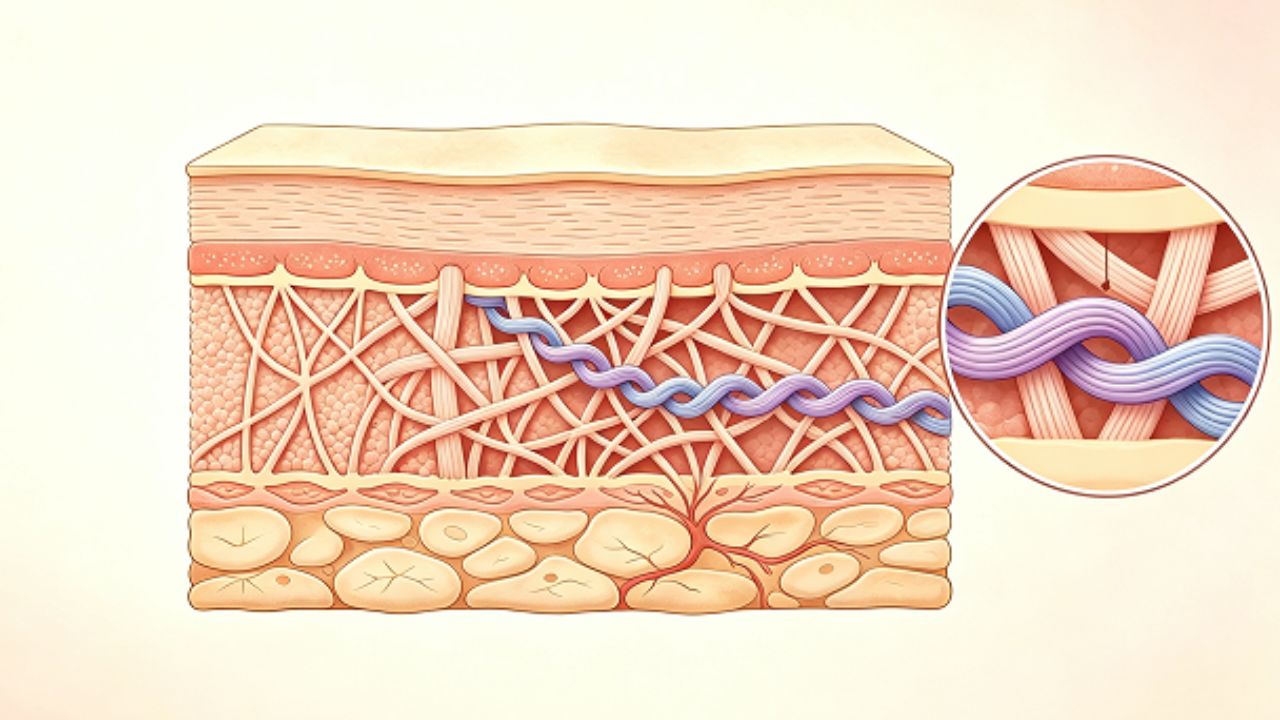
Elastin and Collagen are both vital and indispensable to our skin. As the two most critical structural proteins in the dermis, they ensure the skin remains plump, firm, and elastic, thereby determining its overall condition, texture, and youthfulness. Consequently, supplementing with Elastin Peptides and Collagen Peptides is of particular importance.
Collagen Peptides
Collagen is the most abundant protein in the skin, accounting for approximately 70%–80% of its dry weight. However, the body begins to lose collagen in one’s twenties, leading to skin thinning, fine lines, and sagging. The rate of loss accelerates to 2%–3% annually, particularly in the five years following menopause. Supplementing with Collagen Peptides helps maintain skin plumpness and hydration, while addressing common issues such as shriveled appearance, roughness, and dehydration-induced fine lines.
Elastin Peptides
Compared to Collagen, Elastin is present in smaller quantities—accounting for about 2%–4%—yet it is crucial for maintaining the skin’s tension and flexibility. Elastin loss begins earlier than Collagen loss; furthermore, once degraded, Elastin has a half-life of up to 70 years, meaning that damaged Elastin is virtually impossible for the body to repair on its own. A lack of Elastin leads to skin laxity and sagging, whereas Elastin Peptide supplementation helps restore the skin’s ability to stretch freely and snap back into place.
In-Depth Comparison: Elastin Peptides vs. Collagen Peptides
There is no inherent superiority of one over the other; rather, Collagen Peptides and Elastin Peptides differ in the following ways:
Different Functional Roles
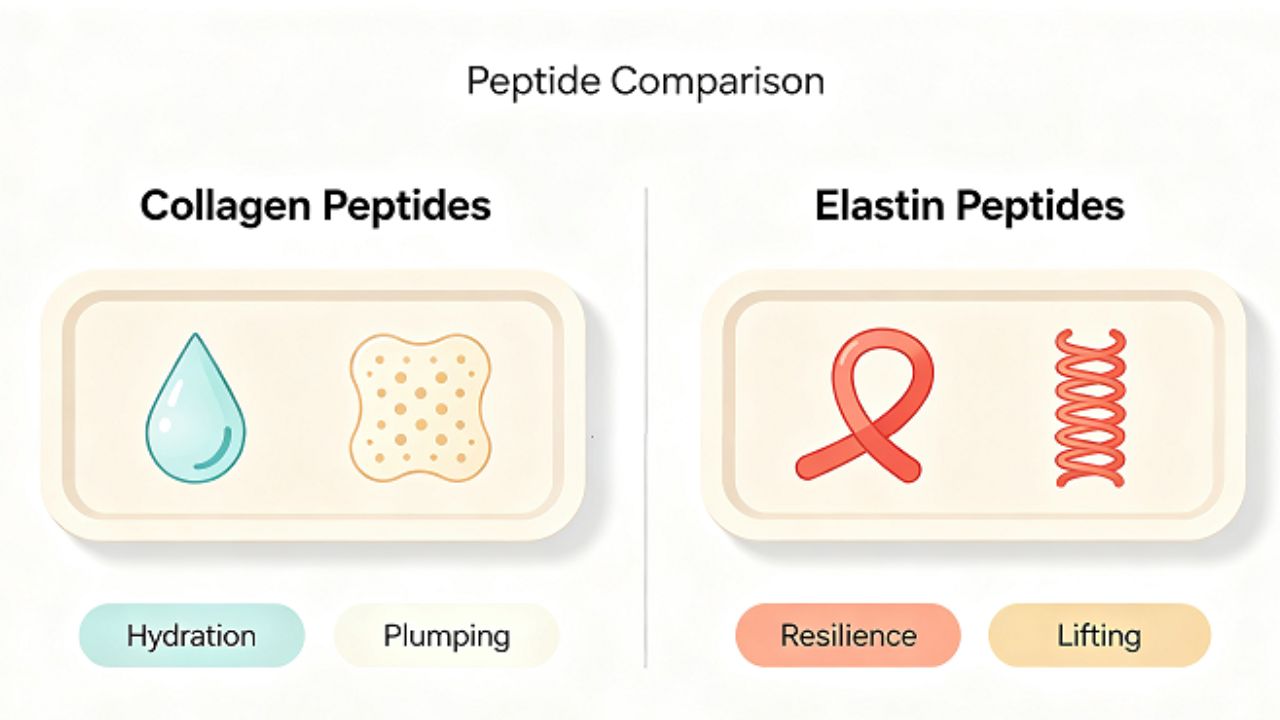
- Collagen Peptides primarily serve to fill out the skin, increase skin density, and provide basic hydration and moisture.
- Elastin Peptides maintain the elasticity of skin and tissues, specifically targeting issues where the skin has lost its ability to “bounce back.”
Different Modes of Action
The effects of both Elastin Peptides and Collagen Peptides differ significantly depending on whether they are applied topically or consumed orally.
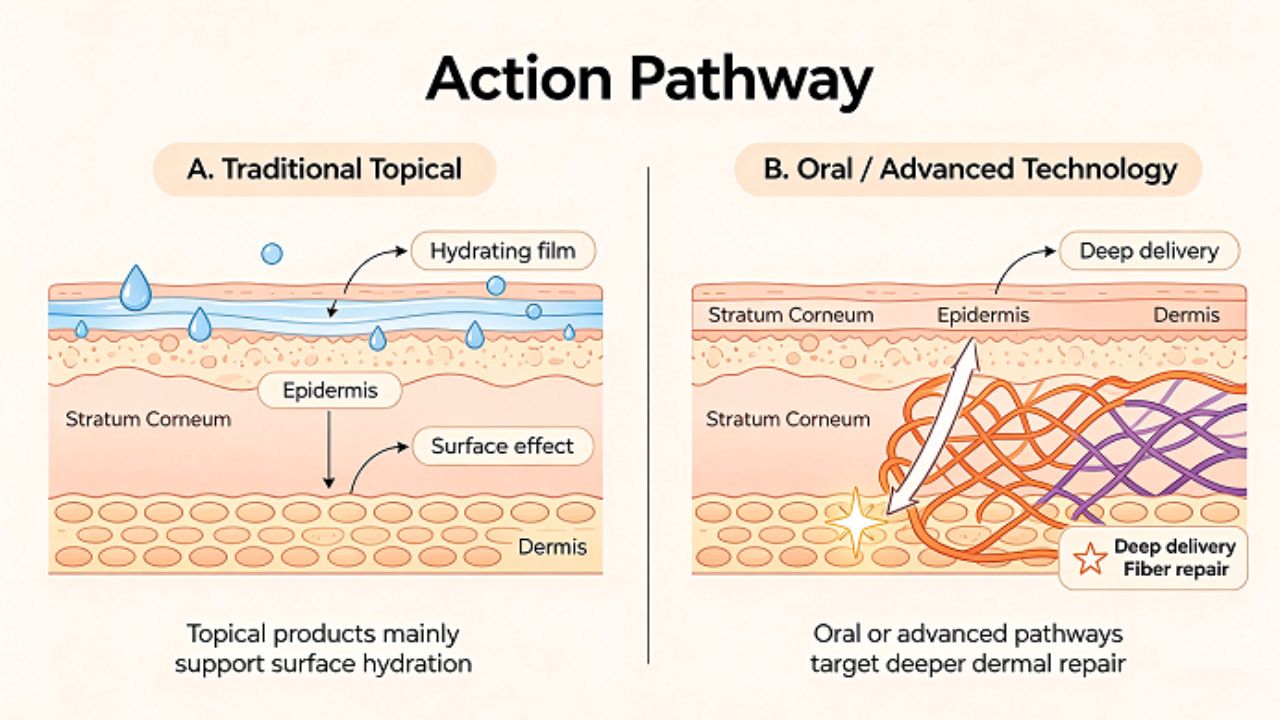
- Topical Application: Due to their relatively large molecular size, these peptides typically remain in the stratum corneum (the outermost layer of the skin) and cannot reach the dermis via traditional application methods. They primarily function by forming a film to lock in moisture and hydrate the skin, but cannot repair aging fibers at the root. However, recent technological breakthroughs—such as liposome encapsulation, nano-carriers, and plant-derived exosomes—offer the potential for transdermal absorption of peptides in skincare products.
- Oral Supplementation:This is an effective anti-aging strategy for peptide products. Orally consumed peptides are efficiently absorbed by the body, and long-term supplementation helps achieve anti-aging and firming effects at the source.
Formulation Logic
Collagen Peptides and Elastin Peptides do not replace one another; instead, they complement each other.
- Collagen is responsible for filling the skin’s structural base, ensuring it remains hydrated and plump; Elastin is responsible for lifting and firming, preserving the skin’s elasticity. Together, they effectively construct the skin’s elastic support system.
Selection Recommendations: Formulation Strategies Based on Product Positioning
Product Positioning | Recommended Solution | Formulation Logic |
| Basic moisturizing / entry-level | Collagen Peptide alone | Cost-effective, delivers basic hydration and fine-line improvement |
| Mid-to-high-end anti-aging / firming | Collagen + Elastin complex | Achieve both plumping and resilience for a complete anti-aging regimen |
| Focus on contour reshaping | Elastin Peptide as the core ingredient | Differentiated positioning targeting advanced concerns such as sagging and laxity |
| Oral beauty liquid / drink | Predominantly complex formulations | Comprehensive balance of taste, stability and cost |
Key Considerations
In actual production applications, the following factors directly impact product stability and user experience; formulators should prioritize them during development:
- Thermal stability:Elastin Peptides are sensitive to high temperatures; processing temperatures must be controlled to prevent loss of activity.
- Flavor profile: Elastin Peptides exhibit more pronounced fishy and bitter notes than Collagen Peptides; taste-masking strategies should be considered for oral liquid formulations.
- Incompatibilities:Certain metal ions (such as high concentrations of copper or zinc) may affect peptide stability; attention must be paid to the order of addition and the use of chelating agents during formulation.
FAQ
Q:Can Elastin Peptides and Collagen Peptides be combined in a formulation?
A:Yes, they are highly compatible, and both clinical studies and patents have confirmed that their combined use yields synergistic effects.
Q:When selecting ingredients for a formulation, is a lower molecular weight always better?
A:Not necessarily. Molecular weight is just one parameter and does not equate to efficacy. While lower molecular weights facilitate penetration and absorption, excessive hydrolysis can break peptides down into free amino acids, causing a loss of biological activity.
Q:How does the selection logic differ between oral and topical formulations?
A:There are significant differences. Oral formulations require a focus on effective dosage and stability in combination; topical formulations require consideration of the transdermal delivery system. The specific choice depends on the product line positioning and dosage form design.
Q:What other raw materials can be combined with Elastin Peptides and Collagen Peptides? In what scenarios can it be applied?
A:Both Elastin Peptides and Collagen Peptides can be compounded with hyaluronic acid, VC and other raw materials, and are suitable for food and skin care formula systems. They work synergistically to improve all-round care effects.
Q:What are the practical applications of Elastin Peptides and Collagen Peptides for the skin?
A:They are primarily categorized into two types: oral products for internal nourishment and topical skincare products. Specific concentrations depend on product positioning and cost budgets.
Oral applications: Used as functional ingredients in products such as beauty drinks, powdered drink mixes, and compressed candies.
Topical applications: Used as ingredients in formulations for skincare products such as serums, lotions, and creams.
Final Thought
In short, Collagen Peptides and Elastin Peptides are not mutually exclusive but rather complement each other. You simply need to select your formulation ingredients based on your product positioning and budget. Please feel free to reach out if you would like formulation recommendations tailored to specific product lines.