Have you ever encountered a situation where, despite both being Type II Collagen products, some customers report significant benefits while others feel no effect at all? This is because there are two distinct types:Undenatured and Hydrolyzed,which differ vastly in terms of efficacy and usage. Selecting the right raw material is crucial for realizing your formula’s potential and defining your product’s market positioning. This article provides a comprehensive overview to help you make the precise choice.
What is Type II Collagen?
Definition of Type II Collagen
Type II Collagen is the primary collagen found in human articular cartilage. Unlike Type I and Type III Collagens,which are predominantly associated with the skin and tendons.Type II Collagen is primarily located in tissues such as articular cartilage, the nucleus pulposus of intervertebral discs, and the vitreous body of the eye. Characterized by a natural triple-helix structure, it serves as a key functional protein that supports the musculoskeletal system and ocular structures.
Functions of Type II Collagen
Type II Collagen is the core structural protein of cartilage tissue, accounting for over 50% of the dry weight of articular cartilage. It determines the toughness, elasticity, and compressive strength of cartilage, playing a vital role across three major body tissues:
- Articular cartilage:Acts as a shock absorber and reduces friction between bones, making the cartilage tough and resilient while maintaining joint flexibility.
- Vitreous body of the eye and nucleus pulposus of the intervertebral disc:Contributes to maintaining the shape of the eyeball and the cushioning function of the spine.

Two common sources of commercial Type II Collagen
Commercially available Type II Collagen raw materials generally fall into two categories: Undenatured Type II Collagen and Hydrolyzed Type II Collagen. While both are derived from cartilage, they differ in production processes, molecular structures, mechanisms of action, and application value—factors that present the core challenge for brands when selecting ingredients for their formulations.
Undenatured Type II Collagen
The raw material is mainly derived from poultry cartilage (chicken cartilage). Through low-temperature extraction technology, the whole process does not involve high temperature, enzymatic decomposition, or hydrolysis, and retains the natural triple helix structure and active antigenic epitopes. It has high activity and a very low onset dose, and is the core raw material of functional joint care formulas.
Core mechanism of action: Oral immune tolerance
Undenatured Type II Collagen does not serve as a direct raw material for replenishing cartilage; instead, it modulates intestinal immunity to inhibit the autoimmune system from attacking joint cartilage, thereby addressing the root causes of chronic joint inflammation and progressive cartilage loss.
Hydrolyzed Type II Collagen
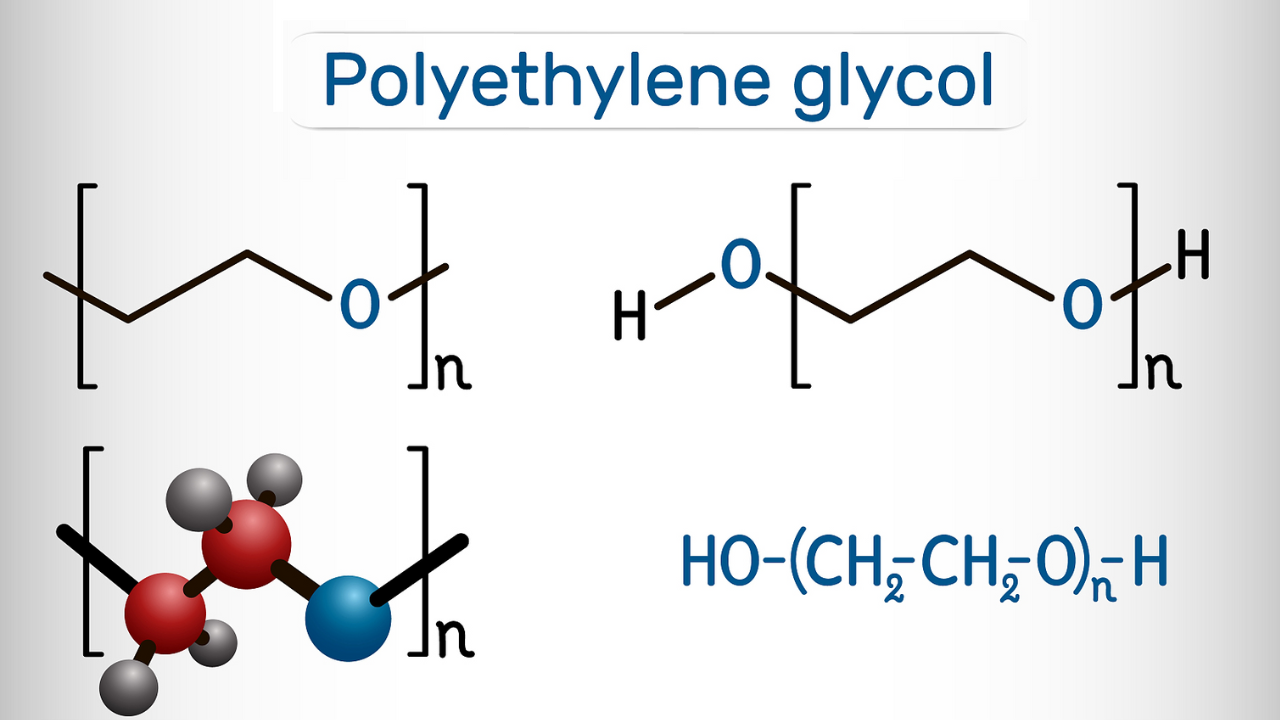
This raw material is derived from a wide range of sources, including various types of animal cartilage (such as chicken and bovine cartilage). It is produced by combining high-temperature heat treatment with biological enzymatic hydrolysis—processes that break down macromolecules into small-molecule peptides and free amino acids—followed by spray-drying into a fine powder. However, it should be noted that due to a lack of biological activity, high dosage levels are required to achieve basic maintenance benefits.
Core mechanism of action: Supply of nutritional substrates
Hydrolyzed Type II Collagen lacks the triple-helix structural conformation and therefore possesses no immunomodulatory activity; it serves solely as a basic nutritional ingredient for cartilage, helping to nourish cartilage and replenish daily nutritional loss.
Undenatured Type II Collagen vs. Hydrolyzed Type II Collagen
| Item | Undenatured Type II Collagen (UCII) | Hydrolyzed Type II Collagen Peptide |
| Triplehelix structure | ✅Fully retains active epitopes | ❌Fragmented, loss of threedimensional structure |
| Mechanism of action | Immunomodulation, inhibition of jointspecific autoinflammation | Supplies aminoacid raw materials for biosynthesis |
| Effective daily dosage | Low: approx. 40 mg/day | High: several hundred to several thousand mg |
| Manufacturing process | Lowtemperature extraction, nonhydrolyzed | Hightemperature treatment + enzymatic hydrolysis and cleavage |
| Onset mechanism | Intestinal immune tolerance | Digestion and absorption to support cartilage synthesis |
| Source | Sternal cartilage of chicken | Hydrolysate of animal cartilage |
Summary: The primary difference between Undenatured Type II Collagen and Hydrolyzed Type II Collagen lies in their molecular structures and mechanisms of action. This directly determines the differences in dosage, efficacy, and formulation applications.
How do you choose?
If you intend to manufacture a Type II collagen nutritional supplement designed for immunomodulation and addressing the root causes of osteoarthritis, prioritize the use of Undenatured Type II Collagen.
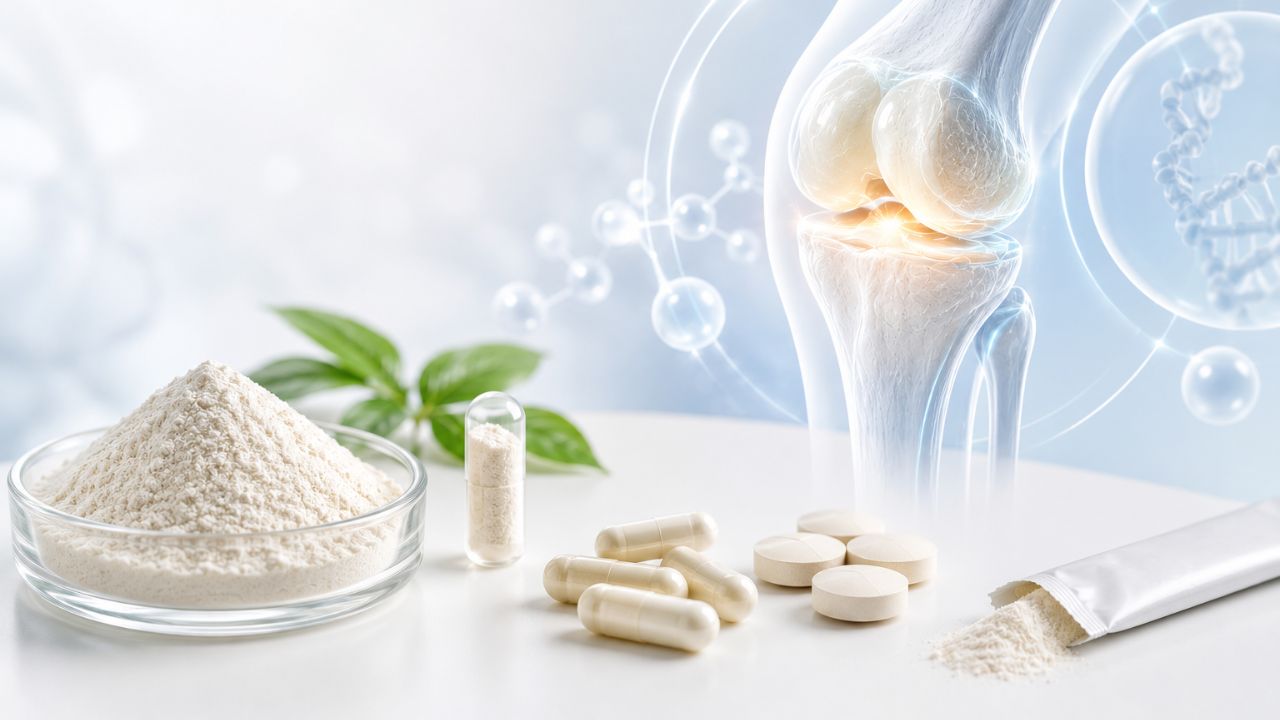
Undenatured Type II Collagen is primarily used in the production of joint health dietary supplements; it is effective at low dosages and is mainly available in the form of capsules (hard capsules or plant-based capsules), tablets, and powders or stick packs.
If your Type II collagen dietary supplement is intended to provide non-specific nutritional support for cartilage, Hydrolyzed Type II Collagen is the recommended choice.
Hydrolyzed Type II Collagen is produced through enzymatic hydrolysis, breaking it down into smaller collagen peptides; its key advantages include excellent water solubility, dispersibility, and formulation versatility. It is suitable for a wide range of applications, such as collagen powders, stick packs, capsules, beverages, and other functional foods.
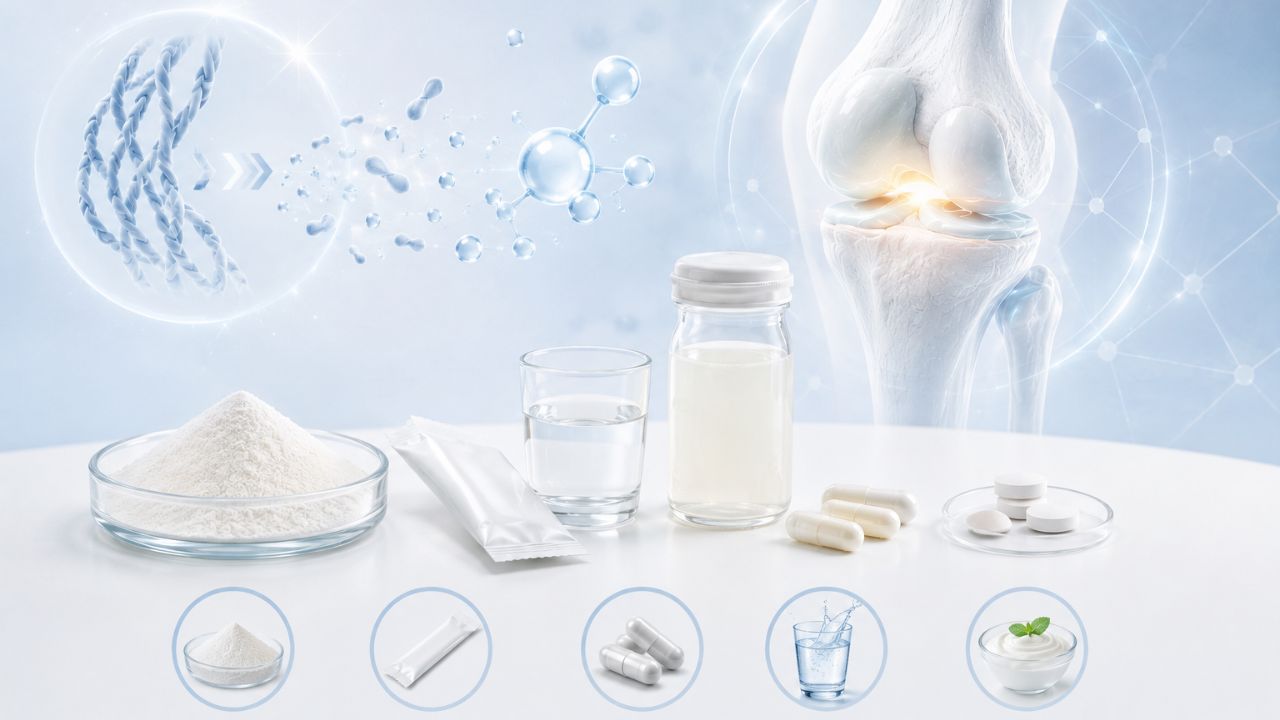
Of course, Undenatured Type II Collagen and Hydrolyzed Type II Collagen can be used in combination to simultaneously achieve the dual benefits of halting damage and reducing inflammation, as well as providing nutritional supplementation.
Selection Guide Overview Table
Consideration Dimension | Prefer Undenatured Type II Collagen | Prefer Hydrolyzed Type II Collagen Peptide |
| Product Positioning | High-end functional, anti-inflammatory & repair-focused | Mass-market basic joint care, cost-effective solution |
| Target Audience | Middle-aged & elderly with osteoarthritis, sports-injured population | Daily joint maintenance, young sports enthusiasts |
| Formulation Cost Budget | High raw material cost, yet extremely low dosage (~40 mg/day) | Low raw material cost, but high dosage requirement (several grams/day) |
| Dosage Form Compatibility | Capsules, tablets, stick sachets (requires good flowability and stability) | Beverages, powders, gummies, compressed tablets (good solubility, high process tolerance) |
FAQ
Q:Can the two types of Type 2 Collagen be used interchangeably?
A:No. Undenatured Type II Collagen possesses unique immunomodulatory activity that hydrolyzed collagen lacks; conversely, the high solubility, versatility, and cost-effectiveness of hydrolyzed collagen cannot be matched by undenatured collagen. Selection should be based on the specific product positioning.
Q:Why is there such a wide price range for Type 2 Collagen products on the market?
A:Products labeled simply as “Type II Collagen” without specifying “undenatured” or “UC-II” are almost invariably hydrolyzed Type II Collagen. There is a significant difference in raw material costs and product positioning between the two, resulting in a wide price gap.
Q:Will combining them lead to excessive dosages or conflicting effects?
A:No. They operate through completely different mechanisms; combining them creates a complementary, synergistic effect without conflict or the risk of exceeding safe dosage limits. This approach represents the mainstream formulation strategy for premium joint care products.
Final Thougut
The choice between Undenatured Type II Collagen and Hydrolyzed Type II Collagen depends on product positioning, the target audience, and formulation strategy.
If you are evaluating specific formulation options, we recommend focusing on the following three parameters:
- Retention rate of antigenic activity in undenatured raw materials (ELISA test values)
- Molecular weight distribution and solubility of hydrolyzed raw materials
- Stability data for both types of raw materials within the intended dosage form
These parameters involve specific testing methods and acceptance criteria; we can provide relevant reference data and technical support. Please feel free to contact us via the details on this page for further discussion.