As an active pharmaceutical ingredient, Promethazine Hydrochloride has been developed into various marketed dosage forms, demonstrating its established status in the pharmaceutical industry. However, the physicochemical properties of this API also present numerous challenges for formulation development. This article breaks down the development hurdles associated with different dosage forms to help ensure the smooth progress of your development and production efforts.
Key physicochemical properties of Promethazine Hydrochloride
- Promethazine Hydrochloride raw material is photosensitive; while it is a white or off-white powder, exposure to light causes it to oxidize and change color (turning blue), resulting in the formation of related impurities. Therefore, it must be protected from light during storage and transportation.
- The acid dissociation constant of Promethazine Hydrochloride is derived from its active pharmaceutical ingredient, promethazine base; with a pKa of 9.1, promethazine base is a weakly basic compound. Under physiological pH conditions (e.g., blood pH 7.4), where the pH is lower than the pKa, promethazine exists primarily in its undissociated form; this form exhibits high lipophilicity, readily crosses the blood-brain barrier, and exerts a pronounced central sedative effect.
- Promethazine Hydrochloride is a classic salt formed from a weak base (promethazine) and a strong acid (hydrochloric acid). In an environment of polar water molecules, this ionic compound dissociates readily and exhibits strong hydrophilicity; this is the fundamental reason for its high water solubility.
- The powder properties of Promethazine Hydrochloride API mainly include particle size distribution, bulk density, fluidity and other indicators. Different powder properties have a great impact on different preparations. When developing or producing formulations, be sure to choose powder specifications that match your own products.

Challenges in Dosage Form Development
Promethazine Hydrochloride Tablets
- Content uniformity and compactability: Promethazine hydrochloride tablets typically come in low dosages (12.5 mg and 25 mg) with a low proportion of active pharmaceutical ingredient (API), making them prone to issues such as uneven mixing and tablet weight variation. Consequently, the flowability of the API is of critical importance.
- Impact of coating on dissolution: Promethazine hydrochloride is bitter and light-sensitive, necessitating a sugar coating; however, traditional sugar coatings can retard tablet disintegration and drug dissolution.
- Excipient compatibility risks: Impurities present in the promethazine hydrochloride API may interact with certain excipients. Therefore, the use of reducing sugar excipients—such as lactose—should be avoided or approached with caution during formulation.

Promethazine Hydrochloride Oral Syrup
- Poor stability: Promethazine hydrochloride belongs to the phenothiazine class of drugs and is highly susceptible to oxidative and photodegradation in solution.
- Risk of precipitation: As a salt, promethazine hydrochloride has a free base form with very low water solubility; when the pH rises to 8, the free base forms and precipitates out of the solution.
- Challenges in taste masking: This dosage form is primarily designed for children, requiring precise dosing; however, promethazine hydrochloride has an intensely bitter taste, necessitating a balance between the use of flavoring agents and the stability of the drug.

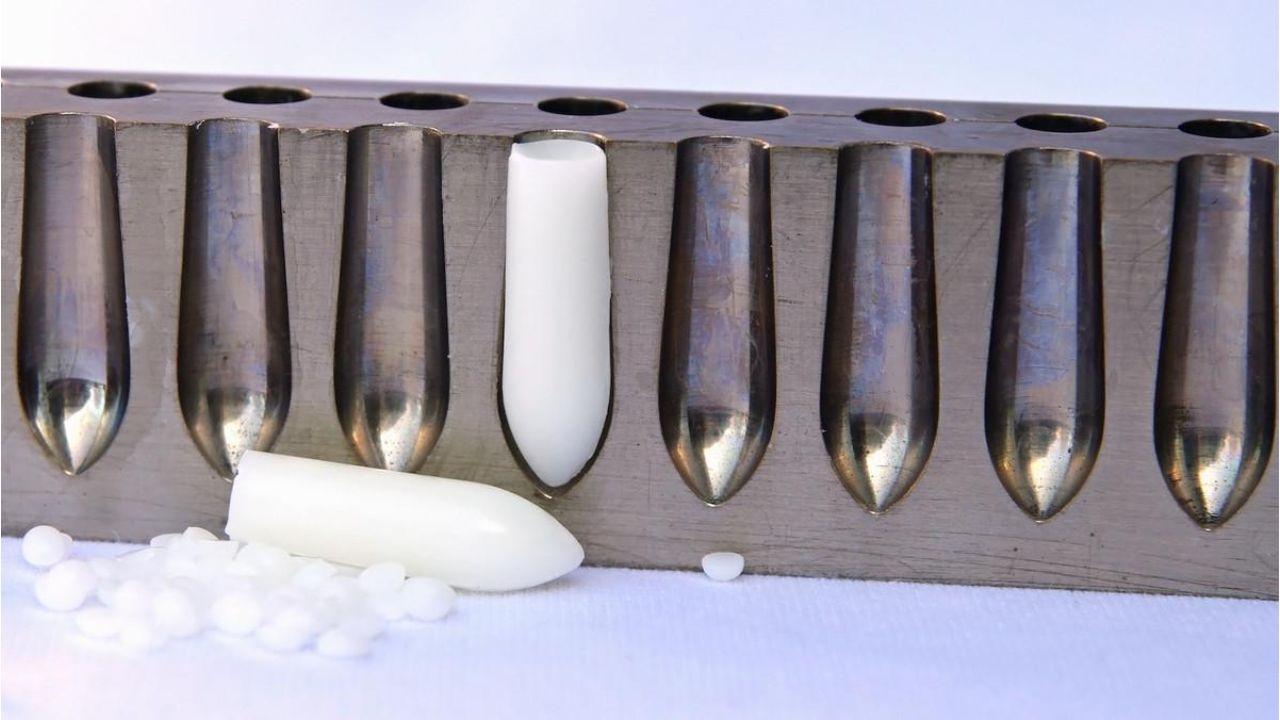
Promethazine Hydrochloride Suppositories
- Thermal stability risks: Promethazine hydrochloride is highly sensitive to light, heat, and air; since the preparation of suppositories requires heating to melt the base, there is a risk of drug degradation during the process.
- Unpredictable absorption: Following rectal administration, drug absorption is highly variable and significantly slower than that observed with oral or injectable routes.
- Wide fluctuation in bioavailability: The relative bioavailability of the suppository can range from 4% to 343% among different individuals; such vast variation makes precise dosage control extremely difficult.
Summary of Issues in Formulation Development
- Focusing solely on the purity of the promethazine hydrochloride API while overlooking the initial level of oxidation can lead to a significant overestimation of the finished product’s shelf life.
- During the R&D and production stages, it is advisable to select a supplier of promethazine hydrochloride API that offers high batch-to-batch consistency; the compound’s high water solubility makes it particularly sensitive during tablet and suspension manufacturing processes.
- Promethazine hydrochloride is highly photosensitive; failure by the quality control department to protect the material from light during sampling and transport can result in photodegradation prior to testing, leading to erroneous test results and a subsequent chain of incorrect decisions.
- Verify the completeness of the documentation accompanying the promethazine hydrochloride API—specifically the Certificate of Analysis (COA) and Material Safety Data Sheet (MSDS)—well in advance; missing documents can delay your project submission schedule.
Recommendations for Selecting Promethazine Hydrochloride API
- Prior to R&D or production, verify the limits for related substances, individual impurities, and total impurities in the active pharmaceutical ingredient (API), and review the supporting photostability test data.
- Assess whether the powder properties—such as particle size and bulk density—are compatible with your dosage form and manufacturing process.
- Confirm whether light-shielding packaging is used and if protection from light is maintained throughout the entire packaging and logistics process.
- Prioritize suppliers that offer sample services to facilitate formulation screening and stability testing.

FAQ
Q: What are the pharmacological effects of Promethazine HCl?
A: The core pharmacological action of Promethazine HCl is antihistaminic; it also exhibits significant central nervous system (CNS) depressant and anticholinergic effects.
It is used in the development of formulations for anti-allergy, anti-emetic, and sedative purposes, as well as for the prevention and treatment of motion sickness. This information is intended solely as a reference for formulation development project initiation and does not constitute clinical prescribing guidance.
Q: What are the common adverse reactions to Promethazine?
A: According to public pharmacopoeias and drug reference materials, this active ingredient is associated with known pharmacological side effects, with drowsiness and dizziness being the most frequently reported. This information is intended solely as a reference for formulation development and does not constitute clinical prescribing guidance.
Q: How long does Promethazine stay in your system?
A: The duration of this active ingredient’s metabolism in the human body is influenced by the dosage form, route of administration, and individual differences. Formulation teams may refer to publicly available in vivo data for formulation assessment and the preparation of regulatory submission documents.
Q: Can Promethazine HCl be used in the development of formulations intended for use during pregnancy?
A: Research data regarding the use of Promethazine HCl during pregnancy exists in public literature. Developers should comprehensively review pharmacopoeias and public literature, conduct risk assessments, and ensure compliance with regulatory submission requirements in the relevant regions. This information does not constitute clinical prescribing advice.
Final Thought
Different dosage forms of Promethazine Hydrochloride entail distinct processing requirements and stability challenges; the successful realization of your formulation, the shelf life of the finished product, and the ability to meet impurity specifications depend largely on the initial evaluation and selection of the API.
If you encounter technical challenges related to Promethazine Hydrochloride during R&D or production, or require supporting technical documentation—such as COAs or stability data—please contact us to discuss feasible solutions for your project.