Bismuth Oxychloride (BiOCl, CI 77163) is one of the most widely used white pearlescent pigments in cosmetic formulations, yet it remains a subject of debate. This article explores the advantages, applications, and photostability of bismuth oxychloride, helping you determine whether it is the right choice for your specific formulation goals and how to use it effectively.
Bismuth Oxychloride in Cosmetics
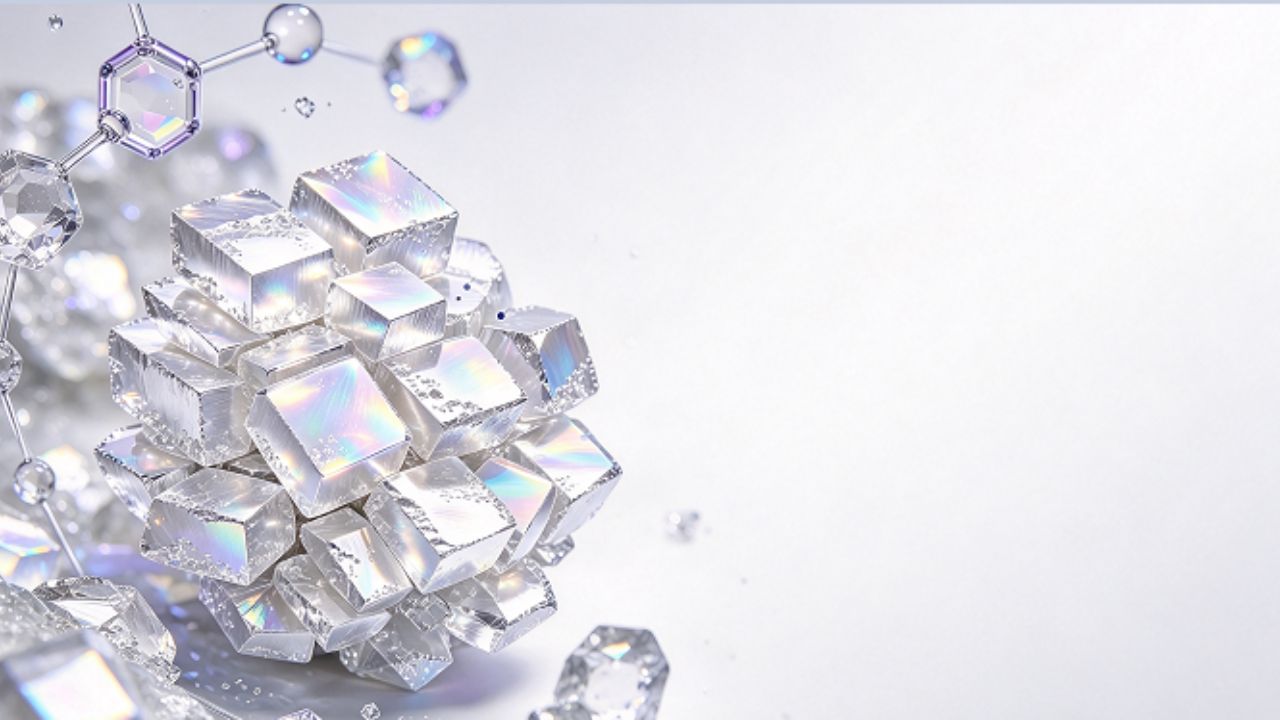
Cosmetic-grade Bismuth Oxychloride (CAS: 7787-59-9) is a high-performance white pearlescent pigment. Characterized by a plate-like tetragonal crystal structure and a high refractive index of 2.15, it provides excellent light reflection, imparting a lustrous, shimmering appearance and a smooth, silky feel to cosmetic products. It is commonly used in items such as loose powders, eyeshadows, foundations, blushes, and nail polishes, and is a popular ingredient in the cosmetics industry.
CI 77163 is the color index number for Bismuth Oxychloride when used as an ingredient in cosmetics.
What is a Color Index number?
A Color Index number is an internationally recognized identification system for cosmetic ingredients, used to precisely designate a specific coloring agent.
“CI” stands for “Color Index” and was developed jointly by the Society of Dyers and Colourists (SDC) in the UK and the American Association of Textile Chemists and Colorists (AATCC) in the US. This system assigns a unique five-digit code to each permitted coloring agent, allowing formulators and brands to quickly identify the ingredients.
Key Benefit of Bismuth Oxychloride
Pearlescent Luster
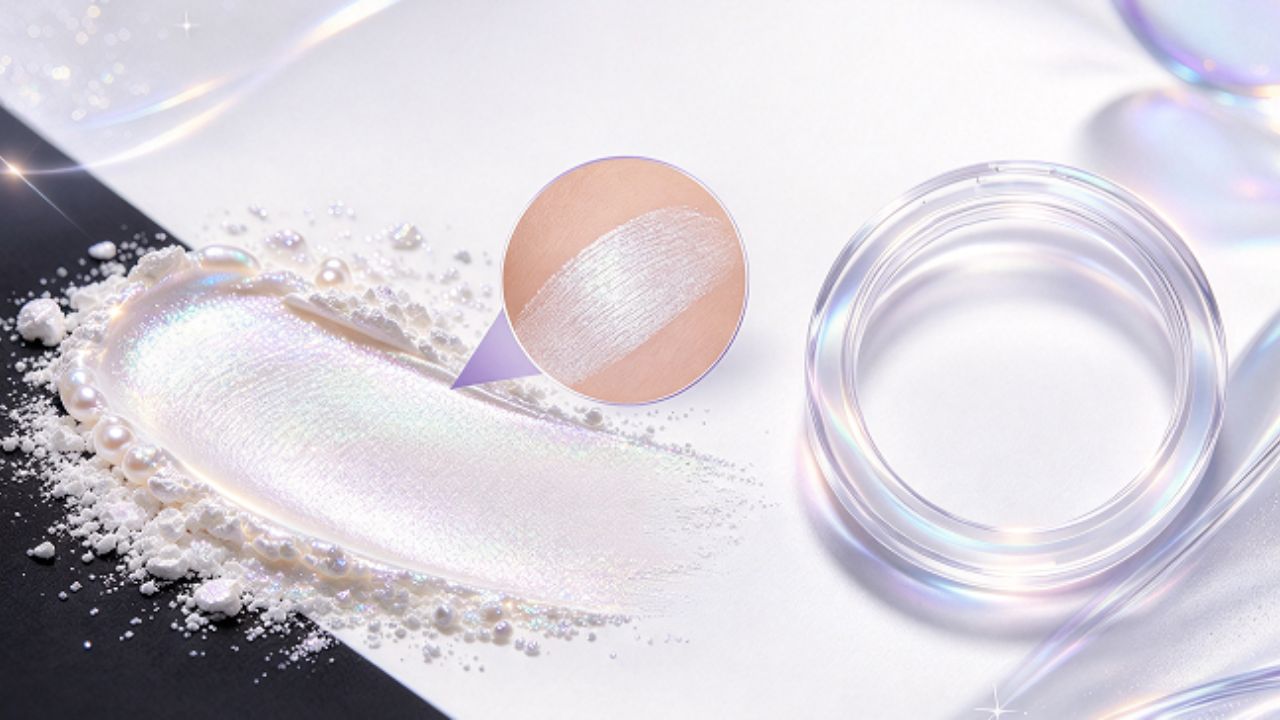
Bismuth Oxychloride is a silvery-white crystalline powder that exhibits a pearlescent sheen when spread.
When incorporated into cosmetic formulations, it imparts a satiny luster to the skin, enhancing its overall radiance.
Visual Correction
With its plate-like structure, Bismuth Oxychloride reflects light in a uniform manner, providing a soft-focus optical effect.
It adds dimension to makeup looks while blurring the appearance of pores, fine lines, and blemishes—creating a natural, “no-makeup” radiant finish.
Strong Adherence to Skin
Bismuth Oxychloride adheres closely and evenly to the skin’s surface, improving the longevity of makeup.
It helps maintain the integrity of your look, effectively reducing the risk of makeup wearing off due to perspiration or daily friction.
Improved Skin Feel
Bismuth Oxychloride has an exceptionally low oil-absorption rate; it does not readily absorb the skin’s natural oils, ensuring your makeup remains fresh, dry, and non-greasy.
It also enhances the spreadability of powders, ensuring a smooth application without caking.
High Safety Profile
Cosmetic-grade Bismuth Oxychloride is non-toxic and free from heavy metals such as lead and mercury, posing no potential health risks. It serves as a safe colorant or pearlescent ingredient.
Applications of Cosmetic-Grade Bismuth Oxychloride
This raw material is suitable for a wide range of cosmetic formulations and is a preferred pearlescent ingredient for color cosmetic formulators.
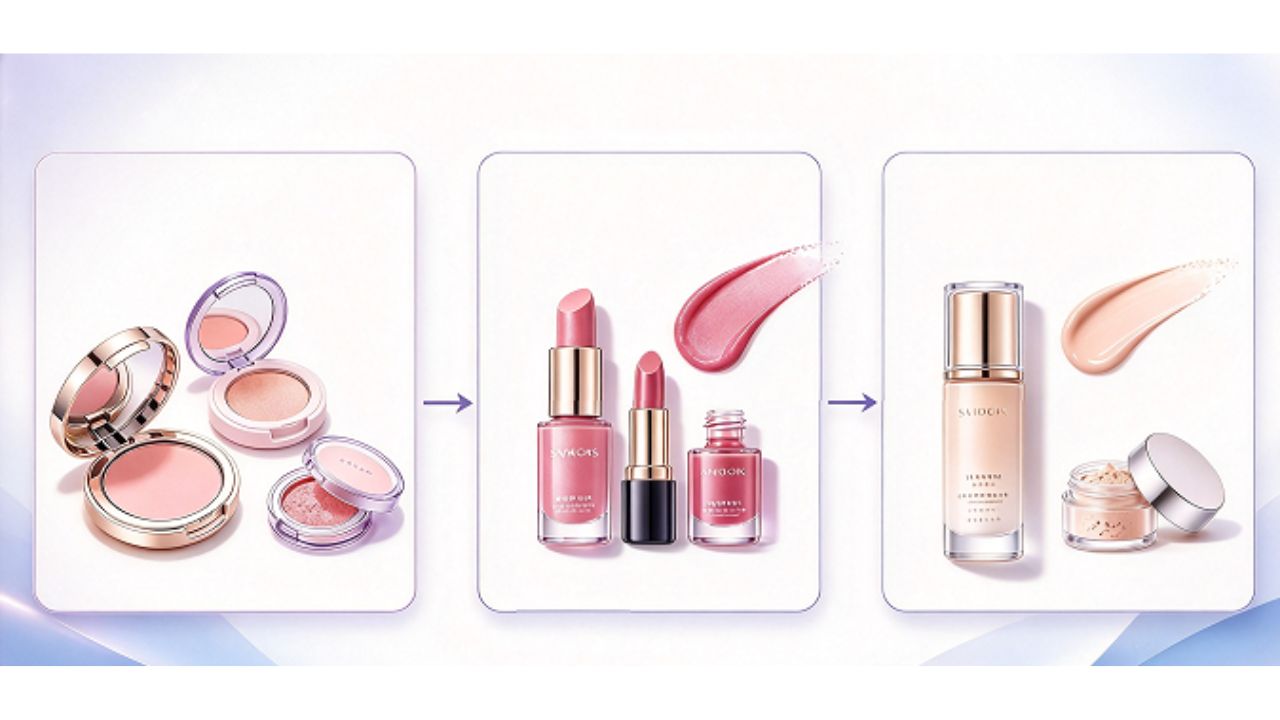
Powder-based Cosmetics (Core Application Area)
Used in pressed powders, eyeshadows, blushes, mineral makeup, and more.
It imparts a satiny, soft-focus luster and a creamy, smooth skin feel, while improving the spreadability of powders and enhancing the uniformity of coverage.
Lip and Nail Products
Used in lipsticks, lip glosses, nail polishes, and similar products to enhance their gloss and overall texture.
Liquid and Cream-based Complexion Products
When incorporated into liquid foundations, BB creams, primers, or cream foundations, Bismuth Oxychloride disperses stably within the oil phase. It provides a sheer, luminous glow to the complexion, improves skin adhesion, and helps mitigate oxidation and dulling of the makeup over time.
Formulation Considerations
Bismuth Oxychloride (BiOCl) has a known drawback: limited photostability. Under prolonged exposure to light, the surface of BiOCl crystals can gradually lose its luster and turn gray. This phenomenon is primarily linked to oxygen vacancies on the surface; the internal crystal structure remains intact, meaning the material does not undergo total degradation. However, in practical application, this surface deterioration is generally difficult to fully reverse.
Formulation strategies:
- For products with high sun exposure (e.g., outdoor foundations, sun-protective cosmetics): Exercise caution when using untreated grades, or ensure they are paired with a photostabilization strategy.
- For light-colored formulations with high pearlescent pigment content: Prioritize the use of surface-treated BiOCl grades or those specifically labeled as UV-resistant.
- When using untreated grades: Incorporate an appropriate amount of a UV absorber (a common industry practice is to keep the concentration at or below 0.3%, though the exact amount should be adjusted based on the UV-shielding capacity of other ingredients in the formulation).
Through careful selection of the specific grade and appropriate formulation adjustments, this limitation of Bismuth Oxychloride can be effectively managed in most application scenarios.
Safety of Cosmetics Containing Bismuth Oxychloride
Cosmetics containing Bismuth Oxychloride are safe when used in compliance with regulations. The U.S. FDA has explicitly approved its use in cosmetic products—including those applied around the eyes—as a colorant and pearlescent agent.
According to assessments in the Environmental Working Group (EWG) database, Bismuth Oxychloride is rated as having low potential for allergenicity and immunotoxicity, with a similarly low risk of causing irritation to the skin, eyes, or lungs.
While it may cause mild irritation in a very small number of individuals with sensitive skin, the ingredient itself carries a low overall risk profile.
As an inorganic compound, Bismuth Oxychloride is chemically stable; it does not readily accumulate in the natural environment and does not cause persistent ecological pollution.
FAQ
Q:Does Bismuth Oxychloride cause acne?
A:Cosmetic-grade Bismuth Oxychloride is not, in itself, highly comedogenic. When used in a well-designed formula with controlled particle size, it is unlikely to clog pores. However, if a mineral makeup product contains an unsuitable combination of other oils or powders, some users with oily or acne-prone skin may experience breakouts—this is due to the overall formulation, not the Bismuth Oxychloride ingredient alone.
Q:Can Bismuth Oxychloride trigger allergies?
A:While the overall risk of an allergic reaction to Bismuth Oxychloride is low, it is still possible for a small number of sensitive individuals to experience an allergic response.
Q:What are the symptoms of an allergy to Bismuth Oxychloride?
A:In rare cases, exposure may lead to redness or itching; in more severe instances, it can cause a rash. If you experience any discomfort, discontinue use immediately and cleanse your skin.
Q:Is Bismuth Oxychloride irritating to the skin?
A:The raw material itself has a low irritation rating. When used in compliant, standard concentrations, the risk of irritation to the skin, eyes, or respiratory tract is minimal. Only a very small number of individuals with highly sensitive skin might experience slight irritation.
Q:What are the best mineral makeup options that do not contain Bismuth Oxychloride?
A:There are mineral makeup formulations available that are free of Bismuth Oxychloride. Alternatives such as mica, titanium dioxide, or synthetic fluorphlogopite can be used to provide a pearlescent effect. However, because Bismuth Oxychloride (BiOCl) has a refractive index of 2.15 and a unique platelet structure that enhances adhesion, it is difficult for mica or titanium dioxide to fully replicate these specific properties. If your formulation goals include these performance characteristics, Bismuth Oxychloride remains a worthwhile option to consider.
Q:What is the recommended usage level for cosmetic-grade Bismuth Oxychloride?
A:The specific amount to use depends on your requirements. There is no strict upper limit; we suggest starting with 1%–5% for initial sampling.If you want a visible pearlescent effect, you can increase the concentration to 5%–15%. If the goal is simply to achieve a soft skin feel and prevent dullness, as little as 1%–3% of an ultra-fine grade product is often sufficient. For details regarding the particle size specifications of our Bismuth Oxychloride, please refer to our product page.
Final Thought
For formulators, the limitations of Bismuth Oxychloride regarding photostability are real; however, its advantages—high refractive index, pearlescent luster, excellent adhesion, and low oil absorption—are irreplaceable. Therefore, the task is to determine whether this ingredient aligns with your formulation objectives, and to leverage its strengths while mitigating its weaknesses through thoughtful formula design.