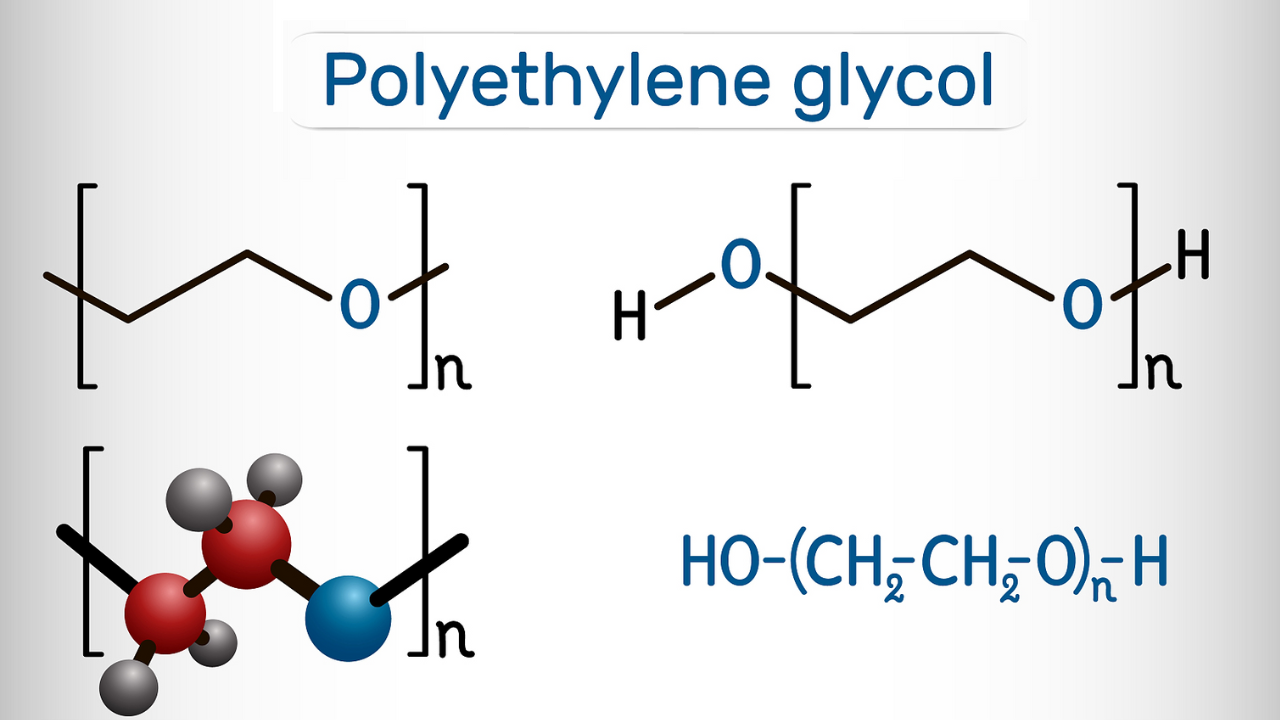
As two of the most widely used non-steroidal anti-inflammatory drug (NSAID) active pharmaceutical ingredients (APIs), Celecoxib and Ibuprofen are frequently considered by pharmaceutical formulation companies. But what exactly do they have in common, and how do they differ? For which types of finished dosage forms is each best suited? Read this article to gain a comprehensive understanding of the classifications, mechanisms of action, and safety profiles of these two APIs, helping you select the right raw material for your company.
What are Non-steroidal Anti-inflammatory Drugs (NSAIDs)?
NSAIDs are a class of non-hormonal drugs that do not contain steroids; while their anti-inflammatory efficacy is weaker than that of steroidal drugs, they are associated with relatively milder systemic side effects during long-term use. As one of the most widely used and highest-volume active pharmaceutical ingredients (APIs) globally, they are commonly utilized in prescription and over-the-counter (OTC) medications for pain relief, anti-inflammation, and fever reduction.
Celecoxib and Ibuprofen are prominent NSAID APIs, yet they exhibit significant differences in terms of molecular structure, pharmacological mechanisms, suitability for various formulations, and safety profiles.
COX-1 vs. COX-2: Two Enzymes, Two Pathways
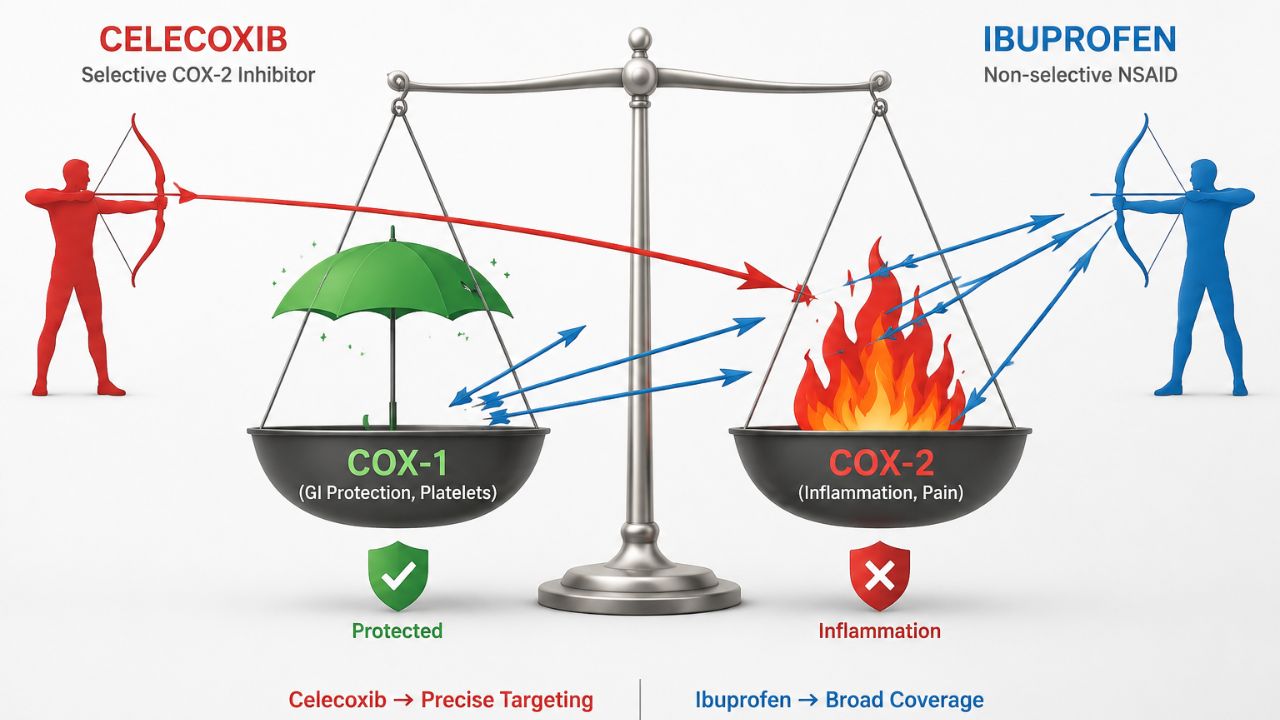
To grasp the fundamental differences between the active pharmaceutical ingredients Celecoxib and Ibuprofen, you need to understand their primary target: Cyclooxygenase.
Are you familiar with Cyclooxygenase? There are two isoforms of this enzyme in the human body:
- COX-1: Responsible for protecting the gastric mucosa and maintaining platelet function, it is essential for maintaining bodily homeostasis.
- COX-2: Activated by stimuli such as inflammation or tissue injury, it triggers pain and inflammatory responses.
COX-1 and COX-2 serve distinct physiological functions, which is the underlying reason for the differences in efficacy and safety between these two drugs.
What is Celecoxib API?
Celecoxib is a next-generation selective non-steroidal anti-inflammatory drug (NSAID) active pharmaceutical ingredient (API), distinguished by the clinical advantages of potent anti-inflammatory action combined with low gastrointestinal toxicity. Its core mechanism lies in the precise, selective inhibition of the inflammatory target COX-2, while having minimal impact on COX-1 activity.
Due to its excellent safety profile and anti-inflammatory efficacy, Celecoxib API is commonly used in the development of high-end prescription formulations. It is indicated for the treatment of osteoarthritis, rheumatoid arthritis, ankylosing spondylitis, and acute pain.
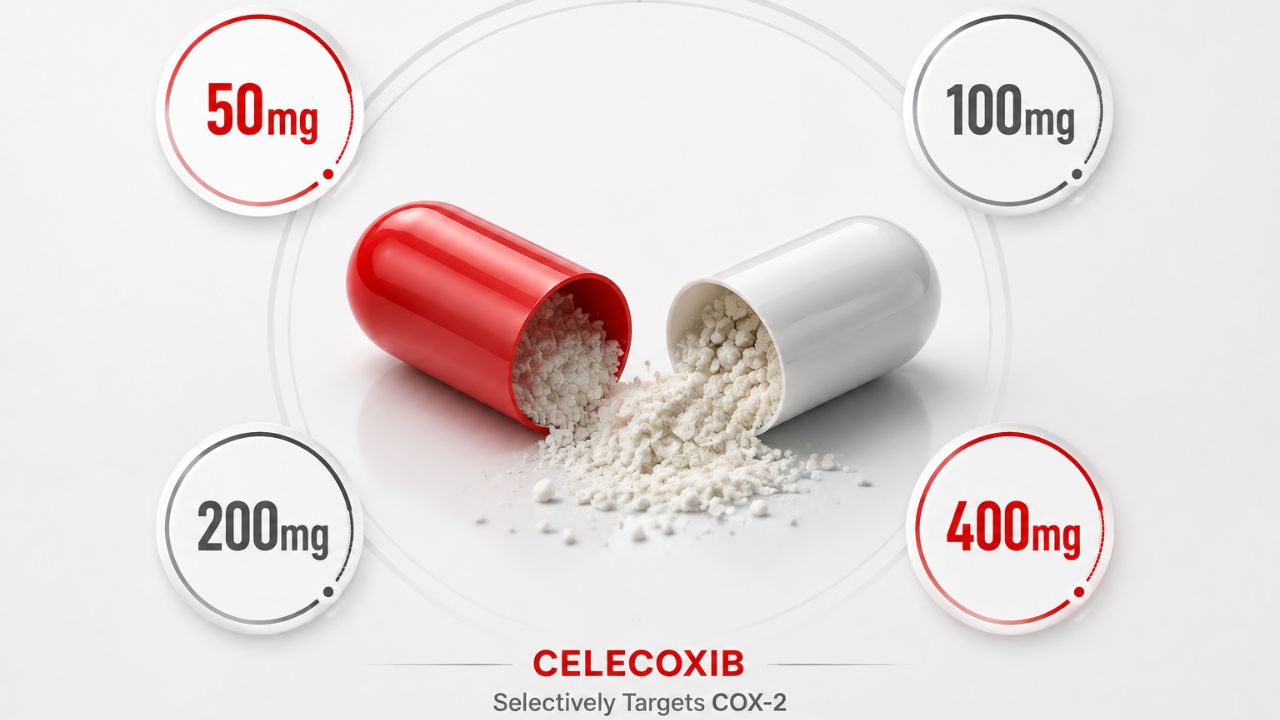
Mainstream dosage specifications for Celecoxib formulations include 50mg, 100mg, 200mg, and 400mg, with capsules being the predominant finished dosage form.
What is Ibuprofen API?
Ibuprofen is a classic, broad-spectrum anti-inflammatory and analgesic active pharmaceutical ingredient (API). As a non-selective cyclooxygenase (COX) inhibitor, it inhibits both COX-1 (a protective enzyme) and COX-2 (an inflammatory enzyme) in the human body, with a higher inhibitory activity against COX-1 than against COX-2.
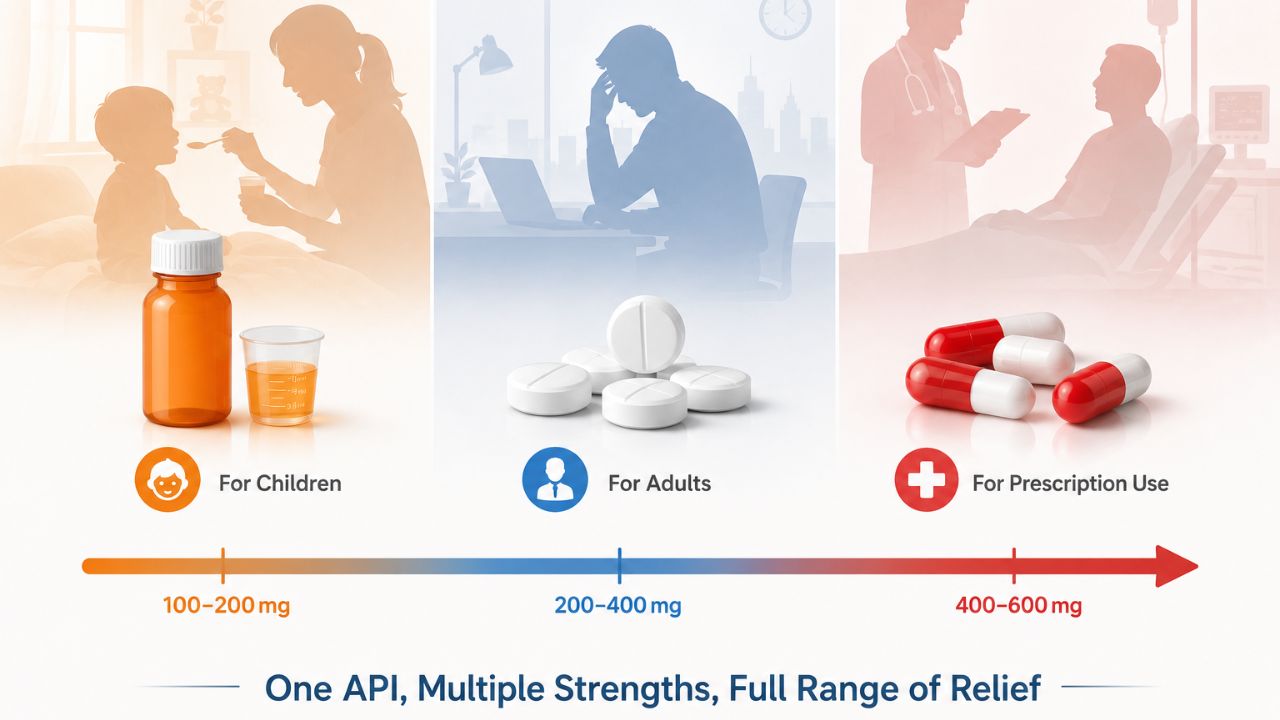
The production process for this API is mature and supports large-scale manufacturing, offering significant cost advantages; it is a staple commodity API in the pharmaceutical industry. It is commonly used to formulate medications for relieving minor ailments such as headaches, toothaches, menstrual pain, and muscle soreness, serving as an ingredient for household over-the-counter (OTC) drugs. Additionally, high-dosage specifications (400mg–800mg) are used in prescription medications, allowing it to span both the OTC and prescription drug markets.
Mainstream specifications for ibuprofen formulations include 100mg and 200mg (low-dose) as well as 400mg and 600mg (high-dose) options. Finished products come in various forms—such as tablets, capsules, and suspensions—catering to the needs of all patient populations, including both adults and children.
Differences between Celecoxib API and Ibuprofen API
Different mechanisms of action
- Celecoxib is a highly selective COX-2 inhibitor that specifically targets inflammation and pain while preserving the gastrointestinal protective function of COX-1, making it suitable for long-term use.
- Ibuprofen is a non-selective COX inhibitor; while it offers anti-inflammatory and analgesic effects, it also damages the gastrointestinal mucosa. This limitation restricts ibuprofen to short-term symptomatic use.
Different Specific applications
- Celecoxib focuses on the high-end prescription track, with a single and precise dosage form, focusing on chronic inflammation, moderate to severe pain and chronic disease preparations. The product has high added value and high market competition barriers;
- Ibuprofen covers the mainstream OTC track of the public, with rich dosage forms and wide adaptability scenarios, covering household antipyretics, cold medicines, and general analgesics. It has a large audience base and strong market demand.
Differences in Safety Profiles
Safety is a key distinguishing factor between these two active pharmaceutical ingredients (APIs) and a crucial consideration for pharmaceutical companies when making a selection.
- Celecoxib has a relatively low risk of gastrointestinal side effects; it is suitable for long-term management of chronic conditions and is the preferred choice for formulations prioritizing safety.
- Ibuprofen carries a higher risk of gastrointestinal injury; long-term or high-dose use can easily lead to symptoms such as stomach pain, ulcers, and bleeding, making it more suitable for short-term symptomatic treatment.
Differences in Quality Requirements
- The synthesis route for celecoxib is longer and involves multiple purification steps; it requires strict control over impurities, including genotoxic ones. Consequently, the barrier to entry for mass production is significantly higher than that for ibuprofen. Celecoxib is classified as a premium, higher-priced active pharmaceutical ingredient (API) and commands a relatively higher market price.
- In contrast, ibuprofen is a high-volume, generic API; its production process is simple and mature, making it a low-cost API that meets essential medical needs.
How to Choose: Celecoxib API or Ibuprofen API?
The choice between Celecoxib and Ibuprofen as an active pharmaceutical ingredient (API) depends on your formulation type, target customer base, and intended use cases.
- If you aim to develop high-end prescription formulations or medications for chronic inflammation, and prioritize high safety profiles and high value-added products, Celecoxib is the suitable choice.
- If your company focuses on OTC generics, cost-sensitive formulations, or essential household medications, Ibuprofen is the preferred option.
Comprehensive Comparison Table of Celecoxib API vs Ibuprofen API
Comparison Dimension | Celecoxib API | Ibuprofen API |
| Inhibition Type | COX-2 selective inhibitor | COX-1/COX-2 non-selective inhibitor |
| Gastrointestinal Safety | Extremely high, low irritation, suitable for long-term medication | Average, high risk of gastrointestinal damage with long-term medication |
| Core Application Scenarios | Chronic inflammation, moderate to severe pain (prescription preparations) | Mild analgesia, antipyretic and fever relief (mainly OTC; high-dose formulations for prescription use) |
| Production Difficulty & Quality Control | High, strict impurity control and complex production processes | Low, mature processes and large-scale mass production available |
| Market Positioning | Mid-to-high end prescription-grade API with high added value | Low-cost, mass-market and high-demand bulk API |
FAQ
Q:Can Celecoxib and Ibuprofen be taken together?
A:No. Combining these two drugs does not enhance the analgesic effect; instead, it exponentially increases the risk of liver and kidney damage as well as gastrointestinal bleeding.
Q:How do the onset and duration of action differ between Celecoxib and Ibuprofen?
A:After oral administration, Ibuprofen reaches peak plasma concentration in approximately 1–2 hours and has a half-life of about 2 hours, requiring multiple doses per day. In contrast, Celecoxib reaches peak concentration in about 2–3 hours and has a half-life of approximately 11 hours, allowing for once- or twice-daily dosing, which better supports patient adherence in the long-term management of chronic conditions.
Q:Which API is more suitable for the development of pediatric formulations?
A:Ibuprofen API is the preferred choice for pediatric antipyretic and analgesic formulations; it is suitable for treating short-term fever, growing pains, and mild postoperative pain in children, and is backed by extensive clinical data. Formulations using Celecoxib API are primarily designed as long-acting products for adults.
Final Thought
There is no inherent superiority between Celecoxib and Ibuprofen; they simply suit different applications. You need only select the right option based on your formulation strategy, target market, and audience requirements. High-purity, high-quality active pharmaceutical ingredients (APIs) form the foundation of your finished products.
For detailed specifications, quality analysis reports, batch stability data, or compliant supply solutions regarding pharmaceutical-grade Celecoxib and Ibuprofen APIs, please visit our product pages.