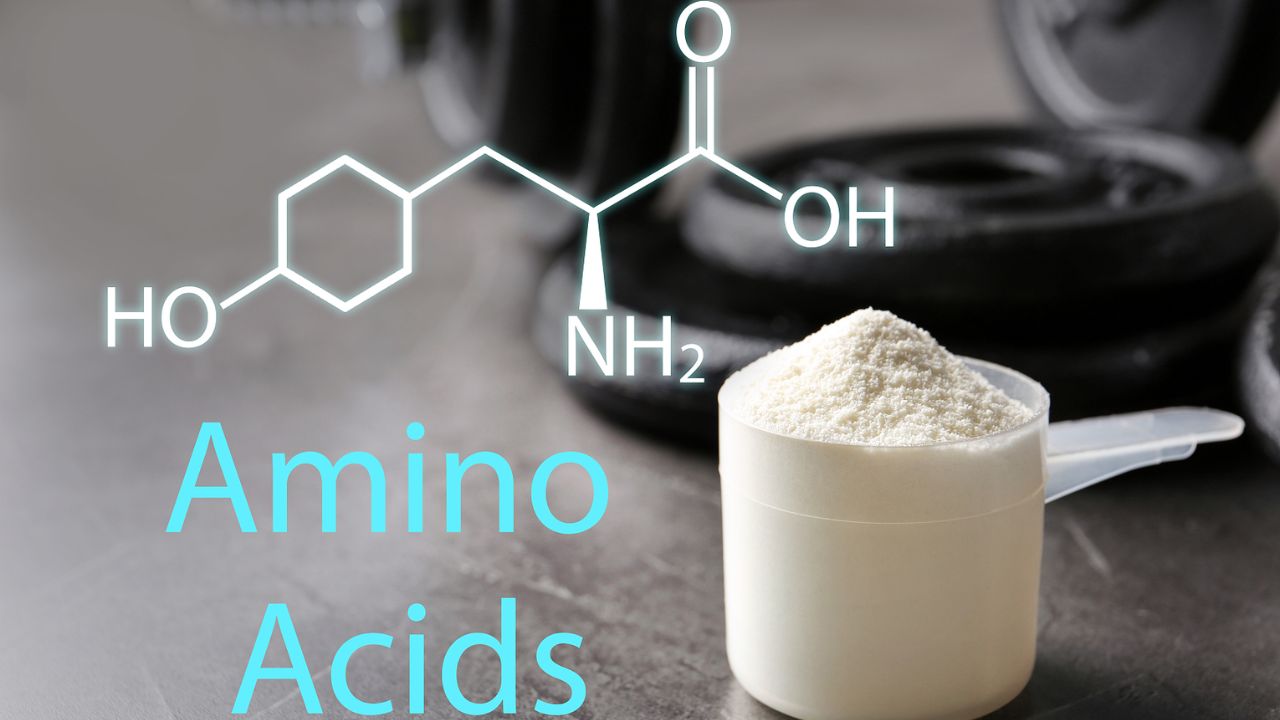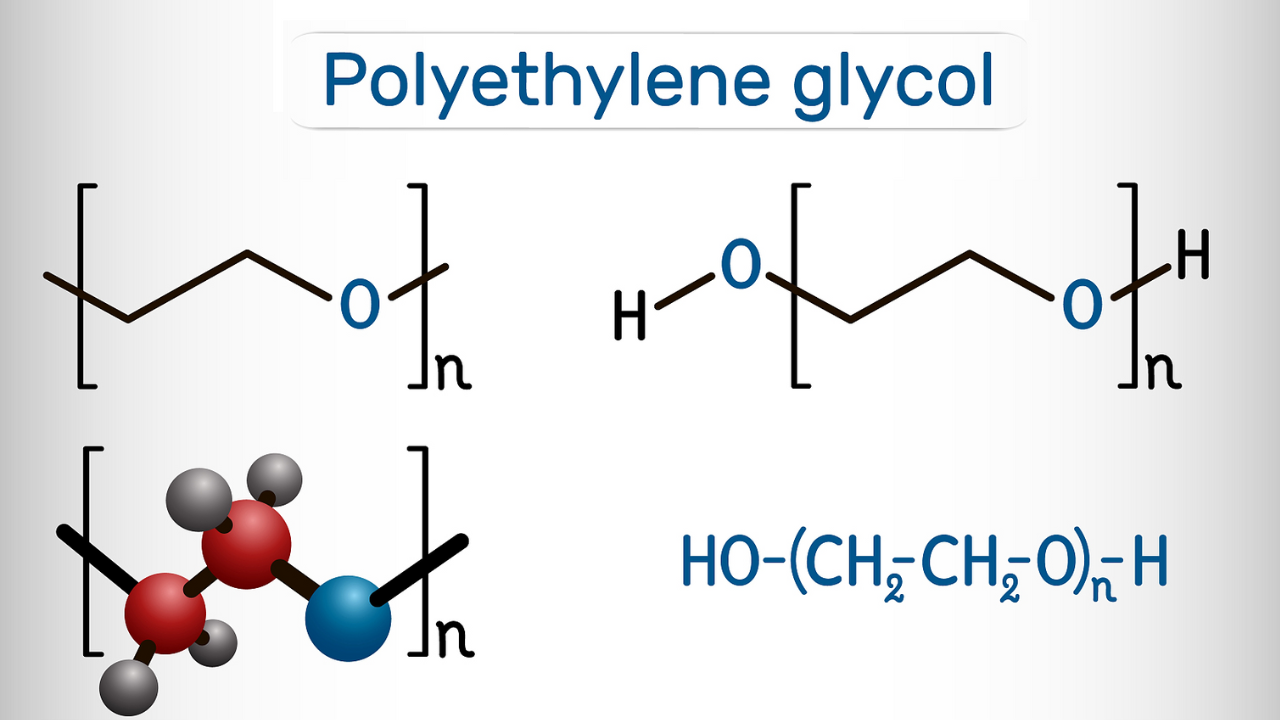
As a product formulator, purchaser, project manager, or even a decision-maker.Are you facing formulation challenges of products such as substandard cleaning performance, poor compatibility with hard water, high product irritation, or difficulty in controlling foam?
In the following section, I will elaborate on the functions of surfactants to assist you in resolving practical challenges encountered during the development and production of daily chemical products.
What is Surfactant?
Definition:A surfactant is a functional substance that, when added to water in extremely small quantities, significantly reduces its surface tension and alters the interfacial state of the system, thereby performing functions such as solubilization, emulsification, wetting, detergency, sterilization, defoaming, and foaming.
Four Core Functions of Surfactants
Emulsification
Emulsification is the process of stabilizing the dispersion of two mutually immiscible liquids—such as oil and water—whereby one liquid is dispersed within the other in the form of tiny droplets, thereby resolving the phenomenon of water-oil separation. This dispersion can take the form of an oil-in-water (O/W) or a water-in-oil (W/O) emulsion.
Surfactants form a protective film on the surface of oil or water droplets, resulting in a stable emulsion.
Typical examples: most cleansing emulsions (oil-in-water), as well as moisturizing, sunscreen, and makeup products (water-in-oil).
| Type | Abbreviation | Structure | Appearance | Typical Products |
| Oil-in-Water | O/W | Oil droplets dispersed in water | Milky white, easy to rinse, non-greasy | Milk, body wash, facial cleanser, laundry detergent |
| Water-in-Oil | W/O | Water droplets dispersed in oil | Thick, moisturizing, difficult to rinse | Cold cream, some hand creams, sunscreen |
Stain Removal
This is also the feature most closely related to daily life.Through the emulsifying and dispersing actions of surfactants, grease and soil particles detached from solid surfaces are stably emulsified and dispersed in water, thereby preventing re-contamination after rinsing.
Typical examples include using dishwashing liquid to clean tableware, laundry detergent to wash a shirt stained with grease, and hand soap to wash hands soiled with motor oil.
| Surfactant Type | Oil Removal Capacity | Hard Water Resistance | Typical Applications |
| Anionic (LAS) | ★★★★ | ★★ | Washing powder, dishwashing liquid |
| Anionic (AES) | ★★★★ | ★★★★ | Shampoo, body wash, laundry detergent |
| Non-ionic (AEO) | ★★★★★ | ★★★★★ | Dishwashing liquid, industrial cleaning agents |
| Non-ionic (APG) | ★★★ | ★★★★★ | Baby care products, sensitive skin products |
| Soap (Fatty Acid Salt) | ★★★ | ★ | Handmade soap, some laundry soaps |
Data is derived from internal testing.
If you live in an area with hard water, you might want to pay closer attention to surfactants that are resistant to hard water—specifically, non-ionic surfactants and AES are both highly suitable options.
Formulator’s Tip:A single surfactant struggles to address all cleaning requirements simultaneously.The blending ratio for anionic and nonionic surfactants is typically fine-tuned starting from a ratio of 7:3 or 6:4.In practical formulations, anionic surfactants (characterized by strong detergency) are typically blended with non-ionic surfactants (characterized by resistance to hard water and strong emulsifying power) to achieve a synergistic effect.
Foaming
The foaming ability of Surfactants,fundamentally, it is the orientational arrangement of its amphiphilic structure at the gas-liquid interface.When a surfactant is added to the solution,surfactant molecules will adsorb at the gas-liquid interface.It reduces the surface tension between the gas and liquid phases,and form a monomolecular film possessing a certain degree of mechanical strength, rendering the foam less prone to rupture.
Foam has an adsorptive effect on dirt.But foaming is not synonymous with foam stability.At the same time, in certain specific instances, having more foam is not necessarily better.The foaming action of surfactants is collectively determined by the product’s cleansing power, the consumer’s skin feel, and the actual use cases.
If you are wondering how to fix excessive foam in laundry detergent or how to stabilize surfactant foam, refer to the table below.
| Consumer Demands | Foaming Property Requirements | Formulation Ideas |
| Rich foam, easy to rinse (Body Wash) | Fast foaming and fast defoaming | AES + Betaine, no thickening and foam stabilizing agents added |
| Dense and long-lasting foam (Bubble Bath) | Fast foaming and stable foam | Add foam stabilizers (e.g., CMEA, 6501) |
| Low foam, easy to rinse (Machine Wash Laundry Detergent) | Low foam or fast defoaming | Mainly use non-ionic surfactants, compound with defoamers |
| Moderate foam, mild (Baby Care Products) | Medium-low foam, mild | APG + Amino Acid + Betaine compound |
Selection Recommendations:
- User Experience-Centric Approach: Select high-foaming surfactants including AES and APG.
- Prioritizing detergency and low-foaming requirements (e.g., industrial settings): Select low-foaming surfactants, such as AEO.
- Emphasizing Gentleness and a Premium Positioning:Prioritize APG; suitable for sensitive skin and the infant/toddler market.
Formulator’s Tip: Few single surfactants can meet all critical requirements—such as foam volume, foam fineness, and ease of rinsing. In practical formulations, a blend of a “primary surfactant” and an “auxiliary surfactant” is commonly employed.
Humidification
The addition of surfactants enables the liquid to adhere rapidly and uniformly to a solid surface—forming a film-like layer—by lowering the liquid’s surface tension, thereby achieving a wetting effect.
Typical examples include laundry detergent penetrating clothing fibers, dishwashing liquid spreading across tableware, and adhesion of pesticide sprays on leaves
| Surfactant Type | Wetting Capacity | Surface Tension (0.1% Solution) | Typical Applications |
| Non-ionic (AEO) | ★★★★★ | ~28 mN/m | Dishwashing liquid, wetting agents, pesticide synergists |
| Anionic (SDS/SLS) | ★★★★ | ~30-35 mN/m | Toothpaste, shampoo, industrial wetting |
| Anionic (AES) | ★★★ | ~32-38 mN/m | Laundry detergent, body wash |
| Amphoteric (Betaine) | ★★ | ~35-40 mN/m | Compound in mild formulations |
| Cationic | ★★ | ~35-45 mN/m | Fabric softener, antistatic (wetting is not the main function) |
Are you curious about surfactants for herbicide? Surfactants themselves possess no herbicidal activity; However,the direct benefits resulting from the addition of surfactants are: enhanced herbicide efficacy, reduced application costs, and alleviated environmental burden.
Formulator’s Tip: In detergent formulations, surfactants with excellent wetting properties (such as AEO-9) are typically combined with surfactants possessing strong detergency (such as LAS or AES). This allows water to first penetrate beneath the dirt, and then, through emulsification, peel the dirt away from the surface.
Specific Examples of Blending Ratios
| Application Scenario | Surfactant Compound | Compound Ratio |
| Mild Facial Cleanser (Sensitive Skin) | Sodium Cocoyl Glutamate+Lauryl Betaine | 2:1 |
| Baby Body Wash (Tear-Free Formula) | Coco-Glucoside+Sodium Lauroyl Glutamate+Lauramidopropyl Betaine | 3:2:1 |
| Daily Shampoo (Moisturizing & Foaming) | Sodium Lauroyl Sarcosinate+Cocamidopropyl Hydroxysultaine+Lauryl Glucoside | 4:3:2 |
| Gentle Hand Soap (Easy to Rinse) | Potassium Cocoyl Glycinate+Isopropyl Lauroyl Sarcosinate | 3:1 |
| High-End Cleansing Lotion (Mild & High Compatibility) | Sodium Lauroyl Aspartate+Disodium Cocoyl Glutamate+Lauryl Betaine | 2:2:1 |
Conclusion
Highassay is a professional surfactant supplier based in China.The surfactants we offer encompass four major categories: anionic, cationic, non-ionic, and amphoteric.Widely used in hair care, skin care, industrial cleaning, agriculture, and other fields. Our products are reliable and come in a full range. Samples are available for testing.
Whether you have questions about formulations, need pricing information, or want to know product specifications, please click below to contact us.
FAQ
Q:If you manufacture baby care products, which type of surfactant should you choose?
A:Baby care products are subject to extremely rigorous requirements regarding mildness.
We recommend a formulation scheme combining APG (Alkyl Polyglucoside), amino acid-based surfactants, and betaine.Characterized by low irritation and moderate foaming, it meets the standards for tear-free formulas.
Q:Can you provide free samples? What are the specifications of the samples?
A:Yes. We offer free sample testing; sample sizes typically range from 100g to 500g.Sufficient to meet your laboratory pilot-scale testing and formulation validation needs.
Click below to contact us and let us know your specific application scenario; we will make the necessary arrangements for you.
Q:I’m not sure which type of surfactant to choose. Could you help me with the selection?
A:Sure.Please let us know your product type (e.g., facial cleanser, laundry detergent, baby wash) and key performance requirements (e.g., high foaming, low irritation, hard water resistance). We will recommend the most suitable surfactant types and blending ratios for your application.
This is a complimentary technical service we offer; please feel free to consult us at any time.