For large-scale cultivation bases, fertilizer manufacturers, and agricultural input distributors, the choice of potassium fertilizer directly determines annual crop yield, quality, and long-term soil health. This article compares Potassium Sulfate and Potassium Chloride fertilizers to help you make precise selections and apply them scientifically.
What is Potassium Sulfate Fertilizer?
Potassium Sulfate Fertilizer, also known as Sulfate of Potash (SOP), is a high-quality agricultural fertilizer characterized by high potassium and low chloride content. In its pure form, it appears as odorless white crystals or powder; however, industrial-grade products may exhibit a grayish-yellow or pale yellow hue due to impurities, while maintaining a uniform and consistent appearance.
This fertilizer is highly water-soluble, has minimal hygroscopicity, and is resistant to caking, making it convenient for storage and transportation.
The primary nutrients in agricultural-grade Potassium Sulfate are potassium oxide (50%–52%) and sulfur (17%–18%), both of which are essential for crop growth. It is available in various grades, generally classified by potassium oxide (K₂O) content: qualified grade (≥50%), first grade (≥51%), and premium grade (≥52%). You can select the appropriate grade based on the specific type of crop you are cultivating.
How to Use Potassium Sulfate Fertilizer?
Potassium sulfate fertilizer is suitable for a wide range of cultivation settings—including greenhouses, orchards, and open fields—and can be applied in three common ways:
Basal Application
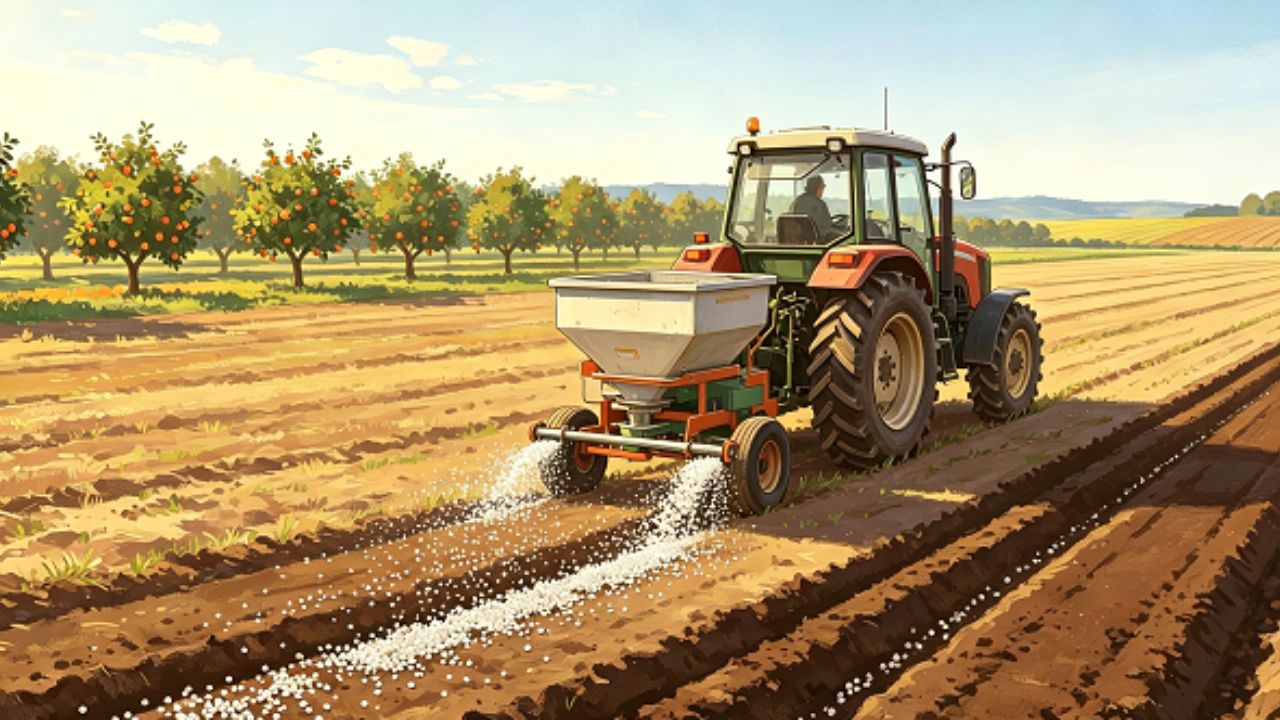
You can apply Potassium Sulfate as a base fertilizer. Spread it on the soil surface before tilling it into the ground; this ensures your crops have an adequate potassium supply throughout their entire growth cycle. It is suitable for field crops, orchards, greenhouse vegetables, and other planting scenarios.
Top-Dressing
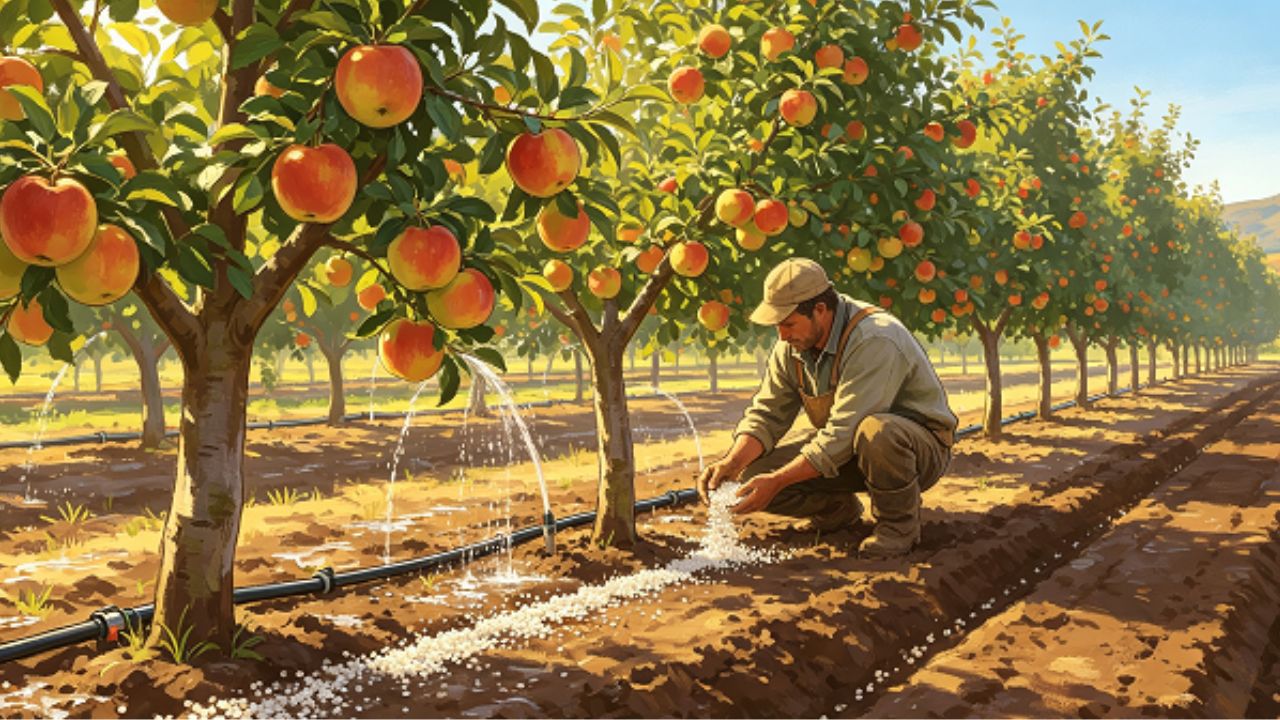
Supplementing potassium during the mid-growth stage is crucial for high-value crops to improve quality and increase yields. Recommended application methods include fertigation (applying via irrigation water), hole application, or soil incorporation. This step is vital for fruit expansion, coloration, and sweetness enhancement as the crop matures.
Foliar Spraying
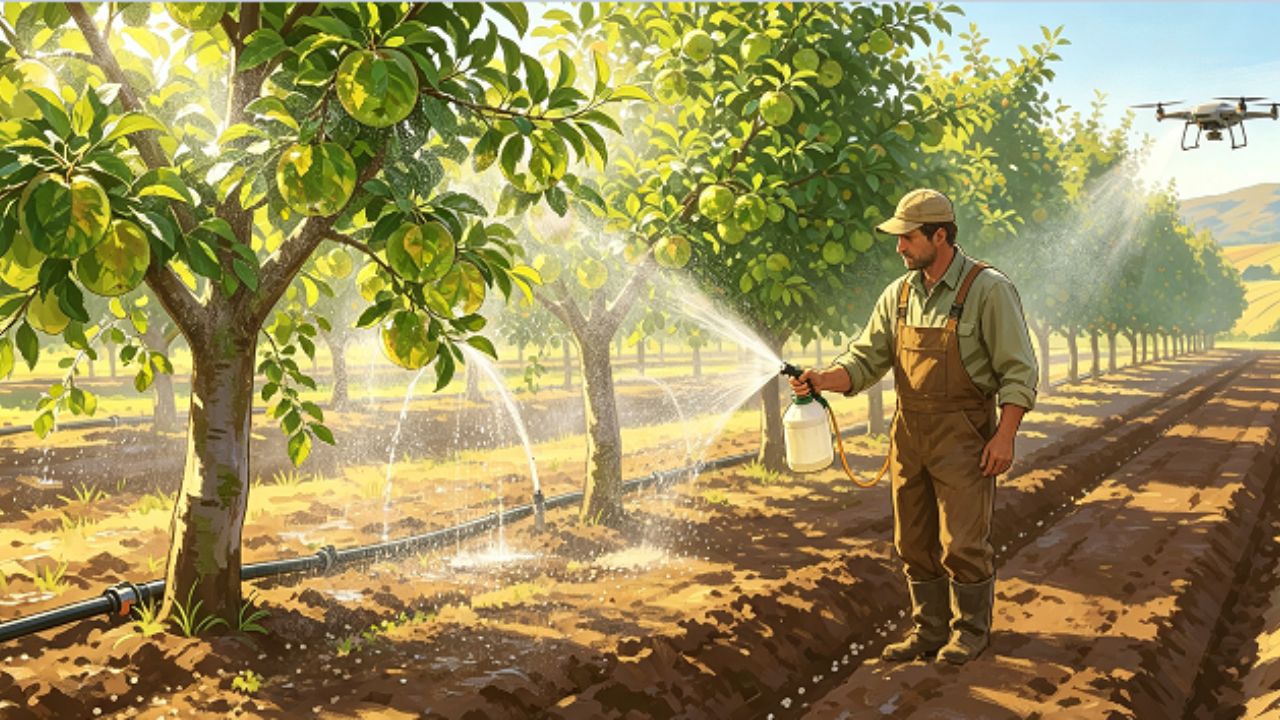
This is the fastest remedy when crops show signs of weak growth, yellowing leaves, or premature senescence due to potassium deficiency. Simply spray the solution evenly on both the upper and lower surfaces of the leaves; you will see the leaves turn green and growth strengthen within 2–3 days. A concentration of 0.2%–0.3% is recommended, and application should be avoided during periods of high heat.
Precautions for Applying Potassium Sulfate Fertilizer
Do not apply simultaneously with calcium fertilizers
Applying Potassium Sulfate alongside lime or calcium nitrate causes the formation of calcium sulfate precipitates, thereby reducing fertilizer efficacy. It is recommended to stagger the application times to ensure the fertilizers deliver their full benefits.
Use lime on acidic soils
Although Potassium Sulfate significantly improves crop quality, it is a physiologically acidic fertilizer. Long-term, continuous use can lead to progressive soil acidification, ultimately reducing both yield and quality; therefore, quicklime should be used to adjust soil pH levels.
Combine with nitrogen and phosphorus
Potassium fertilizer should not be applied in isolation. To achieve balanced fertilization—a more scientific approach than single-nutrient application—it should be used in conjunction with nitrogen and phosphorus fertilizers, as well as fertilizers containing secondary and trace elements, in accordance with the crop’s specific nutrient requirements.
Potassium Sulfate Fertilizer Advantages and Disadvantages
Advantages
The value of Potassium Sulfate for your crops is clear: potassium accelerates the transport of photosynthates, enhancing your crops’ resistance to cold, drought, pests, and diseases. It also promotes fruit enlargement, sweetness, and coloration, significantly increasing the yield of marketable fruit.
Its sulfur content serves as a crucial nutrient for the synthesis of proteins and amino acids, effectively preventing issues like yellowing leaves and stunted growth caused by sulfur deficiency.
Its standout feature, however, is its low-to-zero chloride content; it completely eliminates the risk of chloride ion damage, making it perfectly suited for all chloride-sensitive crops without harming root systems or compromising quality.
Disadvantages
Compared to Potassium Chloride, Potassium Sulfate has a higher price point, which will slightly increase your cultivation costs; if your goal is simply to supplement potassium for field grain crops, it is not as cost-effective as potassium chloride.
Additionally, be aware that long-term exclusive use can gradually acidify the soil; in paddy fields, prolonged heavy application can lead to the formation of harmful substances, causing root rot and stunted seedling growth. However, these issues can be completely avoided through scientific blending and proper crop rotation.
Potassium Sulfate vs. Muriate of Potash
You might wonder: when it comes to potassium supplementation, why do high-value cultivation scenarios prioritize the more expensive Potassium Sulfate over the more cost-effective muriate of potash (Potassium Chloride)?
The Irreplaceable Nature of Potassium Sulfate:
Unlike muriate of potash, Potassium Sulfate is chloride-free. This is crucial for chloride-sensitive crops—such as tobacco, grapes, tea plants, potatoes, and various fruit trees—where the presence of chloride ions can compromise quality. Adverse effects include reduced combustibility in tobacco, altered sugar content in fruits, and lower starch levels in tuber crops.
The Dual Value of Sulfur:
In addition to supplying potassium, Potassium Sulfate contains approximately 18% sulfur. Sulfur is an essential element for the synthesis of proteins and amino acids in crops—a benefit that muriate of potash cannot provide.
The following table illustrates the differences between Potassium Sulfate and Potassium Chloride Fertilizers.
Item | Potassium Sulfate (K₂SO₄) | Muriate of Potash (KCl) |
| Main Components | Potassium + Sulfur | Potassium + Chlorine |
| K₂O Content | 50%–52% | 60%–62% |
| Chlorine Content | Low chlorine / chlorine-free, suitable for chlorine-sensitive crops | High chlorine, not suitable for chlorine-sensitive crops |
| pH Property | Physiologically acidic | Physiologically acidic |
| Price | Relatively expensive | Low cost, high cost-performance |
| Suitable Crops | Tobacco, tea, grapes, strawberries, watermelon, citrus, potatoes, green onions, ginger, garlic, medicinal herbs, flowers and other chlorine-sensitive crops | Rice, wheat, corn, cotton, sorghum and other field crops tolerant to chlorine |
| Main Functions | Supplies potassium and sulfur; improves quality, sweetness, flavor and storage stability | Mainly supplies potassium; promotes growth, yield increase and lodging resistance |
| Soil Impact | Long-term use may cause acidification, does not aggravate salt damage | Long-term use may cause acidification, chlorine ions accumulate in soil |
| Ideal Scenarios | Fruit swelling, vegetable quality improvement, greenhouse cultivation | Large-scale field grain crops, low-cost high-yield production |
| Unsuitable Scenarios | Long-term heavy application in paddy fields (easy to produce hydrogen sulfide) | Chlorine-sensitive crops, saline-alkali land, continuous greenhouse cropping |
FAQ
Q:For which types of crops is Potassium Sulfate Fertilizer suitable?
A:Water-soluble Potassium Sulfate Fertilizer is primarily used for high-value crops—such as fruits (grapes, watermelons) and vegetables (potatoes)—where taste, sweetness, aroma, and quality are paramount. It is also used for chloride-sensitive cash crops, including tobacco, tea, and medicinal herbs.
Q:What is organic Potassium Sulfate Fertilizer?
A:Simply put, it is Potassium Sulfate that meets organic farming standards and is approved for organic cultivation; its key characteristics are a natural origin, the absence of synthetic additives, and organic certification.
Q:What is liquid Potassium Sulfate?
A:Liquid Potassium Sulfate is a form of Potassium Fertilizer processed into a high-concentration, fully water-soluble liquid that leaves no sediment.
Its advantages include instant solubility and usability, rapid absorption, and precise application, making it particularly well-suited for greenhouse farming and high-efficiency cultivation systems.
Final Thought
For large-scale grain cultivation where the goal is cost-effective yield increases, Potassium Chloride (MOP) is the preferred choice;
For high-value fruits, vegetables, and cash crops—where the focus is on premium quality—Potassium Sulfate (SOP) is preferred.
If you have any questions regarding your choice, please feel free to contact us; we will provide recommendations based on your specific crop type.