Nucleoside = base + sugar;
Nucleotide = nucleoside + phosphate;
Nucleoside derivative = a molecule obtained through chemical modification or alteration of a nucleoside scaffold.
This article will explore the differences and connections between these three entities from multiple perspectives.
What Is a Nucleoside?
Nucleoside Definition
A Nucleoside is one of the fundamental structural units that make up genetic material (nucleic acids).
Nucleoside Chemical Structure
A Nucleoside is a glycosyl compound formed by the condensation of a nitrogenous base and a five-carbon sugar (pentose) via a glycosidic bond.
- Nitrogenous bases: Purines and pyrimidines.
- Five-carbon sugars (pentoses): Ribose and deoxyribose.
Nucleosides Classification
Based on the type of five-carbon sugar, Nucleosides are categorized into two main groups:
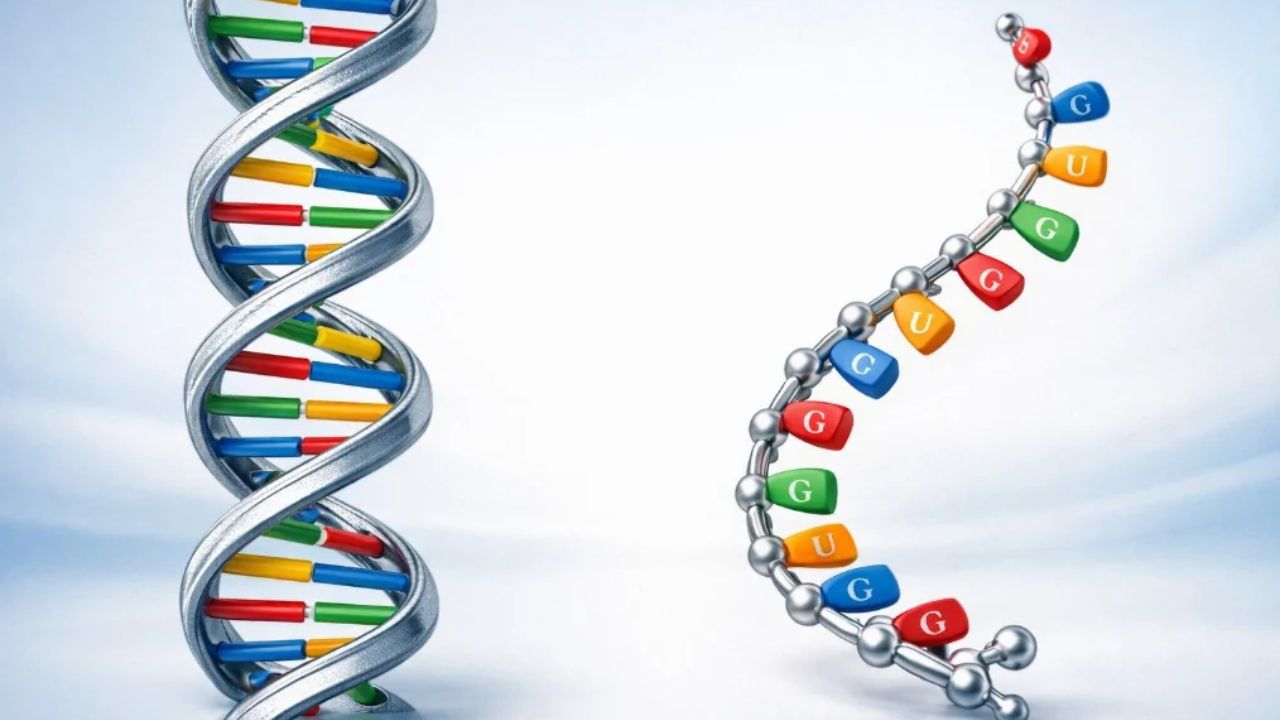
- Ribonucleosides: The building blocks of RNA; these include Adenosine, Guanosine, Cytidine, and Uridine.
- Deoxyribonucleosides: The building blocks of DNA; these include Deoxyadenosine, Deoxyguanosine, Deoxycytidine, and Deoxythymidine (Thymidine).
Functions of Nucleosides
- Foundation of genetic material: Nucleosides serve as the direct precursors for the synthesis of nucleotides.
- Pharmaceutical applications: In clinical practice, they are used in the development of nucleoside-based drugs or nucleoside derivatives.
Commonly sourced industrial-grade Nucleosides include Uridine, Guanosine, Inosine, and Cytidine, which typically appear as white crystalline powders. Uridine serves as a starting material for a wide range of modified nucleosides, oligonucleotide monomers, and triacetyluridine, while Inosine is frequently used in biochemical research and as an intermediate in chemical synthesis. In the vast majority of organic synthesis pathways, naturally occurring nucleosides are the preferred starting building blocks.
What are Nucleotides?
Nucleotides Definition
Nucleotides are the fundamental building blocks that make up the long chains of DNA and RNA.
Nucleotides Chemical Structure
They consist of a nitrogenous base, a pentose sugar, and at least one phosphate group.
Nucleotides Classification
Based on the type of pentose sugar, Nucleotides are divided into two main categories:
- Ribonucleotides: The basic units that make up RNA; these primarily include Adenosine Monophosphate (AMP), Guanosine Monophosphate (GMP), Cytidine Monophosphate (CMP), and Uridine Monophosphate (UMP).
- Deoxyribonucleotides: The basic units that make up DNA; these primarily include Deoxyadenosine Monophosphate (dAMP), Deoxyguanosine Monophosphate (dGMP), Deoxycytidine Monophosphate (dCMP), and Deoxythymidine Monophosphate (dTMP).
Functions of Nucleotides
- Basic physiological roles in the human body: Nucleotides serve as the direct precursors for the synthesis of DNA and RNA. Furthermore, free nucleotides and their derivatives participate in energy metabolism, cell signaling, and the composition of various coenzymes.
- Medical applications: In clinical practice, certain nucleotide-related substances are highly effective in treating specific diseases. Many nucleotide analogs can also interfere with nucleic acid metabolism, making them useful as antiviral and anticancer drugs.
- Food industry: Nucleotides such as 5′-GMP, 5′-IMP, and 5′-CMP are used as food flavor enhancers.
Note: Food-grade flavor-enhancing Nucleotides and pharmaceutical-grade Nucleotides are subject to different quality control standards and are not interchangeable.
Relationship Between Nucleosides and Nucleotides
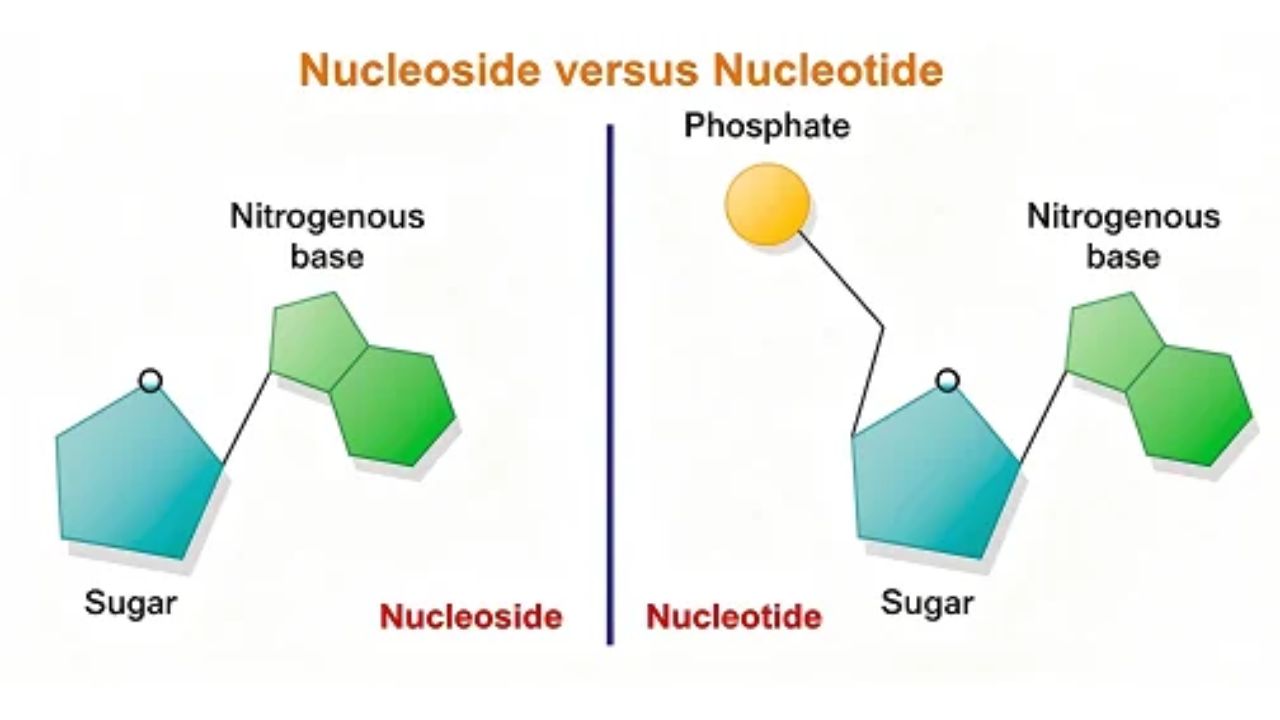
Nucleosides are the precursors for the synthesis of Nucleotides, while Nucleotides are the phosphorylated products of Nucleosides.
- Nucleoside = Base + Ribose/Deoxyribose
- Nucleotide = Base + Ribose/Deoxyribose + Phosphate group
In short: Nucleotide = Nucleoside + Phosphate
Key Differences Between Nucleosides and Nucleotides
Solubility and Polarity
- Nucleosides: Generally have moderate water solubility and polarity.
- Nucleotides: Contain negatively charged phosphate groups, resulting in higher water solubility; they are more sensitive to pH levels and metal ions, and generally exhibit lower stability.
Downstream Applications
- Nucleosides: Primarily used as pharmaceutical intermediates for the synthesis of modified Nucleosides and antiviral active pharmaceutical ingredients (APIs) (e.g., AZT).
- Nucleotides: Frequently used in enzymatic reactions, as substrates for PCR, or as biochemical reagents; they are rarely used directly as the core scaffold for drugs.
Nomenclature
Although their names differ by only one character, Nucleosides and Nucleotides have distinct CAS numbers, purity specifications, price points, and applications—they are not interchangeable.
For example: Thymidine ≠ Thymidylic acid (Thymidine monophosphate)
What are Nucleoside Derivatives?
Nucleoside derivatives are molecules obtained through artificial modification or alteration of the chemical structure of a Nucleoside—specifically, its base, sugar ring, or both. The purpose of such modifications is to alter the molecule’s inherent stability, absorption efficiency, or biological activity.
Important note: Nucleoside derivatives are not the same as nucleoside analogues.
This is a common point of confusion. “Nucleoside derivatives” is a broad, general category, whereas “nucleoside analogues” constitute a specific subset within that category. While all nucleoside analogues are nucleoside derivatives, not all nucleoside derivatives are nucleoside analogues.
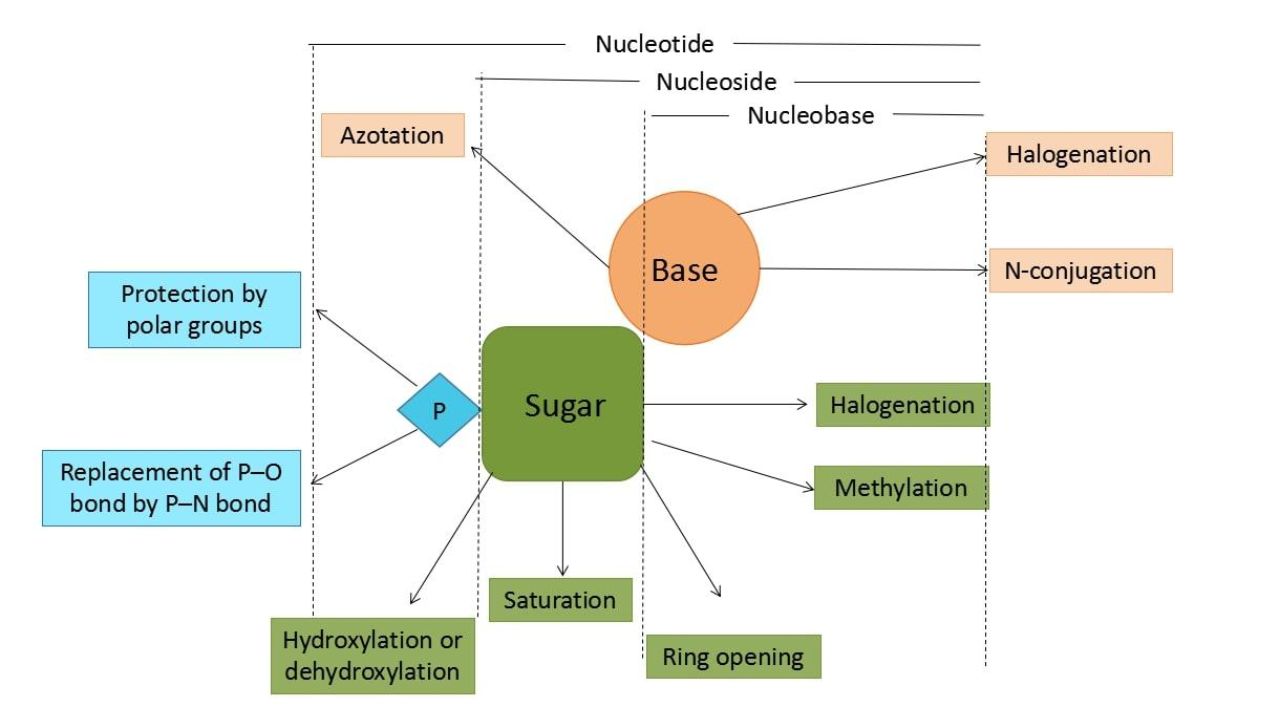
Two Major Application Areas for Commercialized Nucleoside Derivatives
Therapeutic Nucleoside Analogues (biologically active)
These compounds mimic the structure of natural Nucleosides, thereby interfering with the replication of nucleic acids in viruses or tumor cells.
- Antiviral agents: Acyclovir, lamivudine, zidovudine, emtricitabine, ribavirin;
- Antitumor agents: Cytarabine, gemcitabine, fludarabine, capecitabine.
Nucleoside Prodrugs (synthetic intermediates)
A prime example is Triacetyluridine—an acetylated derivative of uridine—designed to enhance the oral absorption of the parent compound, allowing it to better enter the bloodstream to exert therapeutic or detoxifying effects.
Selection Guidelines
For procurement specialists and R&D personnel, selecting the wrong raw material can lead to the loss of an entire batch or the failure of a chemical reaction, resulting in unnecessary costs. Here are some quick tips to guide your selection:
- For organic synthesis or the modification of sugar rings/nucleobases: Prioritize the use of Nucleosides or protected Nucleoside Derivatives; Nucleotides are generally unsuitable.
- For PCR, in vitro transcription, or enzymatic nucleic acid synthesis: Use NTPs/dNTPs (Nucleotides).
- If a formulation requires improved oral absorption: Consider evaluating prodrug-type Nucleoside D
- Do not rely on physical appearance to identify raw materials. Many Nucleosides, Nucleotides, and their derivatives appear as white crystalline powders; always verify the CAS number and the Certificate of Analysis (COA) before placing an order.
Comparison Table:
Nucleosides, Nucleotides, Nucleoside Derivatives
Item | Nucleoside | Nucleotide | Nucleoside Derivative |
| Core Structure | Base + pentose sugar (ribose / deoxyribose) | Base + pentose sugar + ≥1 phosphate group | Modified nucleoside scaffold (modification on base / sugar ring) |
| Charge & Polarity | Electrically neutral, moderate polarity | Negatively charged, high polarity | Varies with modifying groups; acetyl-protected types have lower polarity and are more lipophilic |
| Water Solubility | Moderate | High | Variable; protected derivatives generally have better lipophilicity |
| Degradation Risk | Resistant to hydrolysis | Prone to dephosphorylation, sensitive to pH and metal ions | Depends on protecting groups; acetyl groups are susceptible to hydrolysis in alkaline aqueous solutions |
| Common Commercial Raw Materials | Uridine, Guanosine, Inosine, Cytidine, Thymidine | UMP, GMP, CMP, AMP, dNTP, NTP | Triacetyluridine, 2′-Fluorouridine, Acyclovir, Gemcitabine |
| Primary Applications | API intermediates, precursors for derivatives, cell culture medium substrates | Substrates for PCR / in vitro transcription, flavour enhancers, coenzyme components | Prodrugs, antiviral / anti-tumour agents, protected building blocks for oligonucleotide synthesis |
| Oral Absorption | Relatively good | Very poor | Tunable; many derivatives are designed to improve absorption (prodrug strategy) |
| Standard Storage Conditions | Room temperature, dry and protected from light | Recommended -20°C, avoid repeated freeze-thaw cycles | Follow product specifications; acetyl derivatives are generally recommended for refrigerated storage |
FAQ
Q:Why are Nucleosides more easily absorbed across the intestinal wall than Nucleotides?
A:Nucleotides contain a phosphate group, making them highly polar and negatively charged, which hinders their ability to penetrate cell membranes. In contrast, Nucleosides lack a phosphate group and are less polar; furthermore, the surface of intestinal epithelial cells features specialized active transport systems for nucleosides, facilitating their absorption.
Q:Can Nucleosides be converted into Nucleotides within the human body?
A:Yes. Once a Nucleoside enters a cell, it can be converted into a Nucleotide through a phosphorylation reaction, catalyzed by specific kinases.
Q:Is ATP a Nucleoside or a Nucleotide?
A:ATP is a Nucleotide. It consists of Adenosine (a base plus a five-carbon sugar) and three phosphate groups; because it contains phosphate groups, it is classified as a Nucleotide.
Q:Is a Nucleoside Analogue considered a Nucleotide?
A:No. Structurally, a Nucleoside Analogue mimics a natural Nucleoside (a base plus a sugar) and does not contain a phosphate group. However, once it enters a cell, it typically must undergo phosphorylation to be converted into an active Nucleotide Analogue, which then exerts its therapeutic effect.
Q:Are Nucleoside Analogues naturally occurring or synthetic?
A:Both exist. The vast majority of those used clinically—such as antiviral or antitumor drugs—are synthetically produced. However, some naturally occurring Nucleoside Analogues also exist in nature (for example, compounds produced by certain bacteria or antiviral substances generated by the human body itself).
Final Thought
Nucleosides, Nucleotides, and Nucleoside Derivatives may appear similar, yet even minor structural modifications can lead to significant differences in their properties. The presence of a specific phosphate group or a protective group determines whether a raw material is best suited for organic synthesis, enzymatic reactions, or the development of oral prodrugs.
Understanding the distinctions between these three categories will help you select the precise starting materials required, preventing unnecessary experimental setbacks. Always verify the CAS number and Certificate of Analysis (COA) before procurement. Should you have any questions regarding material selection or specific products, please feel free to reach out to us.