Moringa (specifically Moringa oleifera),dubbed a “natural nutritional storehouse” by Western science.It has powerful antioxidant, anti-inflammatory, and blood sugar-lowering properties.The wonder of Moringa is that, from roots to seeds, the entire plant is packed with value.Especially moringa leaves,it is the most nutrient-dense part—the most easily absorbed and the most suitable for daily supplementation.
What is Moringa?
Moringa(Moringa oleifera),recognized by the United Nations as the “most nutritious tree.”Its entire body is edible and usable, and the use of Moringa in traditional medicine dates back more than 4,000 years.The entire Moringa plant is rich in flavonoids, alkaloids, vitamins, and minerals,with each part offering its own specialized benefits.They collectively constituting the value of the “Miracle Tree.”

Moringa: A Treasure Trove of Benefits—An Analysis of Each Part’s Functions
Moringa Root
In traditional Ayurvedic medicine,Moringa root is used alleviating fatigue, aiding digestion, and enhancing sleep quality.The roots contain alkaloid constituents and possess certain medicinal value.
Attantion:Moringa root has a high alkaloid content.Do not consume in excess.
Moringa Stem
Moringa stems are classified into tender stems (edible, with a crisp and tender texture)、mature stems (for brewing tea, stewing in soups, or processing into powder);Boiled water or liquids can be used for antimicrobial treatment.
Moringa Flower
Moringa flowers are creamy white, petite in shape, and possess a sweet, aromatic fragrance.It is a safe ingredient suitable for both medicinal and dietary use.It helps promote respiratory health, support liver and eye function, and bring calm to the nervous system.
Moringa Leaves
This is the part of the entire plant with the highest nutrient density.
It is packed with a wide range of nutrients. We will take a closer look at its nutritional value in the following section.
Moringa Pods
The tender pods of the Moringa tree (also called “drumsticks”) can be eaten as a vegetable, with a texture similar to green beans.Young pods are high in fiber and Vitamin C.
Moringa Seeds
There are two main uses for it.
Purified Water:Moringa seeds contain a natural cationic protein.It acts as a natural coagulant, capturing suspended particles and bacteria in water.
Moringa Oil:The “Ben oil” extracted from the seeds is rich in oleic acid.It is highly antioxidant and does not go rancid easily, serving as a raw material for high-end skincare products and premium edible oils.
The Benefits of Moringa Leaves
Moringa Leaves,the King of Nutrition,it is the primary source for the preparation of Moringa leaf powder.
Moringa Leaves: High Value
- You might be surprised: the nutrient density of Moringa leaves far exceeds that of many common foods.For example, under the same weight,Moringa leaves contain approximately 10 times the calcium found in milk, about 3 times the iron found in spinach, and roughly 15 times the potassium found in bananas.At the same time, it provides approximately 7 times the Vitamin C of an orangeand about twice the protein of an egg.
- Besides these impressive numbers,Moringa leaves also provide you with all9 essential amino acids, over 20 vitamins, more than 30 minerals, as well as powerful active ingredients such as flavonoids and chlorogenic acid.
Moringa leaf :Broad Effects
- When you incorporate Moringa leaves into your daily diet, you can expect many gentle health benefits.This natural superfood helps your body combat oxidative stress and supports healthy aging.
- It serves to reduce inflammation, regulate blood sugar and lipids, and alleviate anemia too.You will distinctly feel a boost in energy and vitality, while your digestive health and immune system receive valuable support.
Convenient to Consume: As a Carrier
- Fresh Moringa leaves spoil easily and are difficult to transport, which is why Moringa powder is such a practical choice for you.Moringa powder retains over 90% of the original nutrients found in fresh leaves; moreover, it is easy to store, convenient to incorporate into a wide variety of foods, and readily absorbed by the body.
- Simply take 1 to 2 scoops daily—easily mixing them into your shakes, yogurt, soups, or baked goods—or simply dissolve them in warm water to obtain your daily nutritional supplement.
FAQ
Q:Can Moringa leaves be eaten raw?
A:Yes. Fresh Moringa leaves can be washed and then prepared as a cold salad, added to soups, or stir-fried.But Moringa leaves tend to be tough in texture and slightly bitter; consequently, many people are more accustomed to consuming Moringa powder or cooked leaves.It is worth noting that when consuming this for the first time, it is recommended to start with a small amount and observe your body’s reaction.
Q:Why choose Moringa powder instead of fresh Moringa leaves?
A:Fresh Moringa leaves oxidize extremely rapidly within 24 hours of harvesting, resulting in the loss of most of their antioxidant components.However,Moringa powder produced through low-temperature grinding retains over 90% of its active nutrients and is not subject to seasonal limitations.
What does Moringa powder taste like?
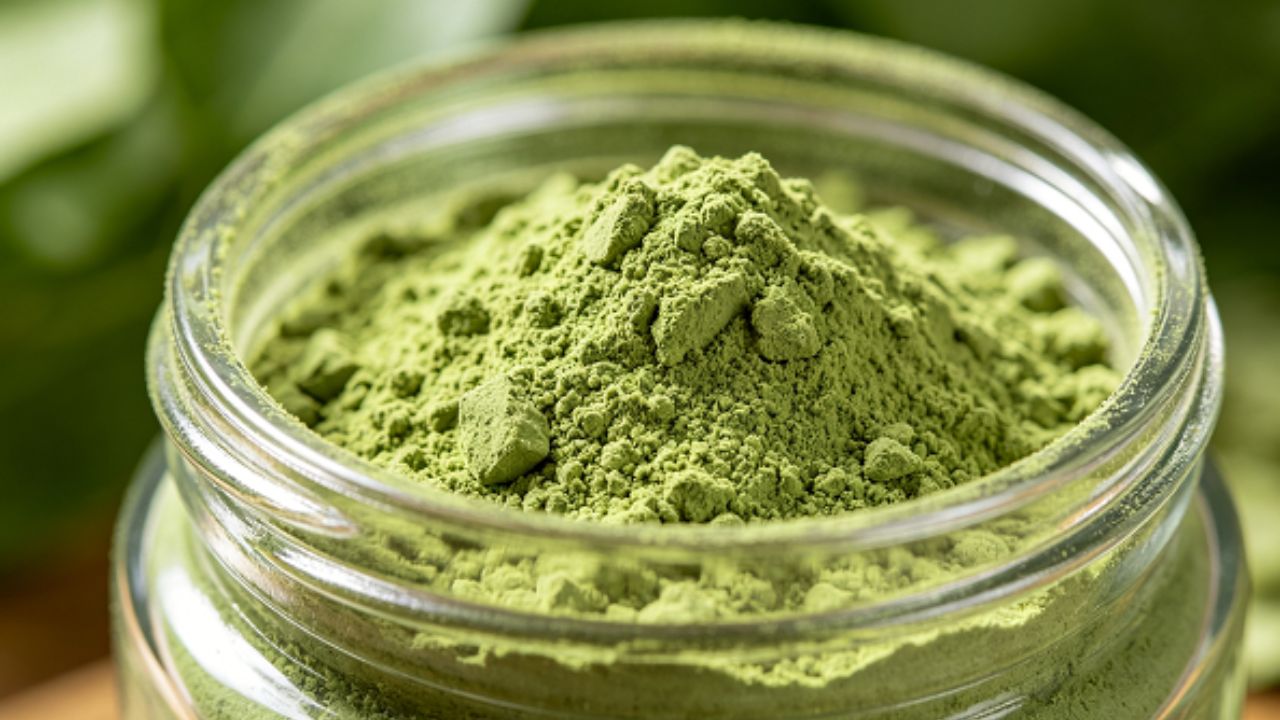
Moringa powder possesses a faint grassy aroma and a green, matcha-like flavor.Its flavor is not particularly intense, carrying a slight bitterness and an earthy note.Those who like it find it refreshing; for those who don’t, we recommend starting with a small dose to get accustomed to it.
Final Thougut
Moringa is a precious gift bestowed by nature; Though it cannot replace medicine, it is a fantastic superfood for everyday nutrition.
Highassay specializes in the research of organic Moringa powder. If you would like to learn more, we invite you to visit our product page.
Disclaimer: This article is intended for general educational purposes and does not constitute medical advice.