As a food R&D professional, formulator, or procurement specialist, are you confused to choose soy lecithin or sunflower lecithin?The article compares the basic parameters, core strengths, use cases, and limitations of these two mainstream lecithins in depth.Quickly find the lecithin solution with the best price-performance ratio and optimal fit for your product positioning.
At a Glance: Basic Comparison of two kinds of Lecithin
To facilitate a convenient, quick, and intuitive comparison, we first outline the fundamental differences between soy lecithin and sunflower lecithin across ten key dimensions, helping you with your initial selection:
Comparison Item | Soy Lecithin | Sunflower Lecithin |
| Main Source | Soybean (crude soybean oil) | Sunflower (crude sunflower seed oil) |
| Main Components | Phosphatidylcholine(PC), Phosphatidylethanolamine(PE), Phosphatidylinositol (PI), etc. | Generally higher in Phosphatidylcholine (PC), with a relatively simpler composition |
| Appearance & Form | Viscous liquid, granular, powder | Liquid, powder (usually lighter in color) |
| Allergen Risk | Contains soy allergen | Free from common allergens (no soy, dairy, gluten, etc.) |
| GMO Concern | Mostly derived from GMO soybeans (unless specified as non-GMO) | Naturally non-GMO (no commercial GMO sunflower varieties) |
| Clean-Label Friendliness | Moderate (soy origin labeling required; some consumer concerns about soy) | High (pure origin, higher consumer acceptance) |
| Flavor & Color Impact | Low; dark liquid products may slightly affect light-colored systems | Very low; lighter color and more neutral flavor |
| Cost | Lower, cost-effective | Relatively higher (approximately 30%–50% more expensive) |
| Supply Stability | Extremely stable, large global production | Stable but slightly more affected by growing regions and climate |
| Typical Applications | Chocolate, bakery products, margarine, animal feed, mass-produced industrial foods | Infant formula, organic foods, clean-label products, EU export products |
In-depth Analysis of Sunflower Lecithin and Soy Lecithin
Allergens and Non-GMO
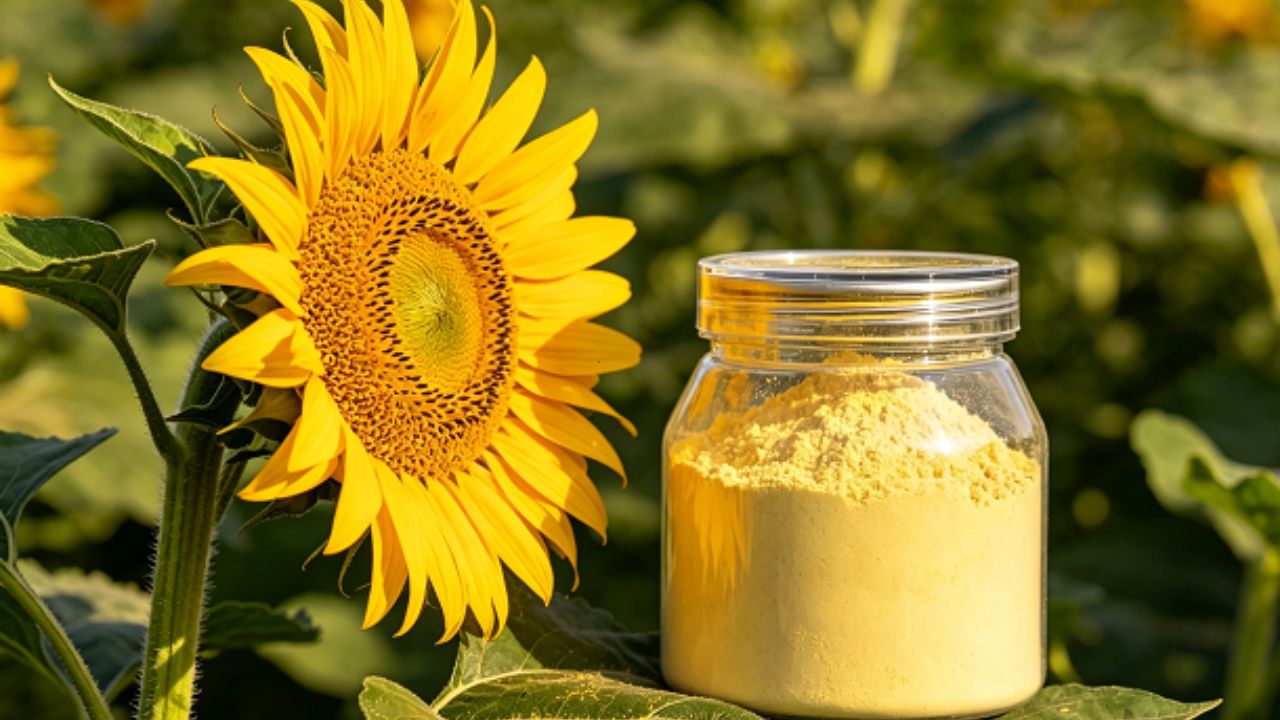
This is the key selling point of Sunflower lecithin.Sunflower lecithin offers the core advantages of being free from common allergens and naturally non-GMO.
Allergen-free:Sunflower seeds are not among the eight most common food allergens (soybeans are one of them), so no allergen labeling is required.It is the preferred emulsifying ingredient for infant and toddler foods, snacks for mothers and babies, organic health supplements, and high-end food products destined for export.Compliance risk is virtually zero.
Natural and non-GMO:Sunflowers have no commercial GMO varieties, making sunflower lecithin a naturally non-GMO ingredient.Satisfies US and EU high-end market standards without extra testing or certification.
In contrast, the vast majority of soy lecithin on the market comes from genetically modified soybeans.If non-GMO soy lecithin is required, you will need to source products with specific certification, which will significantly increase costs.
Cost and supply stability
This is the primary selling point of soy lecithin.Soy lecithin’s biggest strengths? Affordable pricing and rock-solid supply stability.
Cost advantage:Soybeans are one of the world’s four major staple grain and oilseed crops; consequently, the annual production of soy lecithin is extremely high, and its unit cost is far lower than that of sunflower lecithin.For products like ordinary chocolate, baked goods, and animal feed, soy lecithin is the most cost-effective option.
Stable supply:Soy lecithin has a well-established supply chain system, is less affected by seasons and regions, and offers long-term stable and ample availability.
If your product targets the mass market, is cost-sensitive, and does not need allergen-free or non-GMO claims, soy lecithin is a very sensible choice.
Functionality and Application Performance
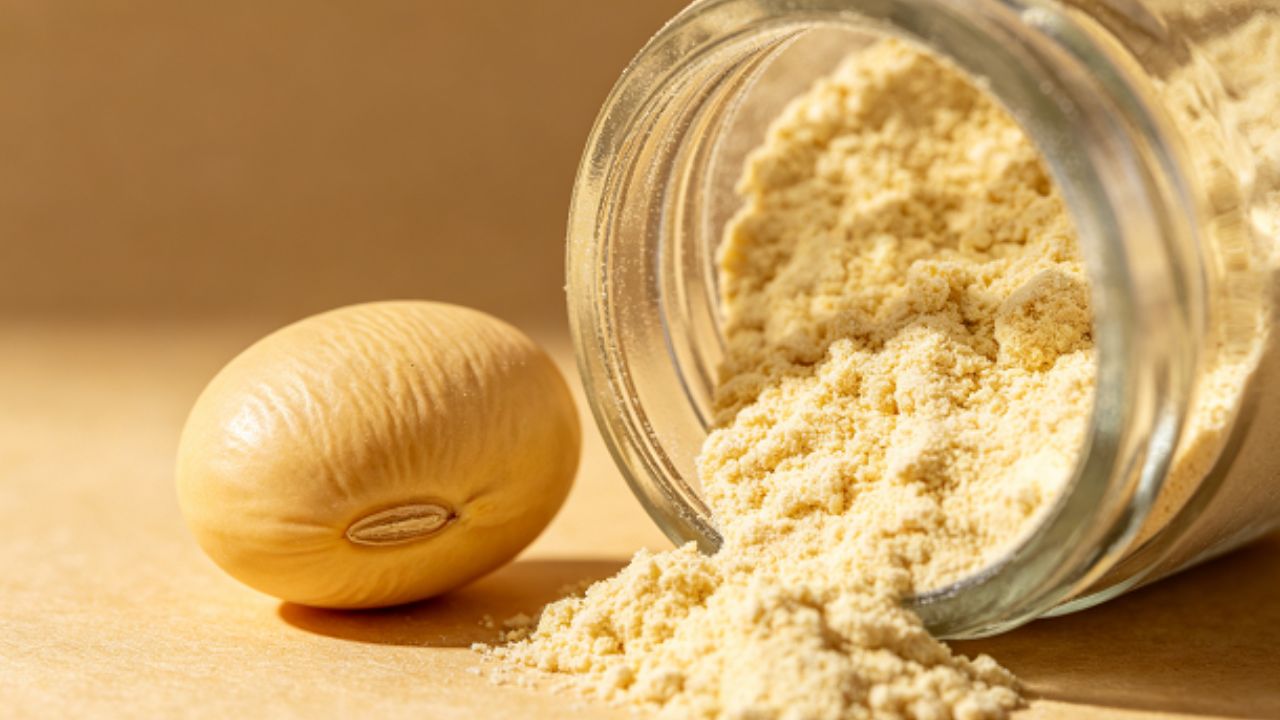
Do you have concerns that differences in price and raw materials might lead to a vast disparity in functional effectiveness? The answer is no.Soy lecithin and sunflower lecithin are highly similar in their core functions and can be completely interchangeable in basic formulations.Their active ingredient is phosphatidylcholine; they all function to emulsify oil and water, disperse powders, reduce viscosity, facilitate mold release and prevent sticking, and inhibit starch retrogradation.
Nuanced Differences
Studies indicate that sunflower lecithin has a relatively high phosphatidylcholine (PC) content and offers slightly better emulsion stability in certain high-sugar or high-acid systems.
Soy lecithin contains higher levels of phosphatidylethanolamine (PE) and phosphatidylinositol (PI), providing stronger emulsifying capabilities in certain high-fat systems.
Flavor and Color
At standard dosage levels, neither lecithin significantly affects the appearance or mouthfeel of the final product; noticeable differences emerge only in the high-end product segment.
Soy lecithin is yellowish with a mild natural beany note. It works perfectly in bold-flavored products like bread, dark chocolate, and sauces—no impact at all. But in sugar-free snacks, light dairy, or gentle health foods, higher doses may slightly affect taste and color.
Sunflower lecithin features a clear appearance and a neutral flavor profile free from off-notes. With lower impurity levels, it does not interfere with the food’s original color or aroma, maximally preserving the product’s inherent flavor and clarity,making it the perfect fit for premium, light-colored, and delicately flavored food formulations.
Lecithin Selection Guide
A one-sentence summary:
Unless you require clean-label, non-GMO, allergen-free, or ultra-light color/mild flavor characteristics, soy lecithin is the more economical and reliable choice.
If cost control is not a primary concern, sunflower lecithin is the superior choice whenever any of the following keywords apply: infant/toddler, hypoallergenic, clean label, non-GMO, EU export, light color, mild flavor, or high PC content.
FAQ
Q:Can soy lecithin and sunflower lecithin be used interchangeably? What is the substitution ratio?
A:Yes. In the vast majority of applications, they can be directly substituted at a 1:1 ratio. It is recommended to conduct a small-scale trial first.
Q:Given its superior functionality, can sunflower lecithin fully replace soy lecithin?
A:It is not recommended. While sunflower lecithin offers better regulatory compliance and purity, its higher cost would significantly squeeze profit margins in large-scale production; consequently, it is suitable only for premium applications and is not viable for mass-market, high-volume products.
Q:Are there any differences in the shelf life or storage conditions between the two lecithin products?
A:They are essentially the same. Both require storage in a dry place at room temperature, away from light; they have similar antioxidant properties and show no significant difference in storage stability.
Final Thought
There is no absolute distinction of “better” or “worse” between soy lecithin and sunflower lecithin; it simply comes down to suitability for specific applications. For details, please refer to our previous article:The 5 Major Benefits of Lecithin in the Food Industry.
Choosing the right lecithin stabilizes product quality, optimizes formulation texture, precisely aligns with product positioning, meets market compliance requirements, and enhances brand competitiveness.If you are unsure which type of lecithin is best suited for your product, or if you require a customized formulation or samples for testing, please feel free to contact Highassay; we will provide you professional guidance on product selection and formulation support.