Are you struggling with hard, stale bread, fragile biscuits, or unstable emulsions in baking? Do you want to keep chocolate smooth and glossy during production? Have you ever wondered why salad dressings and sauces stay perfectly blended without separating?
After reading this article, you will understand how Lecithin solves practical problems for food manufacturers.
What is Lecithin?
Lecithin, also known as phosphatidylcholine (abbreviated as PC), is a complex lipid found in animal and plant tissues.It was originally discovered in egg yolks, which is why it is also known as egg yolk substance.Nowadays, the content in plants such as soybeans and sunflower seeds is also very high, making them a primary source for industrial production.
Lecithin is not a food additive, but rather an indispensable raw material in the food industry.Among its various sources, soy lecithin has become the most mainstream choice due to its stable supply, cost-effectiveness, and broad formulation compatibility.
Benefits of Lecithin
Emulsification
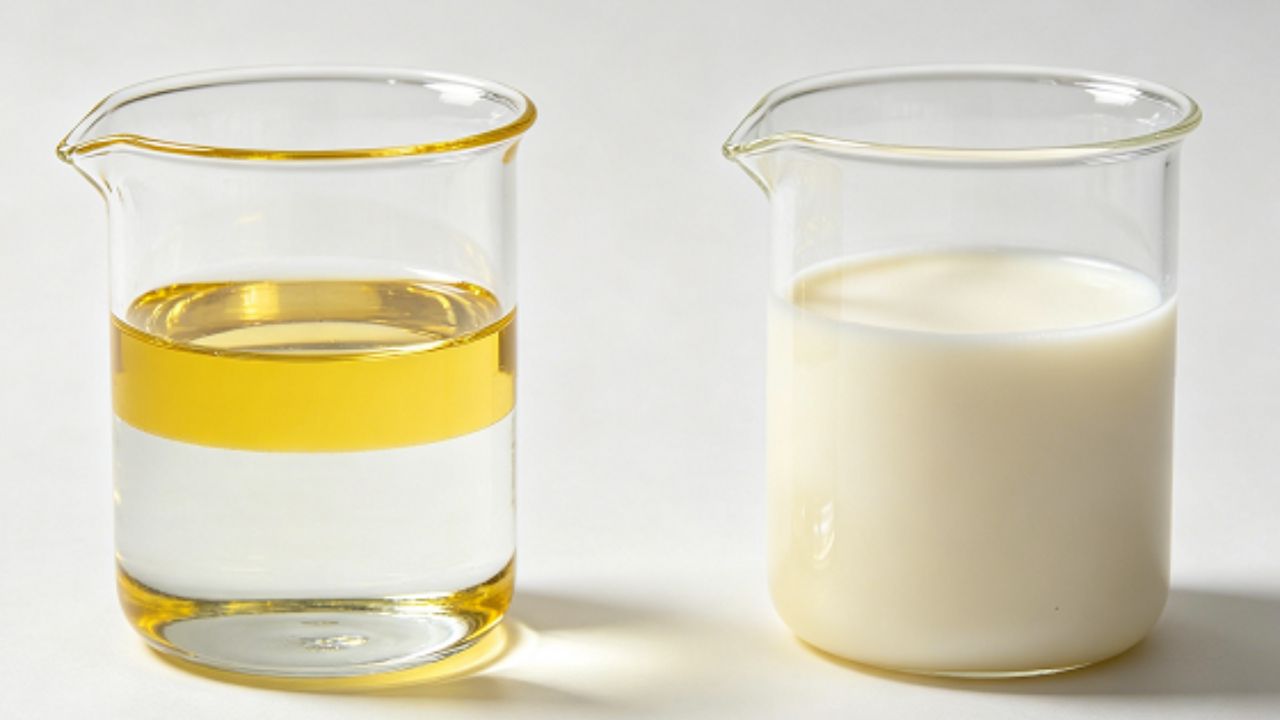
Lecithin can keep oil and water together.
Lecithin possesses a unique amphipathic molecular structure: a hydrophilic head (attracted to water) and a hydrophobic tail (attracted to oil).This unique structure allows lecithin to remain at the water-oil interface.By reducing surface tension, it enables water and oil to naturally blend, forming a uniform and stable mixed system.
In the industrialized production of food, oil-water separation is a primary cause of product spoilage and consumer complaints.Lecithin perfectly resolves this industry pain point and is widely utilized in margarine, salad dressings, mayonnaise, plant-based milk, and chocolate products.It effectively maintains product consistency, prevents issues such as stratification and sedimentation during storage and transport, and significantly enhances the shelf stability of the finished product.
Dispersibility & Wettability
Lecithin can make powders dissolve quickly.
Lecithin can coat the surface of powder particles, isolating them from moisture, reducing friction between particles, and making them more easily wetted by water.
Lecithin can be used in powdered foods such as protein powder, meal replacement powder, infant formula, and instant beverages.According to industry application data,adding just 0.2%-0.5% lecithin can significantly improve problems such as clumping, poor dispersibility, and slow dissolution.Thereby enhancing the consumer’s eating experience.
Anti-Staling & Freshness
Lecithin can keep baked goods soft longer.
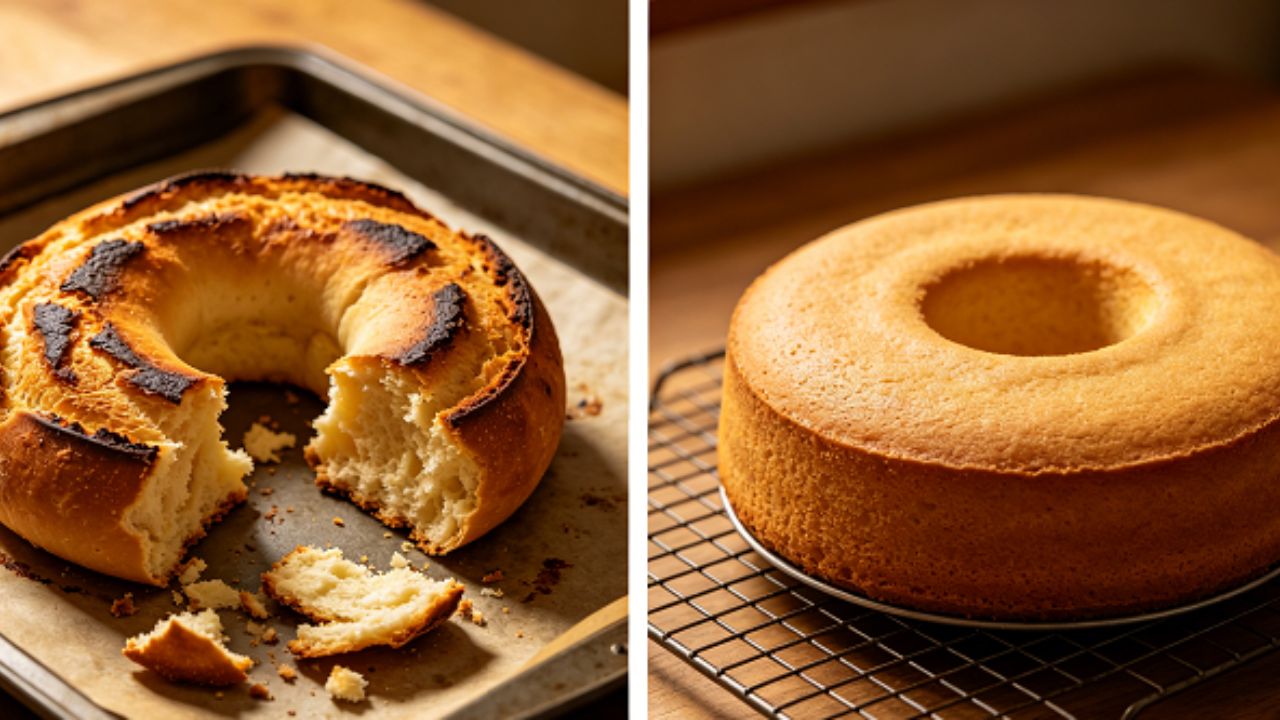
Starch retrogradation is the primary cause of bread, cakes, and soft pastries becoming hard, dry, and stale overnight.Lecithin interferes with starch retrogradation; through its interaction with amylopectin, it slows down the process of recrystallization.
Add lecithin equivalent to 0.1%–0.5% of the flour weight during the production of baked goods or frozen dough.It enables baked goods to retain a soft and delicate texture over the long term, reduces product loss resulting from short shelf lives, lowers spoilage costs for food manufacturers, and helps brands enhance the market competitiveness of their products.
Viscosity Reduction
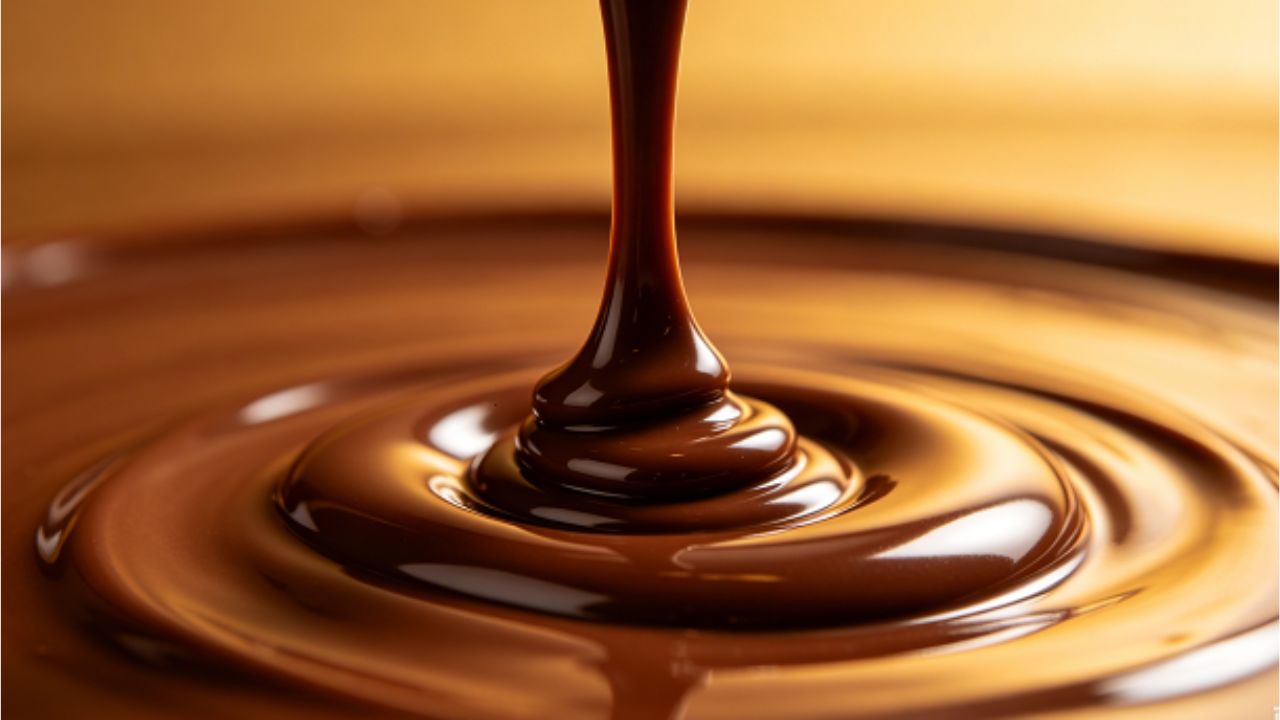
Lecithin can make chocolate flow smoothly.
In chocolate without added emulsifiers, problems like thick slurry, difficulty in mold filling, and poor glossiness of the finished product may occur.
With the addition of 0.3%–0.5% lecithin, chocolate achieves better flow characteristics, allowing pumping, mould filling, and coating steps to run more smoothly and efficiently.As a highly effective emulsifier, lecithin can replace part of the expensive cocoa butter that serves a lubricating function, optimizing costs while maintaining processing performance.Furthermore, it gives the chocolate a finer and more homogeneous mouthfeel, greatly enhancing the finished product’s smoothness on the palate and its shaping performance.
Release & Anti-Sticking
Lecithin can make baked goods come out cleanly.
During production, problems like baked products sticking to pans, candies adhering to molds, and processed cheese sticking to slicing machines can occur, resulting in product breakage, reduced production efficiency, and higher material loss.
Lecithin can be applied via spraying or direct addition to form a barrier layer between the product and the mold, thereby preventing sticking.As a natural, food-grade release agent, it greatly boosts finished product integrity, lowers rejection rates, streamlines equipment cleaning, and maximizes overall production efficiency in food facilities.
A Guide to Typical Applications of Lecithin in the Food Industry
| Application Scenario | Main Benefits | Recommended Form | Recommended Source | Typical Dosage |
| Bread / Baking | Anti-aging, preservation | Powdered | Soy / Sunflower | 0.1%–1.0% of flour weight |
| Chocolate | Viscosity reduction, smooth texture | Liquid | Soy | 0.3%–0.5% of total weight |
| Protein Powder | Instant solubility, anti-caking | Powdered | Sunflower (allergen-friendly) | 0.2%–0.5% of total formula |
| Salad Dressing / Mayonnaise | Emulsification, stability | Liquid | Soy / Sunflower | Approx. 1% |
FAQ
Q:What is the relationship between lecithin and triglycerides?
A:Lecithin and triglycerides coexist in the crude oils of oil-bearing crops such as soybeans and sunflower seeds; lecithin (a phospholipid) constitutes the colloidal component of the crude oil, while triglycerides (edible oil) form its primary bulk.
Q:What is the difference between soy lecithin and sunflower lecithin? How should I choose?
A:Both serve similar functions; the primary difference lies in the following: Soy lecithin is lower in cost, but it may raise concerns regarding allergens (soy) and GMOs; sunflower lecithin is allergen-friendly and non-GMO, though it comes at a slightly higher cost. Simply make your selection based on the labeling requirements of your target market.
Q:How do you choose between powdered and liquid lecithin?
A:The powdered form is suitable for dry blending (such as protein powders and baking premixes), while the liquid form is ideal for oil-based systems (such as chocolate and margarine). The two can be used interchangeably, though adjustments to the method of addition and dosage may be required.
Final Thought
In summary,Lecithin is a multifunctional, clean-label natural food ingredient that combines emulsifying, dispersing, freshness-preserving, viscosity-reducing, and anti-sticking properties; It is a core,irreplaceable ingredient in contemporary food processing.
Different application scenarios impose varying requirements regarding the form (powder/liquid) and source (soy/sunflower) of lecithin.Wondering which product is right for you? Soy lecithin or Sunflower lecithin ,check out our products page, or contact us to request a sample.