
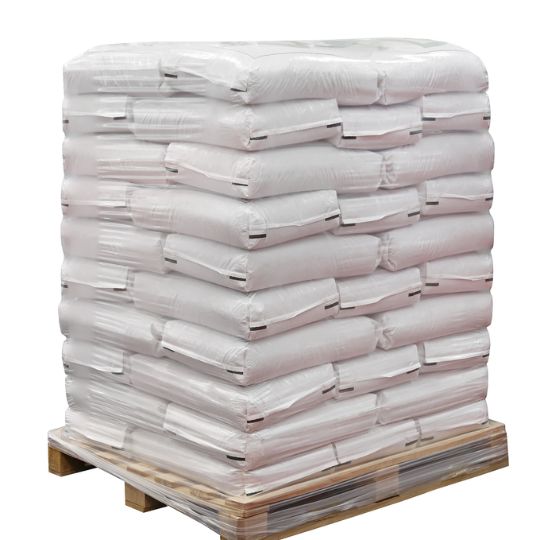
What is Tapioca?
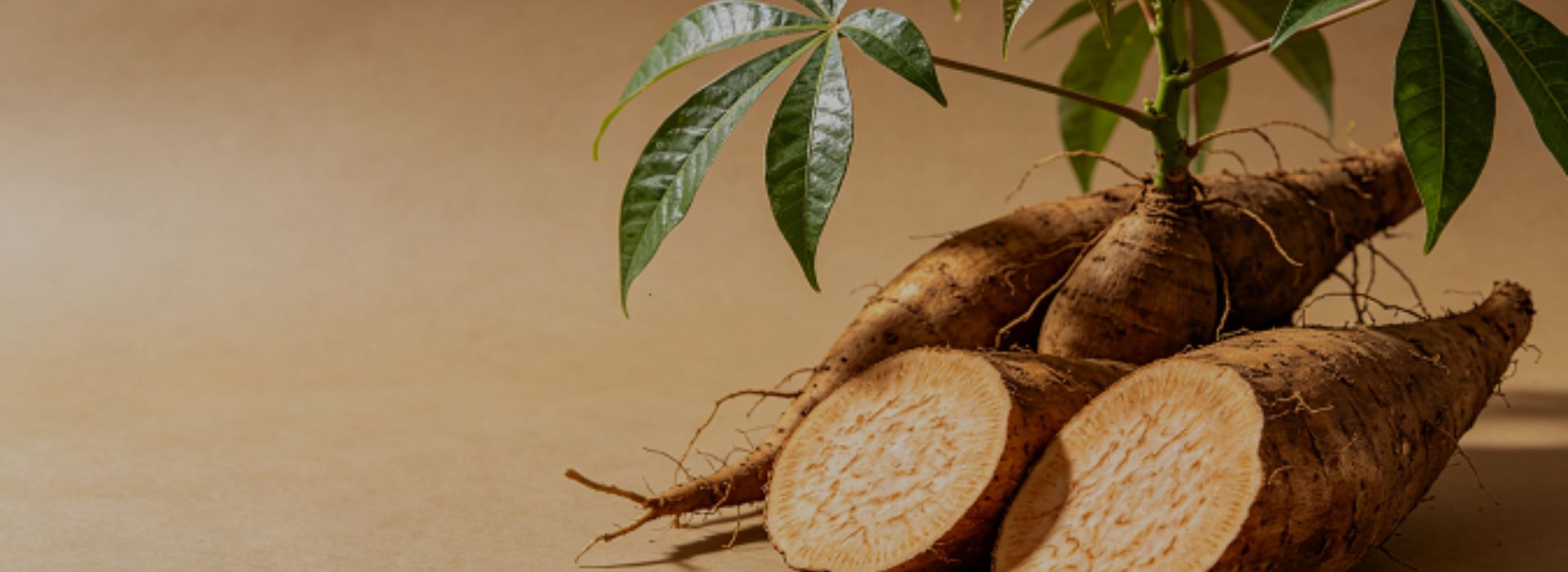
Tapioca flour (cassava starch) is derived from the tuberous roots of the cassava plant (fresh cassava).A natural powder refined through processes including peeling, detoxification, washing, and purification.It serves as a vital source of carbohydrate energy in tropical regions and an exceptionally versatile industrial raw material.Currently, Tapioca accounts for the largest share of usage in the food industry.
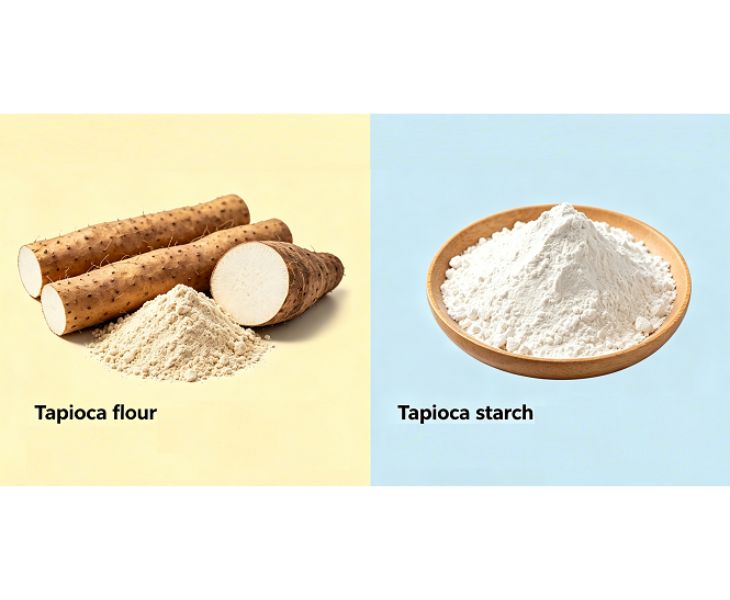
Two Types of Tapioca Flour in the Food Industry
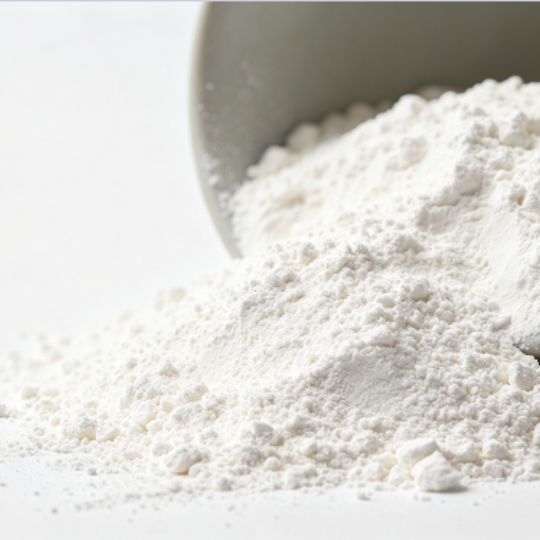
Tapioca Starch:It is pure starch from which fiber and protein have been removed.Snow-white in color, with a fine, delicate texture.It is transparent, chewy, and highly sticky. It can be used for boba pearls, taro balls, thickening, crystal dumpling wrappers, and gluten-free baking.
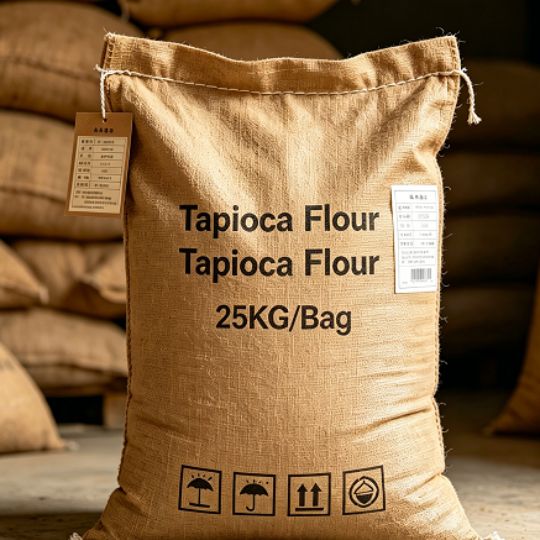
Tapioca Flour:It is produced by drying and grinding whole Tapioca roots, and contains a small amount of fiber.The color leans towards off-white, and the powder texture is slightly coarse.It possesses a faint, natural cassava flavor and is frequently used as a substitute for flour.
Why choose Highassay?
Highassay is a supplier of Tapioca from China; we supply high-quality Tapioca in various grades.
- Comprehensive Grade Coverage
Food, feed, and industrial grades of Tapioca flour—all available in one convenient location.
- Full Certifications
Shipped alongside the product, we provide: Tapioca Flour Certificate of Analysis (COA), Sanitary Certificate, Certificate of Origin, and other relevant documents.
- Flexible Packaging & Global Shipping
We offer customized packaging services and can ship to ports worldwide.
- Professional Advice
Tell me your mesh size and specific use, within 24 hours, I will recommend the grade best suited to your needs.
- Minimum Order
1 Ton;Low entry threshold, ideal for small to medium-batch trial orders.
Quick Links
For detailed specifications and quality inspection standards, please refer to the specific product pages.
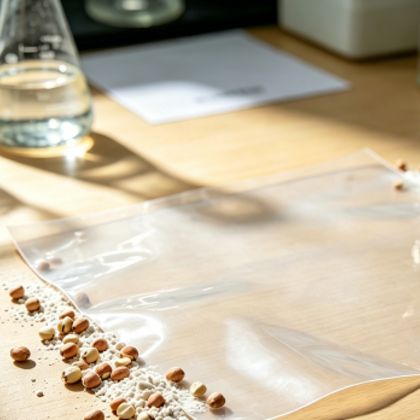
Applications of Tapioca
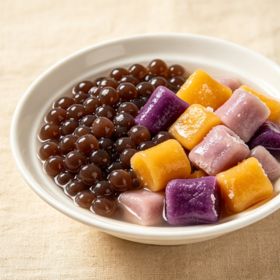
Food-grade Tapioca flour uses as a thickener, binder, gelling agent, and improver.It improves food clarity, elasticity, smoothness, and stability, while enhancing mouthfeel and molding performance.
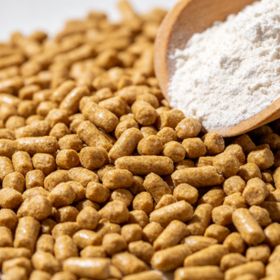
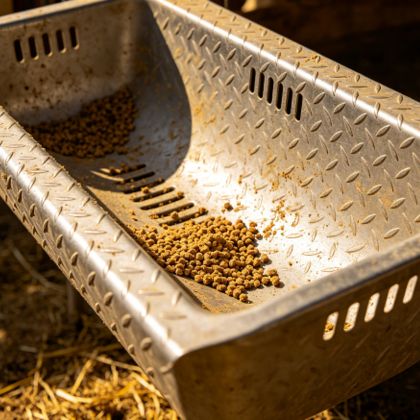
Feed-grade Tapioca flour can serve as a substitute for corn and soybean meal in livestock, poultry, and aquaculture feeds, providing energy and carbohydrates at a lower cost.
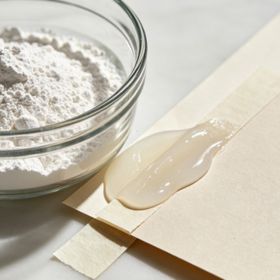
Industrial-grade Tapioca is a natural adhesive, filler, and biodegradable raw material.It has the characteristics of strong viscosity, easy gelatinization, renewability, and biodegradability.
Tapioca Specification Comparison Table
- Tapioca Specification Comparison Table
| Grade | Whiteness | Fineness | Main Applications | Typical Customers |
| Food Grade | ≥90% | 200 mesh | Tapioca pearls, pastries, thickening agent | Food manufacturers |
| Feed Grade | ≥70% | 60 mesh | Energy feed, adhesive | Feed mills |
| Industrial Grade | ≥85% | 120 mesh | Adhesives, paper making, biodegradable materials | Industrial users |
No. It is crucial to clearly distinguish between them, particularly during the export declaration process. This is true even though their applications within the food industry are quite similar.
Yes. Common substitutes for Tapioca starch include cornstarch, potato starch, and sweet potato starch. However, when used in products that require high elasticity and transparency—such as Tapioca pearls, taro balls, or crystal jellies—Tapioca starch cannot be completely replaced.
No. It is a naturally gluten-free ingredient. It is suitable for individuals with gluten intolerance or celiac disease, as well as for use in gluten-free food formulations.
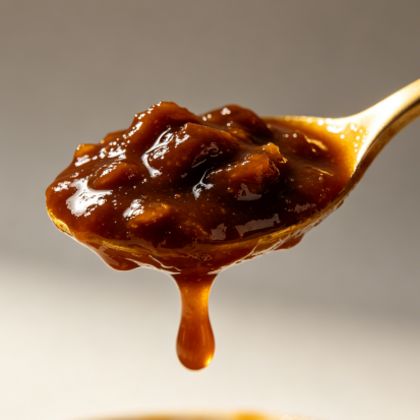
Tapioca Syrup: Produced using Tapioca starch as the raw material, this product is created by employing enzymatic hydrolysis to break down the starch into glucose and maltose, which is then concentrated into a viscous, sweet liquid.
Tapioca Maltodextrin: Derived from Tapioca starch, this product is a low-sweetness, highly soluble polysaccharide powder obtained through mild enzymatic hydrolysis.
Yes, Tapioca flour is a refined starch that primarily provides energy; it serves as a mild, easily digestible source of carbohydrates and offers certain benefits to the body. However, it is important to note that Tapioca flour contains almost no protein, fat, vitamins, or minerals, and therefore should not be consumed in isolation as a staple food over the long term.
The primary distinction between the two lies in whether or not they contain gluten.
Wheat flour contains gluten, which allows it to ferment, develop structure, become elastic (forming strands), and be used to make items like bread and steamed buns.
Tapioca starch, on the other hand, is gluten-free; it cannot ferment or form elastic strands, but when heated, it becomes transparent, chewy, and viscous.
Tapioca starch is easier to digest and gentler on the stomach.
Distinguishing Easily Confused Terms
One sentence summary:
Tapioca Starch vs. Sweet Potato Starch: Derived from different raw materials, Tapioca starch offers superior transparency and elasticity.
Tapioca Starch vs. Glutinous Rice Flour: Glutinous rice flour contains protein and possesses a distinct rice aroma, but it tends to harden upon cooling; Tapioca starch, being pure starch, offers a bouncy, chewy texture and does not easily become hard.
| Comparison Item | Tapioca Starch | Sweet Potato Starch | Glutinous Rice Flour |
| Raw Material | Cassava | Sweet Potato | Glutinous Rice |
| Transparency | High | Medium | Low |
| Elasticity | Chewy & Elastic | Moderate | Hardens easily when cooled |
| Protein | None | Low | Contains protein |
| Typical Applications | Tapioca pearls, thickening | Breading for fried foods | Mochi, glutinous rice balls |