

Basic Information of β-Cyclodextrin
- Product Name: β-Cyclodextrin
- English Aliases: β-CD, Beta-CD, Cycloheptaamylose, Beta-cyclodextrin, cyclohepta-saccharide, cyclomalthepta-saccharide
- Industry Abbreviation: β-CD
- Other Language Names: German: β-Cyclodextrin; French: β-Cyclodextrine; Japanese: β-シクロデキストリン
- CAS No.: 7585-39-9
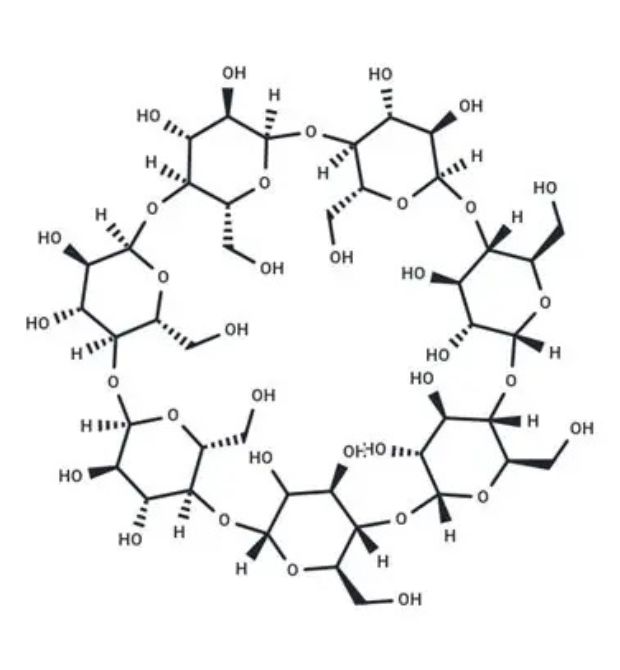
- Molecular Formula: C42H70O35
- Molecular Weight: 1134.99
- ENICES No.: 231-493-2
- Main Component: Cyclic oligosaccharide formed by 7 glucose units linked by α-1,4 glycosidic bonds
- Product Grade: Food grade, pharmaceutical grade, industrial grade, high purity (≥99.5%)
- Main Uses: Solubilization (for poorly soluble components), stabilization (for easily oxidized/volatile components), taste masking (for off-flavor components), sustained release (for active ingredients), emulsification (in water-oil systems)
Physicochemical Properties of β-Cyclodextrin
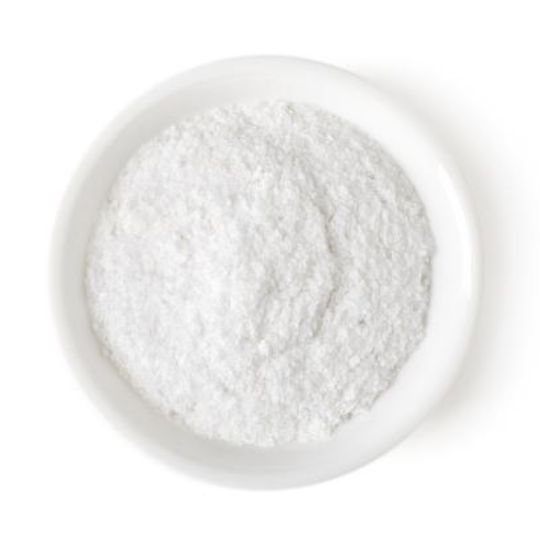
- Appearance and Odor: White to off-white crystalline powder, odorless and tasteless, slightly hygroscopic.
- Solubility: Poor water solubility (approximately 1.85 g/100 mL at 25°C), readily soluble in hot water, insoluble in organic solvents such as ethanol, ether, and chloroform.
- Melting Point: 290-305°C (decomposition temperature)
- Purity: Food grade ≥98%; Pharmaceutical grade ≥99%; Industrial grade ≥95%
- Density: 1.29 g/cm³ (25°C, solid)
- Stability: Stable under specified storage conditions; easily hydrolyzed by strong acids/alkalis; prone to clumping at high temperatures (>120℃).
- Environmental Characteristics:** Raw material starch is renewable; product is biodegradable; no environmental pollution; industrial grade can be used for wastewater treatment adsorption.
- Safety:** Non-allergenic and non-comedo-causing; safe for oral and topical use; only injectable grade requires modified derivatives (to avoid nephrotoxicity).
- Emergency Treatment:** Skin contact: Rinse with water; Ingestion: Drink plenty of water to promote metabolism; Inhalation: Move to a well-ventilated area; seek medical attention if necessary.
Supplementary Technical Details for β-Cyclodextrin
- Production Method: Made from starch (corn starch, potato starch) through enzymatic hydrolysis with cyclodextrin glucosyltransferase (CGT enzyme), separation, purification, crystallization, and drying.
- Acute Toxicity (LD50): Oral LD50 in rats > 20000 mg/kg (virtually non-toxic); skin irritation test shows no irritation; excellent biocompatibility.
- Chronic Toxicity: No cumulative toxicity with long-term use; no mutagenicity or carcinogenicity; most oral products are excreted unchanged in feces; extremely low nephrotoxicity (injectable grade requires derivatives).
- Upstream and Downstream Products (Raw Materials): Starch (corn/potato), cyclodextrin glucosyltransferase (CGT enzyme), purified water.
- Upstream and Downstream Products (Downstream): Food stabilizers, drug inclusion complexes, cosmetic active ingredient complexes, industrial catalyst carriers.
- Quality Standard: Food grade conforms to GB standards. 2760; Pharmaceutical grade meets all pharmacopoeia testing requirements; Industrial grade meets enterprise internal control standards.
- Testing methods: Purity: High-performance liquid chromatography (HPLC); Heavy metals: Atomic absorption spectrometry; Microorganisms: Plate count method
- Transportation method: Ambient temperature transportation (moisture-proof packaging recommended in summer); Supports express delivery, logistics, and cross-border transportation (subject to destination regulations).
- Payment methods: T/T (telegraphic transfer), L/C (letter of credit), Alipay/WeChat (small orders), supports 30% prepayment + 70% balance.
- Certification: Complies with EU EC No. 1334/2008 Food Additives Regulation and US FDA 21 CFR 184.1975 compliance requirements.
- Technical support: Provides product application formulation references, inclusion process optimization suggestions, and customized product development services.
Highassay’s β-Cyclodextrin
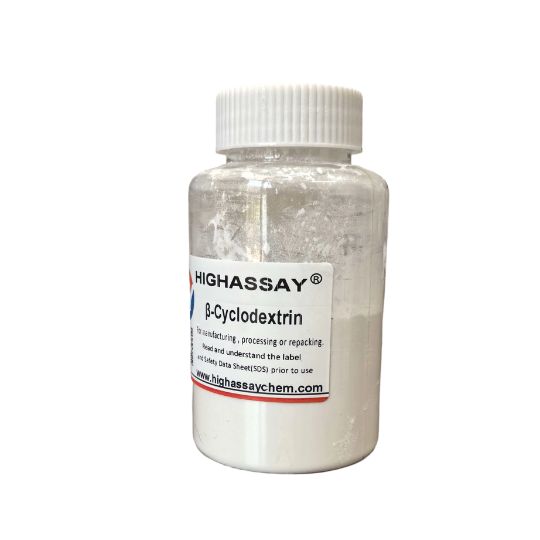
- Highassay is a β-Cyclodextrin supplier from China, offering various grades of β-Cyclodextrin raw materials.
- β-Cyclodextrin is a molecule composed of seven glucose units with a moderate lumen diameter. It is also the most cost-effective and widely used type of natural cyclodextrin.
- The production process of β-Cyclodextrin is relatively simple and readily available, making it the cheapest and most readily available cyclodextrin on the market.
- The core functions of β-Cyclodextrin can be summarized into five categories: solubilization, stabilization, flavor masking, sustained release, and emulsification. The emphasis varies depending on the application area.
- As a processing aid in the food industry, the unlimited use of β-Cyclodextrin gives it a rare position in the field of food additives.
- β-Cyclodextrin is the mainstay for oral, topical, and food processing applications. However, due to its poor water solubility, nephrotoxicity, and lumen mismatch, β-cyclodextrin needs to be replaced with γ-cyclodextrin or synthetic derivatives when used in injectable formulations or for very large molecules.

Packaging and Storage of β-Cyclodextrin
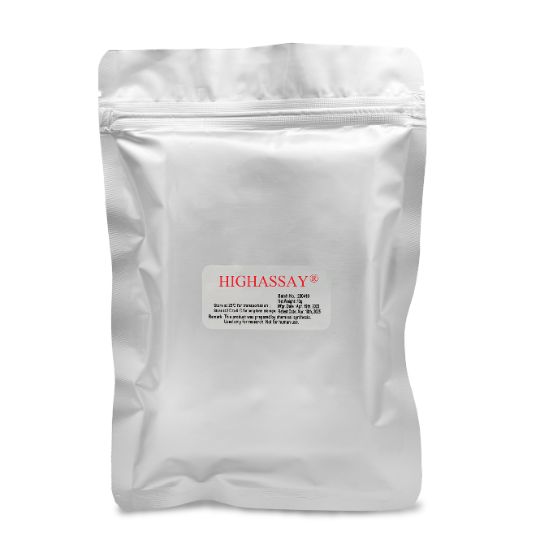
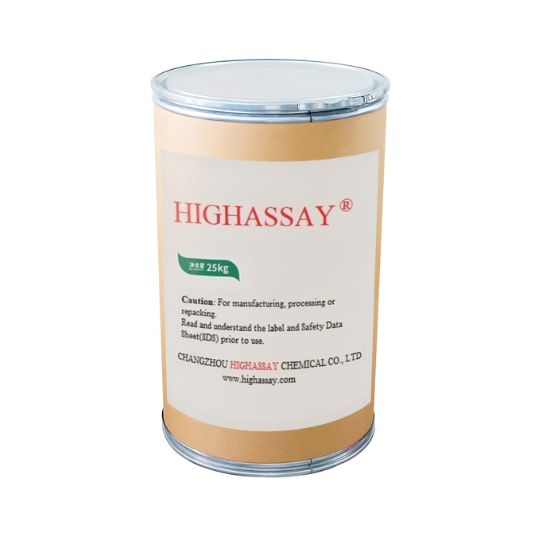
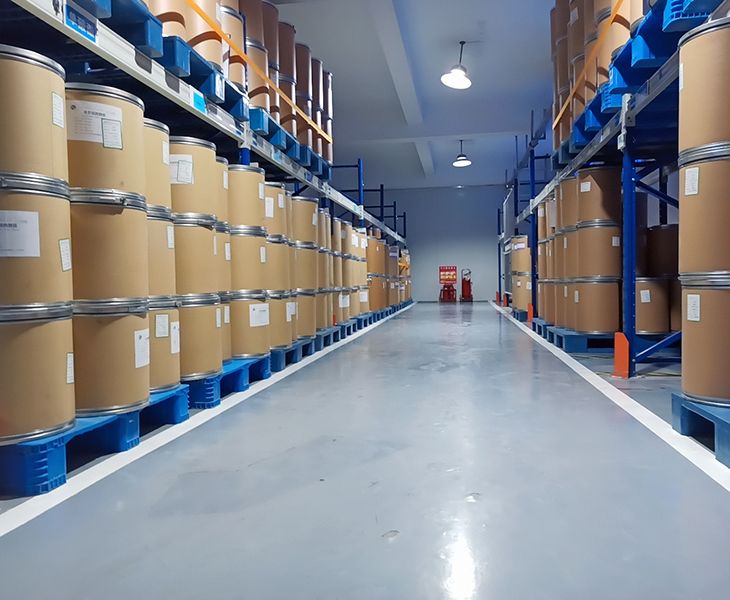
- Packaging: 1kg/aluminum foil bag (food grade), 5kg/vacuum bag, 25kg/cardboard drum (lined with food-grade PE bag), small packaging available upon request.
- Storage: Store in a cool, dry place, sealed (temperature ≤25℃, relative humidity ≤60%), away from light, moisture, and odors.
- Shelf Life: 24 months unopened (from the date of production), recommended to use within 3 months after opening.
- CAS No.: 7585-39-9
- Molecular Formula: C42H70O35
- Molecular Weight: 1134.99
- Standards: ISO9001 quality management system certified; some products are FDA GRAS, HALAL, and KOSHER certified.
- Precautions: Avoid storage with strong oxidants, strong acids, and strong alkalis; wear a dust mask during handling to prevent dust inhalation; not suitable for injectable formulations (requires hydroxypropyl-β-cyclodextrin or other derivatives).
- After-sales Service: Provides COA analysis report, MSDS safety instructions; provides application technical guidance.
- β-Cyclodextrin Testing Standards
| CAS NO. | 7585-39-9 |
| Test Standard | CP2020 |
| Test Items | Indicators |
| Appearance | White crystals or crystalline powder, odorless, slightly sweet taste; slightly soluble in water, practically insoluble in methanol, ethanol, acetone, or ether. |
| Specific Rotation | Should be +159°﹏+164° |
| Identification | Iodine test solution reaction: Produces a yellowish-brown precipitate. |
| HPLC | The retention time of the main peak in the test solution is consistent with that of the reference solution. |
| IR | The infrared absorption spectrum of this product is consistent with that of the reference standard. |
| pH | pH 5.0﹏8.0 |
| Clarity and Color of Solution | The solution should be clear and colorless; if turbid, it should not be more concentrated than the No. 2 turbidity standard solution. |
| Reducing sugar | ≤1.0% |
| Loss on drying | ≤14.0% |
| Residue on ignition | ≤0.1% |
| Heavy metals | Not exceeding 10 parts per million |
| Content | 98.0%–102.0% |
| Microbiological limits | Total aerobic bacteria ≤1000 CFU/g |
| Total mold and yeast | ≤100 CFU/g |
| Escherichia coli | Not detectable |
Applications of β-Cyclodextrin
Industrial-grade β-Cyclodextrin
- Industrial-grade β-Cyclodextrin can be used in petrochemical separation, such as the selective recovery of acetophenone, which helps solve the problem of separating substances with similar boiling points that are difficult to separate using traditional distillation.
- Industrial-grade β-Cyclodextrin can be used in environmental remediation and wastewater treatment, for example, by adsorbing organic pollutants.
- Industrial-grade β-Cyclodextrin can be used as an oilfield chemical, for example, its rigid and stable structure and adsorption capacity can significantly improve wellbore stability in deep well drilling.
- Industrial-grade β-Cyclodextrin can be used in agricultural production and is becoming a key technology platform for developing bio-friendly agriculture and agricultural materials, helping to solve three core problems in agricultural production: low pesticide utilization, difficulty in removing biofilms, and instability of active ingredients.
- Industrial-grade β-Cyclodextrin can be used as a general chemical auxiliary agent and in analytical chemistry, serving as a highly efficient separation tool and complexing agent in laboratory research and fine chemicals.
Cosmetic-grade β-cyclodextrin
Cosmetic-grade β-cyclodextrin can be used directly as a natural functional excipient in the cosmetics industry, suitable for the production of all categories of cosmetics, including skincare, makeup, and personal care products. It effectively solves key problems in cosmetic production such as the poor solubility of fat-soluble components, the easy degradation of active ingredients, the volatility of fragrances, and unpleasant odors.
Food-grade β-Cyclodextrin
- Food-grade β-Cyclodextrin is used as an additive in baking and beverage products. It can encapsulate flavor and color molecules, prolonging the aroma and maintaining the color of the product. For example, it helps improve the cloudiness of tea at low temperatures.
- Food-grade β-Cyclodextrin can be used in dairy products (for cholesterol removal and eliminating fishy smells, improving taste) and meat products (as a packaging material for preservation, maintaining meat quality and color).
- Food-grade β-Cyclodextrin can be used as an auxiliary ingredient in functional foods, providing emulsification and stabilization. For example, it can be used in Antarctic krill oil emulsions (solving problems of strong fishy smell and poor water solubility) and gluten-free rice bread (improving water retention and delaying aging).
Pharmaceutical-grade β-Cyclodextrin
- Pharmaceutical-grade β-Cyclodextrin can be used in the preparation of various oral formulations. It not only solves the problems of poor drug dissolution and taste in oral solid dosage forms, improving bioavailability, but also optimizes the stability of oral liquid dosage forms, solving the problems of layering and degradation.
- Pharmaceutical-grade β-Cyclodextrin can be used as a medical excipient in injectable and topical formulations, solving the water solubility problem of poorly soluble drugs in injectable formulations and reducing their irritation; in topical formulations, it enhances transdermal absorption and improves local efficacy.
- As a key excipient added to important formulations, pharmaceutical-grade β-Cyclodextrin can solve many industry pain points, such as easy loss of volatile oils, poor solubility of active ingredients, poor formulation stability, and unpleasant taste.
- Pharmaceutical-grade β-Cyclodextrin is also a key excipient in biopharmaceutical formulations and specialty formulations, playing an irreplaceable role in fields such as new drug development.
Get an Instant Quote Now