

Basic Information of Zinc Selenite
- Product Name (English): Zinc Selenite
- English aliases: Zinc selenite(IV), Zinc(II) selenite
- Industry Abbreviations: ZnSeO3
- Other language names: Sélénite de zinc (French), Zinkselenit(IV) (German), Selenito de cinc(IV)(Spanish),Селенит цинка(IV)(Russian),셀레늄산아연(IV)(Korean),سيليينيت الزنك (IV)(Arabic)
- CAS number: 13597-46-1
- EINECS number: 237-048-9
- Hazard class: 6.1 (Toxic substances)
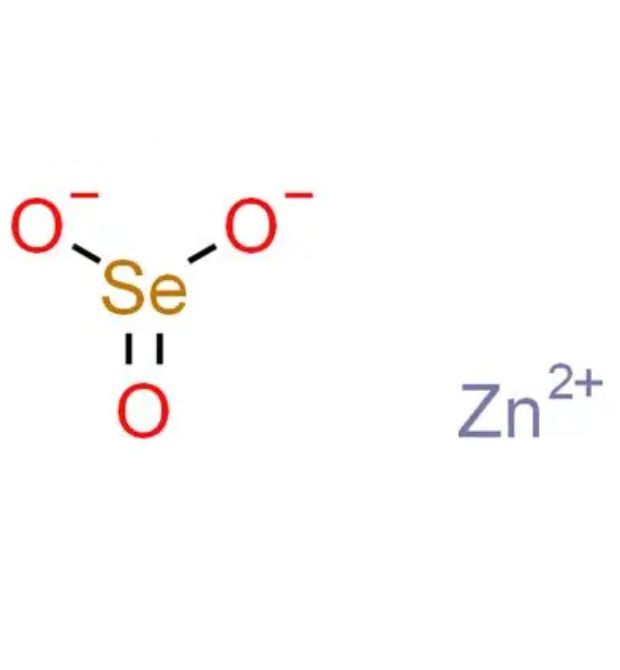
- Molecular formula: ZnSeO3
- molecular weight: 192.36 g/mol
- Product Grade: Industrial grade, Electronic grade, Analytical reagent (AR)
- Main uses: Transparent conductive films, photovoltaic cell materials, ceramic and glass coloring agents, electronic ceramics
Physicochemical Properties of Zinc Selenite
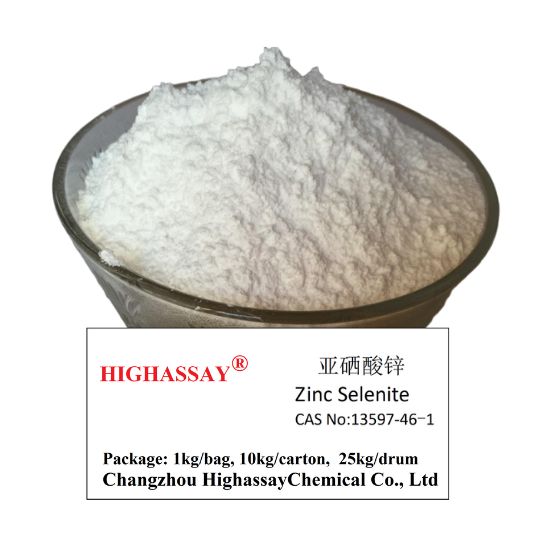
- Appearance and smell: White crystalline powder, odorless
- Solubility: Slightly soluble in water, soluble in dilute acids
- Boiling point: Decomposes at high temperature
- Melting point: Decomposes before melting
- Density: 5.42 g/cm³
- Moisture absorption: Non-hygroscopic
- Purity: 98% min (industrial grade), 99.5% min (electronic grade)
- Toxicity: Highly toxic if swallowed or inhaled
- Stability: Stable under normal conditions, avoid contact with reducing agents and organic matter
- Particle size: 100-200 mesh (industrial grade), 200-300 mesh (electronic grade)
Supplementary Technical Details for Zinc Selenite
- Production methods: Precipitation method (zinc sulfate + sodium selenite)
- Acute toxicity (LD50): Not available
- Chronic toxicity: May cause selenium poisoning with long-term exposure
- Upstream and downstream products (raw materials): Zinc sulfate, sodium selenite, zinc oxide
- Upstream and downstream products (downstream): Conductive films, photovoltaic materials, ceramic pigments
- Quality Standards: Enterprise standard, GB/T 23942-2009 (modified)
- Detection methods: Atomic absorption spectrometry, X-ray fluorescence spectroscopy
- Transportation methods: Road transport, sea transport (complies with IMDG code for toxic substances)
- Payment methods: T/T, L/C
Packaging and Storage of Zinc Selenite
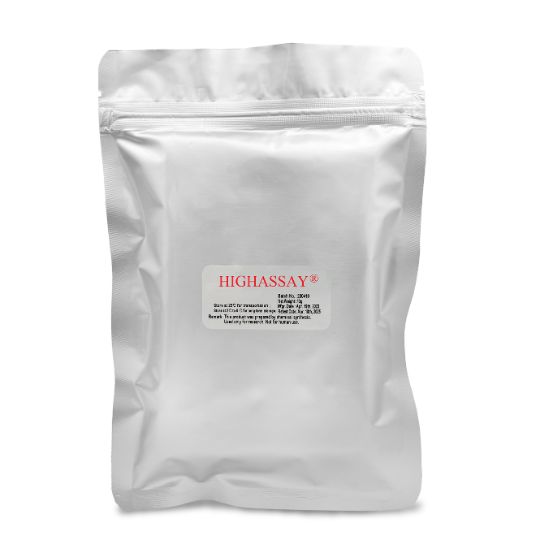
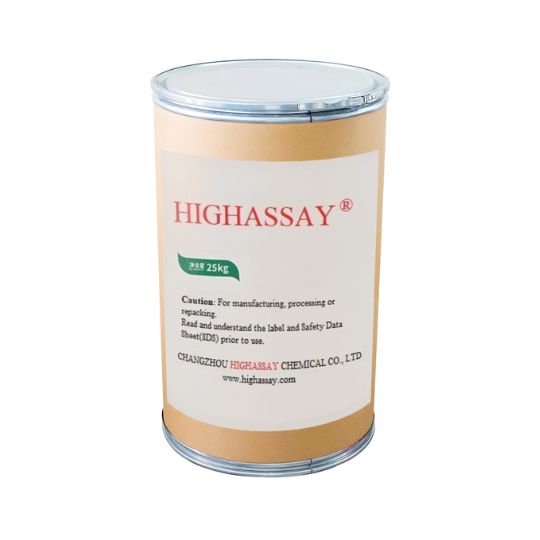
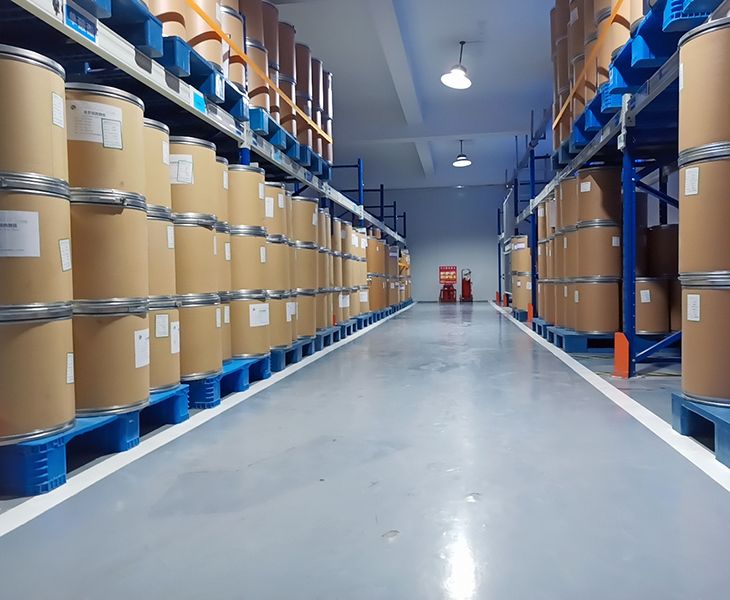
- Packaging: 1 kg vacuum-sealed aluminum foil bags, 25 kg fiber drums with double plastic liners
- Storage: Store in cool, dry, well-ventilated warehouse; keep away from food, feed and reducing agents
- Shelf Life: 24 months when stored properly in original packaging
- CAS number: 13597-46-1
- Molecular formula: ZnSeO3
- molecular weight: 192.36 g/mol
- Implementation Standards: Enterprise standard, GB/T 23942-2009 (modified)
- Precautions: Wear full protective equipment during operation; use in well-ventilated environment
- After-sales service: Quality testing report, technical support, safety data sheet (SDS)
Applications of Zinc Selenite
Colorants and modifiers for ceramics and glazes
Industrial-grade Zinc Selenite can provide unique red hues for ceramics and glazes.Furthermore, it can promote the processability of the glaze and the physicochemical properties of the glaze surface.Not only does it present a visually appealing appearance, but the product is also sturdy and durable.
Clarifying and decolorizing agents for the glass industry
Industrial-grade Zinc Selenite plays two roles simultaneously in glass manufacturing:
Physical function: Clarifying agent —— removes tiny air bubbles from the molten glass, improving the transparency and appearance of the finished glass product.
Chemical and optical effects: Decolorizing agents —— neutralize iron impurities in the glass raw materials, producing a visually white or colorless effect.
Industrial-grade Zinc Selenite is widely used in glass products that require extremely high transparency and color purity, such as optical glass and crystal glass.
Raw materials for the preparation of functional materials
- High-purity Zinc Selenite is the core raw material for extracting zinc selenide.Zinc selenide is a key functional material for manufacturing top-tier infrared optical materials.The resulting infrared optical materials will be used in fields such as infrared imaging systems and high-power lasers.
- Zinc Selenite is a raw material for transparent conductive films (a thin film material that possesses both high optical transparency and good electrical conductivity).It provides an important source of selenium and zinc.
- Electronic-grade Zinc Selenite is a raw material used in the production of zinc selenide buffer layers in thin-film solar cells.Ultra-high purity and extremely low impurity levels ensure high efficiency and high stability of the battery.