

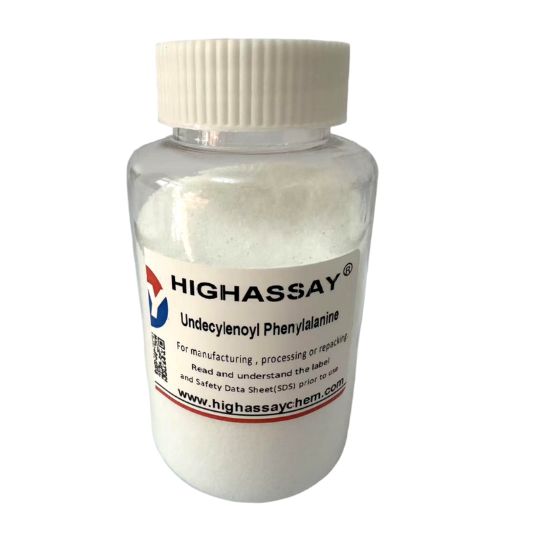
Basic Informations of Undecylenoyl Phenylalanine
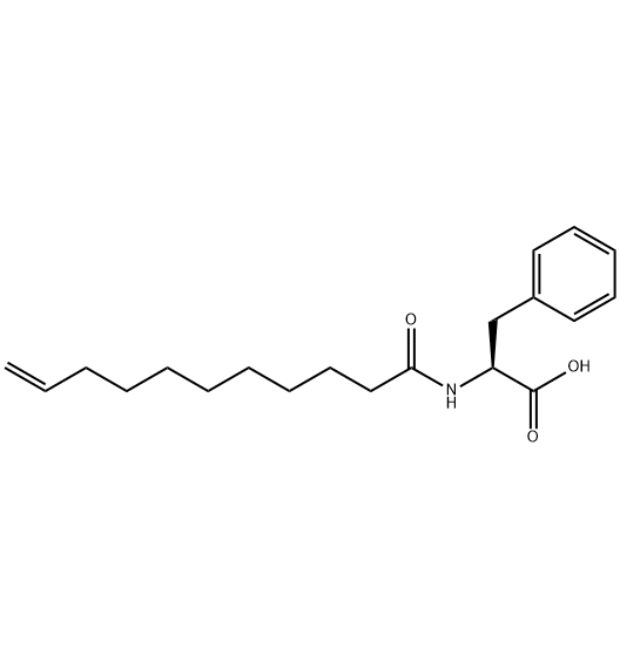
- Product Name: Undecylenoyl Phenylalanine
- English Aliases: N-Undecylenoyl-L-phenylalanine, Undecenoyl Phenylalanine, Acylamine, N-(1-oxo-10-undecenyl)-L-phenylalanine
- Industry Abbreviation: UPA, Undecylenoyl Phenylalanine
- Molecular Formula: C₂₀H₂₉NO₃
- Molecular Weight: 331.45 g/mol
- CAS Number: 175357-18-3
- Product Grade: Cosmetic Grade (Mainstream), High-End Cosmetic Grade (Luxury Brands), Industrial Grade (Daily Chemical Additives)
- Main Uses: Whitening active ingredient in cosmetics, whitening raw material for sensitive skin, post-medical aesthetic repair excipient, daily chemical additives
Physicochemical Properties of Undecylenoyl Phenylalanine
- Appearance and Odor: White to off-white powder, odorless or with a slight characteristic amino acid odor.
- Solubility: Slightly soluble in water (approximately 0.5 g/L at 25°C), readily soluble in ethanol, propylene glycol, and glycerol; soluble in dilute alkaline solutions.
- Boiling Point: Decomposition temperature > 280°C (no definite boiling point; amide bond cleavage occurs at high temperatures).
- Melting Point: 118-122°C (determined by differential scanning calorimetry, DSC peak temperature).
- pH Value (1% propylene glycol solution): 5.5-6.5 (…) Weakly acidic, suitable for the skin’s surface pH environment.
- logP (oil-water partition coefficient): 4.8 (octanol/water system, 25℃), possessing both hydrophilic and lipophilic properties, easily penetrating the stratum corneum.
- Whitening activity: In vitro experiments: at a concentration of 1.0%, it inhibits tyrosinase activity by ≥65% and reduces melanin production by ≥40%.
- Other properties: Excellent compatibility with whitening ingredients such as niacinamide, vitamin C derivatives, and arbutin, synergistically enhancing whitening effects; non-photosensitive.
- Stability: Stable within the pH range of 4.5-8.5; may undergo oxidative degradation upon contact with strong oxidants (such as peroxides).
Supplementary Technical Details for Undecylenoyl Phenylalanine
- Production Method: Undecenoyl chloride is acylated with L-phenylalanine in an alkaline aqueous solution, followed by acidification, crystallization, and recrystallization purification.
- Acute Toxicity (LD50): Oral LD50 in rats: >20000 mg/kg (actually non-toxic); Skin Irritation: Non-irritating (negative human patch test).
- Chronic Toxicity: High safety for long-term skin contact, complies with EU EC 1223/2009 cosmetics regulations, with no reports of sensitization or mutagenicity.
- Upstream and Downstream Products (Raw Materials): Upstream: Undecenoyl chloride (industrial grade ≥98%), L-phenylalanine (pharmaceutical grade ≥99%), sodium hydroxide (reagent grade).
- Environmental Characteristics: Biodegradability ≥90% (OECD) (Compliant with 301B standard), non-environmentally cumulative, belonging to environmentally friendly whitening raw materials.
- Shipping Method: Samples: Room temperature express; Bulk: Land/Air freight (selected according to customer’s region, no cold chain required)
- Payment Method: Samples: Payment in advance; Bulk: 30% deposit in advance, balance due before shipment (negotiable for long-term cooperation)
- Certifications: ISO9001 Quality Management System Certification, GMP Cosmetic Production Standards, EU ECOCERT Natural Certification
- Technical Support: Provides formula dissolution solutions, stability testing guidance, and whitening efficacy verification data support (24-hour response)
Packaging and Storage of Undecylenoyl Phenylalanine
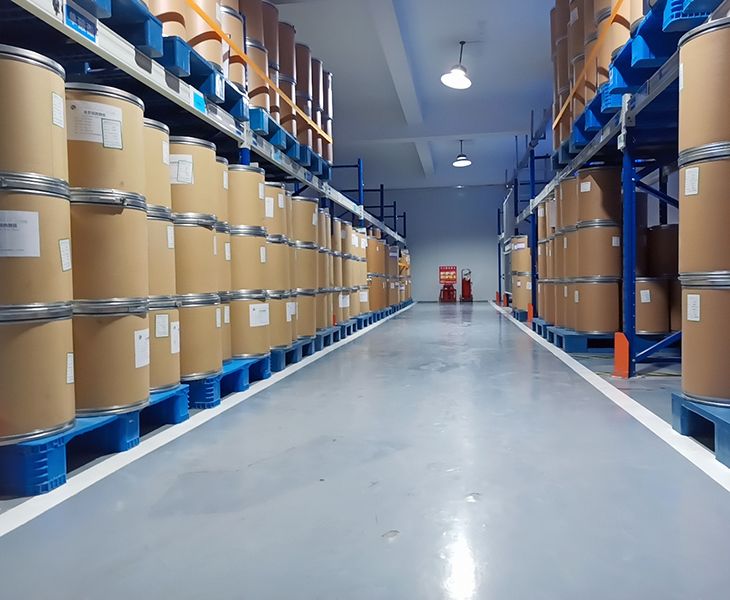
- Packaging: 100g/aluminum-plastic composite bag, 1kg/sealed aluminum can, 25kg/cardboard drum (lined with food-grade polyethylene film), customization available.
- Storage: Store in a cool, dry place (temperature ≤25℃, relative humidity ≤60%), sealed and protected from light, heat, and strong oxidants.
- Shelf Life: 24 months unopened, recommended to use within 6 months after opening.
- CAS No.: 175357-18-3
- Product Characteristics: Whitening and freckle removal, inhibits tyrosinase, low irritation, suitable for sensitive skin, excellent biocompatibility.
- Usage Restrictions: Recommended addition amount in cosmetics: 0.5%-2.0% (excessive amounts have no additional whitening effect); avoid mixing with strong acids (pH < 4).
- Precautions: Wear a dust mask during handling; when dissolving, it is recommended to pre-dissolve in propylene glycol before adding the aqueous phase; avoid storing with strong oxidants.
- After-sales Service: Provides COA analysis report, MSDS safety data sheet, and whitening activity test report.
Applications of Undecylenoyl Phenylalanine
- Pharmaceutical-grade Undecylenoyl Phenylalanine can be used as an active ingredient in topical preparations, primarily for adjunctive treatment of pigmentary skin conditions, such as combined treatment of melasma and post-inflammatory hyperpigmentation.
- Pharmaceutical-grade Undecylenoyl Phenylalanine is a core excipient in post-medical aesthetic procedures, used to address post-operative hyperpigmentation.
- Cosmetic-grade Undecylenoyl Phenylalanine is a key ingredient in whitening serums, spot-fading creams, and whitening masks. It reduces melanin production at its source by mimicking melanin signals and binding to melanocyte receptors.
- Cosmetic-grade Undecylenoyl Phenylalanine is a core ingredient in whitening lotions and gentle whitening toners specifically for sensitive skin. It has a low-irritation whitening effect, which can lead to skin redness.
- Cosmetic-grade Undecylenoyl Phenylalanine can be added as an adjunct ingredient to daytime products with tinting or brightening functions, such as makeup primers and sunscreens, to help prevent melanin deposition.
- Industrial-grade Undecylenoyl Phenylalanine is primarily used in research, low-cost formulation trials, or basic products where efficacy requirements are not high.
Get an Instant Quote Now