

A Brief Introduction to Bis-Ethylhexyloxyphenol Methoxyphenyl Triazine
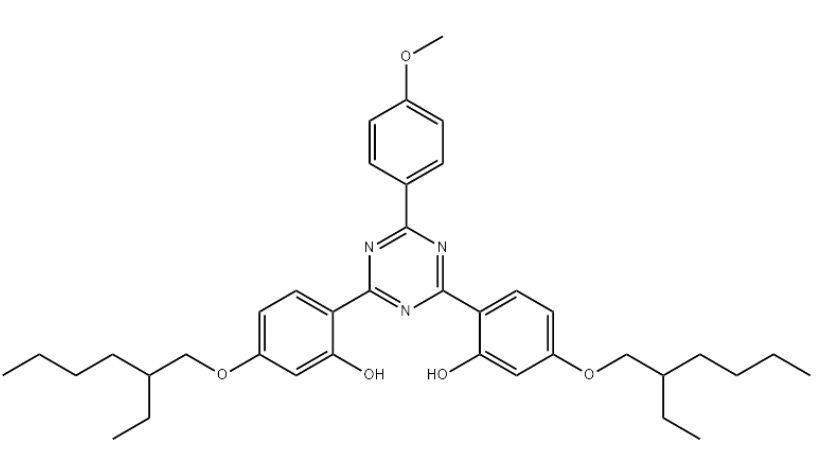
Molecular Formula:C38H49N3O5
Molecular Weight:627.8211
CAS No.:187393-00-6
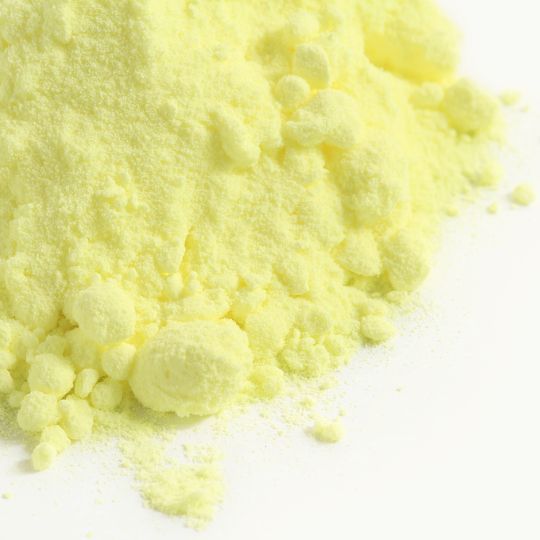
Appearance:Light yellow powder
Regular commercial package: 25kg/drum
Synonym: Tinosorb S; Bemotrizinol
What is Bemotrizinol?
Bis-Ethylhehexyloxyphenol Methoxyphenyl Triazine, also known as Tinosorb S, Bemotrizinol, is a triazine-based ultraviolet absorber. This synthetically produced chemical sunscreen absorbs ultraviolet energy and converts it into harmless heat, thus protecting the skin. Bis-Ethylhexyloxyphenol Methoxyphenyl Triazine has become an internationally recognized high-end, highly effective, and safe broad-spectrum organic sunscreen, and is an important component in many sunscreen products.
Highassay’s Tinosorb S
Highassay’s Tinosorb S raw material is a light yellow powder. As an indispensable ingredient in sunscreen products, Highassay’s Tinosorb S boasts a purity of up to 99% and is subject to extremely strict control over specific impurities. An MSDS is provided with the product. Highassay can provide you with a stable supply and corresponding technical support. Choosing Highassay’s Tinosorb S raw material for the production of high-end sunscreens and skincare products will safeguard the quality of your products.
Applications of Tinosorb S
Tinosorb S can be added to almost all cosmetic and skincare products that require sun protection ingredients.
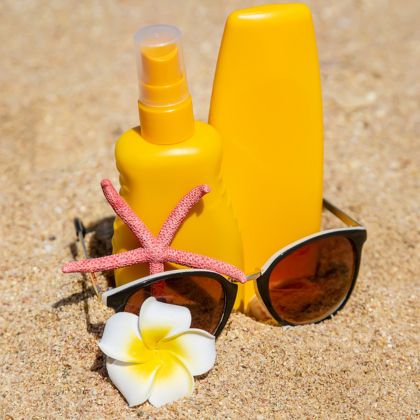 Sunscreen/Sunscreen Spray
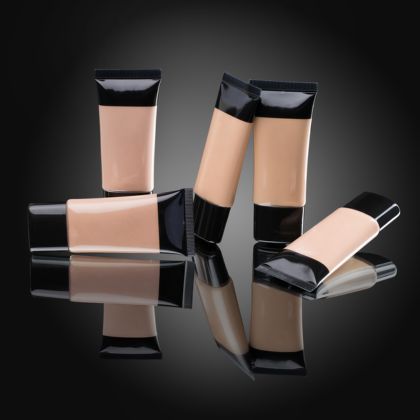 Day Cream/Primer
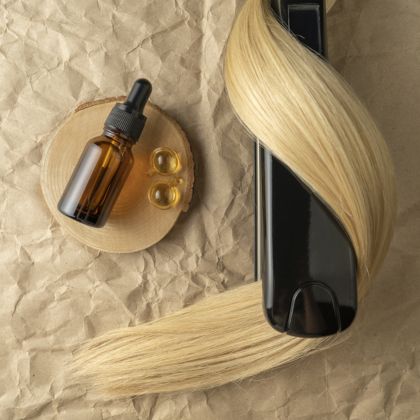 Hair Oil/Hair Spray
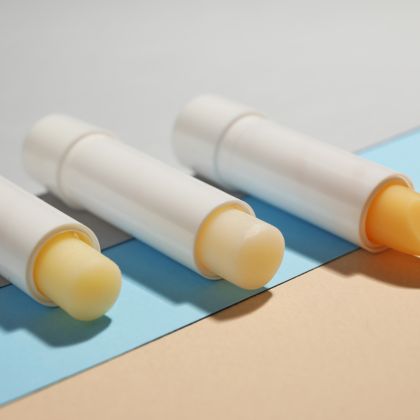 Lip Products
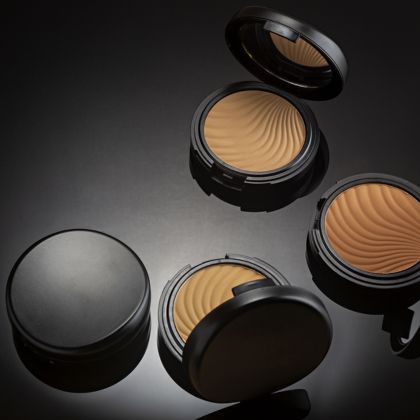 Foundation/Pressed Powder
Tinosorb S - Safety
Tinosorb S has a relatively large molecular weight and is hardly absorbed by the skin, generally remaining on the skin’s surface. It works by absorbing ultraviolet light and converting it into heat, thus providing UV protection.
- To date, there are no studies or evidence showing that Tinosorb S is carcinogenic.
- Tinosorb S is safe for pregnant women.
- Because it is not absorbed by the skin, it is safe for the skin.
- Suitable for sensitive skin, but it is recommended to perform a patch test before use.
- Tinosorb S is also relatively safe for coral reefs and will not cause harm to coral reefs like some chemical sunscreens, such as benzophenones and methoxycinnamate esters.
Tinosorb S - Broad Spectrum
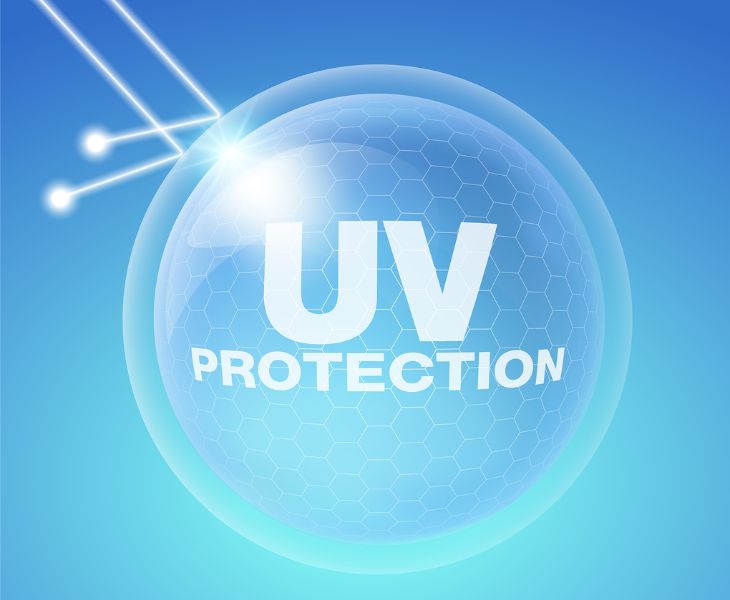
We know that there are two main types of ultraviolet (UV) rays that are harmful to the skin: UVB (medium-wave ultraviolet radiation, which causes sunburn, redness, and peeling) and UVA (long-wave ultraviolet radiation, which causes tanning, wrinkles, age spots, and sagging). Both types of UV radiation are also among the causes of skin cancer.
- Unlike medium-wave ultraviolet radiation, long-wave ultraviolet radiation has stronger penetration and is more likely to reach the dermis. Tinosorb S provides better protection against UVA.
- Tinosorb S has a broad absorption spectrum, with strong absorption in the 290-370 nanometer wavelength range, especially at two peaks: 310 nanometers and 343 nanometers.
Tinosorb S ----- Strong Adaptability
The powerful Tinosorb S can compensate for the shortcomings of other ingredients through its own advantages. When used in combination with other UV absorbers, it can effectively increase the SPF value and absorption range, making the product more appealing to consumers.
- It can be used in combination with zinc oxide. This combination of chemical and physical sunscreens provides multiple levels of protection against UV absorption and blocking.
- It can be used in combination with Tinosorb M. This is considered the perfect combination for top-tier sunscreens.
- It can be used in combination with Mexoryl SX and Mexoryl XL, which not only enhances the sun protection effect but also avoids undesirable skin application experiences such as a chalky, heavy feeling.
- It is compatible with other cosmetic ingredients, whether in sunscreens, day creams, foundations, lip products, or other products.


Tinosorb S -----Sunscreen
- Whether it’s European sunscreenor Korean sunscreen, or even sunscreens from anywhere else in the world (except the United States), Tinosorb Sholds an irreplaceable position.
- During the product manufacturing process, as long as the concentration of TinosorbS is within the specified range (≤10%), it is generally safe, and the probability of side effects is extremely low.
- Tinosorb S possesses excellent photostability and safety, providing products with long-lasting basic sun protection.
No, because the US FDA approval process is relatively slow, and it has not yet gone through the approval process. However, this does not mean that Tinosorb S is unsafe; this chemical sunscreen has been approved for use in the vast majority of countries and regions worldwide.
In the EWG database, Tinosorb S is rated as a level 2 ingredient, indicating a low risk. The main reasons are: its large molecular weight, which makes it difficult for the skin to absorb; it rarely causes skin irritation; and it has good photostability, meaning it does not break down quickly in sunlight.
Choosing products from reputable manufacturers is crucial for ensuring product quality, and learning to read product ingredients is also essential.
Specification of Tinosorb S
| TEST | SPECIFICATION |
| Appearance | Light yellow to yellow powder, no caking,no mechanical impurities, no odor or weak special odor |
| IR ldentification | IR spectrum corresponds to that of the reference standard |
| HPLC ldentification | Retention time of principal peak should corresponds to that of reference standard |
| Water | NMT 0.5% |
| Loss on drying | NMT 0.5% |
| Related substances | Any single impurity NMT 1.0% Total impurities NMT 1.0% |
| Clarity | Should be clarified |
| Residue on ignition | NMT 0.5% |
| Residual solvents | Methanol NMT 30ppm Tetrahydrofuran NMT 30ppm N,N-dimethylformamide NMT 200ppm Acetone NMT 50ppm 1,2-dichloroethane NMT5ppm |
| Heavy metal | NMT 10ppm |
| Assay | ≥99.0% |
| Conclusion | The test results conform to the specification |