

Basic Information of Sulbutiamine
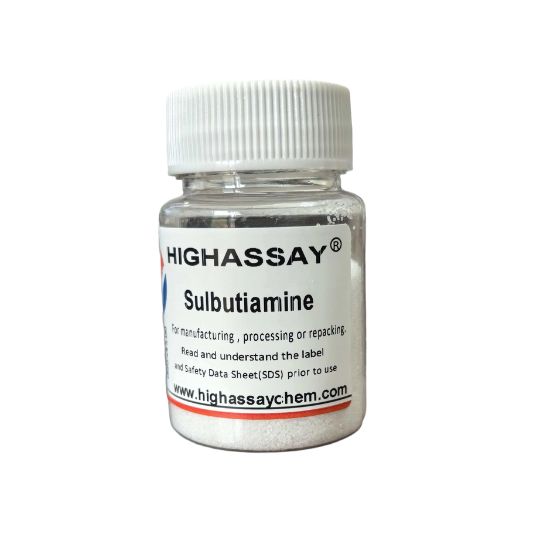
- Product Name: Sulbutiamine
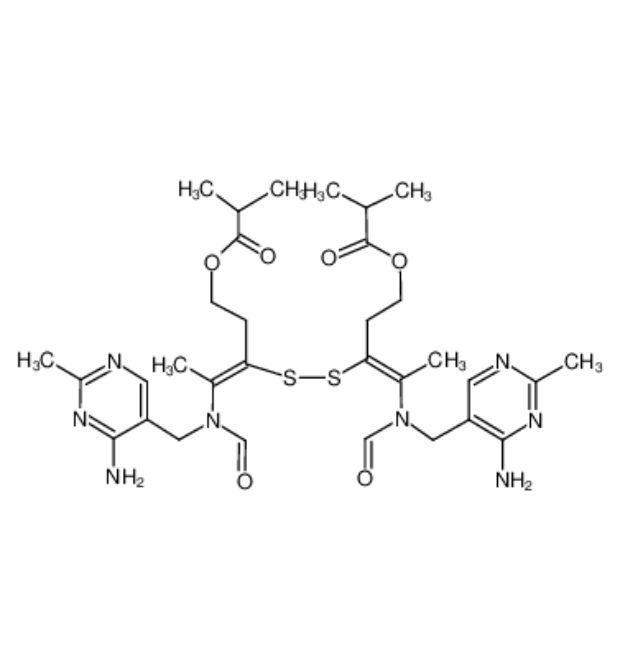
- English aliases: Bisibuthiamine, N,N’-[(Disulfanediylbis(carbonothioyl))bis(imino)]bis[2-[[(4-amino-2-methyl-5-pyrimidinyl)methyl]formylamino]-1-butanol], Sulbutiamine, Vitamin B1 derivative, Bisibutiamine, Thiamine disulfide derivative
- Industry Abbreviations: SBT, Subuthylthiam
- Other language names: German: Sulbutiamin; French: Sulbutiamine; Spanish: Sulbutiamina
- CAS number: 3286-46-2
- Molecular Formula: C₂₄H₃₄N₈O₄S₂
- Molecular Weight: 566.71 g/mol
- Product Grade: Pharmaceutical grade, Food grade, Industrial grade, Cosmetic grade
- Main uses: Nutritional supplements, Food additives, Pharmaceutical intermediates, Cosmetic raw materials
Physicochemical Properties of Sulbutiamine
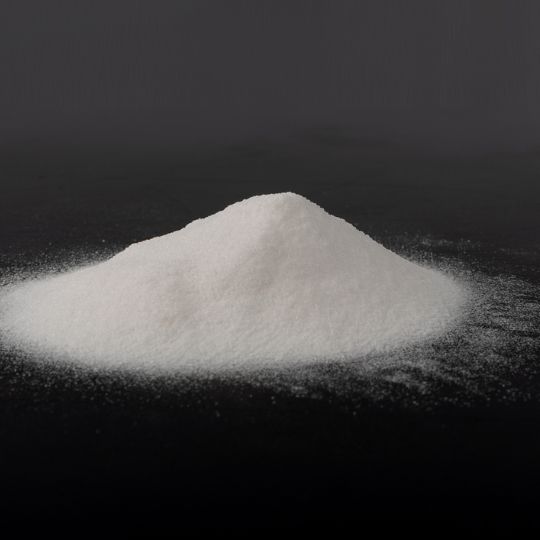
- Appearance and smell: White to off-white crystalline powder, odorless or with a slight special odor.
- Solubility: Easily soluble in chloroform and methanol, soluble in ethanol, slightly soluble in water, and insoluble in ether.
- Boiling Point: Decomposition (gradually decomposes above 240℃)
- Melting Point: 130-134℃
- Density: 1.38-1.42 g/cm³ (solid crystal density)
- Purity: ≥98% (Pharmaceutical Grade)
- Stability: Store in a cool, dry place where it is stable, avoiding high temperatures, humidity, and light.
- Danger: Low toxicity or practically non-toxic; some products may cause slight irritation.
- Emergency Response: Skin contact: Rinse immediately with plenty of water; Ingestion: Seek immediate medical attention.
Supplementary Technical Details for Sulbutiamine
- Production Methods: Prepared by reacting thiamine disulfide with appropriate reagents, and purified by crystallization and recrystallization.
- Acute Toxicity (LD50): Oral LD50 in rats: >5000 mg/kg (practically non-toxic); Oral LD50 in mice: >8000 mg/kg
- Chronic Toxicity: No significant toxicity with long-term use, meets pharmaceutical-grade JP and USP standards.
- Upstream and downstream products (raw materials): Thiamine, disulfides, organic acids, catalysts
- Upstream and downstream products (downstream): Brain function improvement drugs, vitamin B1 supplements, brain-boosting health products, anti-fatigue agents
- Quality Standards: Compliant with USP, EP, and GB
- Detection Methods: HPLC, UV, IR, etc.
- Transportation Methods: Sea freight, air freight, and express delivery
- Payment Methods: T/T, L/C, Western Union, etc.
- Certification Status: ISO9001, GMP, kosher halal etc.
- Technical Support: Provide product application technical guidance and solutions
Packaging and Storage of Sulbutiamine
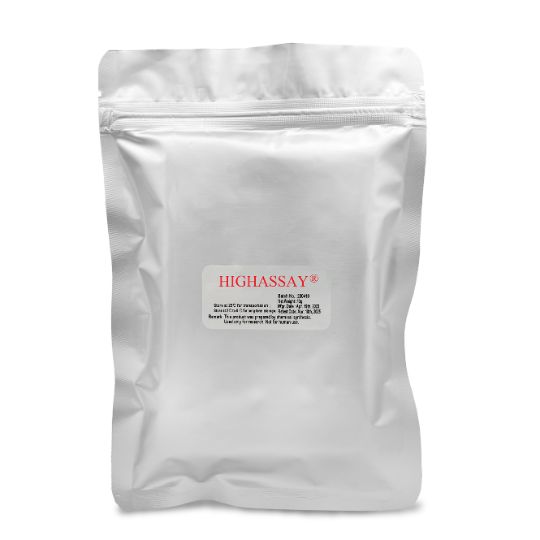
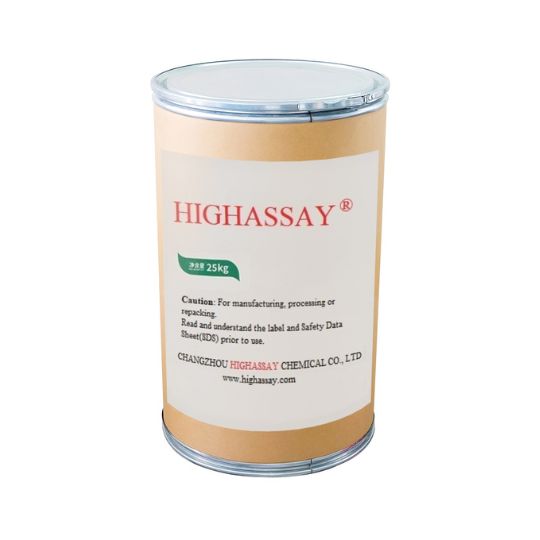
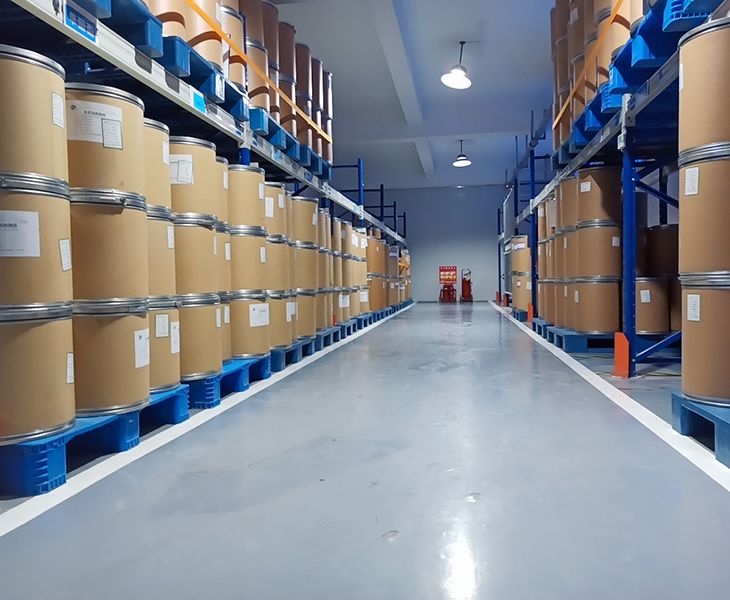
- Packaging: 25kg/fiber drum (lined with polyethylene bag), or according to customer requirements
- Storage: Store in a cool, dry, and well-ventilated warehouse; avoid direct sunlight and moisture
- Shelf Life: 24 months from the production date under proper storage conditions
- CAS number: 3286-46-2
- Molecular Formula: C₂₄H₃₄N₈O₄S₂
- Molecular Weight: 566.71 g/mol
- Implementation Standards: Enterprise standards or USP/BP/EP/CP
- Precautions: Avoid storing with strong oxidizers, strong acids, or strong alkalis; wear protective equipment during operation.
- After-sales Service: Provides COA and MSDS; free returns and exchanges for quality issues; technical support.
Applications of Sulbutiamine
- Pharmaceutical-grade Sulbutiamine can be used in the preparation of active pharmaceutical ingredients, primarily for oral formulations such as tablets, capsules, dispersible tablets, and oral solutions.Used to treat vitamin B1 deficiency, improve weakness and fatigue (such as asthenia), and as an adjunct treatment for neuropsychiatric disorders (such as Alzheimer’s disease and depression).
- Food-grade Sulbutiaminecan be used in the production of dietary supplements aimed at enhancing brain energy and cognition (improving memory, focus, etc.), combating fatigue, boosting mood, and providing neurological support.
- Food-gradeSulbutiamine can be used as an additive in functional fortified foods, such as breakfast cereals, functional beverages, and energy bars.
- Reagent-grade Sulbutiamine is primarily used for scientific research purposes, such as studies in neuropharmacology, behavioral experiments, or preclinical research.
- Industrial-grade Sulbutiaminecan be used as an upstream intermediate in pharmaceutical production and also serves as a chemical tool in chemical research and development laboratories for improving production techniques.
Get an Instant Quote Now