
What is Sucralose?
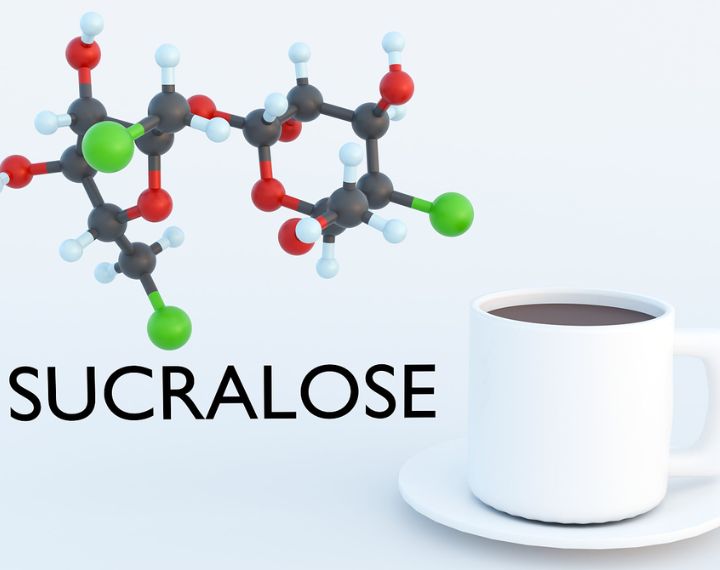
Sucralose,is a new artificial sweetener made from sucrose. It offers a high-sweetness, zero-calorie, non-nutritive sugar substitute, making it particularly suitable for people with obesity, diabetes, and cardiovascular and cerebrovascular diseases. However, it’s important to note that while it’s safe to use in moderation, it shouldn’t be overconsumed simply because of these benefits. Excessive consumption can still cause discomfort. As the technology matures and its safety is proven, sucralose is finding widespread use in other fields due to its excellent stability.
Benefits of Using Sucralose
- For Consumers: Sucralose tastes closer to sucrose and offers consistent performance. For those seeking weight control, reducing sugar intake, or managing blood sugar levels, sucralose is undoubtedly the best choice.
- For End-Product Manufacturers: Keeping up with the trend toward reduced sugar intake will help your products better meet consumer demand and boost sales. This can reduce production costs and increase profit margins.
- For the Environment: Because Sucralose tastes similar to sucrose, it can help reduce sugarcane cultivation, reduce transportation costs, and reduce carbon emissions, benefiting the environment.
Does Sucralose Cause Blood Sugar to Rise?
First, Sucralose itself does not directly raise blood sugar. However, improper intake of regular sugar can significantly affect blood sugar levels, and elevated blood sugar levels can lead to a range of health conditions, such as diabetes and cardiovascular disease, and can also reduce quality of life. Although Sucralose is not absorbed by the body like regular sugar, regardless of the type of sugar consumed, it’s important to keep intake within a reasonable range.
Why choose Highassay?
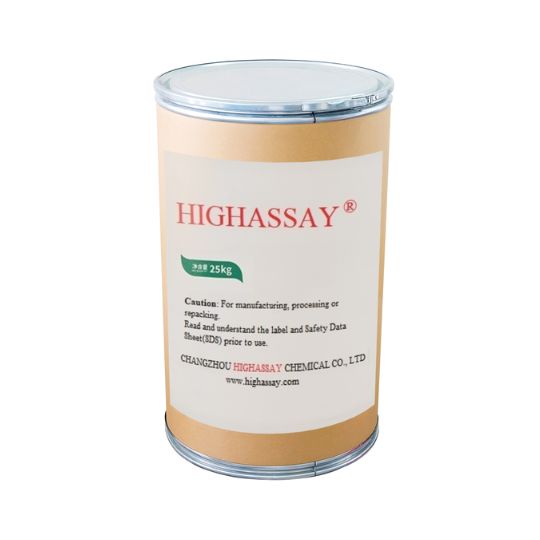
Highassay is a core supplier of chemical raw materials with 15 years of experience. The Sucralose we provide is food-grade. Our partner is one of the earliest companies in China to develop Sucralose, with an annual production capacity of 8,000 tons. This guarantees maximum supply, and the Sucralose we provide is high-quality and stable during processing. We also have a variety of professional testing equipment, transportation channels, dedicated researchers, and after-sales personnel to provide you with the highest quality service, the best product quality, the most competitive pricing, and comprehensive after-sales support.
Highassay adheres to strict quality control (QC) to produce Sucralose. Buy Sucralose in bulk from us now to get competitive market prices.
Application of Sucralose
If you have any questions about processing Sucralose, Highassay’s R&D team is here to help.
 Food
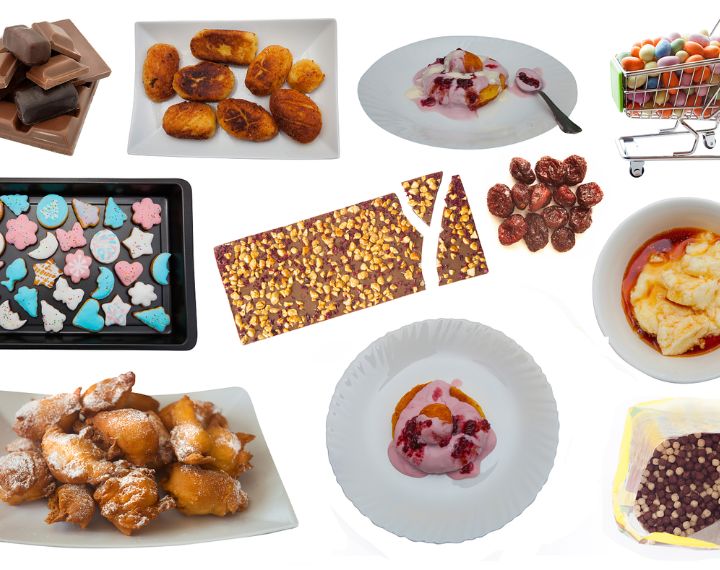
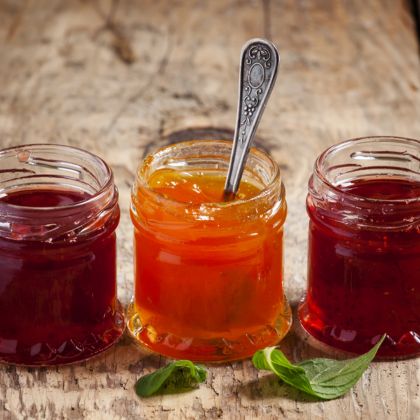
FoodSucralose can be added as a food additive to a variety of foods, such as dairy products, jams, ice cream, and jellies. Its taste is similar to sucrose, its sweetness is high, and its cost is low, making your products more competitive in the market.
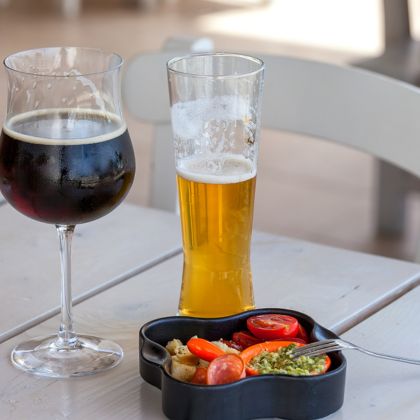 Beverages
Sucralose is added to various beverages and alcoholic beverages, such as carbonated drinks, fruit drinks, wine, and beer, to effectively balance the taste, reduce bitterness and off-flavors, and provide a better taste experience.
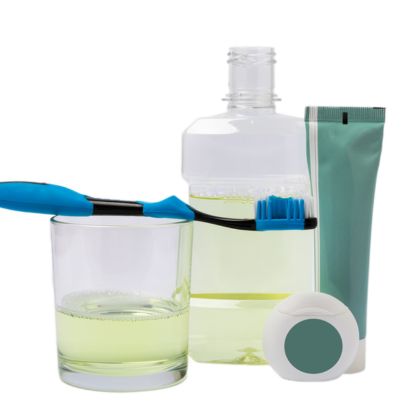 Personal Health
Sucralose is added to products such as mouthwash and toothpaste, which not only makes the taste of the product more acceptable but also is good for the health of teeth.
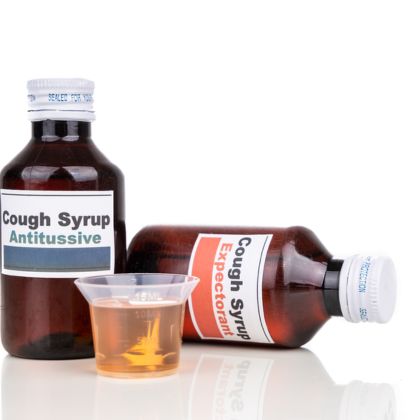 Medicines, Dietary Supplements, etc.
Adding Sucralose to some medicines, such as cough syrup, or to nutritional supplements will make the taste more acceptable to consumers.
 Cosmetics
Sucralose is added as an additive to cosmetics such as lipsticks and balms. In addition to increasing the texture and sweetness of the product, it can also act as a moisturizer to lock in skin moisture and extend the shelf life.
Type of Sucralose
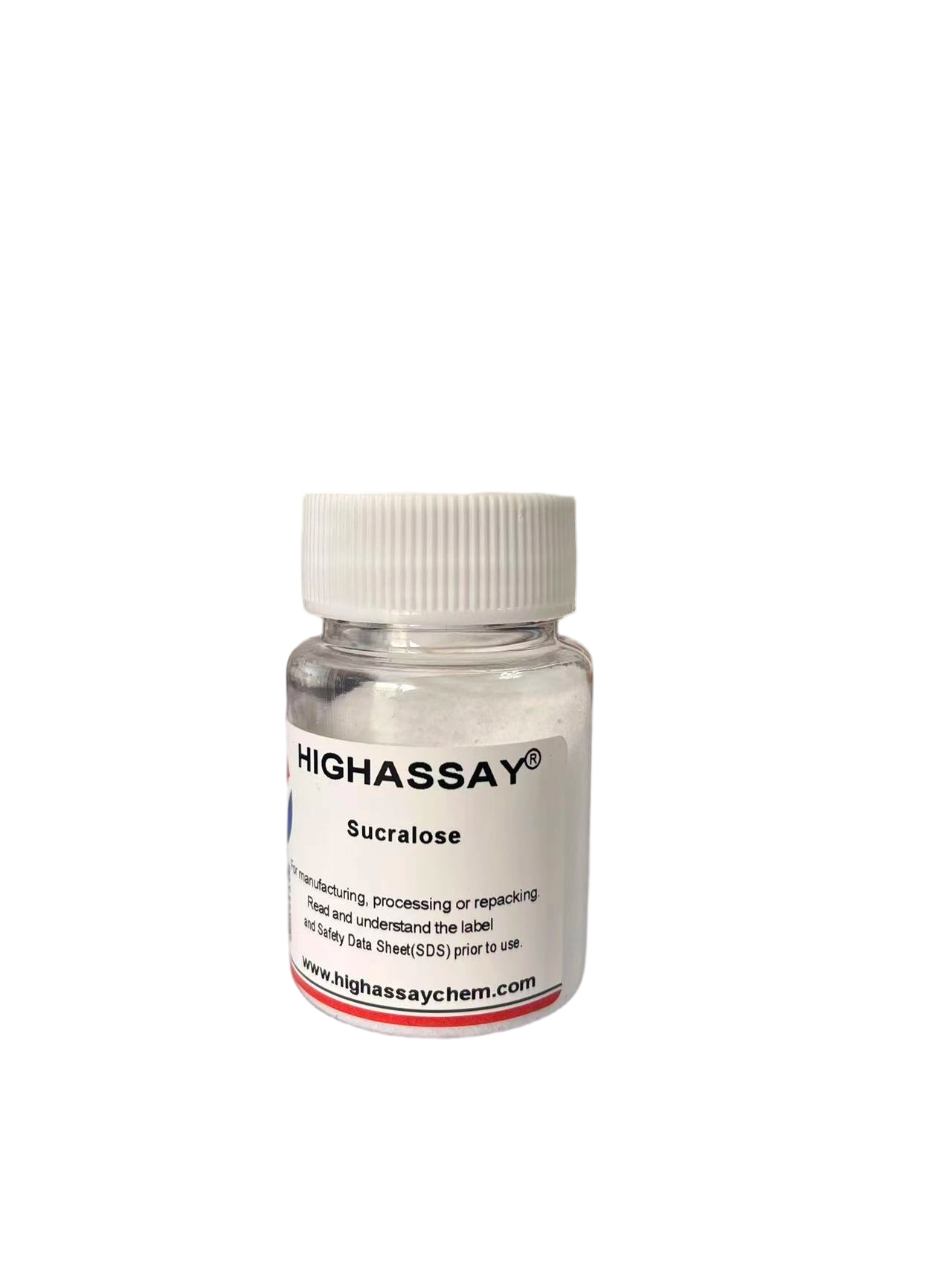
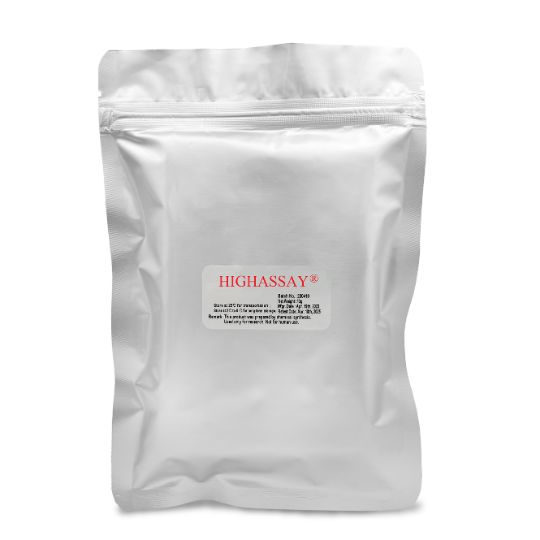
Highassay provide you with various forms of Sucralose products to meet your different needs

Sucralose VS Aspartame VS Stevia
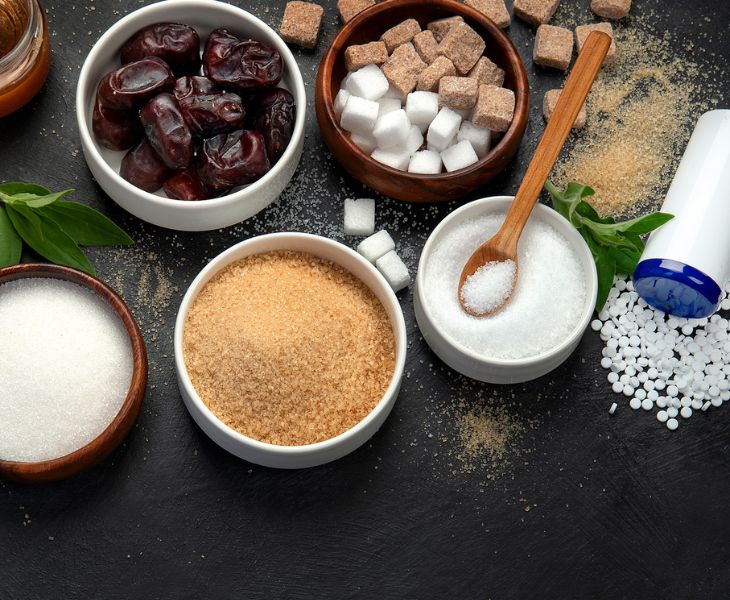
Sucralose, Aspartame, and Stevia share similarities in that they are all popular sugar substitutes, capable of sweetening foods in minute quantities and boasting hundreds of times the sweetness of sugar. However, Sucralose and Aspartame are both synthetically produced, while Stevia is extracted from the stevia plant. Artificial sweeteners offer the advantage of a more rounded, natural taste, a more balanced sweetness, and a lower cost. Stevia, being a natural sweetener, may have a bitter aftertaste. Aspartame, an artificial sweetener with a low calorie count and absorbed by the body, is not recommended for individuals with phenylketonuria. Sucralose, on the other hand, is a zero-calorie sweetener with a taste closer to that of sucrose.
Yes, we will provide the best bulk price based on your specific needs.
Before signing for the goods, please check whether the packaging is intact and undamaged. If the outer packaging is damaged or the goods are missing, please contact our customer service in time. Although the probability of this is extremely small, we will provide you with a complete solution.
Product prices vary due to market fluctuations. Please contact customer service for pricing before purchasing. We will provide you with the best price and the best product quality.
Specification of Sucralose
| Product Name | Sucralose |
| Molecular formula | C12H19Cl3O8 |
| Molecular weight | 397.64 |
| CAS No. | 56038-13-2 |
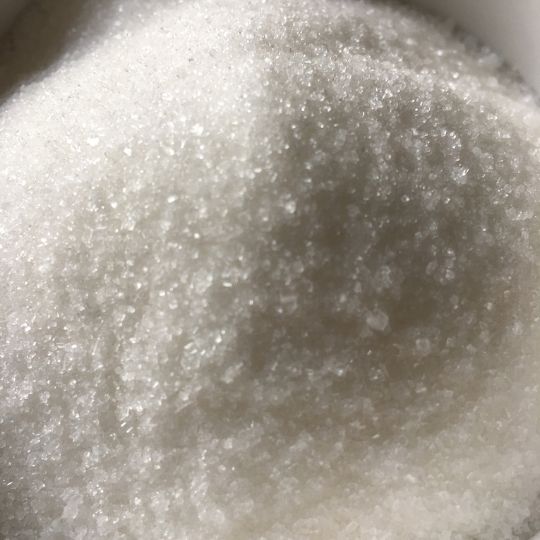
| Appearance | White or off-white crystalline powder |
| odor | Almost odorless |
| Water Solubility | Soluble in water, soluble in anhydrous ethanol, slightly soluble in ethyl acetate |
| Storage Conditions | Not exceeding 25°C |
| Melting point | 130℃ |
| Specific rotation | +84.0°- +87.5° |
| boiling point | 104℃-107℃ |
| density | 1.375g/cm3 |
| vapor pressure | 0Pa at 25℃ |
| Refractive index | 1.604 |
| PH | 6-8 (100g/l, H2O, 20°C) |
| Optical Rotation | [α]/D 86.0±2.0°, c = 1 in H2O |