
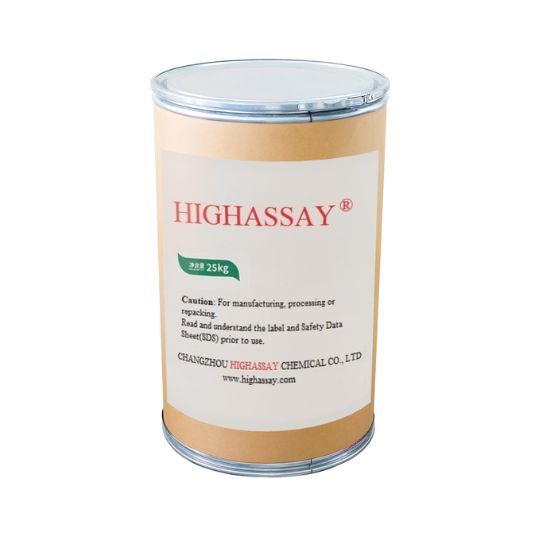
Product Overview
- Product Name: Soy Peptide
- CAS No.: 68607-88-1 (industry reference)
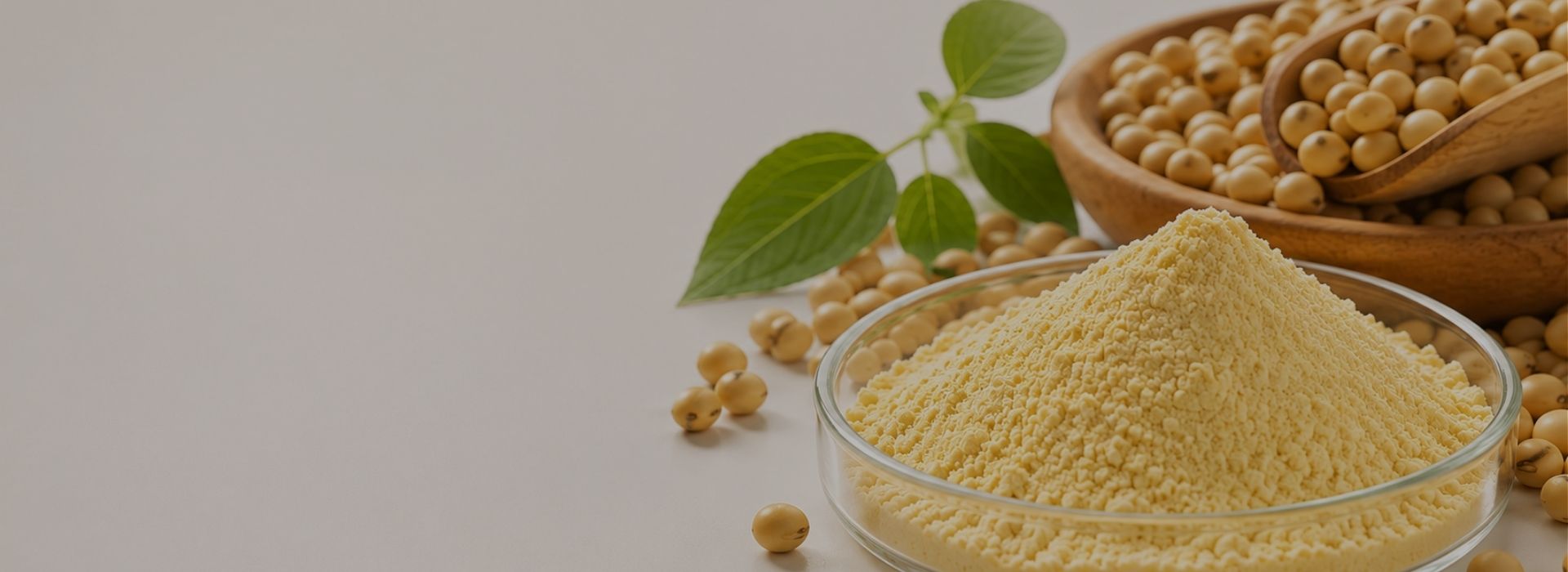
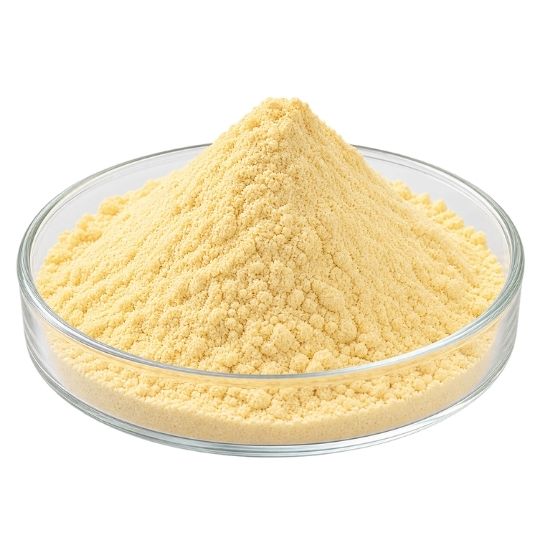
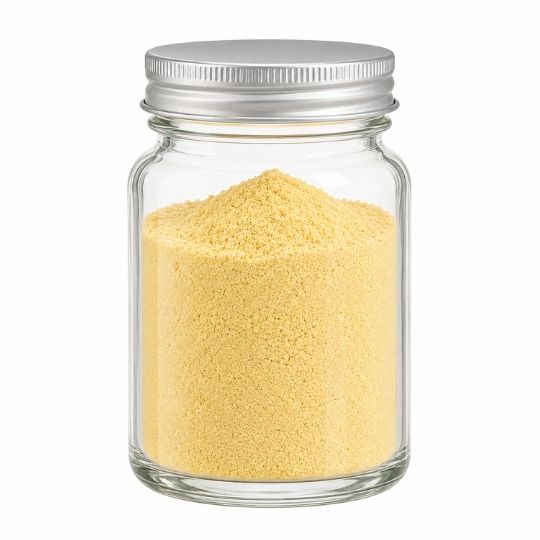
- Appearance: Pale yellow fine powder
- Grade: Food grade, cosmetic grade, and research grade
- Primary Source: Non-GMO soy protein isolate
- Production Process: Controlled enzymatic hydrolysis (no acid-base chemical hydrolysis used)
What is Soy peptide?
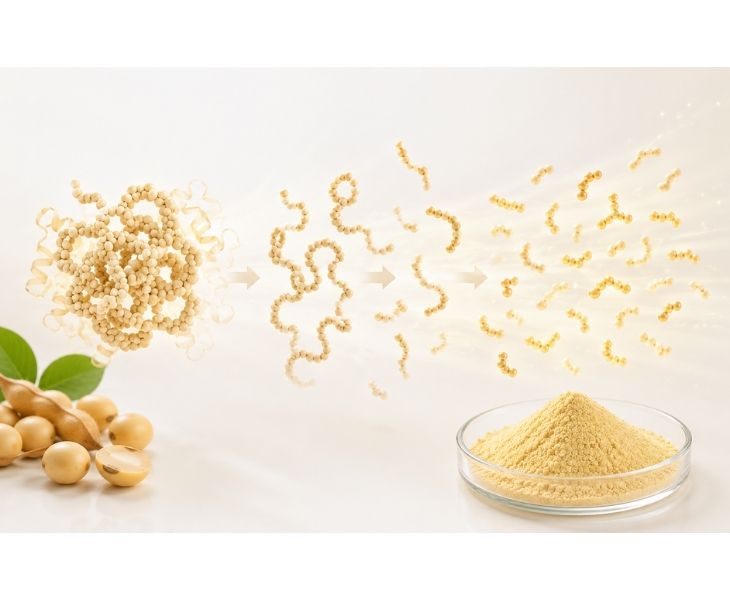
Soy peptides, also known as soybean peptides,appear as a pale yellow powder.It is produced using soybeans, soybean meal, or soy protein as raw materials; a mixture of small-molecule peptides is obtained through enzymatic hydrolysis or microbial fermentation, followed by separation, purification, and other processing steps.
Compared to macromolecular soy protein, soy peptides have a lower molecular weight and a faster absorption rate; furthermore, they do not precipitate in acidic environments and exhibit good thermal stability, making them widely applicable in fields such as functional foods, cosmetic formulations, and biomedical research.
Why choose Highassay?
Highassay is a specialized Chinese supplier of soybean peptide ingredients. We utilize a controlled enzymatic hydrolysis process, using non-GMO soy protein isolate as the raw material. Our products undergo a series of steps—including hydrolysis, molecular weight fractionation, desalting, debittering/decolorization, and spray drying—to ensure consistent quality across batches.
We offer soybean peptide powders in various grades—including food, cosmetic, and research grades—to meet your diverse production and R&D needs. We support global sample distribution and can handle everything from small-batch trial production to bulk wholesale orders, all with reliable lead times.
Every batch comes with a Certificate of Analysis (COA), Material Safety Data Sheet (MSDS), and reports on heavy metals and microbiological testing, giving you peace of mind regarding safety, hygiene, and regulatory compliance.
Advantages of Soy peptide
- Controllable molecular weight distribution; customizable specifications (e.g., 1,000 Da, 5,000 Da)
- High peptide content; maximizes retention of biological activity
- High safety profile; free from chemical hydrolysis residues
- Excellent water solubility; acid-stable and resistant to turbidity or precipitation
- Comprehensive data package; safe and compliant production process
Packaging & Delivery
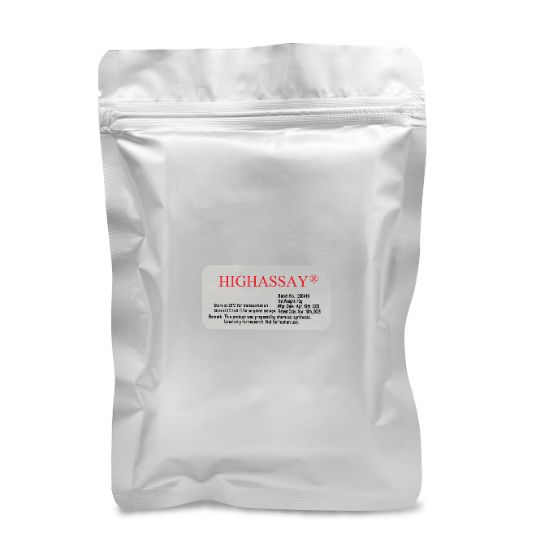
- Sample packaging: 100g / 500g / 1kg aluminum foil bags
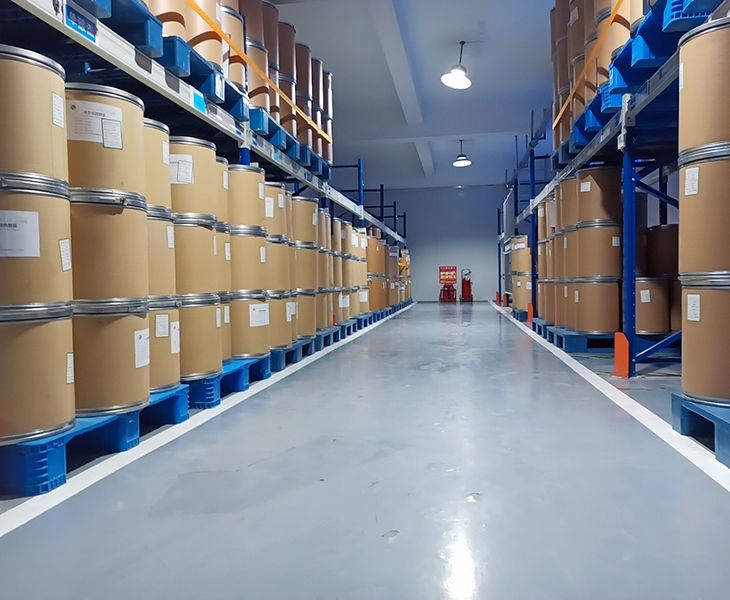
- Bulk packaging: 25kg fiber drums
- MOQ: Small-batch trial orders accepted
- Lead time: 3–7 business days for samples; 7–15 business days for bulk orders
- Shipping: International express, sea freight, or air freight options available
- Sample service: Contact customer service to request free samples (shipping costs at the customer’s expense)
Specification of Soy peptide
- Specification of Soy peptide
Item | Specification |
| Product Name | Soy Peptide / Soybean Oligopeptide |
| CAS No. | 68607-88-1 |
| Raw Material | Non-GMO Soy Protein Isolate |
| Production Process | Controlled Enzymatic Hydrolysis (Acid-base chemical hydrolysis is not adopted) |
| Appearance | Light yellow fine powder |
| Protein Content (Dry basis) | 80-90% |
| Peptide Content (Dry basis) | 70-80% |
| Molecular Weight Distribution | Optional: <1000 Da / <3000-5000 Da |
| Moisture | ≤7.0% |
| Ash | ≤6.5% |
| Urease Activity | Negative |
| Solubility | Fully water-soluble, good acid and thermal stability |
| Storage Condition | Sealed, store in cool and dry place |
| Shelf Life | 24 months |
| Available Documents | COA, MSDS, Heavy-metal Test Report, Microbiological Test Report |
The <1000 Da grade has a higher proportion of short peptides and is absorbed more rapidly by the gut, making it ideal for oral dietary beverages. The <5000 Da grade is more cost-effective and suitable for blended products where rapid absorption is not the primary requirement.
Unlike soy protein, soy peptides lack the characteristic “beany” off-flavor. They do not coagulate upon heating or precipitate under acidic conditions, and they possess excellent water solubility, making them more convenient to use.
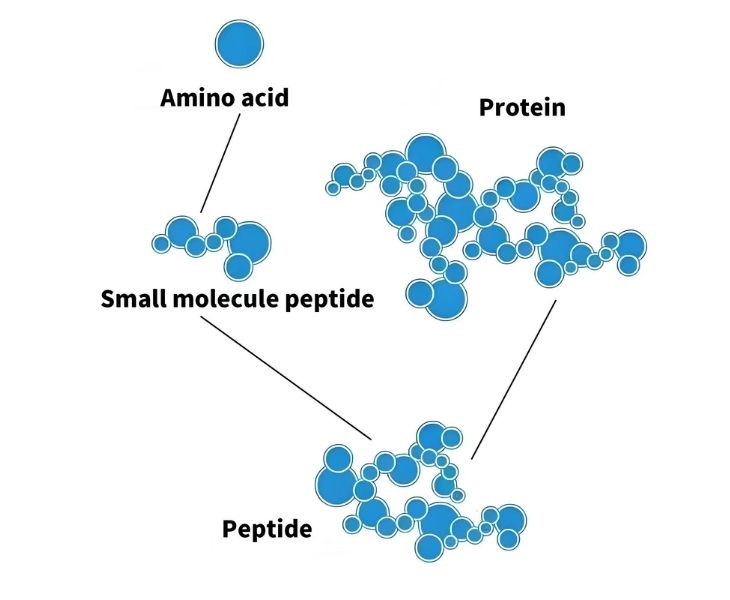
The difference lies in molecular weight. “Soy Oligopeptide” specifically refers to peptides with lower molecular weights (typically <2000 Da or even <1000 Da), usually composed of 2–10 amino acids; “Soy Peptide” covers a broader range (typically <10,000 Da) and can include larger peptide chains.
All Highassay soy peptides are produced using a controlled enzymatic hydrolysis process; no acid or alkali chemical hydrolysis is used.
This process ensures a stable molecular weight distribution, preserves peptide bioactivity, and eliminates harmful by-products associated with chemical hydrolysis.
Not necessarily. If the molecular weight is too low—approaching the level of free amino acids—the specific bioactivity of the peptides may be lost. We recommend making a choice based on your product’s absorption requirements and formulation costs: choose <1000 Da for faster absorption, or the more economical <5000 Da grade for blending or bulking applications. We offer various specifications and can provide samples for your own comparison.
Classification and Applications of Soy Peptides
High-purity food-grade soy peptides (premium flagship products)
- Target audience: Sports nutrition brands, functional beverage manufacturers, contract manufacturers (OEMs), and developers of dietary supplements for the middle-aged and elderly.
Item | Parameter |
| Crude Protein (dry basis) | ≥90% |
| Peptide Content (dry basis) | ≥80% |
| Molecular Weight | <1000 Da |
| Solubility | Instant soluble in cold water |
| Flavor | Debitterized and decolorized treatment, extremely low beany flavor |
- Applications: Sports nutrition powders, solid beverages, functional acidic drinks, dietary supplements for the elderly, and post-operative nutritional formulas.
- Advantages: This grade features a low molecular weight, allowing for rapid absorption by the body; it offers excellent system stability, preventing turbidity, sedimentation, or coagulation; and it does not adversely affect the taste or mouthfeel of the final product.
Standard Food-Grade Soy Peptides (Cost-Effective Option)
- Target Audience: Purchasers of general food ingredients, manufacturers of compressed candies, meal replacement brands, and developers of compound health supplements.
Item | Parameter |
| Crude Protein (dry basis) | ≥85% |
| Peptide Content (dry basis) | ≥70% |
| Molecular Weight | <30005000 Da |
| Solubility | Good |
| Flavor | Slight beany flavor |
- Applications: General food ingredients, compressed candies, meal replacement powders, and raw materials for compounded health foods.
- Features: Compared to high-purity food-grade soy peptides, this product offers a significant cost advantage while meeting application requirements. Additionally, its high solubility and versatile blending capabilities ensure excellent performance in formulations.
Cosmetic-grade soy peptides
- Suitable for: Skincare formulators, ODM/OEM manufacturers, and functional skincare brands.
| Item | Parameter |
| Crude Protein | ≥80% |
| Molecular Weight | <1000 Da |
| Impurity Control | Strict control over ash, heavy metals and microorganisms |
| Remarks | For external skin use only; not for oral administration |
- Applications: Repair serums, anti-aging masks, skincare creams, and the formulation of functional skincare products.
- Advantages: Our cosmetic-grade, low-molecular-weight soybean peptides offer excellent water solubility and formulation compatibility, helping you overcome challenges related to poor skin penetration, low bioactivity, and formulation instability.
Research-Grade Soybean Peptides
- Suitable for: University laboratories, CROs, cell culture research, and animal nutrition research models.
| Item | Parameter |
| Core Requirements | Narrow molecular weight distribution, low impurity content, high batchtobatch consistency |
| Remarks | Not intended for human food use |
- Applications: Cell-based experiments, animal nutrition research models, and studies on the mechanisms of bioactive peptides.
- Advantages: Our research-grade soy peptides offer high batch-to-batch consistency, addressing common pain points such as unstable experimental results, poor data reproducibility, and interference from impurities.
Attention: No pharmaceutical-grade soy peptides; all products contain soy allergens.