
Basic Information of Sodium Selenite
- Product Name (English): Sodium Selenite
- English aliases: Disodium selenite, Sodium selenite(IV)
- Industry Abbreviations: Na2SeO3
- Other language names: Sélénite de sodium (French), Natriumselenit (German),Селенит натрия(Russian),셀레늄산나트륨(IV)(Korean),سيليينيت الصوديوم(Arabic)
- CAS number: 10102-18-8
- EINECS number: 233-267-9
- Hazard class: 6.1 (Toxic substances)
- Molecular formula: Na2SeO3
- Molecular weight: 172.94 g/mol
- Product Grade: Food grade, Feed grade, Industrial grade, Pharmaceutical grade
- Main uses: Selenium supplement in food and feed, nutrient additive, glass colorant, analytical reagent
Physicochemical Properties of Sodium Selenite
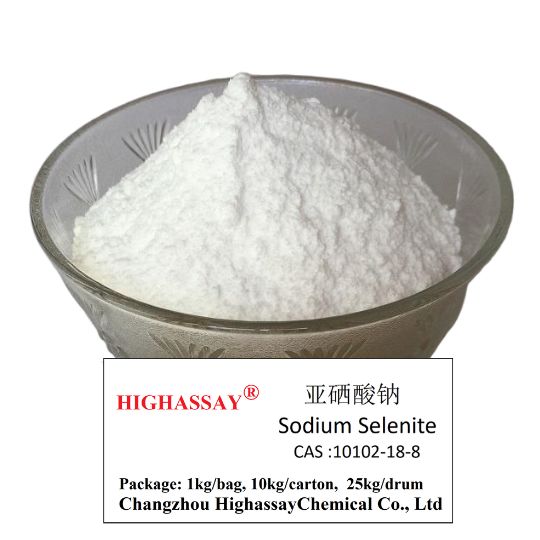
- Appearance and smell: White crystalline powder, odorless
- Solubility: Soluble in water, insoluble in ethanol, acetone
- Boiling point: Decomposes at 885 °C
- Melting point: 885 °C
- Density: 3.213 g/cm³
- Moisture absorption: Slightly hygroscopic
- Purity: 98% min (industrial grade), 99.5% min (food/feed grade)
Selenium content in sodium selenite: ≥44.7%; ≥45%; ≥45.5% - Toxicity: Highly toxic if swallowed or inhaled
- Stability: Stable under normal conditions, strong oxidizing agent
- Particle size: 80-120 mesh (standard)
Supplementary Technical Details for Sodium Selenite
- Production methods: Neutralization method (selenous acid + sodium hydroxide), reduction method
- Acute toxicity (LD50): 15 mg/kg (oral, rat); 2 mg/kg (intraperitoneal, mouse)
- Chronic toxicity: Excessive selenium intake may cause selenosis (hair loss, nail deformation, neurological damage)
- Upstream and downstream products (raw materials): Selenous acid, sodium hydroxide, selenium dioxide
- Upstream and downstream products (downstream): Fortified food, feed additives, pharmaceuticals, fertilizers
- Quality Standards: GB 29404-2012 (China), FCC (USA), EU food additive regulations
- Detection methods: Atomic absorption spectrometry, spectrophotometry
- Transportation methods: Road transport, sea transport (complies with IMDG code for toxic substances)
- Payment methods: T/T, L/C, Western Union
Packaging and Storage of Sodium Selenite
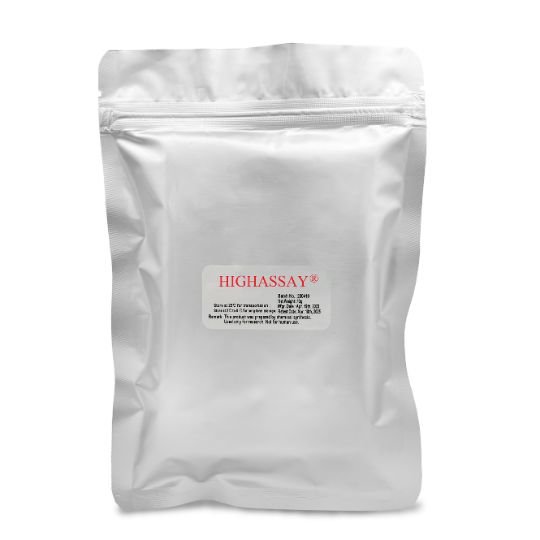
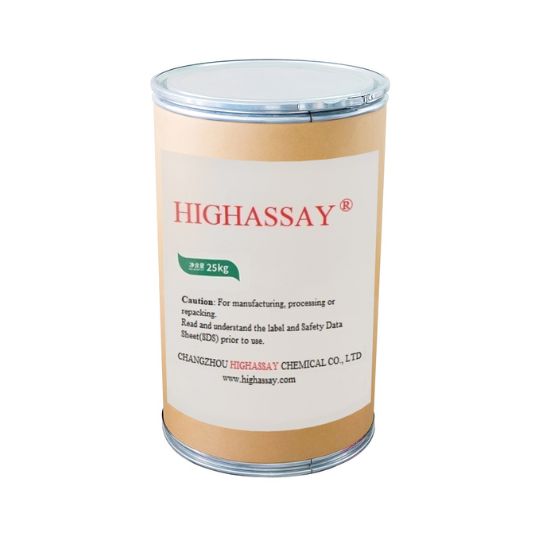
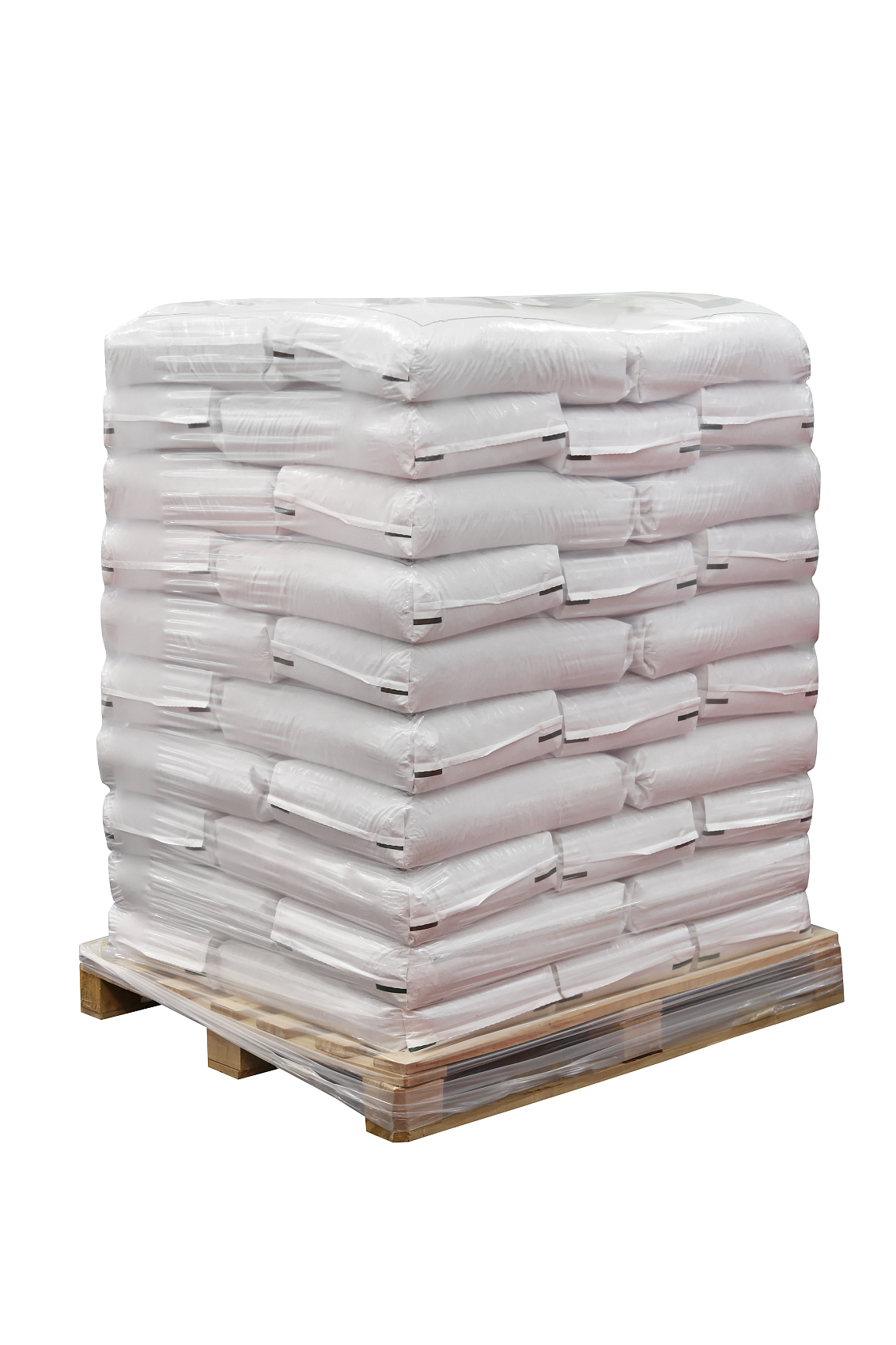
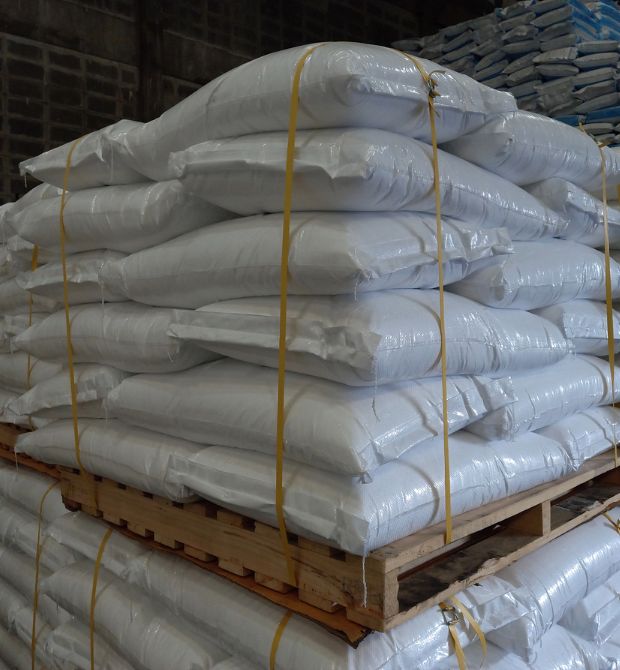
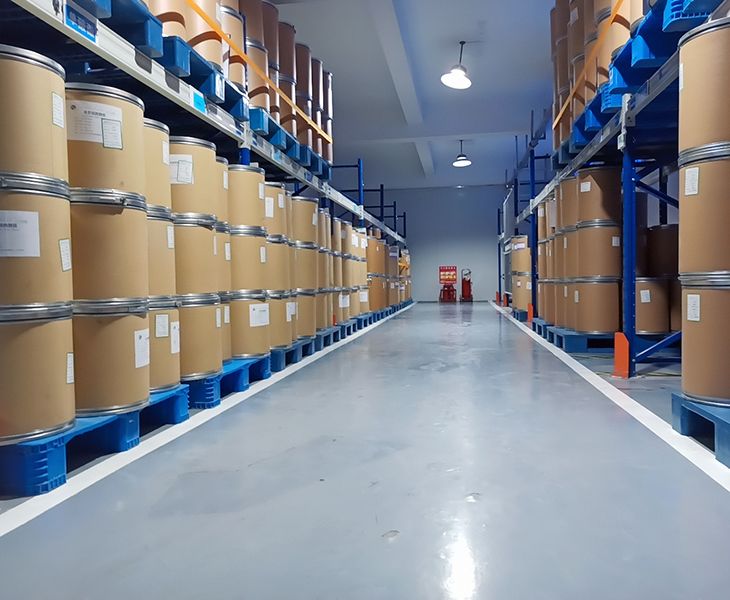
- Packaging: 1 kg aluminum foil bags, 25 kg fiber drums with double plastic liners,25 kg plastic-lined paper bags
- Storage: Store in cool, dry, well-ventilated warehouse; keep away from food, feed and children
- Shelf Life: 36 months when stored properly in original packaging
- CAS number: 10102-18-8
- Molecular formula: Na2SeO3
- Molecular weight: 172.94 g/mol
- Implementation Standards: GB 29404-2012, FCC VI, EC No. 231-957-4
- Precautions: Strictly control dosage; use in well-ventilated environment; wear protective equipment
- After-sales service: Quality certification, technical consultation, safety data sheet (SDS)
Applications of Sodium Selenite
Food Sector
- Food-grade Sodium Selenite can be used in the production of dietary supplements (multivitamin and mineral tablets) or fortified foods (selenium-fortified salt, biscuits, oatmeal, etc.) to provide the human body with an appropriate amount of selenium and correct and prevent selenium deficiency.
- Sodium Selenite additives in pet food (for cats, dogs, etc.) are generally higher than those in ordinary feed-grade products and tend to be food-grade in high-end products. Sodium selenite is a safe, economical, and effective source of selenium to meet pets’ selenium requirements.
- Feed-grade Sodium Selenite can be added in trace amounts to animal feed as a selenium supplement to prevent white muscle disease and reproductive disorders caused by selenium deficiency in poultry and livestock; or to enhance the immunity and stress resistance of fish and crustaceans.
- Sodium Selenite can increase the selenium content of crops through foliar fertilizers and soil conditioners, expanding the range of selenium sources in food, and facilitating the supplementation of selenium in humans and animals such as cattle and sheep.
Medical Field
- Pharmaceutical-grade Sodium Selenite can be used to produce sodium selenite tablets or solutions for the treatment of selenium deficiency with a confirmed diagnosis.
- The selenium element in pharmaceutical-grade Sodium Selenite is used in medical research for applications such as anti-tumor treatment, anti-inflammatory effects, and regulating thyroid function.
Industrial Sector
- Industrial-grade Sodium Selenite is a key decolorizing and coloring agent in the glass industry.By utilizing the principle of complementary colors, the glass is rendered colorless, enabling the production of high-quality optical glass, crystal glass, and other types of glass;Through mixing, “selenium red” glass can be produced for use in traffic lights, art glass, and other applications.
- Electronic-grade Sodium Selenite is used in the electronics industry as a raw material and dopant for functional materials.Sodium selenite can be used to prepare various selenide raw materials for optoelectronic materials or as a selenium source in the production of high-purity semiconductor materials.
- In the chemical industry, Sodium Selenite is used as a catalyst (such as in the oxidation of aldehydes and specific cyclization reactions in organic synthesis), an analytical reagent (such as an oxidation-reduction titrant or chromogenic reagent), and a synthetic intermediate (for organic selenium compounds or selenium powder, etc.).
Get an Instant Quote Now