



Physicochemical properties of Sodium Cocoyl Glycinate
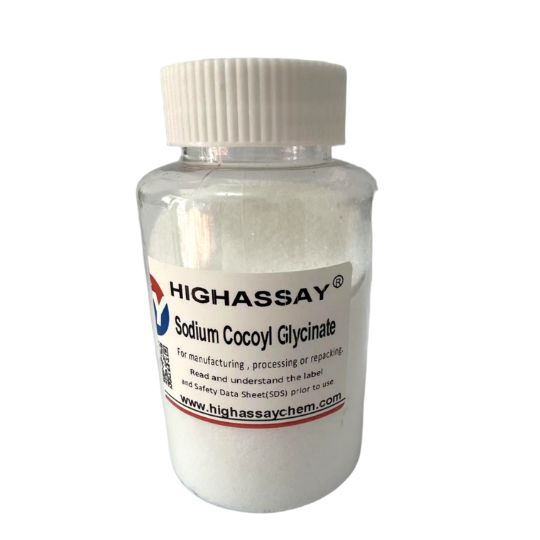
Appearance and Odor:White to slightly yellow powder or granules, with no noticeable odor
Solubility:It is readily soluble in hot water, slightly soluble in cold water, and sparingly soluble in organic solvents such as ethanol and ether
Boiling Point:No definite boiling point (decomposes when heated above 220℃)
Melting Point:205-210℃
Density (at 20℃):1.25 g/cm³
Chemical Properties:
It possesses the dual characteristics of both amino acids and surfactants, is gentle and non-irritating, and has excellent biodegradability.
It possesses excellent foaming, foam stabilization, detergency, and emulsifying properties, and can be converted into cocoyl glycine under acidic conditions.
Basic information about Sodium Cocoyl Glycinate
Product Name:Sodium Cocoyl Glycinate
Synonyms:Sodium N-cocoyl glycinate、Cocoyl glycine sodium salt、sodium cocoyl glycinate、SCG、
Other language names (German/French/Spanish, etc.):
German: Natrium-Cocoyl-Glycinat; French: Sodium cocoyl glycinate; Spanish: Sodio cocoilglicinato
Abbreviation:SCG
CAS No.:61789-32-0
EC No.:263-000-6
HS Code:34399-81-0 (Note: This number may be subject to verification and adjustment depending on the region.)
Molecular Formula:C14H27NO3Na
Molecular Weight:295.36
Functional Group:Amide group (-CONH-), sodium carboxylate salt (-COONa), alkyl chain
Chemical Category:Amino acid-based surfactants
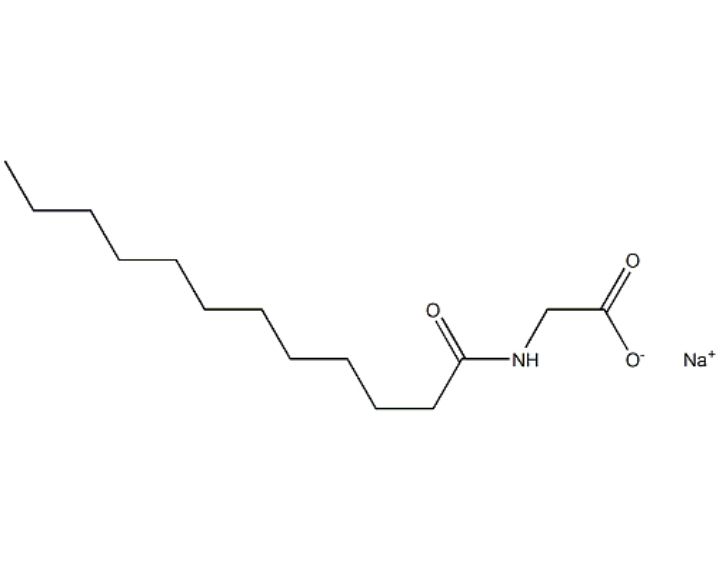
Technical details of Sodium Cocoyl Glycinate(additional information)
Production method:Sodium cocoyl glycinate raw material is produced from coconut oil fatty acid and glycine through an acylation reaction, followed by a neutralization reaction; Purity grades: Industrial grade ≥95%, Cosmetic grade ≥98%.
Toxicological data:
Acute toxicity (LD50)——Oral administration to rats: >5000 mg/kg (considered low toxicity)
Chronic toxicity:—–No significant toxicity upon prolonged exposure, no skin sensitization, and very low eye irritation.
Safety Limit (NOAEL):—–No specific daily allowable intake limit; meets safety standards for cosmetic-grade raw materials.
Upstream and downstream products:
Ingredients:Coconut oil fatty acid, glycine, sodium hydroxide (neutralizing agent)
Downstream products:Facial cleanser, shower gel, hand soap, baby care products, toothpaste, pet shampoo
Relevant standards:Complies with GB/T 35914-2018 “Raw Materials for Cosmetics – Sodium Cocoyl Glycinate”; EU ECOCERT natural certification standards, REACH regulation registration requirements, and US FDA food contact material safety standards.
Storage & Package of Sodium Cocoyl Glycinate
Storage: Sodium cocoyl glycinate raw material should be stored in a sealed container in a cool, dry place, away from direct sunlight and high temperature and humidity. The shelf life is two years when unopened.
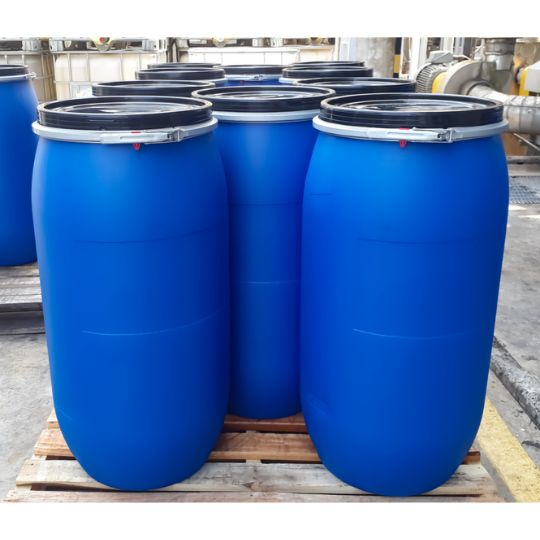
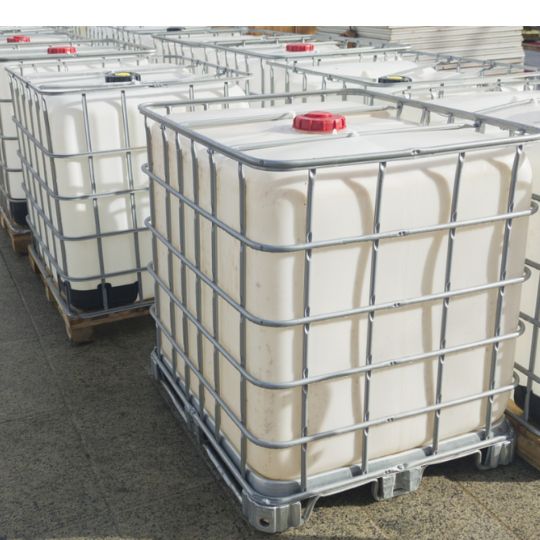
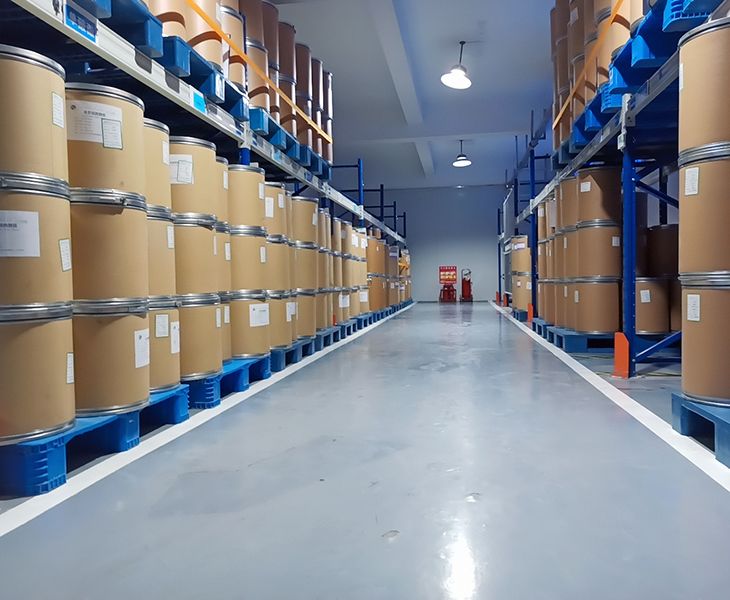
Packaging: SCG raw materials are available in 25kg/kraft paper bags (with PE film lining) and 50kg/cardboard drums; 1kg/5kg small sample packages are also available upon request.
Applications of Sodium Cocoyl Glycinate
Daily necessities/household products:
* Facial Cleansing Products (facial cleansers, cleansing powders, cleansing mousses, etc.): The addition of gentle Sodium Cocoyl Glycinate results in fine and rich foam, leaving the facial skin feeling neither dry nor tight after use.
* Shampoos and hair care products: Sodium N-cocoyl glycinate, as an ingredient in shampoo formulations, effectively cleanses the scalp and hair without causing irritation.
* Shower Gels and Soaps: Sodium Cocoyl Glycinate is suitable for sensitive skin, children, dry skin, and winter use. It helps maintain skin moisture and prevents dryness and itching.
* Oral Care Products: This is an emerging application of SCG, commonly used in some high-end or children’s toothpastes and mouthwashes, providing a pleasant taste and minimizing potential irritation to the oral mucosa.
Household Cleaning Products:
It has good biodegradability and is suitable for groups that require safety and environmental protection, helping to reduce detergent residue on items and tableware.
* Baby-specific detergents
* High-end household cleaning agents
* Fruit and vegetable cleaning agents
Other Professional Fields:
* Pet Grooming Products: It not only reduces irritation to pets’ eyes and skin but also softens their fur.
* Cosmetics: Used as an emulsifier and solubilizer, and as an auxiliary ingredient in formulations requiring gentleness.