
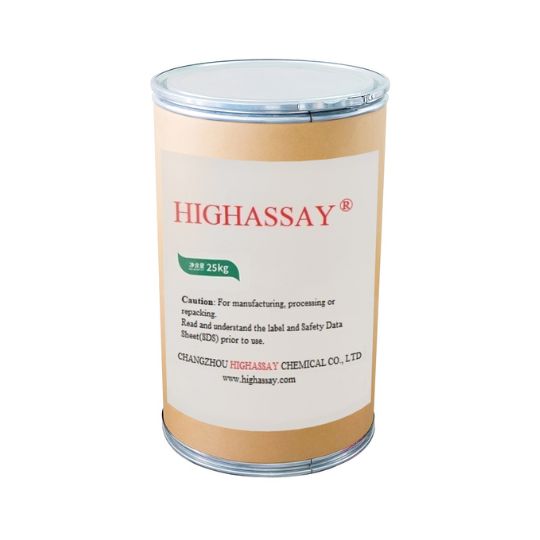
Basic Information of Potassium Iodide
- Product Name (English): Potassium Iodide
- English aliases: Potassium iodide anhydrous, Potassium monoiodide
- Industry Abbreviations: KI
- Other language names: Iodure de potassium (French), Kaliumiodid (German),Йодид калия(Russian), 요오드화칼륨(Korean),يوديد البوتاسيوم(Arabic)
- CAS number: 7681-11-0
- EINECS number: 231-659-4
- UN number: 1518
- Hazard class: 6.1 (Toxic substances)
- Molecular formula: KI
- Molecular weight: 166.00 g/mol
- Product Grade: Food grade, Feed grade, Industrial grade, Pharmaceutical grade, Analytical reagent (AR)
- Main uses: Iodine supplement in food and feed, pharmaceutical intermediate (thyroid treatment drugs), X-ray contrast agent, analytical reagent, photographic emulsifier, radiation protection agent
Physicochemical Properties of Potassium Iodide
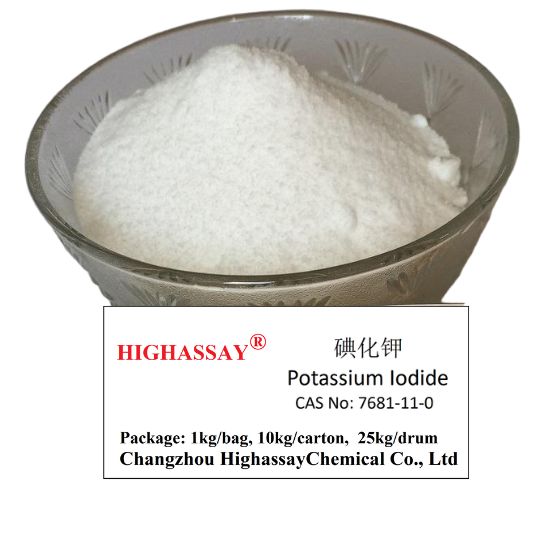
- Appearance and smell: White crystalline powder or colorless transparent crystals, odorless; turns yellow when exposed to air, light and moisture
- Solubility: Highly soluble in water (140 g/100 mL at 20 °C), soluble in ethanol, acetone, glycerol; insoluble in ether
- Boiling point: 1330 °C
- Melting point: 681 °C
- Density: 3.13 g/cm³
- Moisture absorption: Hygroscopic, easy to absorb moisture from air and agglomerate
- Purity: 98% min (industrial grade), 99.5% min (food/feed grade), 99.9% min (pharmaceutical grade)
- Toxicity: Low toxicity; excessive intake may cause iodine poisoning (metallic taste, nausea, vomiting)
- Stability: Unstable in air, light and moisture; easy to oxidize to iodine; stored with stabilizers
- Particle size: 80-120 mesh (powder), crystalline (granular or cubic crystals)
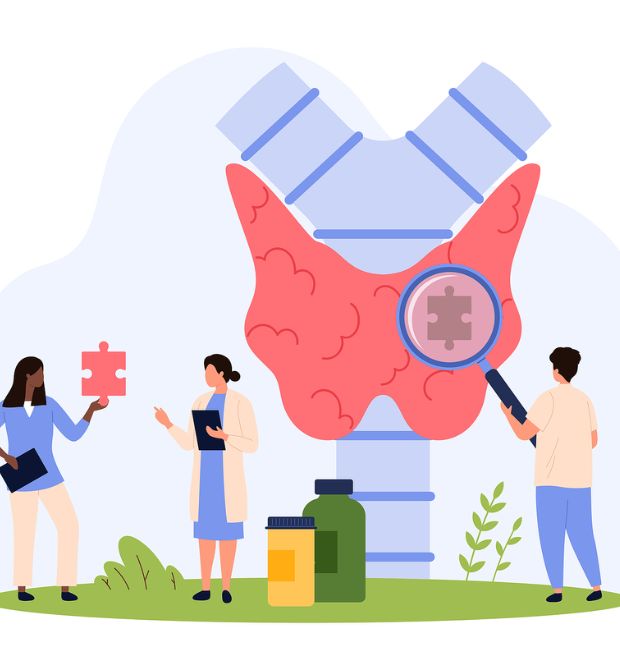
Supplementary Technical Details for Potassium Iodide
- Production methods: Neutralization method (hydroiodic acid + potassium hydroxide), double decomposition method (potassium carbonate + iodine + reducing agent)
- Acute toxicity (LD50): 2850 mg/kg (oral, rat)
- Chronic toxicity: Long-term excessive intake may cause goiter, hypothyroidism, and iodine-induced hyperthyroidism
- Upstream and downstream products (raw materials): Hydroiodic acid, potassium hydroxide, potassium carbonate, iodine, sodium thiosulfate (stabilizer)
- Upstream and downstream products (downstream): Iodized salt, pharmaceuticals, X-ray contrast agents, photographic emulsifiers, feed additives, radiation protection drugs
- Quality Standards: GB 1886.163-2021 (China), FCC (USA), USP (USA), EU food additive regulations (E916)
- Detection methods: Titration analysis (iodometric method), atomic absorption spectrometry, spectrophotometry, HPLC
- Transportation methods: Road transport, sea transport (non-dangerous goods; protected from light, heat and moisture)
- Payment methods: T/T, L/C, Western Union
Packaging and Storage of Potassium Iodide
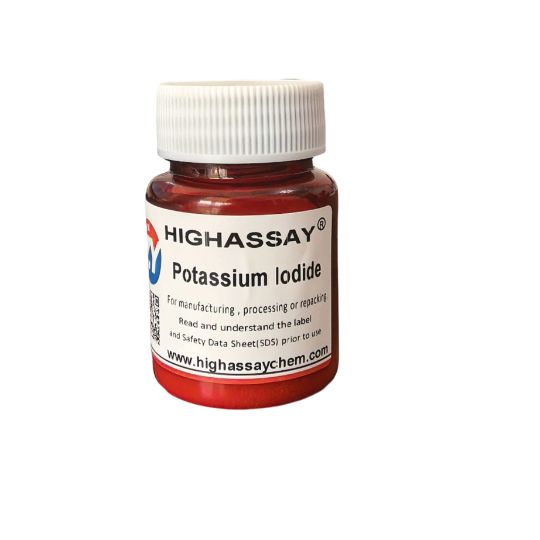
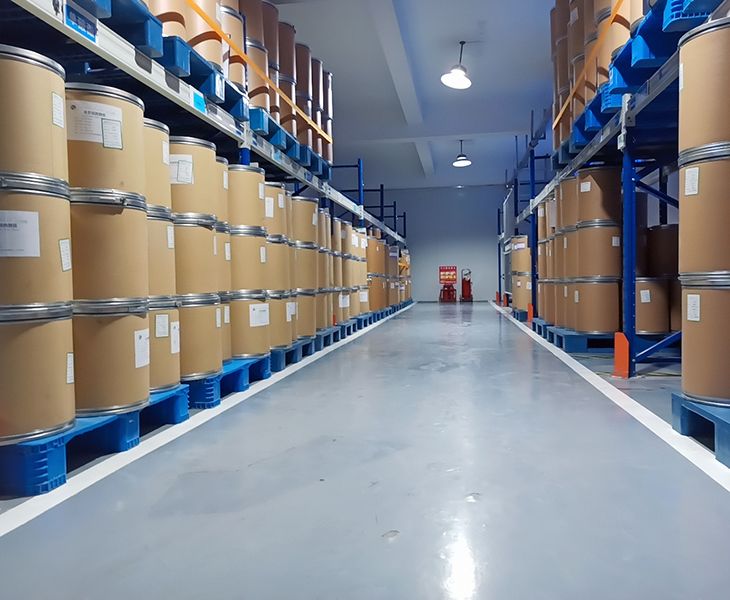
- Packaging: 1 kg brown glass bottles or opaque plastic bottles (small quantities); 25 kg fiber drums with double plastic liners (large quantities)
- Storage: Store in dark, airtight containers in cool, dry, well-ventilated warehouse; avoid light, heat, moisture and oxidizing agents
- Shelf Life: 24 months when stored properly in dark and sealed containers with stabilizers
- CAS number: 7681-11-0
- Molecular formula: KI
- Molecular weight: 166.00 g/mol
- Implementation Standards: GB 1886.163-2021, FCC VI, USP 40, EU E916, ISO standards
- Precautions: Protect from light, heat and moisture during storage and transportation; avoid contact with oxidizing agents; wear basic protective equipment
- After-sales service: Food grade and pharmaceutical grade certifications (FCC, USP), technical consultation, quality testing report, safety data sheet (SDS), customized packaging
Potassium iodide
CAS number: 7681-11-0
Molecular weight: 166.003
Density: 3.13
Boiling point: 1330 °C
Melting point: 680 °C
Molecular formula: IK, composed of potassium ions (K⁺) and iodide ions (I⁻). At room temperature, it is a colorless or white crystalline powder with a salty and slightly bitter taste. It is easily soluble in water and gradually oxidizes and decomposes in light or air.
Dosage reference:
Adults and children over 12 years old: 130 mg of potassium iodide per dose;
Children aged 6-11: 65 mg of potassium iodide per dose;
Children aged 3-5: 32.5 mg of potassium iodide per dose;
Newborns to 2-year-old infants: 16.25 mg of potassium iodide per dose;
Pregnant or breastfeeding women: 130 mg of potassium iodide per dose.
For radiation protection or medical use, you can buy it on Amazon, Walmart, or at pharmacies.
For commercial quantities of potassium iodide powder, you can contact Highassay. Highassay, as a professional supplier of pharmaceutical and chemical raw materials, provides potassium iodide powder in various specifications, from 1 kg to tons.
For radiation protection or medical use, you can buy it on Amazon, Walmart, or at pharmacies.
For commercial quantities of potassium iodide powder, you can contact Highassay. Highassay, as a professional supplier of pharmaceutical and chemical raw materials, provides potassium iodide powder in various specifications, from 1 kg to tons.
In the medical field, potassium iodide can ensure adequate iodine nutrition for the human body and is also used as an auxiliary treatment for thyroid diseases. It can also be used as a feed additive to supplement iodine for livestock.
It is used for emergency protection against nuclear radiation.
In industrial production, potassium iodide can be used in the manufacture of photosensitive materials and is an important photosensitive component in photographic film and photographic paper. Potassium iodide is also used in the electroplating industry.
In the pharmaceutical industry, potassium iodide is an important chemical raw material that can be used to produce complex drugs.
Take it 1-2 hours before radiation exposure or within a few hours after exposure; the effect will decrease significantly after 6 hours.
The main component of potassium iodide is KI, containing iodide ions and potassium ions.
Because iodine is a very reactive element, it reacts with water and air to form other substances. Iodine is difficult to exist stably in its elemental form, so we generally use common compounds of iodine, such as potassium iodide and potassium chloride.
The potassium iodide formula is KI.
Potassium iodide (KI) is a typical ionic compound, not a covalent compound.
Its ionic compound properties stem from the electronegativity difference of its constituent elements and the type of chemical bond: iodine (I) is a halogen nonmetal element with high electronegativity, and potassium (K) is an alkali metal element with very low electronegativity (very strong metallic character). The electronegativity difference between the two is far greater than 1.7 (the critical value for determining ionic bonds). The potassium atom completely loses its outermost electron to form K⁺, and the iodine atom gains one electron to form I⁻. They form an ionic bond through electrostatic attraction, ultimately forming an ionic compound.
Potassium iodide is readily soluble in water, and completely dissociates into K⁺ and I⁻ ions when dissolved in water.
People allergic to iodine should not ingest potassium iodide.
Patients with hyperthyroidism should also not ingest potassium iodide.
Some people should only use it under the guidance of a doctor, such as those with renal insufficiency, hyperkalemia, or gastric ulcers.
Using potassium hydroxide and elemental iodine as raw materials, an oxidation-reduction reaction occurs in an aqueous solution. The solution is then heated to evaporate and crystallize, separating out potassium iodate impurities to obtain high-purity potassium iodide crystals, which are then dried and ground into powder/tablets.
Please note that homemade potassium iodide is not edible because heavy metals or harmful impurities have not been removed.
Of course it is, potassium iodide is a strong electrolyte.
Yes, it expires. The usual shelf life of sealed potassium iodide powder is 2 years. If opened, it is susceptible to moisture and oxidation, and the shelf life will be shorter.
One important use of potassium iodide, widely known to the public, is emergency protection in nuclear radiation accidents. This effect stems from its “blocking effect” on the thyroid gland. When a nuclear radiation accident occurs, radioactive iodine (such as iodine-131) is released into the environment. This radioactive substance has the same uptake mechanism as the ordinary iodine required by the human thyroid gland. Once absorbed by the thyroid, the radiation it releases can damage thyroid cells, and long-term exposure may increase the risk of thyroid cancer.
In this case, taking a prescribed dose of potassium iodide under professional guidance can allow the thyroid to absorb enough iodide ions in a short time and reach a saturated state. When the thyroid is “full” of iodine, it will reduce the uptake of radioactive iodine from the environment, thereby significantly reducing the amount of radioactive iodine deposited in the thyroid and greatly reducing the damage caused by radiation to the thyroid. It is important to note that the radiation protection effect of potassium iodide is specific and time-sensitive: it is only effective against radioactive iodine and has no protective effect against other radioactive substances (such as cesium-137, strontium-90, etc.); it should be taken 1-2 hours before exposure or within a few hours after exposure. The effect will decrease significantly after 6 hours, and the effect will decrease drastically after the time window has passed. Dosage Reference:
Adults and children over 12 years old: 130 mg potassium iodide per dose;
Children aged 6-11 years: 65 mg potassium iodide per dose;
Children aged 3-5 years: 32.5 mg potassium iodide per dose;
Newborns to 2-year-old infants: 16.25 mg potassium iodide per dose;
Pregnant or breastfeeding women: 130 mg potassium iodide per dose.
Furthermore, potassium iodide has strict dosage standards; taking excessive amounts can cause adverse reactions and should not be taken indiscriminately without medical supervision.
Applications of Potassium Iodide
Pharmaceutical Field
- Pharmaceutical-grade Potassium Iodide can be used to produce nuclear emergency protective tablets, which are taken during nuclear accidents or radioactive iodine leaks to reduce the incidence of thyroid cancer.
- Pharmaceutical-grade Potassium Iodide can be used to prepare solutions for external application to the skin, assisting in the treatment of skin fungal infections (such as sporotrichosis), or mixed with disinfectants such as povidone-iodine to enhance the stability of iodine.
- Pharmaceutical-grade Potassium Iodide is used to treat thyroid diseases, such as endemic goiter.
Food Additives
- Food-grade potassium iodide is added to table salt as an iodine supplement.To meet the body’s daily requirement for iodine.
- Feed-grade potassium iodide, after premixing and dilution, is added to animal feed to prevent goiter.Furthermore, it is beneficial for the growth and development, reproductive performance, and metabolism of animals.
Agricultural Sector
Potassium Iodide can be used as a raw material for iodine-containing fertilizers, for improving iodine-deficient soils, promoting iodine absorption by crops, and increasing the iodine content of agricultural products.
Industrial Applications
- Industrial-grade Potassium Iodide is a key additive for improving the performance of silver halide photographic materials.It is beneficial for improving the performance of photosensitive materials.
- Industrial-grade Potassium Iodide is a key raw material for organic iodides such as iodomethane and iodoethane, and inorganic iodide salts such as silver iodide and sodium iodide.
- Potassium Iodide can be used in certain high-performance batteries (such as lithium-iodine batteries) as a component of the electrolyte.
Laboratory Use
- Analytical grade Potassium Iodide is used in redox titrations for the determination of oxidizing substances.
- Analytical grade Potassium Iodide is used in ion identification/spectrophotometric detection and is a commonly used reagent in laboratories.
- Analytical grade Potassium Iodide can improvedetection sensitivity while masking interfering ions.
For radiation protection or medical use, you can buy it on Amazon, Walmart, or at pharmacies.
For commercial quantities, to buy potassium iodide powder, you can contact Highassay. As a professional supplier of pharmaceutical and chemical raw materials, Highassay provides potassium iodide powder in various specifications, from 1 kg to tons.
For radiation protection or medical use, you can buy it on Amazon, Walmart, or at pharmacies.
For commercial quantities, to buy potassium iodide powder, you can contact Highassay. Highassay, as a professional supplier of pharmaceutical and chemical raw materials, provides potassium iodide powder in various specifications, from 1 kg to tons.
No, they are two different substances.
Potassium iodide is an inorganic compound.
Potassium is a pure alkali metal element. It is a soft, highly reactive metal that cannot exist in its pure elemental form. It is very chemically active and reacts violently with water or air, and can only exist in compound form, such as KCl, etc.
What does potassium iodide do?
Potassium iodide has a wide range of applications in many fields. First, it is used as a catalyst and raw material in the chemical industry for the manufacture of other iodides and synthetic drugs. Secondly, it is used medically as an auxiliary drug for thyroid diseases, helping to regulate thyroid function. In addition, potassium iodide is also widely used in photography as an important component of photosensitive agents.
In addition to the above professional fields, potassium iodide also plays an important role in our daily lives. For example, it can be used to purify drinking water. In some areas, drinking water may contain excessive harmful substances. By adding an appropriate amount of potassium iodide, these harmful substances can be effectively removed, improving the safety of drinking water. In addition, potassium iodide can also be used to prevent and treat certain diseases, such as goiter.
For radiation protection or medical use, you can buy it from Amazon, Walmart, or pharmacies.
If you need commercial quantities of potassium iodide powder, you can contact Highassay. As a professional supplier of pharmaceutical and chemical raw materials, Highassay provides potassium iodide powder in various specifications, from 1 kg to tons.
Take it 1-2 hours before radiation exposure or within a few hours after exposure. The effect will be significantly reduced after 6 hours.
Potassium iodide is a very important compound with many uses.
In the medical field, potassium iodide can ensure adequate iodine nutrition in the human body and is also used as an auxiliary treatment for thyroid diseases. It can also be used as a feed additive to supplement iodine for livestock.
It is used for emergency protection against nuclear radiation.
In industrial production, potassium iodide can be used in the manufacture of photosensitive materials and is an important photosensitive component in photographic film and photographic paper. Potassium iodide is also used in the electroplating industry.
In the pharmaceutical industry, potassium iodide is an important chemical raw material that can be used to produce more complex drugs.
The formula for potassium iodide is KI.
Potassium iodide (KI) is a typical ionic compound, not a covalent compound.
Its ionic compound properties stem from the electronegativity difference and chemical bond type of its constituent elements: iodine (I) is a halogen non-metal element with high electronegativity, and potassium (K) is an alkali metal element with very low electronegativity (very strong metallic properties). The electronegativity difference between the two is far greater than 1.7 (the critical value for determining ionic bonds). The potassium atom completely loses its outermost electron to form K⁺, and the iodine atom gains one electron to form I⁻. The two form an ionic bond through electrostatic attraction, ultimately forming an ionic compound.
Yes, it expires. The usual shelf life of sealed potassium iodide powder is 2 years. If opened, it is susceptible to moisture and oxidation, and the shelf life will be shorter.
Potassium iodide is harmless to the human body at normal doses; however, excessive or improper use can be toxic, and long-term high-dose intake can damage the body.
Mixing a small amount of KI with lead nitrate: produces a bright yellow needle-shaped/flake-like precipitate, which separates into layers upon standing;
Adding excess KI to the mixture: the bright yellow precipitate gradually dissolves, eventually resulting in a colorless, transparent solution.
Both lead nitrate and lead iodide are toxic substances (containing lead ions). The experiment should be conducted in a fume hood to avoid skin contact and accidental ingestion. After the experiment, the waste liquid must be properly treated by adding sodium carbonate to precipitate the lead ions before disposal.
Potassium iodide is a commonly used medication in veterinary medicine, mainly for treating thyroid diseases in dogs. It is recommended to use it under the guidance of a veterinarian.
Healthy people should not take potassium iodide every day. Daily intake can lead to iodine overload and cause other health problems.
Specific populations should use it under the guidance of a doctor.