

A Brief Introduction to Phenylphosphinic Acid
Molecular Formula:C6H7O2P
Molecular Weight:142.09
CAS No.:1779-48-2
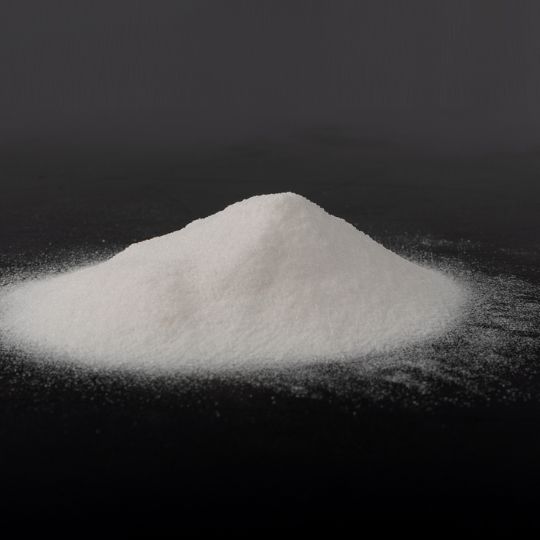
Appearance:White crystalline powder
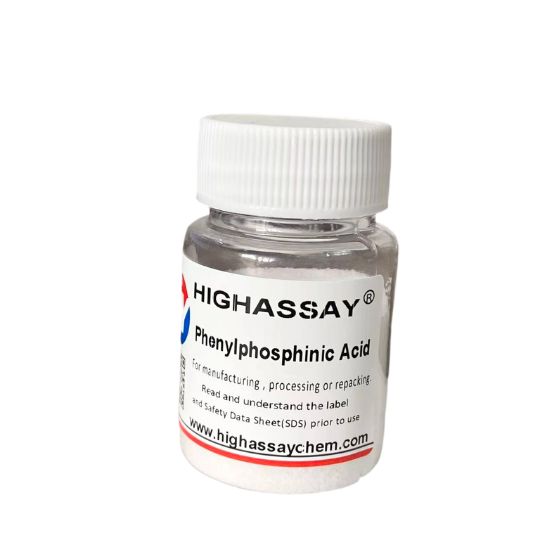
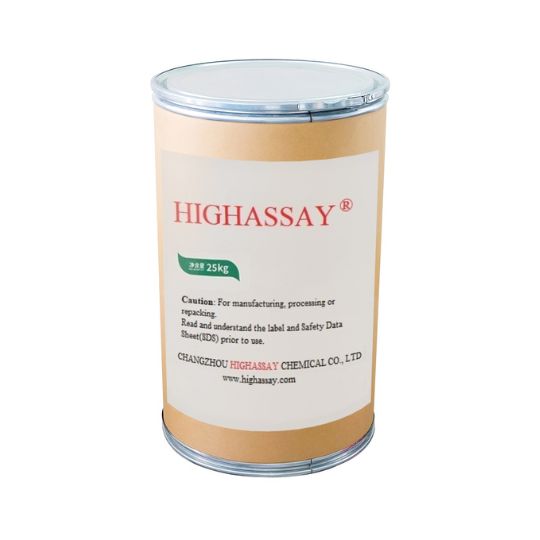
Regular commercial package:25kg/drum
What is Phenylphosphinic Acid?
- Phenylphosphinic Acid, also known as Phosphinic Acid, is an organophosphorus compound that appears as a white crystalline solid.
- Phenylphosphinic Acid is a moderately strong acid that readily decomposes at high temperatures, producing toxic gases.
- It is a multi-functional platform compound that, due to its extremely strong chelating and reactive properties, has become a key intermediate and additive.This has enabled efficient flame retardation of materials, separation and purification of metals, surface functional modification, and the construction of pharmaceutical molecules.
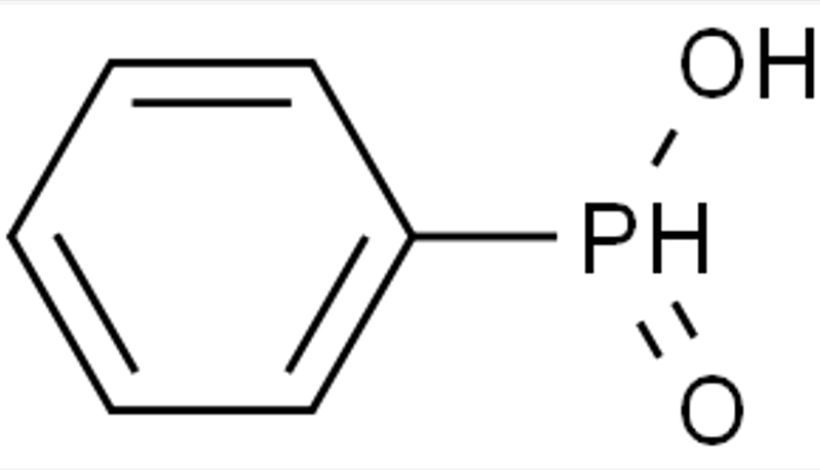
Highassay’s Phenylphosphinic Acid
Highassay, as a supplier of Phenylphosphinic Acid raw materials from China, offers Phenylphosphinic Acid powder with a purity of 98% or higher, and provides an MSDS with the product.
Highassay possesses mature preparation processes and complete production equipment, enabling us to provide you with a stable supply of Phenylphosphinic Acid.
If you have any questions during use, the Highassay team will provide you with the most professional advice and the perfect solutions.
Don’t hesitate, for Phenylphosphinic Acid raw materials, choose Highassay! We look forward to your inquiry!
Applications of Phenylphosphinic Acid
Highassay adheres to strict quality control (QC) to produce Phenylphosphinic Acid. Buy Phenylphosphinic Acid in bulk from us now to get competitive market prices.
 Flame Retardant
Especially in engineering plastics, it is used as an additive for unsaturated polyesters, polyurethane resins, etc., to impart flame retardancy. It is a highly efficient and environmentally friendly halogen-free flame retardant intermediate.
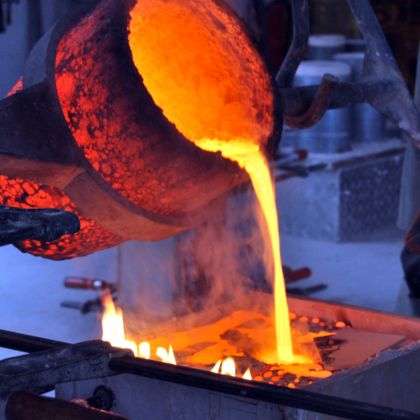 Metal Extractants and Chelating Agents
These play a unique and important role in the field of metallurgy, enabling the separation, purification, and extraction of metal ions from complex minerals, solutions, and waste materials.
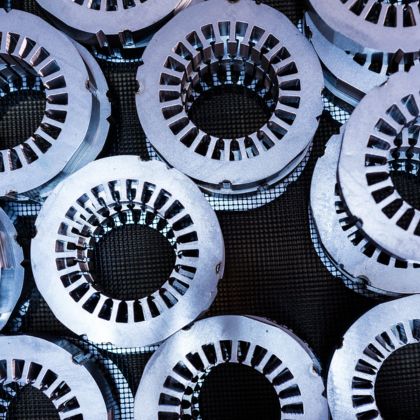 Electroplating Solution
This is a highly functional additive used in advanced electroplating technology. It not only makes the plated surface bright and smooth but also provides the plating with enhanced corrosion resistance and wear resistance.
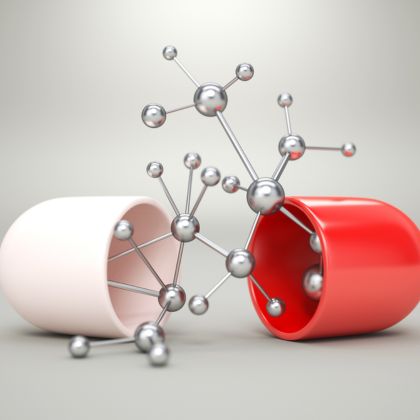 Pharmaceutical Synthesis
Phenylphosphinic Acid is primarily used in the synthesis of novel drugs or as an intermediate in drug synthesis, particularly in the development of new drugs based on structural design and targeted therapy.
 Modifying Agent
As a modifying agent for polymer materials, it integrates with the material itself through chemical reactions, permanently improving the overall performance of the polymer material, such as heat resistance and fire resistance.
 Water Treatment Agents
These agents can effectively prevent metal corrosion and scale deposition, and are mainly used in industrial circulating cooling water systems, oilfield water injection systems, and other applications.
Phenylphosphinic Acid - Flame Retardant
- Phenylphosphinic acid is a high-performance, environmentally friendly flame retardant that helps materials achieve halogen-free, low-smoke, and low-toxicity properties.It is widely used in plastics, rubber, textiles, electronics, and other fields.
- The dual flame retardant mechanism combines gas-phase and condensed-phase flame retardation, and the combination of these two methods achieves the strongest flame retardant effect during polymer combustion.If it can be used in combination with nitrogen-based flame retardants, it can achieve a synergistic effect where 1+1 > 2.
- Phenylphosphinic Acid and its metal salt forms exhibit good thermal stability and have minimal impact on the properties of the materials.Especially suitable for engineering plastics and special materials that require high electrical performance, mechanical properties, and flame retardancy.
- For example, PA and PBT are typical engineering plastics, used in electronic and electrical connectors, automotive parts, etc.

Highassay’s Advantage
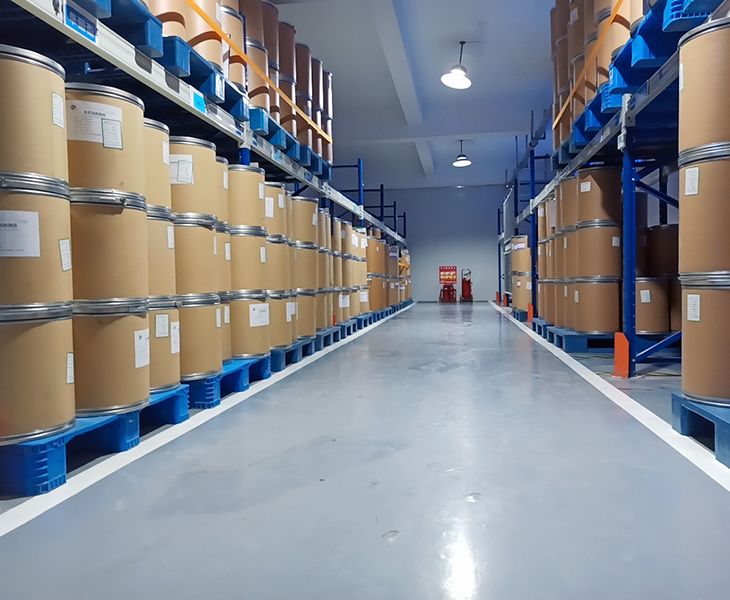
- Packaging: The product uses a combination of inner and outer packaging to ensure the raw materials remain dry and their properties stable. The outer packaging also features GHS hazard labels and supplementary warning signs.
- Storage: Store separately, avoiding mixing with other products; maintain appropriate temperature and humidity; and place on shelves.
- Transportation: Goods are transported by specialized vehicles; transportation personnel are professionally trained and equipped with emergency equipment.
- Usage: We follow the first-in, first-out principle to ensure that the raw materials you receive are not those that have been stored for a long time, thus guaranteeing their quality.
Phenylphosphinic Acid and its Derivatives
- Using Phenylphosphinic Acid as the “parent compound,” a vast “family” of related compounds has been derived.
- Phenylphosphinic Acid derivatives improve the limitations of Phenylphosphinic Acid, optimize its performance, and expand its applications.
- Taking Phenylphosphinic Acid derivatives—specifically aluminum Phenylphosphinate—as an example, it is the most important commercial derivative of Phenylphosphinic Acid and is considered the “king of flame retardants”.It exhibits reduced hygroscopicity, improved thermal stability, good compatibility with polymers, and high flame retardant efficiency.

Halogen-free flame retardants refer to flame retardants that do not use chlorine- or bromine-containing chemicals to achieve flame retardancy, offering the advantages of high efficiency and environmental friendliness.In the past, brominated flame retardants, although effective and used in small quantities, had a huge impact on the environment and human health.
Phenylphosphinic Acid can cause irreversible damage to the eyes. Experiments have shown that even very small amounts can cause serious damage to the cornea.
The most common method for synthesizing Phenylphosphinic Acid is the mild hydrolysis reaction of Phenyldichlorophosphine with water, which is also the most frequently used preparation method in both laboratories and industry. The reaction needs to be carried Mout at low temperatures.
Precautions for Phenylphosphinic Acid
- Due to its strong molecular polarity and water solubility, phenylphosphinic acid is a hygroscopic material.Proper moisture protection measures must be taken during storage to prevent any impact on product quality during use.
- Phenylphosphinic acid is classified as a hazardous chemical, particularly due to its local chemical corrosive and irritant effects.Safety is especially important during the interaction process.
- During storage, in addition to keeping the product away from heat and fire sources, it is also necessary to avoid contact with oxidizing agents and alkaline substances.Contact with this substance can easily lead to a violent reaction, posing risks of explosion and the release of toxic gases.