
Product Overview
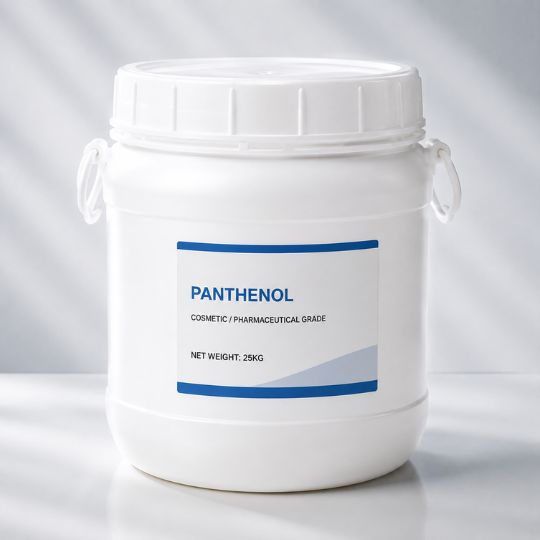
- Product Name: Panthenol
- Synonyms: D-Panthenol, Pantothenol, Dexpanthenol, Provitamin B5
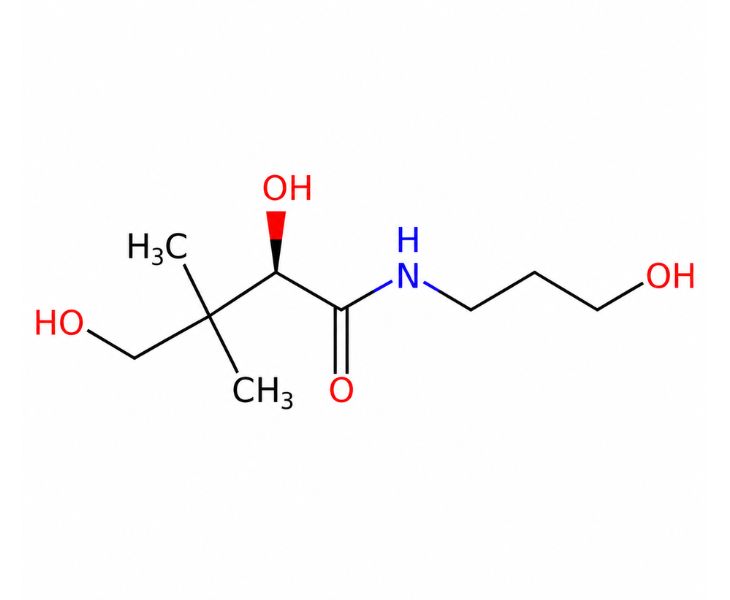
- Chemical Name: D-(+)-2,4-Dihydroxy-N-(3-hydroxypropyl)-3,3-dimethylbutyramide
- CAS No.: 81-13-0
- Molecular Formula: C₉H₁₉NO₄
- Molecular Weight: 205.25
- EINECS No.: 201-327-3
Note: This product is highly active D-panthenol, not the DL-panthenol racemate.
What is Panthenol?
Panthenol, often referred to as provitamin B5, is an alcohol derivative of pantothenic acid.
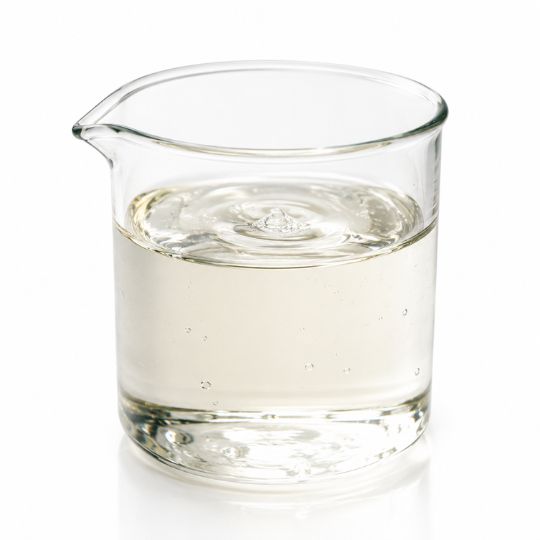
Cosmetic-grade panthenol (D-panthenol) appears as a colorless to slightly yellow, transparent, viscous liquid and can be incorporated into a wide range of skincare formulations. While it possesses no intrinsic vitamin activity itself, it is metabolized by the skin into active pantothenic acid (vitamin B5), thereby providing benefits such as moisturization, repair, soothing, and hair care.
This ingredient is gentle and easily absorbed, making it a preferred choice for formulation chemists and personal care manufacturers alike.
Why choose Highassay?
Highassay is a professional supplier of D-Panthenol raw materials based in China, providing liquid, cosmetic-grade Panthenol.
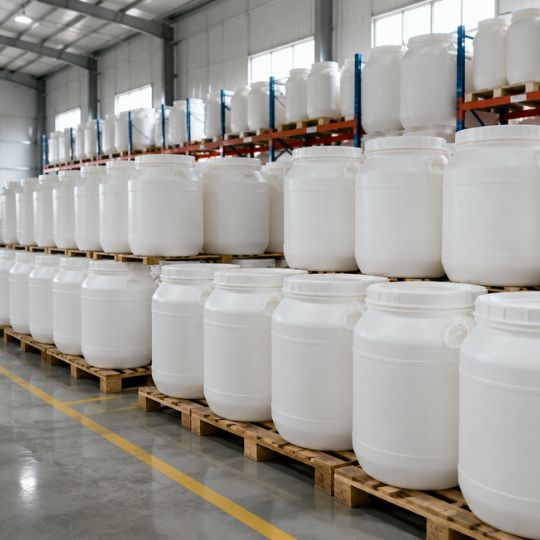
- Stable Supply: Consistent, large-scale supply to meet continuous production needs.
- Full Documentation:Comprehensive COA, MSDS, and third-party test reports provided to ensure export compliance.
- Flexible Customization:Packaging options ranging from 5kg containers to IBC totes to suit various production lines.
- Sample Support: Free samples available and flexible minimum order quantities (MOQ).
Buy Panthenol, choose Highassay—a reliable supplier partner.
Specification of Panthenol
- Specification of Panthenol
Item | Specification |
| Assay | 98.0% ~ 102.0% |
| Appearance | Colorless to slightly yellow clear viscous liquid |
| Specific Rotation [α]²⁰/D | +29.0° ~ +31.5° |
| Refractive Index n²⁰/D | 1.495 ~ 1.502 |
| Water Content | ≤ 1.0 % |
| Residue on Ignition | ≤ 0.1 % |
| Heavy Metals (as Pb) | ≤ 10 ppm |
| 3Aminopropanol | ≤ 1.0 % |
| pH Value (5% aqueous solution, 25°C) | 8.5 ~ 10.5 |
| Density | Approx. 1.20 g/mL (20°C) |
| Microbiological Limits | TAMC ≤100 CFU/g;TYMC ≤10 CFU/g;Pathogens: Absent |
Pantothenic acid (vitamin B5) is the active ingredient of panthenol. Panthenol is a more stable precursor form of pantothenic acid. When pantothenic acid enters the body, it will change back to pantothenic acid again to work.
Moisturizing Support, Skin Conditioning, Hair Conditioning, Formulation Versatility.
Store sealed in a cool, dry and dark place away from high temperatures.
As long as it is stored correctly and the original packaging is unopened, the shelf life is 24 months.
D-panthenol is a dextrorotary active configuration and has physiological activity; DL-panthenol is a racemate and has half the activity. There is a significant difference in efficacy and price between the two.
We maintain regular spot inventory all year round, and standard large-volume orders can be shipped directly from stock; extremely large-volume orders require a production schedule of 7 to 15 working days.
Advantages of Cosmetic-Grade Panthenol
- Excellent water solubility: Easily dissolves in aqueous phases, is compatible with most water-based formulas, and simplifies the formulation process.
- Mild and non-irritating: Gentle in nature with low skin irritation, allowing for a wider range of product applications.
- High stability: Resists decomposition under standard cosmetic processing conditions, helping to maintain the stability of the finished product.
- Odorless: Features a neutral, mild profile that does not interfere with the product’s fragrance system, simplifying the formulation of scents.
- Exceptional compatibility: Can be combined with the vast majority of cosmetic ingredients, enabling diverse formulation possibilities.
Applications of Panthenol
- Skincare products (moisturizing, repairing, sun protection, and anti-aging products)
- Hair care products (shampoos, conditioners, hair masks)
Recommended Dosage
- Skincare formulations: 0.5%–5.0%
- Hair care formulations: 0.2%–3.0%
Note: Suitable pH range is 4–8; avoid prolonged heating at high temperatures—addition during a low-temperature processing stage is recommended.