


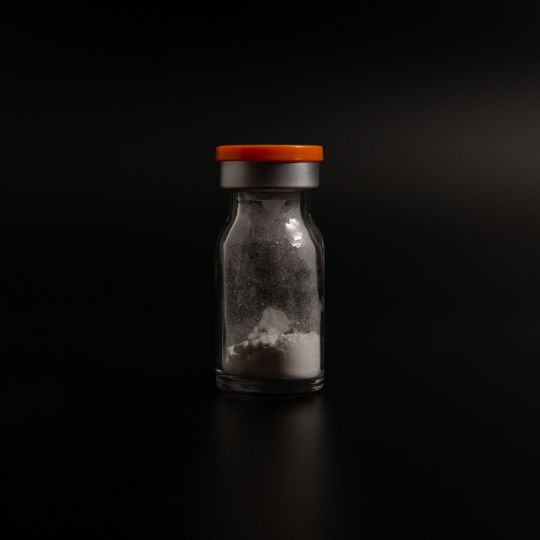
Basic Information of O-Phospho-L-Threonine
- Product Name: O-Phospho-L-Threonine
- English aliases: L-Threonine O-phosphate, Phosphothreonine, O-Phospho-L-threonin, O-Phospho-L-Threonine, L-Threonine phosphate, Phosphorylated L-Threonine, L-Threonine O-phosphate
- Industry Abbreviations: L-PT, L-phospho-L-threonine
- Other language names: German: O-Phospho-L-threonin; French: O-Phospho-L-thréonine; Spanish: O-Fosfo-L-treonina
- CAS number: 1114-81-4
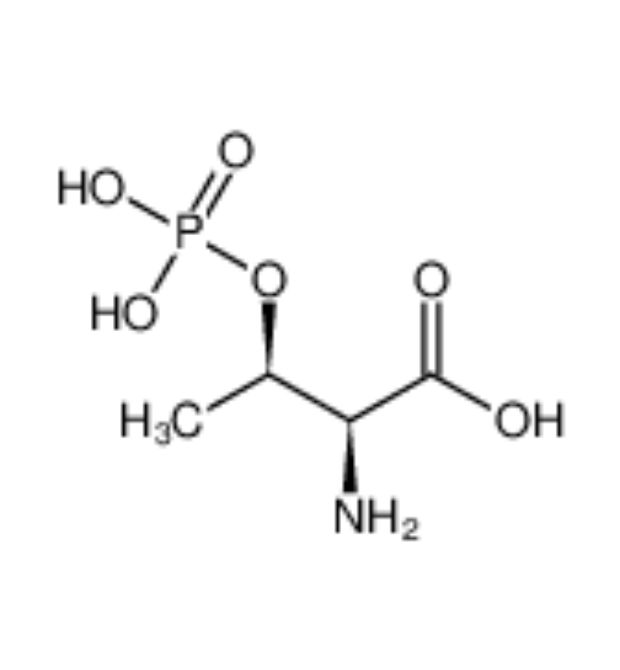
- Molecular Formula: C₄H₁₀NO₆P
- Molecular Weight: 199.09 g/mol
- Product Grade: Reagent grade,Pharmaceutical grade,Industrial grade
- Main uses: Diagnostic reagents, Pharmaceutical intermediates, Functional additives
Physicochemical Properties of O-Phospho-L-Threonine
- Appearance and smell: White to off-white crystalline powder, odorless, slightly acidic taste.
- Solubility: Easily soluble in water (solubility approximately 25 g/100 mL at 25°C), slightly soluble in ethanol, and insoluble in ether and chloroform.
- Boiling Point: Decomposition (decomposition above 230℃)
- Melting Point: 180-185℃ (decomposes)
- Density: 1.65-1.69 g/cm³ (solid crystal density)
- Purity: ≥98% (pharmaceutical grade), optical purity ≥99%ee
- Stability: Store in a cool, dry place where it is stable, avoiding high temperatures, humidity, and light.
- Danger: Low toxicity or practically non-toxic; some products may cause slight irritation.
- Emergency Response: Skin contact: Rinse immediately with plenty of water; Ingestion: Seek immediate medical attention.
Supplementary Technical Details for O-Phospho-L-Threonine
- Production Methods: The product is obtained by phosphorylation of L-threonine with phosphoric acid in the presence of a catalyst, followed by purification by ion exchange chromatography.
- Acute Toxicity (LD50): Oral LD50 in rats: >5000 mg/kg (practically non-toxic); Intraperitoneal LD50 in mice: 3200-3700 mg/kg
- Chronic Toxicity: No significant toxicity with long-term use, meets pharmaceutical-grade USP standards.
- Upstream and downstream products (raw materials): L-threonine, phosphoric acid, catalyst
- Upstream and downstream products (downstream): Biochemical research reagents, Pharmaceutical development intermediates, and Scientific research applications
- Quality Standards: Compliant with USP, EP, and GB
- Detection Methods: HPLC, UV, IR, etc.
- Transportation Methods: Sea freight, air freight, and express delivery
- Payment Methods: T/T, L/C, Western Union, etc.
- Certification Status: ISO9001, GMP, kosher halal etc.
- Technical Support: Provide product application technical guidance and solutions
Packaging and Storage of O-Phospho-L-Threonine
- Packaging:The specific packaging method is often adjusted according to supplier standards and customer requirements.
- Storage: Store in a cool, dry, and well-ventilated environment; avoid direct sunlight and moisture
- Shelf Life: 24 months from the production date under proper storage conditions
- CAS number: 1114-81-4
- Molecular Formula: C₄H₁₀NO₆P
- Molecular Weight: 199.09 g/mol
- Implementation Standards: Enterprise standards or USP/BP/EP/CP
- Precautions: Avoid storing with strong oxidizers, strong acids, or strong alkalis; wear protective equipment during operation.
- After-sales Service: Provides COA and MSDS; free returns and exchanges for quality issues; technical support.

Applications of O-Phospho-L-Threonine
Reagent grade O-Phospho-L-Threonine
- Reagent-grade O-Phospho-L-Threonine can be used as a tool in life science research.For example, they are core tools in kinase/phosphatase research and key antigens in antibody development and validation.
- Reagent-grade O-Phospho-L-Threonine is used as a standard in chromatographic analysis.This product is used for the qualitative and quantitative determination of phosphothreonine in biological samples (serum, cell lysates).
- Reagent-grade O-Phospho-L-Threonine can be used as a supplement in specific culture media and as an exogenous additive to regulate cell behavior.
Pharmaceutical grade O-Phospho-L-Threonine
- Pharmaceutical-grade O-Phospho-L-Threonine can be used as an intermediate in the synthesis of phosphorylated amino acids and peptide drugs.
- Pharmaceutical-grade O-Phospho-L-Threonine is used in clinical diagnostic kits for the detection of phosphorylated proteins associated with specific diseases (such as cancer and neurodegenerative diseases).
Industrial grade O-Phospho-L-Threonine
Industrial-grade O-Phospho-L-Threonine is primarily used as a high-end industrial raw material, process aid, and functional additive.For example, it can be used as a functional coating/interface material for surface treatment of medical devices and implants (such as artificial joints, bone plates, and dental implants).
Get an Instant Quote Now