

Basic Physicochemical Properties of Urotropine
- Synonym: Methenamine, hexamethylenetetramine, or Hexamine.
- Chemical Properties: Molecular Formula: C6H10N4
- Molecular Weight: 140.1
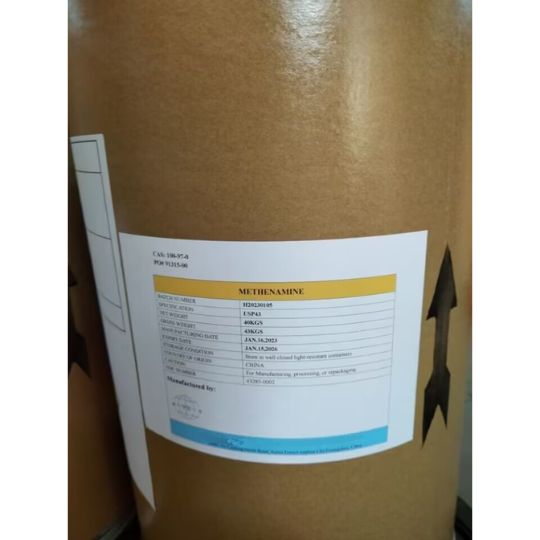
- CAS Number: 100-97-0
- UN Number: 1328
- Solubility: Soluble in water and chloroform; sparingly soluble in carbon tetrachloride, acetone, benzene, and ether; insoluble in petroleum ether.
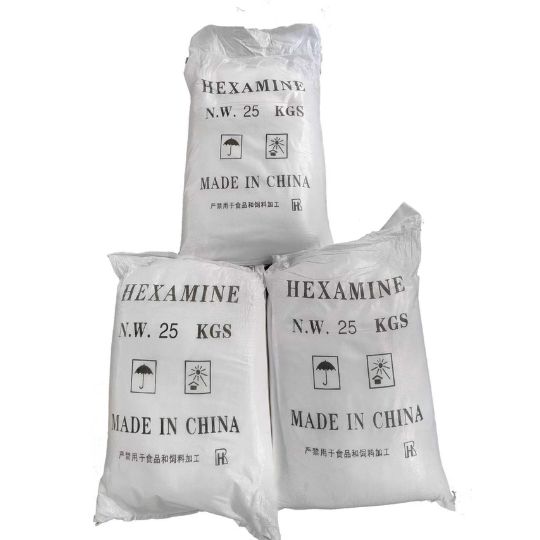
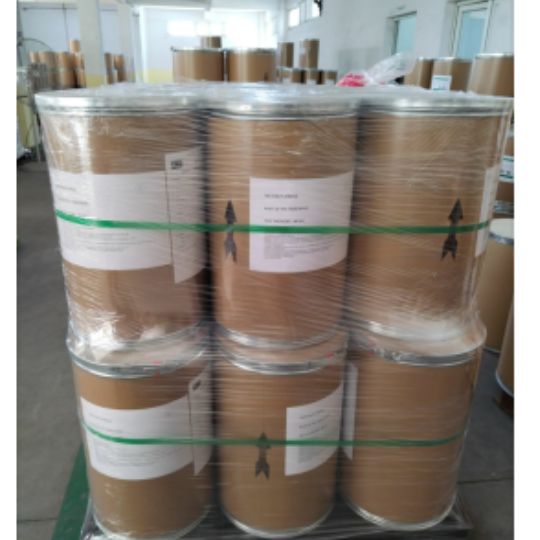
- Regular package: pharmaceutical grade 40kg/drum;
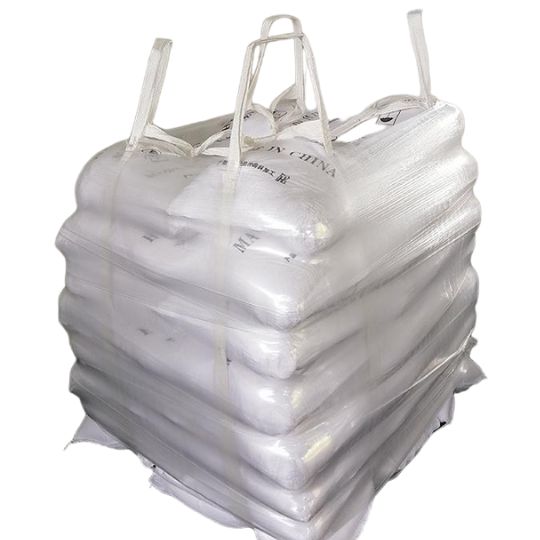
Industrial grade 25kg/bag
How Does Methenamine Work?
When used as an antibacterial drug, methimamine decomposes into ammonia and formaldehyde in an acidic environment. Most bacteria and fungi are intolerant of formaldehyde and die, thus achieving the bactericidal effect of methimamine. Methenamine itself does not have bactericidal properties; it is its decomposition product, formaldehyde, that has bactericidal effects. Compared to other antibacterial drugs, methimamine does not induce drug resistance.

What Is Methenamine?
Methenamine, is a white, hygroscopic crystalline powder or colorless, lustrous rhombic crystal. It is volatile, extremely flammable, and classified as a Class 4.1 hazardous material. Depending on its application, methenamine is classified as consumer grade, industrial grade, and pharmaceutical grade.
Methenamine Uses And Application
 In Medicine
Urotropine is used to treat urinary tract infections. It can also be used as an antiperspirant to treat tinea and bromhidrosis. It is a highly effective antidote for formaldehyde poisoning.
 In The Aerospace Industry
Methenamine is used as a rocket propellant, increasing combustion efficiency by 15%. In daily life, it is used as fuel flakes to instantly heat camping food and ready-to-eat rations. Militarily, it is a key component of RDX and C4 explosives.
 Industrially
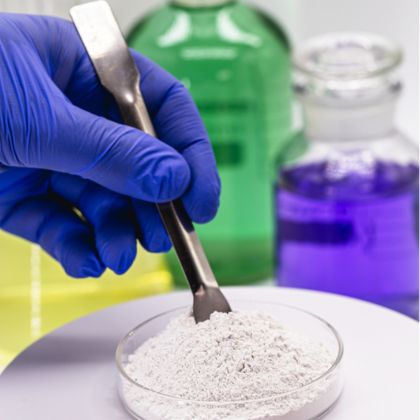
Methenamine is used as a raw material to further produce phenolic resins and synthesize chloramphenicol. It is a catalyst in some chemical synthesis processes. It is used as a curing agent for resins and plastics
 In the Food Additives
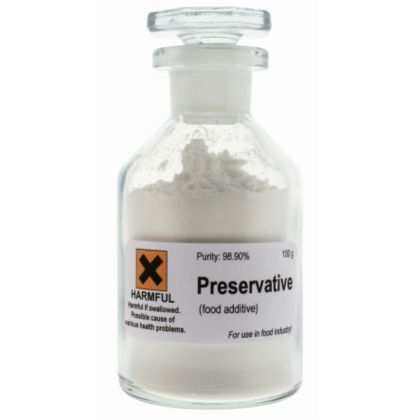
Methenamine can also be used as a preservative in food additives.
 In Materials Science
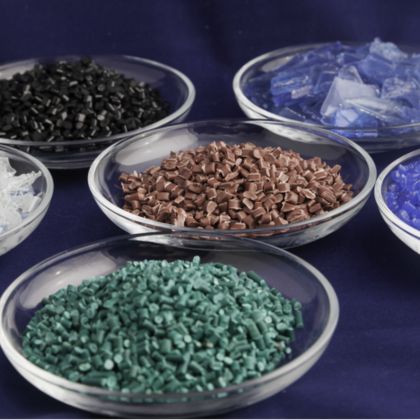
By replacing triethylenediamine, the preparation of metal-free perovskite single crystals hmta-NH4Br3 can improve crystal hardness and structural stability, making it suitable for high-pressure optoelectronic devices.
Hexamine Blocks and Hexamine Fuel Tablets
Hexamine are a white solid fuel, commonly available in block and flake forms.
They are primarily used in portable stoves or military fuel blocks for camping or outdoor activities. They are ideal portable heat sources for outdoor activities such as wilderness survival or emergencies.
As fuel, Hexamine blocks and Hexamine fuel tablets offer significant advantages.

Combustion products are mainly nitrogen and water, non-toxic, smokeless, and odorless. No harmful gas emissions.

Complete combustion leaves only a small amount of ash, minimizing environmental impact.

Customizable into small, portable blocks, making them popular with consumers.
Common brands on the market include Esbit Hexamine from Japan
Methenamine for UTIs
Methenamine is a common drug for treating urinary tract infections. Its formulations include tablets, injections, and compound tablets containing hippuric acid and mandelic acid, suitable for infection prevention and postoperative care in patients with neurogenic bladder and those undergoing catheterization.
The mechanism of action is that Methenamine slowly hydrolyzes into ammonia and formaldehyde in acidic solutions, such as urine. Formaldehyde denatures proteins, exerting a non-specific antibacterial effect. The concentration of formaldehyde in urine varies depending on pH, urine volume, and excretion rate, exhibiting either bactericidal or bacteriostatic effects. Methenamine can be used long-term without developing drug resistance like antibiotics. When using this medication, it should be combined with vitamin C or ammonium chloride to acidify the urine. Alkaline foods and medications should be avoided.
The following medications are not recommended for concurrent use while using Methenamine: Acetazolamide; Bumetanide; Chlorthalidone; Furosemide; Indapamide; Mafenide; Metolazone; Silver Sulfadiazine; Sulfabenzamide; Sulfacetamide;

Sales & Purchase Notes
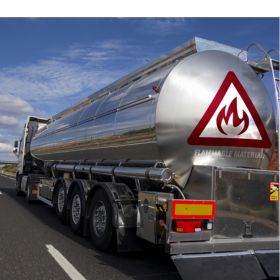
Methenamine, as a Class 4.1 dangerous chemical (UN1328), requires mandatory commodity inspection by Chinese customs before export, with an inspection cycle of approximately 3 weeks. It is recommended that you allow sufficient time before purchasing.

As a high-risk chemical, transportation costs are significantly higher than for ordinary chemicals. Methenamine has a shelf life of 3 years. Taking into account both cost and procurement cycle, it is recommended to purchase more than 1000kg each time for better cost-effectiveness; purchases of less than 1000kg are too expensive and not cost-effective.
Highassay Advantages
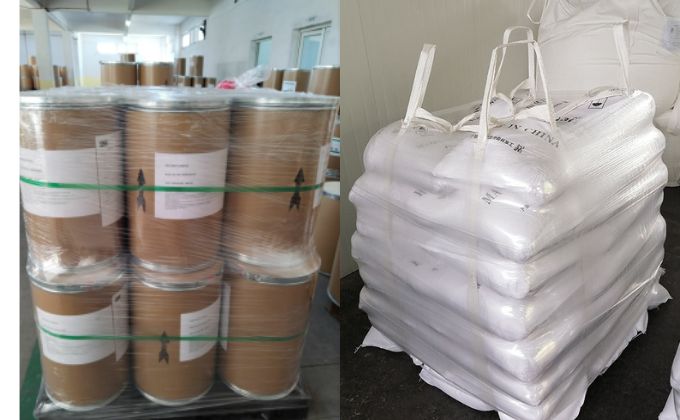
Compared to other suppliers, Highassay offers a comprehensive range of Methenamine grades, including industrial and pharmaceutical grades.
Pharmaceutical grade products come with local FDA registration documents, ensuring compliant registration and use upon purchase.

Pharmaceutical grade products come with local FDA registration documents, ensuring compliant registration and use upon purchase.

No, Methenamine is not an Antibiotic.
Methenamine is Anti-infectives; Antiseptic; Antibacterial.
The treatment duration varies from person to person. You should consult your doctor about the specific duration of medication.
Hiprex; Mandelamine; Urex
When used as an antibacterial drug, methynamine utilizes its ability to decompose into ammonia and formaldehyde in acidic environments. Most bacteria and fungi are intolerant of formaldehyde and die, thus achieving the bactericidal effect of methynamine. Methenamine itself does not have bactericidal properties; it is its decomposition product, formaldehyde, that has the bactericidal effect. Compared to other bactericidal drugs, methynamine does not induce drug resistance.
Currently, there is no evidence that methimamine causes cancer, and its scientific use is safe. Although methimamine readily decomposes into formaldehyde, a well-known carcinogen, current animal studies have shown that methimamine is safe when used as a drug and has not increased the incidence of cancer. Clinical trials also lack data to support that methimamine significantly increases the carcinogenicity rate.
Specification of pharmaceutical grade Methenamine powder
| Items | USP Standards |
| Characteristics | A white, crystalline powder or colorless crystals, freely soluble in water, soluble in alcohol and in methylene chloride |
| Identification | IR Ammonia test |
| Chloride | 0.014% max |
| Residue on ignition | 0.1% max |
| Sulfates | No turbidity is produced within 1 minute |
| Ammonium salts | The mixture is not darker in color than a mixture of 1ml of the reagent and 10ml of water |
| Heavy metals | 0.001% max |
| Loss on drying | 2.0% max |
| Residual solvents | Meet the requirement |
| Assay | 99.0-100.5% |
| Microorganism | |
| TPC | <1000cfu/g |
| Y and M | <100cfu/g |
| E-coli | -Absent |
| Staphylococcus Aureus | -Absent |
| Pseudomonas Aeruginosa | -Absent |
| Albicans Saccharomyces | -Absent |
Specifications of industrial grade Methenamine/Urotropine powder
| Items | Premium grade | First grade | Qualified product |
| Purity | 99.3%min | 99.0%min | 98.0%min |
| Moisture | 0.5% max | 0.5% max | 1.0%max |
| Ash | 0.03%max | 0.05%max | 0.08%max |
| Appearance of aqueous solution | Qualified | Qualified | — |
| Heavy metal (calculated as Pb) | 0.001%max | 0.001%max | — |
| Chloride (as CI) | 0.015%max | 0.015%max | — |
| Sulfate (as SO4 ) | 0.02%max | 0.02%max | — |
| Ammonium salt (as NH4 ) | 0.001%max | 0.001%max | — |
Methenamine VS Methenamine HippurateVS Methenamine Mandelate
These are different products.
Methenamine CAS 100-97-0, Methenamine Hippurate CAS 5714-73-8. Methenamine Mandelate CAS 587-23-5.
Methenamine Hippurate is the Hippurate salt of Methenamine.
Methenamine Mandelate is the Mandelate salt of Methenamine
Methenamine Hippurate and Methenamine Mandelate are both mainly used as antibacterial drugs to treat urinary tract infections.
Methenamine has a wider range of uses, from industrial and pharmaceutical applications to everyday life.