

A Brief Introduction to Mannitol
Molecular Formula: C6H14O6
Molecular Weight: 182.17
CAS No.: 69-65-8
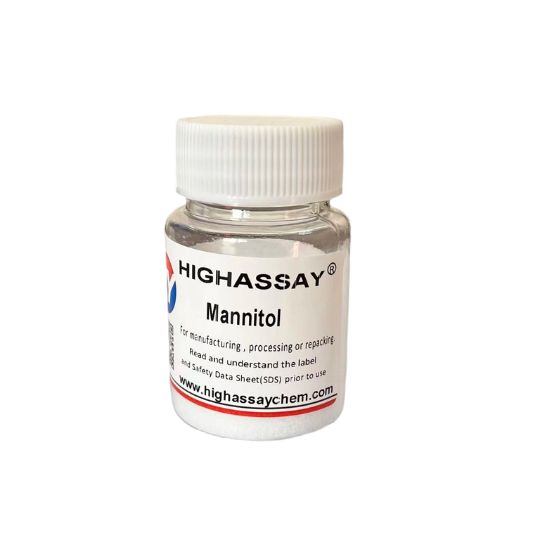
Appearance: A white or off-white crystalline powder or granules.
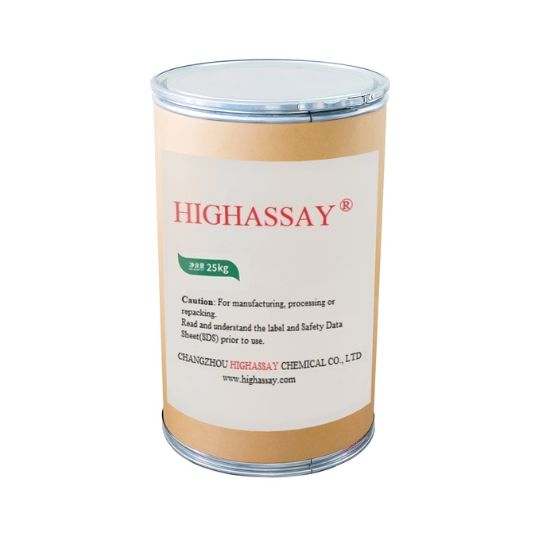
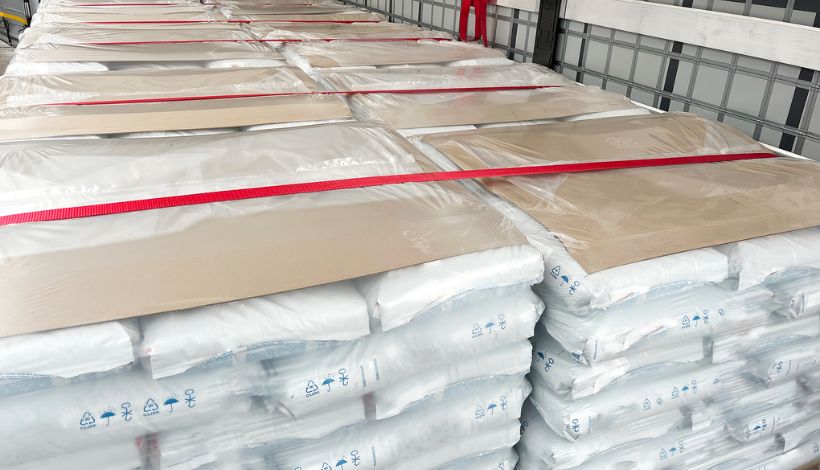
Regular commercial package: 25kg/drum
What is Mannitol?
Mannitol, also known as D-Mannitol, is a sugar alcohol that appears as a white crystalline powder or colorless needle-shaped crystals. It is odorless but has a cool, sweet taste and is derived from the reduction of sugars (Mannose). Due to its low calorie content, low glycemic index, low hygroscopicity, and stability, it is widely used in the food, pharmaceutical, and chemical industries. Most notably, Mannitol acts as a natural dehydrating agent and has diuretic properties. Mannitol is one of the essential medicines indispensable in basic healthcare systems and has been included in the World Health Organization’s list of essential medicines.
Why choose Highassay?
Highassy, as a Mannitol raw material supplier from China, offers various grades of Mannitol and possesses multiple production processes, including crystallization, spray drying, and melt-spray condensation, to meet your diverse needs, whether for direct use in pharmaceutical manufacturing or as an excipient for further processing into tablets and other downstream products.
Highassay’s raw materials comply with the pharmacopoeia standards of multiple countries (such as CP, USP, EP, BP, JP, IP, E421/FCC/GB1886), and have obtained multiple certifications (such as ISO9001, ISO14001, ISO22000, HACCP, KOSHER, HALAL, GMP, FDA, CDE). By choosing us, your products will receive the highest quality assurance. We look forward to cooperating with you!
The functions of Mannitol in prescriptions include: dehydration, diuresis, and blood pressure reduction
- Mannitol is generally administered in prescription form as an intravenous infusion, most commonly via rapid intravenous drip. It works by increasing plasma osmotic pressure and shifting interstitial fluid into the blood vessels, thus achieving dehydration and effectively lowering intracranial and intraocular pressure. As a commonly used emergency medication, it is characterized by its rapid onset of action and significant pressure-lowering effect.
- Mannitol is hardly reabsorbed by the renal tubules after being filtered by the glomeruli. By increasing the osmotic pressure of the urine, it produces a powerful osmotic diuretic effect, leading to the excretion of a large amount of water.
- Mannitol is commonly used for edema caused by head trauma, brain tumors, and cerebral hypoxia; edema caused by extensive burns; ascites due to renal failure; and for emergency pressure reduction in acute glaucoma.

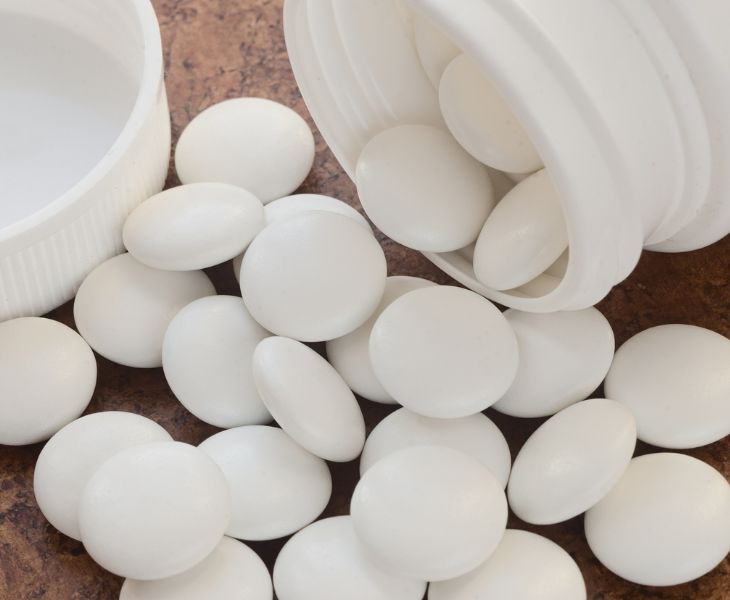
The roles of Mannitol in pharmaceutical excipients include: filler, stabilizer, flavoring agent, and thickening and lubricating agent
- Mannitol, as a pharmaceutical excipient in various dosage forms such as tablets, injections, and oral solutions, can effectively improve the stability, taste, and physical properties of drugs.
- Mannitol can mask the bitter or irritating taste of other combined medications with its own cooling and sweet taste, making the medication easier to swallow and more acceptable to patients.
- Through advanced processing of Mannitol (especially directly compressible mannitol), it becomes easier to form tablets, and less prone to crumbling or cracking during the tableting process with other medications.
- In lyophilized preparations, Mannitol not only maintains the appearance of the lyophilized product but also ensures its quality and stability.
Applications of Mannitol in the food industry: sweetener and anti-caking agent
- Due to its very low absorption rate in the intestines, Mannitol is a low-calorie (60% of sucrose) and low-sugar (50%-70% of sucrose) sweetener suitable for diabetics and people on weight-loss diets.
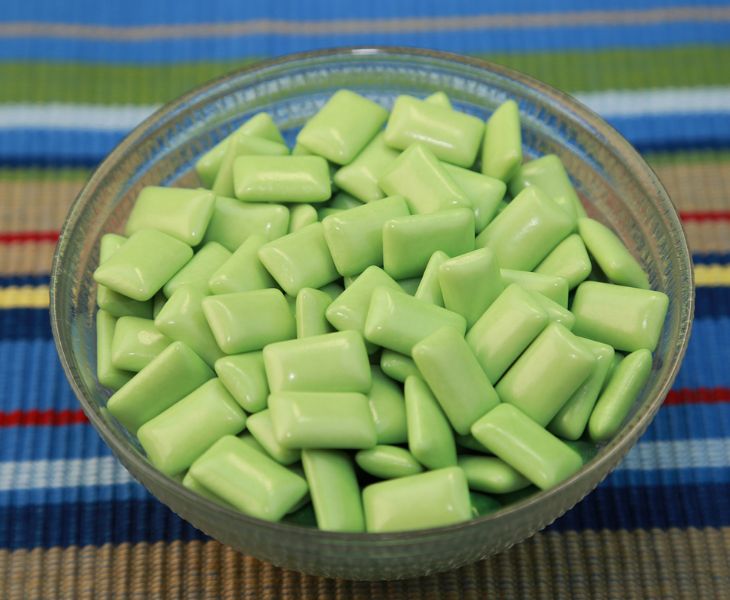
- Oral bacteria cannot break down Mannitol, so it does not cause tooth decay. Therefore, it can be used in the production of anti-cavity confectionery and is often added to sugar-free candies and chewing gum.
- Mannitol prevents food from sticking together through two mechanisms: “physical encapsulation and isolation” and “maintaining a dry surface,” thus maintaining the product’s fluidity and the state of individual particles.

Mannitol Contraindications, Side Effects, and Mechanism of Action
Mannitol Contraindications
- Patients with severe dehydration and hyperosmolar states
- Acute pulmonary edema or congestive heart failure
- Active intracranial hemorrhage (during non-surgical periods)
- Patients with renal impairment or anuria
- Patients allergic to mannitol
Mannitol Side Effects
- Common: Electrolyte imbalance, dehydration
- Serious: Worsening of heart failure, kidney problems
Mannitol Mechanism of Action
As an osmotic diuretic, it draws fluid from the brain and eyes, and eliminates it from the body through the kidneys in the form of urine.
Specification of Mannitol
- Specification of Mannitol
| Tests | Standard |
| Clarity and colour | Less than 1# turbidity fsol’n |
| Lead | 0.005% max |
| Particle size | 100% pass 80 mesh 99% pass 100 mesh 98% pass 120 mesh |
| Assay | 96.0~101.5% |
| Melting point | 166~170℃ |
| Nickel | 0.0001% max |
| Arsenic | 0.0001% max |
| Alkalinity | 0.3 ml max |
| Acidity | 0.3ml max |
| Loss on drying | 0.3% max |
| Chloride | 0.007% max |
| Sulfate | 0.01% max |
| Reducing sugar | A very small proportion of precipitation is formed |
| Specific rotation | +137~+145 ° |
| Sorbitol | Negative |
| Conclusion | The product complies with USP |
Mannitol Salt Agar is a solid culture medium specifically designed for the isolation and preliminary identification of *Staphylococcus aureus* in clinical and food samples. The Mannitol in Mannitol Salt Agar acts as a differentiating component, used to detect whether bacteria can ferment Mannitol.
Yes, but Mannitol is a prescription drug for dogs and must be prescribed by a veterinarian. It is used to treat head trauma, glaucoma, and other conditions that cause swelling or edema in pets.
As a natural sugar alcohol, Mannitol is widely found in some plants (such as mushrooms), algae (kelp, seaweed, etc.), some fruits (such as olives and persimmons), and fermented foods.
Highassay’s Mannitol
Mannitol can be prepared using three processes: crystallization, spray drying, and melting. Spray drying and melting involve further processing of the crystallized powder and require separate production lines.
- Crystalline Mannitol is divided into ordinary crystalline Mannitol and injectable-grade crystalline Mannitol. Ordinary crystalline Mannitol is prepared through crystallization and has a crystalline appearance and characteristics. It is relatively inexpensive and must meet the standards for “pharmaceutical excipients” or “food additives.” It is commonly used as a basic Mannitol raw material in various industries such as the food industry, pharmaceuticals and healthcare, and chemicals and daily necessities. Injectable-grade crystalline Mannitol, as a pyrogen-free Mannitol, is often used as an osmotic diuretic in small and large volume parenteral injections; and as an isotonic agent and filler in lyophilized powders for Rx injections or infusions.
- Directly Compressible Mannitol (Spray Dried): Highassay offers three grades of spray-dried mannitol: 100SD, 150SD, and 200SD. As a water-soluble pharmaceutical excipient and filler for tablet production, it possesses excellent flowability, compressibility, and mixability, making it suitable for direct compression processes (orally disintegrating tablets, chewable tablets, oral dispersible tablets) and direct blending processes (lozenges or effervescent powders).
- Molten Mannitol: Highassay offers three models of molten Mannitol: 300DC, 400DC, and 500DC. It is produced by heating crystalline Mannitol to its melting point, transforming it into a liquid or molten state, thereby increasing its bioavailability. It is primarily used in the pharmaceutical field (solid dispersions, granule coating and granulation, etc.), the food industry (specialty candies and coatings, food powder encapsulation, etc.), and industrial applications (phase change energy storage materials, chemical synthesis intermediates, etc.).