

A Brief Introduction of Isoniazid
Molecular Formula: C6H7N3O
Molecular Weight: 137.14
CAS No.: 54-85-3
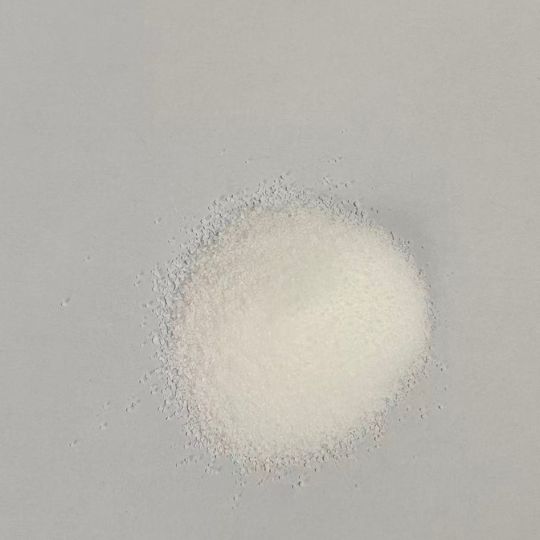
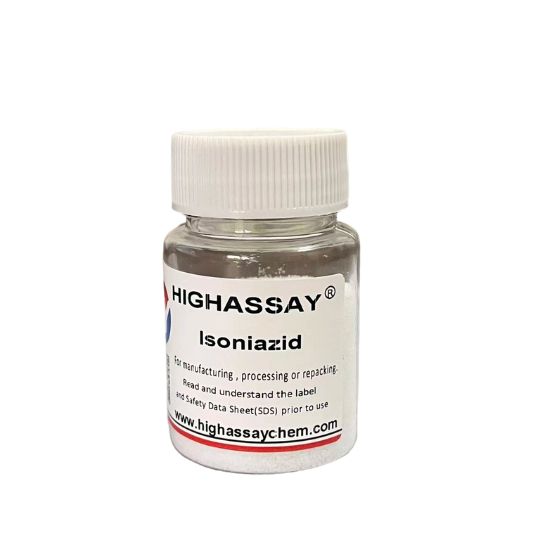
Appearance: White crystalline powder
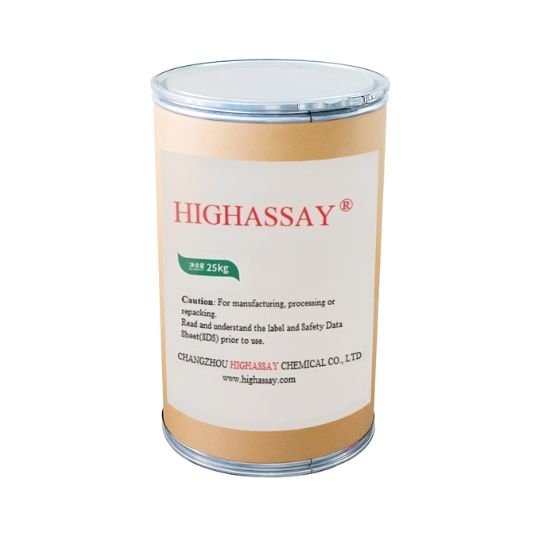
Regular commercial package: 25kg/drum
What is Isoniazid?
Isoniazid is a synthetic antibiotic with a strong bactericidal effect against Mycobacterium tuberculosis.Due to its significant bactericidal effect and price advantage, it has become the first-line drug for many tuberculosis patients. Isoniazid was successfully synthesized in 1912 and first introduced by Roche for the treatment of tuberculosis in 1952. Besides its low toxicity and easy absorption, Isoniazid’s broad bactericidal spectrum is also a major advantage; it can kill Mycobacterium tuberculosis in other parts of the body or in the trachea.

Why choose Highassay?
Highassay is a trading intermediary providing you with high-purity, high-quality, and stable Isoniazid raw materials. The factory supplying Highassay with Isoniazid raw materials is a comprehensive enterprise integrating R&D, production, and sales. Our products meet the standards of multiple pharmacopoeias, such as CP/BP/USP. Furthermore, the factory has a strict quality control system, ensuring that the raw materials you receive meet standards in all aspects, including appearance, content, purity, moisture content, and impurities. The quality of Highassay’s raw materials directly translates to the quality of your products,choosing us will definitely be the right decision you make!
What is Tuberculosis?
Tuberculosis is mainly caused by Mycobacterium tuberculosis. Tuberculosis is a chronic infectious disease with a latent period. Its main route of transmission is through the air, especially when infected individuals cough, sneeze, or talk, releasing the bacteria, posing a risk of infection to healthy individuals upon contact. Although Isoniazid is an effective drug for killing Mycobacterium Tuberculosis, its use alone can easily lead to drug resistance. Therefore, Isoniazid is generally not taken alone but rather in combination with other drugs used to treat Tuberculosis. This not only improves the treatment effect but also reduces the likelihood of Mycobacterium Tuberculosis developing resistance to Isoniazid, allowing for better utilization of the drug.


Mechanism of Action of Isoniazid
Isoniazid is easily absorbed by the human body and has strong penetrability. It inhibits the synthesis of tuberculosis acid, destroying the cell wall of Mycobacterium tuberculosis, causing the bacteria to lose their hydrophobicity, acid resistance, and proliferative capacity, thus leading to their death. Therefore, Isoniazid has a significant effect on the treatment of tuberculosis, including pulmonary tuberculosis and extrapulmonary tuberculosis.
Isoniazid can also be used to treat other tuberculosis diseases, such as tuberculous meningitis and pleurisy; and infectious diseases, such as bacterial dysentery and blepharitis. Recently, Isoniazid has also been found to have antidepressant effects. In addition to treating diseases, Isoniazid is also effective in the prevention and treatment of tuberculosis, especially for people who have had close contact with patients with active pulmonary tuberculosis, particularly children and adolescents; or HIV-infected individuals.
Isoniazid Dosage
Isoniazid is a prescription drug, and ordinary people cannot purchase and take it without a doctor’s prescription. A series of tests are required to confirm that you are suitable to take it. Therefore, regarding the dosage of Isoniazid, simply follow your doctor’s advice.
At normal doses, Isoniazid has few side effects. However, if your dosage is higher (more than 6 mg/kg daily), it is recommended to take vitamin B6 in conjunction with it to alleviate certain adverse symptoms (such as numbness in the limbs, muscle tremors, etc.). It is advisable to take liver-protecting tablets while taking Isoniazid, as the main and most common side effect of Isoniazid is drug-induced liver injury.

Specification of Isoniazid
- Specification of Isoniazid
| Product Name | Isoniazid |
| Molar Mass | 137.14 g/mol |
| Melting Point | 171-173 °C |
| Water Soluble | Easily soluble in water |
| Density | 1.244 g/cm³ |
| Properties | Odorless, gradually deteriorates upon exposure to light |
| Storage | Protect from light, seal tightly, and store in a dry place |
| Solubility | Soluble in water and ethanol; slightly soluble in chloroform and very slightly soluble in other solvents. |
| Prescription Type | Prescription drugs |
Rifampin, Pyrazinamide, Ethambutol. The latter two are suitable for initial treatment. Rifampin is used throughout the entire treatment process for Tuberculosis.
Yes, mainly due to a deficiency of vitamin B6. Timely and adequate supplementation of vitamin B6 can effectively prevent this symptom.
Yes, but the effectiveness of treatment may be affected by drug resistance.
Benefits of Isoniazid
- Treatment of tuberculosis
- Prevention of tuberculosis
- Adjuvant therapy
- Combination therapy for drug resistance
Applications of Isoniazid
The Isoniazid raw material provided by Highassay can be used to manufacture Isoniazid tablets and Isoniazid injections.
- Isoniazid tablets: Oral form, the primary method of administration for tuberculosis patients.
- Isoniazid injections: Suitable for severely ill patients or those who cannot take oral medication; the dosage needs to be determined based on the patient’s weight and condition.
The main groups for whom Isoniazid is contraindicated include
- pregnant and breastfeeding women
- people with abnormal liver function
- patients with mental illness or epilepsy