

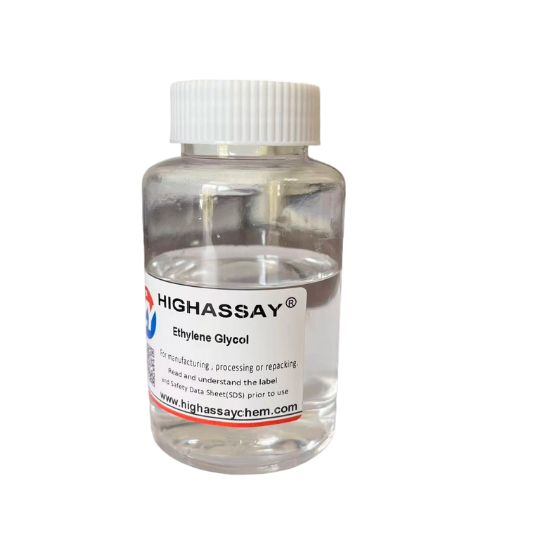

A Brief Introduction to Ethylene Glycol
Molecular formula:C2H6O2
Molecular Weight:62.07
CAS No.:107-21-1
Density:1.13g/ml
Appearance:Colorless, slightly sweet, transparent viscous liquid
Ethylene Glycol Uses
Ethylene Glycol is the simplest diol. Ethylene Glycol itself is toxic and therefore cannot be used in the production of food, pharmaceuticals, cosmetics, and other products.However a series of non-toxic or low-toxic derivatives can be produced based on Ethylene Glycol through chemical reactions. These derivatives are used in various industries, such as Polyethylene Glycol. In cosmetics, Polyethylene Glycol is used as a moisturizer, thickener, and emollient in lotions, creams, and shower gels. In pharmaceuticals, it is used as a tablet binder, ointment base, or a main ingredient in laxatives. In food, it is used as a humectant to improve the texture and flavor of food.
What is Ethylene Glycol?
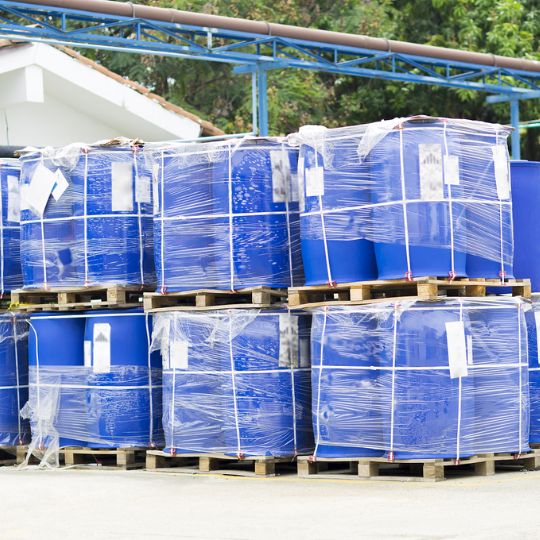
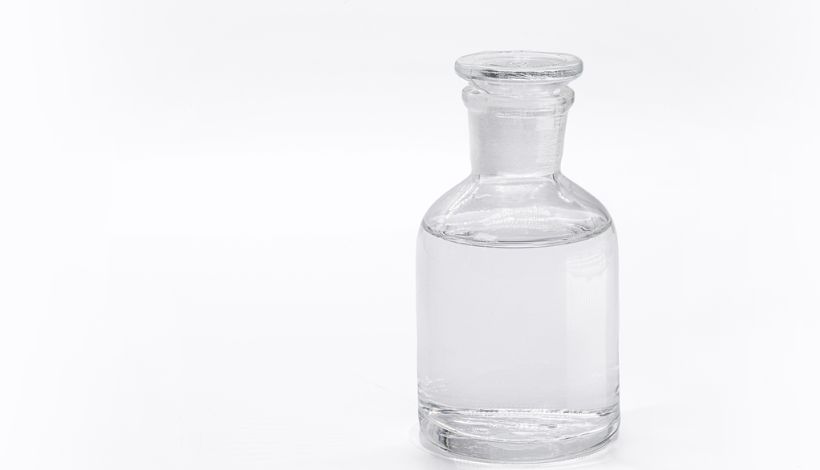
Ethylene Glycol, also known as Glycol, is a colorless, slightly sweet, transparent, viscous liquid. It is hygroscopic and requires sealed storage. Ethylene Glycol contains two hydroxyl groups, and its structural characteristics allow it to be infinitely miscible with water.This characteristic makes Ethylene Glycol an irreplaceable component in many fields such as automobiles, chemicals, and textiles. Highassay offers various grades of Ethylene Glycol, with discounts for bulk purchases. Please remember that Highassay is an Ethylene Glycol manufacturer from China; for your Ethylene Glycol needs, choose Highassay.
Applications of Ethylene Glycol
Highassay adheres to strict quality control (QC) to produce Ethylene Glycol. Buy Ethylene Glycol in bulk from us now to get competitive market prices.
 Industrial-grade Ethylene Glycol
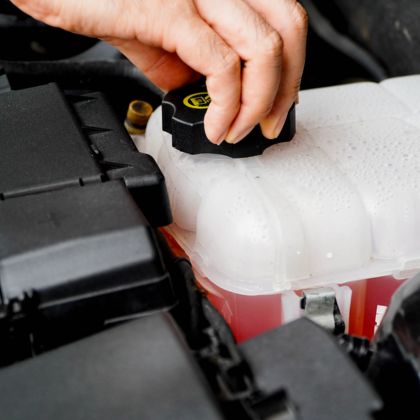
It has lower quality requirements for Ethylene Glycol, usually above 95%, and is a major component of antifreeze, coolant, heat transfer agent, de-icing agent, etc.
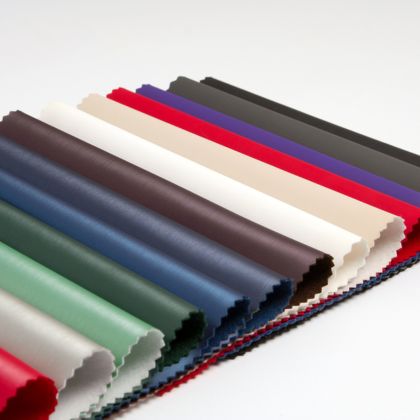 Fiber-grade Ethylene Glycol
High quality requirements are placed on Ethylene Glycol, with a purity of over 99.8%, making it a key raw material for the production of polyester fibers and polyester bottle chips.
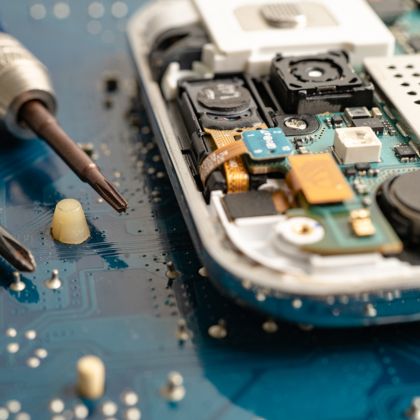 Electronic-grade Ethylene Glycol
Electronic grade Ethylene Glycol represents ultra-high purity and ultra-low impurities, and is mainly used in the cleaning, etching and other processes of electronic products.
Industrial Uses of Ethylene Glycol
When Ethylene Glycol is mixed with water, the freezing point of the resulting solution decreases and the boiling point increases. This property of Ethylene Glycol makes it a key factor in protecting engines, as it can protect engines from damage caused by temperature fluctuations. Therefore, it is widely used in the production of coolants, antifreeze, and other products.
Ethylene Glycol is used as a solvent in resins, paints, dyes, and other products. It allows water and other components to blend perfectly without separation, improving product stability. Alternatively, it can be used as a component in cleaning solutions to dissolve stubborn organic dirt, and its water solubility facilitates rinsing.
Ethylene Glycol forms diethyl terephthalate through esterification with terephthalic acid, and then the small ethylene glycol molecules are removed through polycondensation under high temperature and vacuum to finally form polyethylene terephthalate, which is the most common polyester textile fiber and beverage bottle in our daily lives.

Ethylene Glycol Toxicity Symptoms
Ethylene Glycol is toxic; direct contact or inhalation can irritate the skin, nasal cavity, and throat. Accidental ingestion can cause symptoms ranging from mild intoxication to nausea and vomiting, and in severe cases, coma or respiratory failure. Furthermore, Ethylene Glycol metabolizes in the body to produce oxalic acid, a toxic substance that can damage or even kill the kidneys. Therefore, direct contact should be avoided in daily life. If it is unavoidable at work, appropriate protective measures must be taken. We will provide you with an SDS (Safety Sales Data Sheet) for Ethylene Glycol to assist you in using ethylene glycol more effectively and safely in the production of related products.If you experience symptoms of Ethylene Glycol poisoning, please go to the hospital as soon as possible and take immediate action, such as inducing vomiting.
Ethylene Glycol Treatment
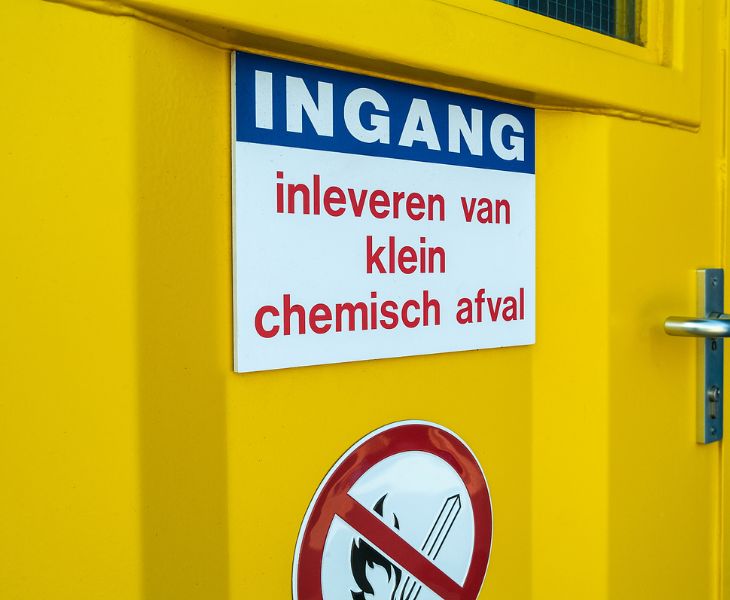
For animals like cats and dogs, ingesting leaked or carelessly discarded antifreeze from vehicles can be fatal, especially since Ethylene Glycol has a slightly sweet smell that is highly appealing to their keen sense of smell. Waste antifreeze or other items containing Ethylene Glycol should be disposed of properly, such as by handing them over to an auto repair shop for centralized processing or sealing them and sending them to a hazardous materials recycling point. They must never be discarded or disposed of carelessly, as this could lead to the accidental death of your pet.
Although Ethylene Glycol and Polyethylene Glycol (PEG) have very similar names, they are different substances with different functions. PEG is mainly used in cosmetics and pharmaceuticals and is non-toxic. Ethylene Glycol, on the other hand, is toxic and primarily used in industrial applications.
Ethylene Glycol Monobutyl Ether is a solvent commonly used in the paint, coating, and cleaning agent industries.
Monoethylene Glycol is a colorless, odorless, viscous liquid, widely used in the manufacture of polyester fibers, antifreeze, and plastics.
About Ethylene Glycol
- Ethylene Glycol’s molecular structure determines Ethylene Glycol’s molar mass (62.068 g/mol) and Ethylene Glycol’s unique properties, such as melting point (-12.9℃) and boiling point (197.3℃).
- Ethylene Glycol’s specific heat capacity (approximately 2.42 J/g•℃) makes it a core component of antifreeze/coolant products and a commonly used heat transfer medium in industry, enabling efficient and stable heat transfer.
- Ethylene is the direct raw material for the production of Ethylene Glycol, and the market prices of Ethylene and Ethylene Glycol are closely linked.
- Although ethylene glycol solution is flammable, it generally does not spontaneously combust. Just be careful to avoid high temperatures and open flames during transportation and storage.
- Propylene Glycol and Ethylene Glycol have similar effects, the biggest difference being that Ethylene Glycol is toxic while Propylene Glycol is non-toxic.