

Physicochemical properties of Disodium Cocoyl Glutamate
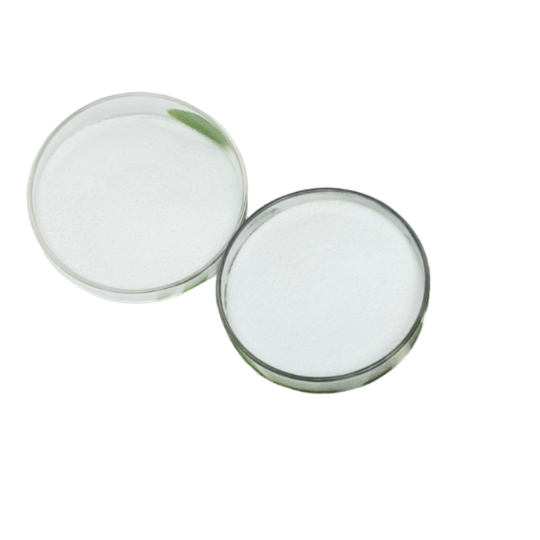
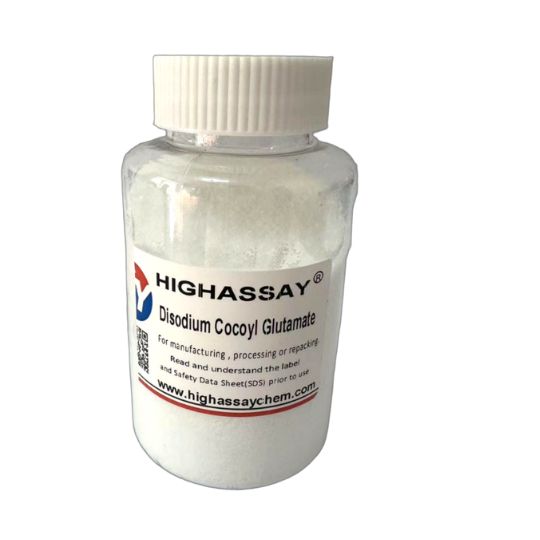
Appearance and Odor:White to slightly yellow powder or crystals, odorless, and slightly hygroscopic
Solubility:It is highly soluble in water, slightly soluble in ethanol, and insoluble in non-polar solvents such as diethyl ether and petroleum ether
Boiling Point:No definite boiling point (decomposes when heated above 225℃)
Melting Point:220-226℃
Density (at 20℃):1.28 g/cm³
Chemical Properties:
Disodium Cocoyl Glutamate is derived from natural L-glutamic acid, it is gentle and non-irritating, with a biodegradation rate of >99%, making it environmentally friendly.
Disodium Cocoyl Glutamate possesses excellent foaming, foam stabilization, detergency, and emulsifying properties, has strong resistance to hard water, and remains stable within a pH range of 4-13. It also has certain moisturizing and skin barrier repair effects.
Basic information about Disodium Cocoyl Glutamate
Product Name:Disodium Cocoyl Glutamate
Synonyms:Disodium N-cocoyl-L-glutamate、Cocoyl-L-glutamic acid disodium salt、disodium cocoyl glutamate、DCG、
Other language names (German/French/Spanish, etc.):
German:Dinatriumn-Cocoyl-L-Glutamat;French:Disodium cocoyl-L-glutamate;Spanish:Disodio cocoil-L-glutamato
Abbreviation:DCG
CAS No.:68187-32-6
EC No.:269-042-8
HS Code:3401-74-9 (Note: This may be verified and adjusted as needed in different regions)
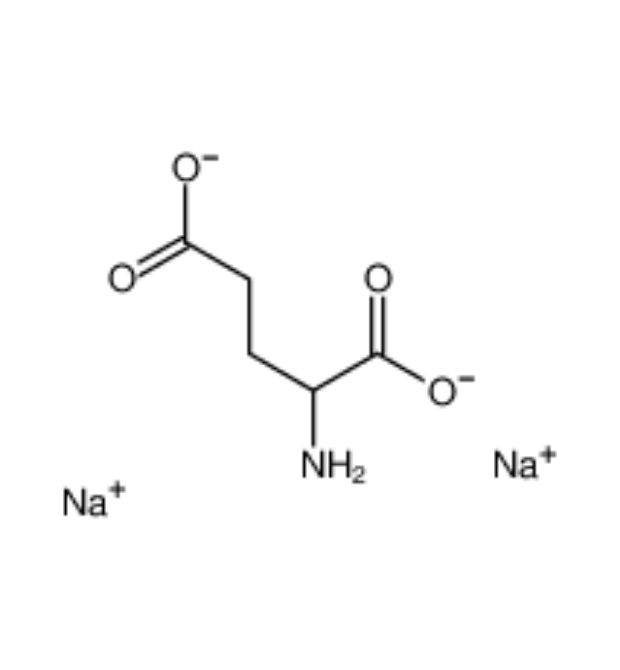
Molecular Formula:C18H32NNa2O5
Molecular Weight:393.44
Functional Group:Amide group (-CONH-), disodium carboxylate salt (-COONa×2), long-chain alkyl group, L-glutamic acid backbone
Chemical Category:L-amino acid-type surfactants
Technical details of Disodium Cocoyl Glutamate(additional information)
Production method:Disodium Cocoyl Glutamate raw material is produced from coconut oil fatty acid and L-glutamic acid through acylation reaction to form cocoyl-L-glutamic acid, followed by a neutralization reaction; Purity grades: Industrial grade ≥95%, Cosmetic grade ≥98%, Food contact grade ≥99%.
Toxicological data:
Acute toxicity (LD50)——Oral administration to rats: >15000 mg/kg (considered practically non-toxic)
Chronic toxicity:—–Prolonged contact shows no significant toxicity, no skin sensitization, and no eye irritation, meeting the safety requirements for ingredients used in products for infants and those with sensitive skin.
Safety Limit (NOAEL):—–There are no specific daily intake limits, and it complies with safety standards for food contact materials and daily chemical products.
Upstream and downstream products:
Ingredients:Coconut fatty acid, L-glutamic acid, sodium hydroxide (neutralizing agent), deionized water
Downstream products:High-end amino acid facial cleanser, baby and toddler body wash, sensitive skin care products, children’s toothpaste, eco-friendly detergents, fruit and vegetable wash, and medical aesthetic cleaning products.
Relevant standards:Complies with GB/T 35914-2018 “Raw Materials for Cosmetics – Amino Acid Surfactants” and QB/T 4348-2012 “Raw Materials for Oral Care Products”; meets EU ECOCERT natural certification standards, REACH regulation registration requirements, and US FDA food contact material safety standards (21 CFR 178.3400).
Storage & Package of Disodium Cocoyl Glutamate
Storage: Sodium cocoyl glutamate raw material should be stored in a sealed container in a cool, dry place, away from direct sunlight and high temperatures and humidity. It has a shelf life of two years when unopened, and it is recommended to use it within 3 months after opening.
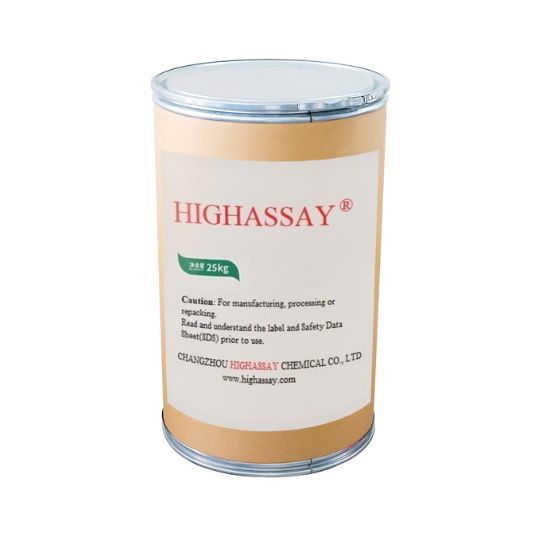
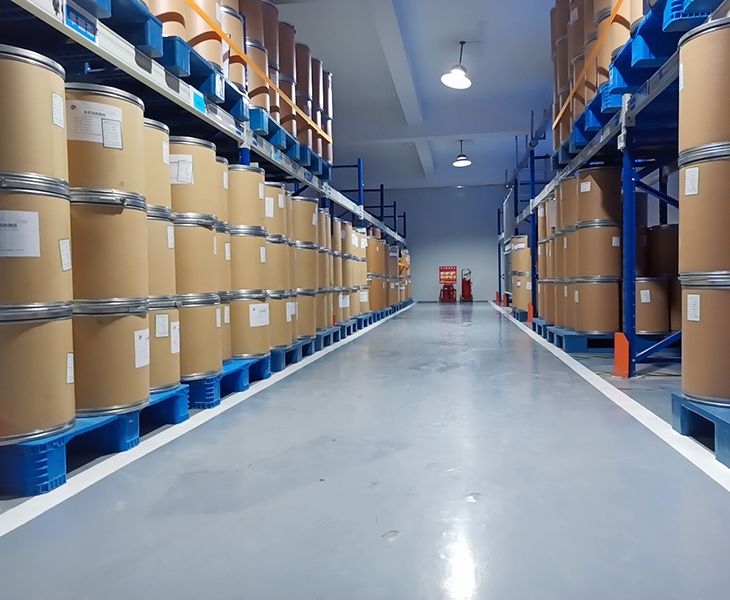
Packaging: DCG raw materials are packaged in 25kg/kraft paper bags (with PE film and moisture-proof aluminum foil lining) or 50kg/sealed cardboard drums; custom 1kg/5kg vacuum-packed samples are also available.
Applications of Disodium Cocoyl Glutamate
High-end personal care products: Disodium cocoyl glutamate (cosmetic grade) is used in personal cleansing and skincare products, enhancing the safety, mildness, and luxurious feel of the products.
- Cleansing Products: DCG, a weakly acidic, non-viscous, transparent fluid, is used as an ingredient in facial cleansers for sensitive skin. It leaves the face feeling comfortable after washing, without dryness or tightness.
- Shampoos and Shower Gels: N-cocoyl-L-glutamate disodium is added to shampoos and shower gels. Its superior performance is evident in terms of foam richness, ease of rinsing, and moisturizing properties.
- Oral Care: L-cocoyl glutamate disodium is commonly used in gentle toothpastes to reduce irritation to the oral mucosa and provide moderate cleaning ability.
- Skincare Emulsifier: Cocoyl glutamate disodium is used as an O/W emulsifier in lotions, creams, and sunscreens. Besides stabilizing the product formula, it also optimizes the product texture, making it lighter and easier to absorb.
Dedicated to Mothers & Children
Due to its extremely low irritation to the eyes and skin, and excellent biodegradability, disodium cocoyl glutamate is the best choice for infant and toddler products and products specifically designed for pregnant women.
Environmentally friendly household cleaning products
- Washing delicate fabrics: Disodium cocoyl glutamate is an important ingredient in specialized detergents for high-end silk and wool fabrics, protecting clothing fibers from damage.
- Cleaning tableware and fruits and vegetables: Disodium cocoyl glutamate has natural, low-toxicity, and easy-rinsing properties, and is used in fruit and vegetable detergents and high-acid hand dishwashing liquids.