
A Brief Introduction to Diethylene Glycol
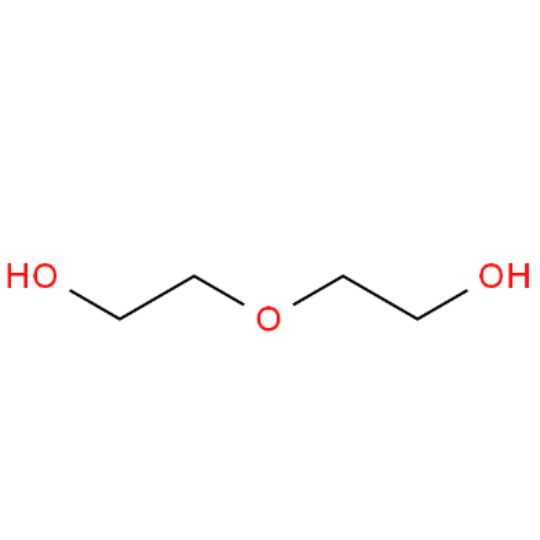
Molecular Formula:C4H10O3
Molecular Weight:106.12
CAS No.:111-46-6
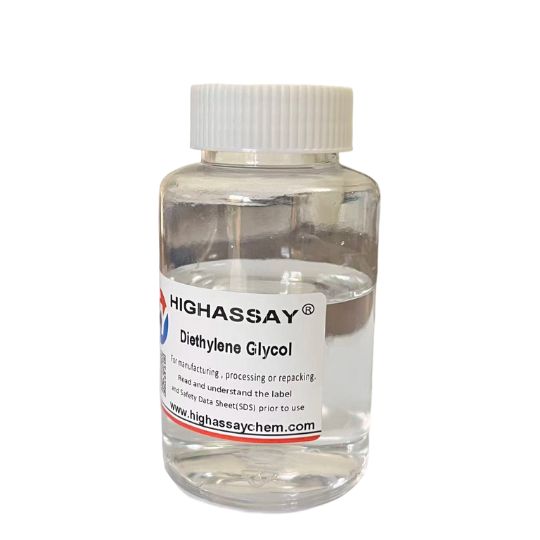
Appearance:Colorless,transparent,viscous liquid
What is Diethylene Glycol?
Diethylene Glycol, also known as Diglycol, is a colorless, transparent, viscous liquid with a pungent, sweet taste. It is primarily used in industrial and chemical synthesis. It is hygroscopic, non-corrosive, flammable, and toxic (in mammals, prolonged contact or ingestion may cause kidney disease or central nervous system damage). In industrial applications, it is widely used as a dehydrating agent, solvent, plasticizer, antifreeze, lubricant, extractant, and tobacco humectant.
Why choose Highassay?
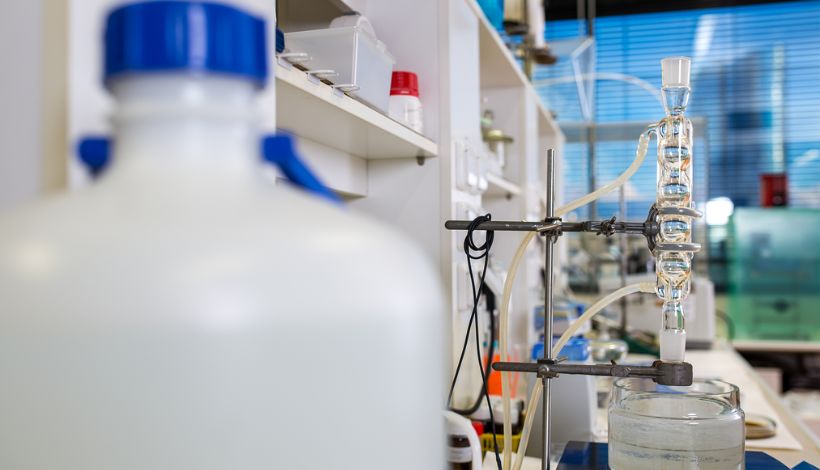
Highassay, a supplier from China, offers a variety of grades and concentrations of Diethylene Glycol raw materials. Six reasons to choose Highassay: comprehensive product range, ample supply, fast delivery, trustworthy business practices, quality assurance, and free samples. Furthermore, all our products come with corresponding MSDSs, so please feel confident in your purchase.
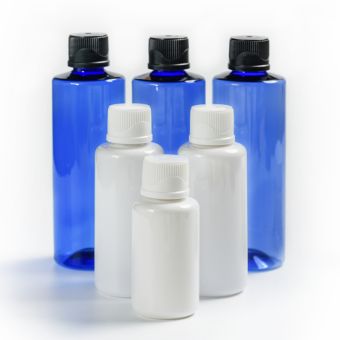
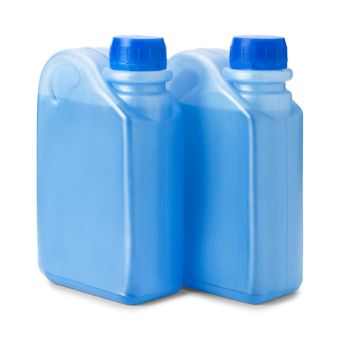
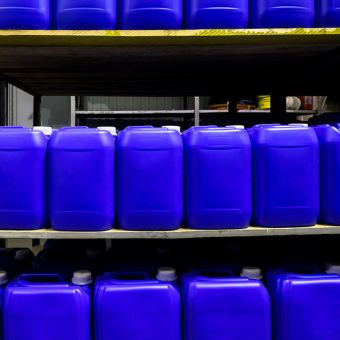
Highassay’s Diethylene Glycol packaging options
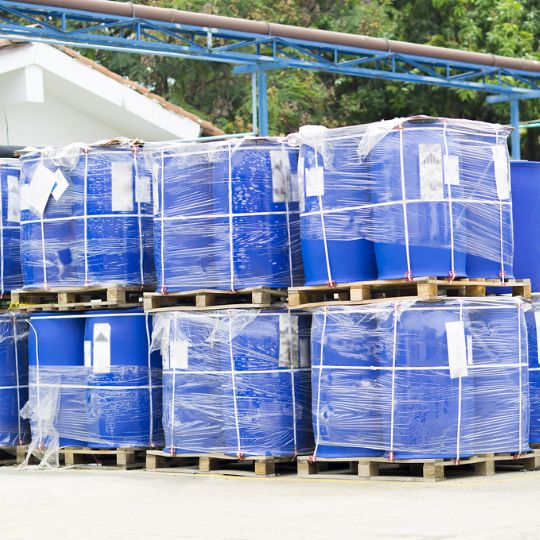
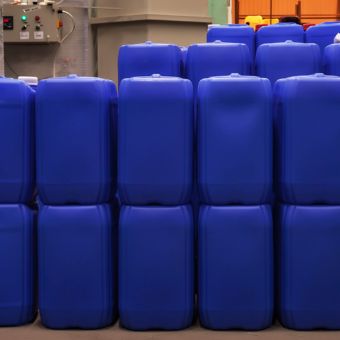
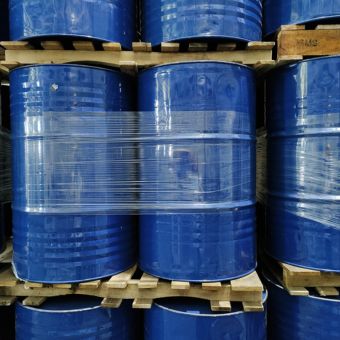
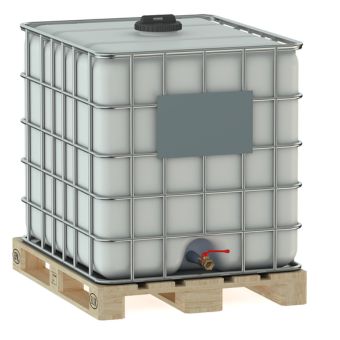
There are a variety of packaging options are sure to meet your needs.
Classification of Diethylene Glycol
 Industrial-grade Diethylene Glycol
This is the basic grade of Diethylene Glycol and the most widely used grade. Its purity is usually between 95% and 99%. It contains more impurities and is toxic. Its biggest advantage is its low price. It should never be used in food, medicine, or personal care products.
 High-purity grade Diethylene Glycol
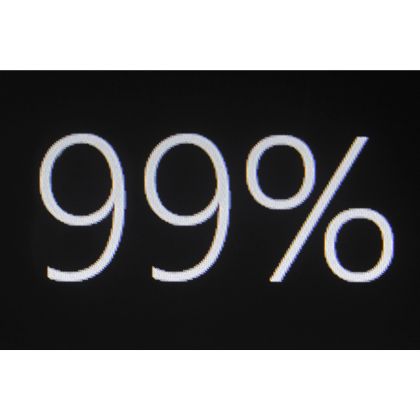
With a purity higher than industrial-grade Diethylene Glycol, impurities are controlled more strictly, and the purity is typically above 99%. It is a standard raw material in chemical production, mostly used in the resin industry or as a chemical intermediate.
 Pharmaceutical/Cosmetic-grade Diethylene Glycol
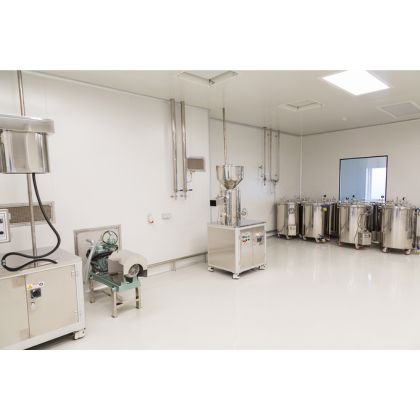
This is the highest grade of Diethylene Glycol, and must comply with international pharmacopoeia standards, such as USP and EP, and be produced in a GMP-compliant workshop. Purity requirements are 99.5% or higher, and impurity testing is extremely stringent.It is often used as a solvent and humectant in pharmaceuticals, cosmetics, toothpaste, and other products.
Diethylene glycol usage method 1
Diethylene Glycol can react with butanol to produce Diethylene Glycol Butyl Ether and Diethylene Glycol Dibutyl Ether. The products of this reaction can significantly alter the original physical and chemical properties of Diethylene Glycol, especially its toxicity and water solubility. Its most notable application is in the solvent field. For example, highly toxic Diethylene Glycol solvents have been transformed into the main coupling solvents for moderately toxic paints and coatings (Diethylene Glycol Butyl Ether); and further into low-toxicity specialty organic synthesis solvents (Diethylene Glycol Dibutyl Ether), etc.

Diethylene glycol usage method 2
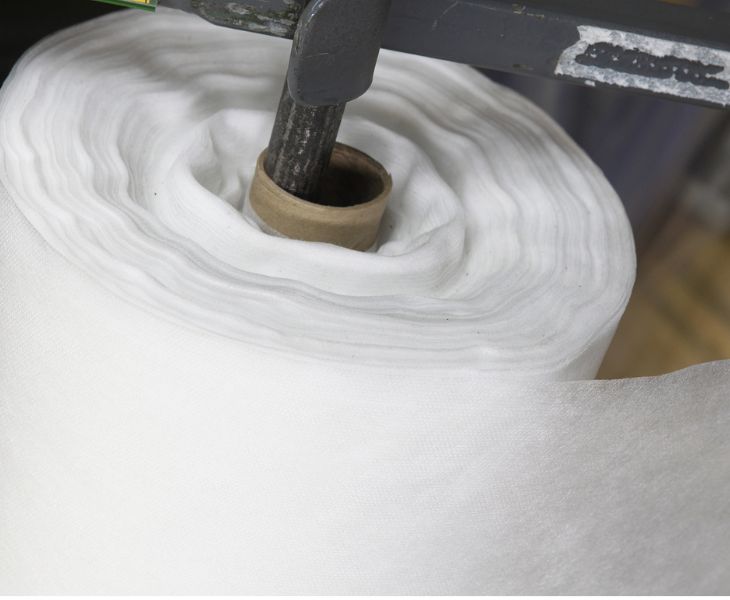
Diethylene Glycol can react with Stearic Acid to form Diethylene Glycol Stearate. The product after the reaction is both hydrophilic and lipophilic, and does not have the toxicity of Diethylene Glycol. It has become a safe, useful, and widely used nonionic surfactant in the daily chemical industry. It is mainly used as a pearlescent agent (to enhance the appearance of soaps, shower gels, and other personal care products), an emulsifier (to enhance the stability of mixtures in creams, lotions, and other products), and a softener (to make fibers softer and smoother in textile products).
Diethylene glycol usage method 3
Diethylene Glycol reacts with ethanol to form Diethylene Glycol Ether, which then reacts with acetic acid to produce the final product, Diethylene Glycol Ether Acetate. Diethylene Glycol Ether Acetate has a high boiling point, slow evaporation rate, and strong dissolving power. It is used in the formulation of paints, coatings, and inks, primarily to prolong the drying speed of the product and give the surface a better gloss. It can also be used as a cleaning agent for industrial cleaning and powerful paint removal.


Diethylene glycol usage method 4
Diethylene Glycol reacts with Maleic Anhydride to form Diethylene Glycol Dimaleate, which then reacts with Aminopropanol to finally yield Diaminopropyl Diethylene Glycol Dimaleate. As a novel hair care ingredient, it can be used to repair damaged hair, especially during perming, bleaching, and conditioning processes, reducing damage and making hair stronger. It can also be used in the synthesis and modification of industrial adhesives and high-performance polymers (such as polyurethane, epoxy resins, and acrylic resins) to improve material properties.
Specification of Diethylene Glycol
- Specification of Diethylene Glycol
| Product Name | Diethylene Glycol |
| Melting Point | -10.5℃ |
| Boiling Point | 245℃ |
| Flash Point | 143℃ |
| Density | 1.118g/ml |
| Solubility | It is miscible with polar solvents such as water, ethanol, ether, and acetone, but insoluble in most aliphatic hydrocarbons and nonpolar solvents. |
| Package | Sealed drum |
| Storage | Ventilation, dryness, and avoidance of direct sunlight. |
Diethylene Glycol cannot be used directly as a drug or pharmaceutical ingredient because it is toxic. However, it can be used as a drug synthesis intermediate or as a component of medical device disinfectants, provided that the dosage is controlled.
It is a gel fuel containing Diethylene Glycol, used to heat food. It can burn safely indoors and produces very little smoke or odor. It is packaged in a metal container and is a single-use product.
Ethylene Glycol and Diethylene Glycol are both diols, but they differ in structure, properties and applications. The choice should be made based on actual needs.
Highassay’s Product Advantages
- Packaging: The packaging is well-sealed, sturdy, and secure, with a clean appearance.
- Product: The product is of high quality, with pure color and no impurities.
- Supplier: Large stock and guaranteed quality; please buy with confidence.
- Service: Professional staff are available to solve any problems and provide services.
Some Applications of Diethylene Glycol
- According to statistics, unsaturated resins are the largest application area of Diethylene Glycol. From automobile manufacturing, electrical appliance manufacturing, building decoration to aerospace, unsaturated resins have become an indispensable material in modern industry, with the characteristics of high strength and corrosion resistance.
- Polyester is the second largest application area ofDiethylene Glycol. From textiles such as clothing, home furnishings, and industrial products; industrial insulation materials and conveyor belts; medical supplies such as medical patches and bandages; to packaging, electronics, construction, automobiles, and other fields, its excellent performance and wide range of uses have made it an irreplaceable and important material.
- Diethylene Glycol also plays a crucial role in the textile industry. As a dye and dyeing auxiliary, it ensures even distribution of dyes and colorants on fabrics, effectively preventing defects. As a fiber penetrant, it shortens dyeing time and improves efficiency. The application of Diethylene Glycol has brought higher product quality and production efficiency to the textile industry.