

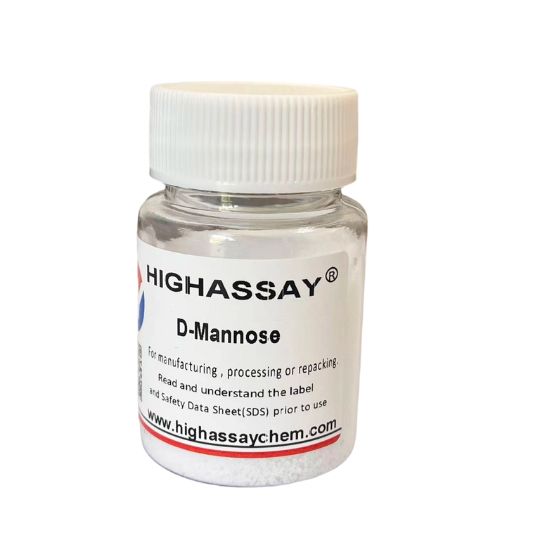
A Brief Introduction to D-Mannose
Molecular Formula:C6H12O6
Molecrlar Weight:180.16
CAS No.:3458-28-4
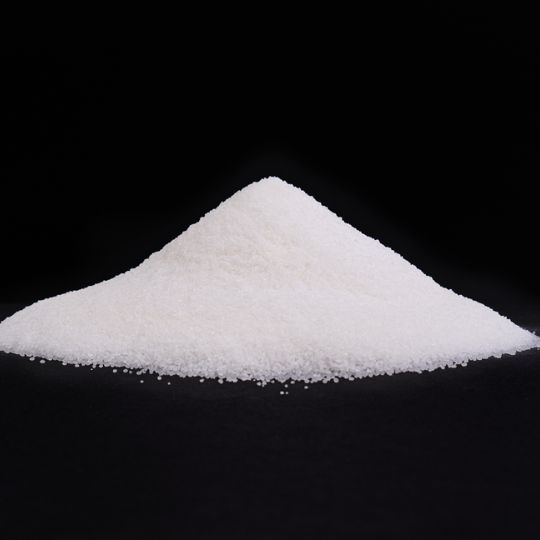
Appearance:White crystals
Odor:Odorless
Loss on Drying:≤1.0%
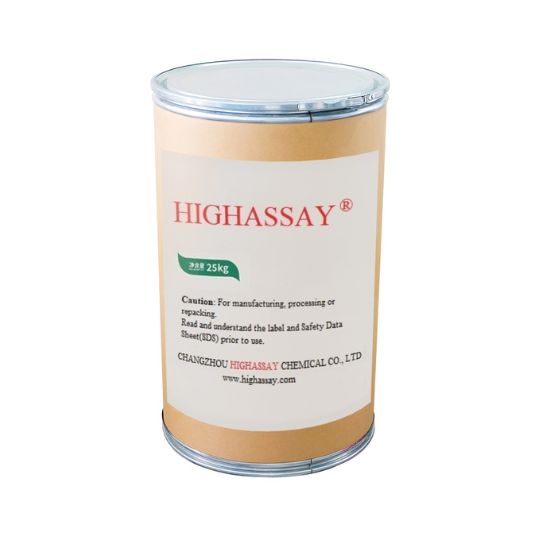
Package:25kg/paper drum, with a plastic bag inside
What is D-Mannose?
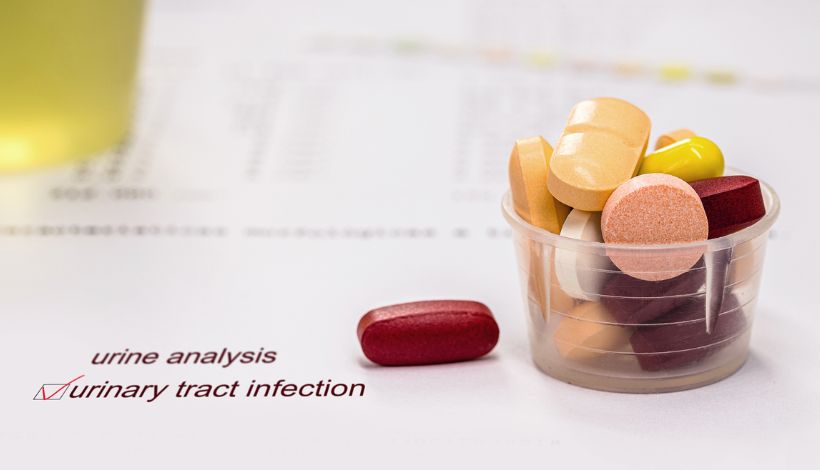
D-mannose is a monosaccharide organic compound that, in addition to being naturally present in the human body, can also be obtained from our daily diet, such as from fruits like blueberries and apples. As a pharmaceutical intermediate, D-Mannose plays an important role in human metabolism, particularly in the treatment of urinary tract infections and the inhibition of tumor growth. Applications of D-Mannose span the food, nutritional supplement, pharmaceutical, cosmetic, and animal feed industries. Food-grade demand is the largest, accounting for approximately 84%; of this, dietary supplements account for about 60%.
Why choose Highassay?
Highassay offers D-mannose raw materials in various purities and grades. Our factory is GMP-compliant, and our raw materials meet USP standards. Our high-quality D-mannose raw materials safeguard the quality of your products. Highassay’s raw materials can be used to produce various forms of D-mannose supplements, in the preparation of various pharmaceuticals (for human and pet use), reagents, as a food additive to enhance flavor, and as a moisturizing and anti-inflammatory ingredient in cosmetics and skincare products. If you encounter any problems during use, please consult us; Highassay will provide you with the most professional advice.
D-Mannose Supplements
D-Mannose can be produced by the body itself or obtained through food sources such as blueberries, cranberries, and broccoli. However, the D-Mannose content in food is low, so supplementation is necessary. The most common forms on the market are D-Mannose powder or capsules. How to choose a good D-Mannose supplement?
 Ingredient Advantage
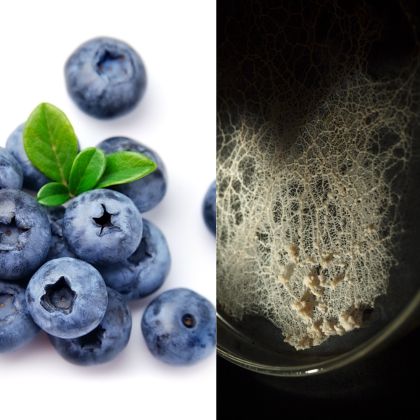
Compared to microbial fermentation and chemical synthesis, plant-derived D-Mannose is safer.
 Liquid Dosage Form Advantage
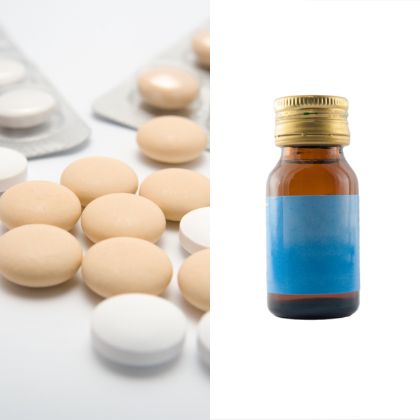
Compared to tablets, liquid D-Mannose passes through the small intestine more easily and takes effect faster.
 Matching Individual Needs
Choosing the right form for you is most important. Powder and capsules are easier to swallow.
Benefits of D-Mannose
- D-Mannose has a monosaccharide structure and, as a food additive, it is not broken down into glucose in the body, making it more suitable for diabetics.
- D-Mannose is poorly absorbed by the body. 90% is excreted in urine within 30-60 minutes.
- D-mannose has a good effect in the adjunctive treatment of urinary tract infections with almost no side effects.
- Short-term, moderate use of D-Mannose has no side effects (6 months), but long-term use requires consultation with a doctor.


The role of D-mannose in the treatment of urinary tract infections
Escherichia coli is a major pathogen in urinary tract infections. E. coli is far more attracted to D-mannose than to the urethral wall. D-mannose binds to the pili of E. coli, causing them to detach from the urethral wall and achieving a therapeutic effect. It is not only effective against E. coli, but also against urinary tract infections caused by Enterococcus faecalis and Staphylococcus aureus. Compared to antibiotics, D-mannose is gentler in its adjunctive treatment of urinary tract infections and does not induce antibiotic resistance. It can be used alone or in combination with antibiotics.
The role of D-mannose in inhibiting tumor growth
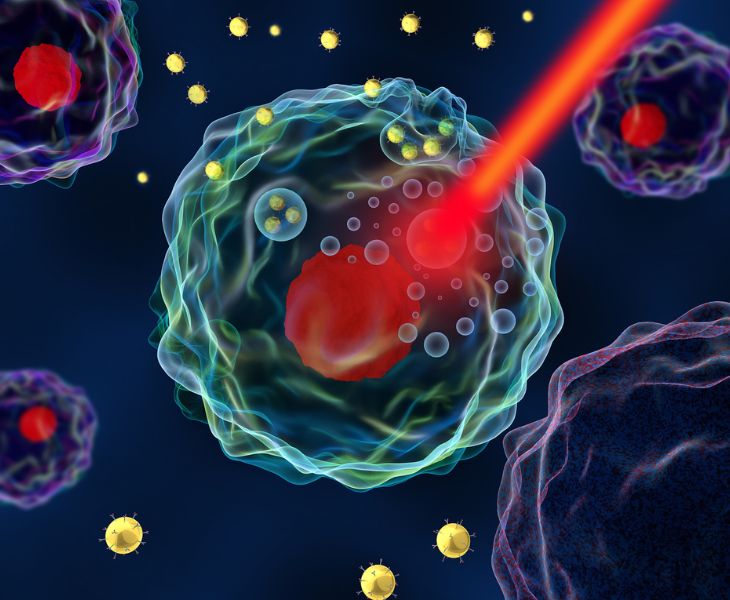
D-mannose has a structure very similar to glucose, which is the very source of nutrition for the rapid growth of tumor cells. D-mannose works by replacing glucose and interfering with the normal energy metabolism of tumor cells, thus inhibiting their growth. It can also influence the tumor’s survival environment by regulating the gut microbiota, thereby improving treatment efficacy. The advantages of D-mannose don’t stop there; normal cells can effectively metabolize D-mannose, but it selectively targets only certain tumor cells.
- Specifications of D-Mannose
| Items | Standards | Results |
| Appearance | White or almost white powder | White powder |
| Identification | Positive | Positive |
| Melting point | 130-136℃ | 134-135℃ |
| Specific optical rotation | +14 ~ +15° | +14.5° |
| Loss on drying | 1.0%max | 0.11% |
| Residue on ignition | 0.2%max | 0.03% |
| Heavy metals | 20ppm max | <10ppm |
| Arsenic | 3ppm max | <2ppm |
| Assay(HPLC) | 98.00% | 99.21% |
| Total bacteria count | 1000cfu/g max | Conforms |
| Yeast & mold | 100cfu/g max | Conforms |
| Salmonella | Negative | Conforms |
| E. Coli | Negative | Conforms |
| Conclusion | Qualified | |
D-mannose and cranberry are an effective combination for the prevention and treatment of urinary tract infections. They each work in their own unique way to provide broad-spectrum protection for the urinary system.
First, you need to consult a doctor; this is for your own good. Second, if you have recurrent bladder infections, long-term low-dose (1-2 grams daily) is an effective preventative measure.
Yes, pets can take D-mannose under the guidance of a veterinarian to effectively reduce the risk of urinary tract infections, and it also has a positive effect on their immunity and intestinal health.
Dosage of D-mannose
Side effects of excessive D-mannose: It is usually safe at a daily dose of 2 grams, but long-term excessive use may cause side effects, mainly including: digestive discomfort (diarrhea, bloating, etc.), affecting blood sugar (the effect is minimal unless the dose is large), and affecting the kidneys (caution is advised for people with kidney disease).
Dosage of D-Mannose: The dosage of mannose may vary depending on the product, so you should refer to the instructions on the product label. Furthermore, the dosage may need to be adjusted according to your intended use. For example, to prevent urinary tract infections, take 2 grams once daily or 1 gram twice daily.
Taking D-mannose will not directly increase your urination volume, but doctors and product instructions will strongly recommend that you drink plenty of water while taking it, which will indirectly increase your urination volume. Therefore, it is recommended that you drink plenty of water and avoid holding your urine while taking it.
Physiological effects of D-mannose in the human body
- Regulates immunity
- Macrophages have four receptors on their surface that can capture antigens, all of which contain D-mannose.
- Increases wound healing.
- Anti-inflammatory effects.
- Inhibits tumor growth and metastasis, increasing cancer survival rates.
- Can prevent certain bacterial infections, such as urinary tract infections.