
Basic Information of Cocamidopropyl Betaine
- CAS: 86438-79-1; 61789-40-0
- Synonym: CAB-35; CAPB
- Molecular Formula: C19H38N2O3
- Molecular Weight: 342.52
- CAS Number: 86438-79-1
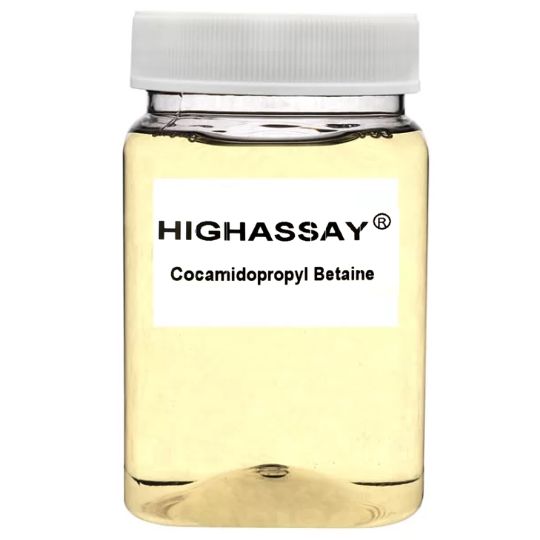
- Appearance: Pale yellow transparent liquid.
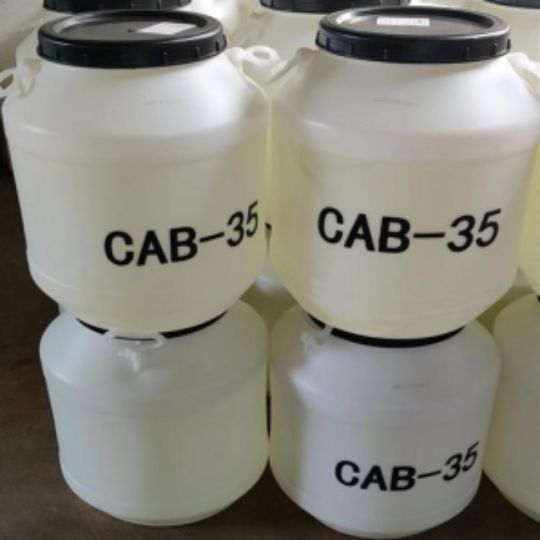
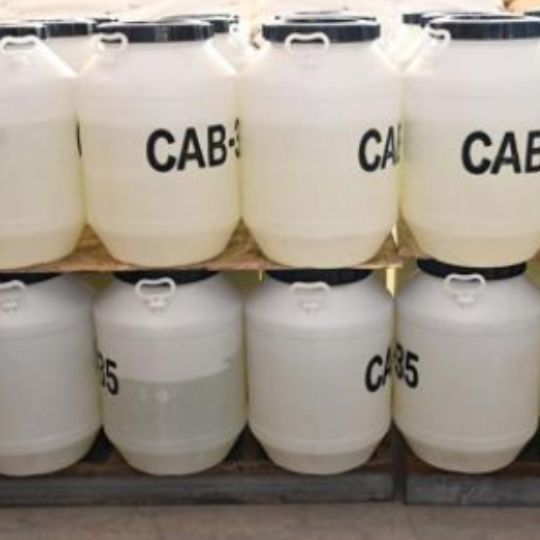
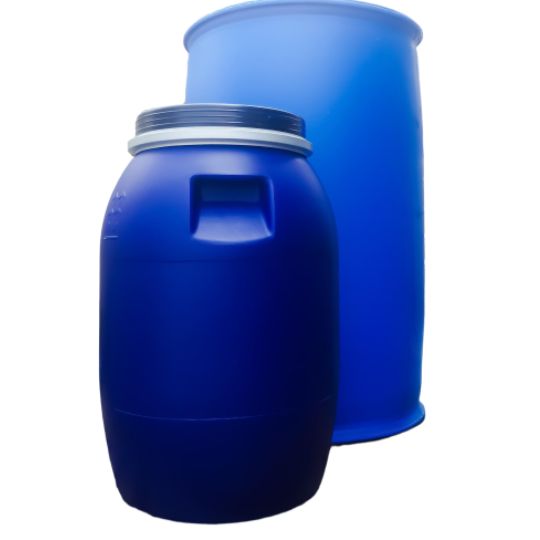
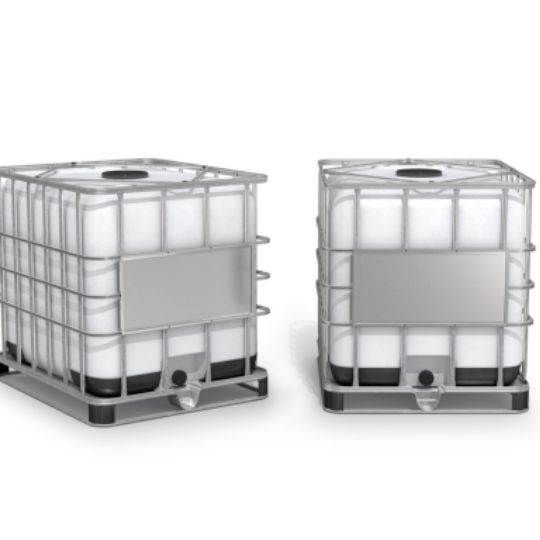
- Packaging: 50kg/drum, 180kg/kg, 1000kg/drum
- Recommended Dosage: 3.0-30.0%
What is Cocamidopropyl Betaine?
Cocamidopropyl Betaine (CAB/CAPB) is a widely used coconut oil derivative in cosmetic manufacturing. It presents as a transparent or pale yellow viscous liquid, produced by blending crude coconut oil with methylpropylamine, a naturally derived chemical compound. It also functions as an amphoteric surfactant, featuring a quaternary ammonium group as its cationic component and a carboxyl group as its anionic component. Derived primarily from coconut oil and its derivatives, this substance exhibits low irritancy, thickening properties, antistatic effects, softening qualities, antibacterial activity, resistance to hard water, and biodegradability. Highly soluble in water with strong pH stability, it is frequently blended with various surfactants in formulations to significantly enhance the softening properties of cleansing products. It finds extensive application in personal care products such as shampoos, shower gels, and facial cleansers, as well as in oilfield displacement agents.
It is a mild and low-residue surfactant; with good detergency; foamability and good compatibility with other personal care ingredients. Widely used in rinse-off products such as shampoo, shower gel, facial cleanser, etc.
Features of Cocamidopropyl Betaine
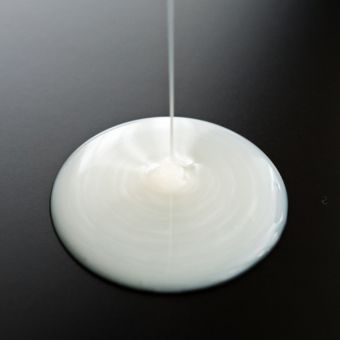
Exhibits excellent solubility and compatibility, namely emulsifying properties, enabling the blending of two immiscible liquids to form a uniform, stable emulsion. This enhances synergistic effects within formulations. Crucial for emulsion-based products such as lotions, creams and shampoos, it improves product stability and texture.
CAB-35 increases product viscosity and concentration, improving flow characteristics. When blended with anionic surfactants, it elevates formulation viscosity to yield emulsion or cream textures with superior sensory appeal. This is vital for high-viscosity products like hair conditioners, and is incorporated into gels and creams.
CAB-35 exhibits excellent stability under both acidic and alkaline conditions, displaying cationic and anionic properties respectively, with good compatibility.
CAB-35 possesses strong cleansing capabilities, effectively removing oils, stains, and grime. This makes it widely used in detergents and cleaning products.
Exhibits excellent polyurethane foaming properties, producing rich lather when added to shower gels and shampoos.

Exhibits excellent hard water solubility, antistatic properties, and degradability. Reduces post-use dryness, leaving hair and skin smoother and more manageable while minimising static electricity.
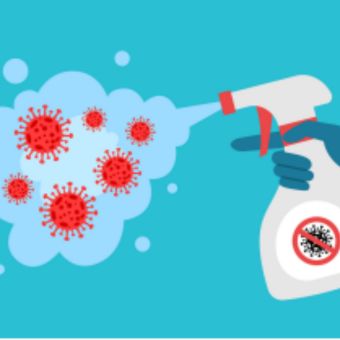
Maintains broad pH stability with mild antibacterial effects in most applications. Widely employed by manufacturers in soap production. Additionally incorporated into facial cleansers for oily skin care, exfoliation, and acne prevention.
Cocamidopropyl Betaine For Hair
Cocoamidopropyl Betaine added to shampoo provides superior hair care, with functions including
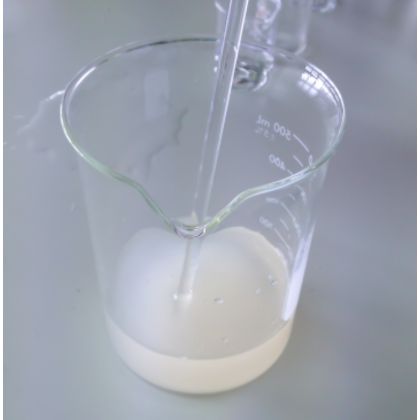 Thickener
It synergises with other surfactants to increase shampoo viscosity, delivering a softer texture.
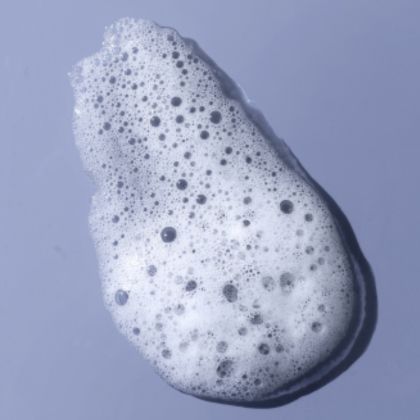 Foaming Agent
Generates rich, stable lather for thorough, all-round cleansing of your hair.
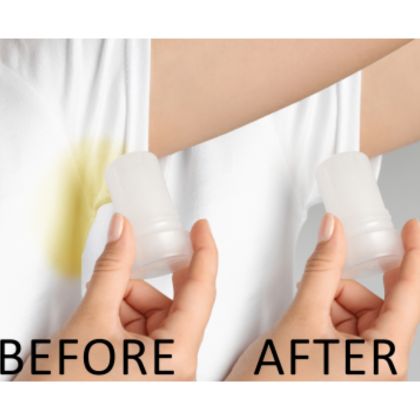 Detergency
Effective across water hardness levels, maintaining stable performance even in hard water to remove every trace of grime.
 Antistatic Properties
Reduces static electricity, enhancing hair smoothness for a silky, lustrous appearance. Compared to SLS, hair washed with cocamidopropyl betaine feels less dry and more manageable.
Cocamidopropyl Betaine Allergy
CAPB is mild in nature and produces favourable results for the vast majority of users. A small proportion of individuals with sensitive skin may experience allergic reactions. Such reactions are caused by trace impurities in the cocamidopropyl betaine solution, specifically 3-dimethylaminopropylamine (DMAPA) and sodium chloroacetate. Therefore, it is essential to select CAPB raw materials with minimal impurities, high purity, and superior quality. Highassay stands as a specialist supplier of CAPB. We maintain stringent quality control and employ advanced processing techniques to minimise impurities, making us your ideal choice.

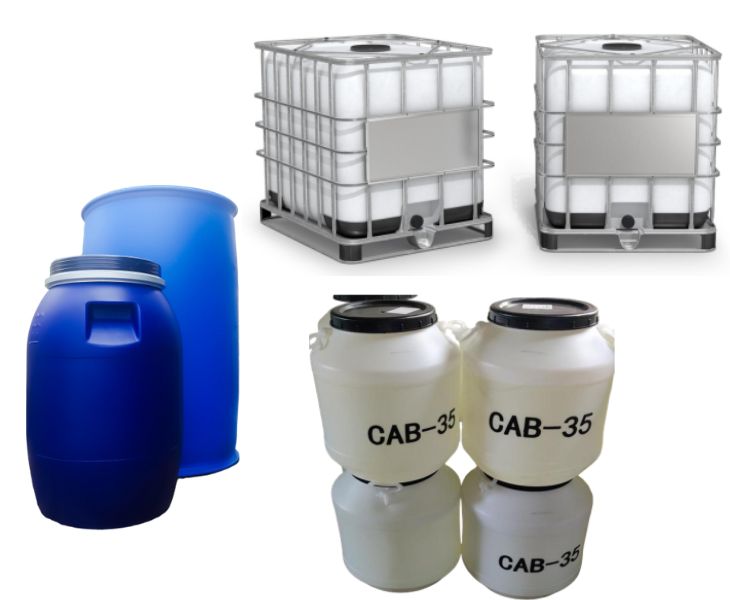
How To Buy Cocamidopropyl Betaine?
Highassay offers 50kg/drum packaging, as well as larger packaging options such as 180kg/drum and tonnes. We offer competitive prices, fast delivery, and various intermodal shipping options to meet your diverse needs.
We welcome you to discuss your purchasing requirements with us. Highassay will tailor packaging and shipping methods to your specific needs, providing you with the fastest and best supply chain and the most competitive prices.

Specification of Cocamidopropyl Betaine
- Specification of Cocamidopropyl Betaine
| Item | Index |
| Appearance | Light yellow transparent liquid |
| Active matter | 30.0±2.0% |
| Solid Content | 35.0% Min |
| pH value | 5.0-7.0 |
| Sodium Chloride | 4.0%-6.0% |
| Color (APHA) | 200 Max |
Cocamidopropyl betaine is a bulk commodity with huge demand. Our annual sales exceed 600 tons. To thank our customers, Highassay offers tiered discounts for bulk purchases.
Please feel free to contact us anytime for specific bulk purchase discount information.
It exhibits cationic properties under acidic conditions, anionic properties under alkaline conditions, and zwitterionic properties under neutral conditions.
Chemical Formula: C19H38N2O3
Molecular Weight :342.52
Cocamidopropyl Betaine is non-toxic.
Cocamidopropyl Betaine is generally considered safe. Current research has no evidence that Cocamidopropyl Betaine is carcinogenic.
While CAPB itself is generally considered a mild surfactant, potential contaminants and allergic reactions are the more likely culprits associated with hair and scalp irritation, which can, in rare cases, contribute to hair loss.
Common concerns
Cancer: Low risk
Allergies and Immunotoxicity: Low risk
Development and Reproductive Toxicity: Low risk
Use Restrictions: high
Coco Betaine Vs Cocamidopropyl Betaine
Coco betaine has a relatively simple chemical structure and is not complicated to produce, making it cheaper. However, it is more irritating in high concentrations or alkaline environments. Therefore, it is more suitable for household cleaners and industrial detergents, such as dishwashing liquid.
Cocamidopropyl betaine has a more complex chemical structure and requires more production processes, making it relatively more expensive. Compared to Coco betaine, it incorporates an amide group in its structure, making it milder. It is suitable for personal care products, including shampoos, shower gels, facial cleansers, shaving creams, etc., and is especially suitable for baby care products and high-end personal care products.
Cocamidopropyl Hydroxysultaine Vs Cocamidopropyl Betaine
Cocamidopropyl hydroxysultaine’s chemical structure incorporates a sulfonic acid group, making its production process more complex and its price higher. It’s not just mild, it’s extremely mild. It’s commonly used as a thickener in personal care products. Its advantage lies in its stability over a wide pH range, maintaining its functionality regardless of acidity or alkalinity. It can be found in shampoo, hand soap, body wash, shaving products, facial cleansers, and baby products.
Cocamidopropyl betaine is recognized in the personal care industry as a safe and mild surfactant. It’s a widely used raw material in the personal care industry, meeting the needs of most people.
For example, if cocamidopropyl betaine is like a mass-market clothing brand, then cocamidopropyl hydroxysultaine is like a luxury brand clothing brand.
Betaine vs. Amino Acids
Betaine is a bioactive ion with good stability and water solubility, exhibiting excellent osmotic regulation for protein formation and DNA repair. Betaine surfactants are weakly acidic and chemically mild, making them suitable for infant care products. Furthermore, coconut oil, derived from plant sources, is even safer and more stable.
Amino acid surfactants, such as SLS/SLES and sodium lauryl sulfate/sodium lauryl ether sulfate, are cheaper, weakly alkaline, and have weak cleansing power, making them unsuitable for babies’ slightly acidic skin. Cocamidopropyl betaine is widely considered a milder and safer alternative.
In conclusion, betaine surfactants are superior to amino acid surfactants in many aspects.