

Basic Information of Cobalt Carbonate
- Product Name: Cobalt Carbonate
- English aliases: Cobalt(II) carbonate, Cobaltous carbonate
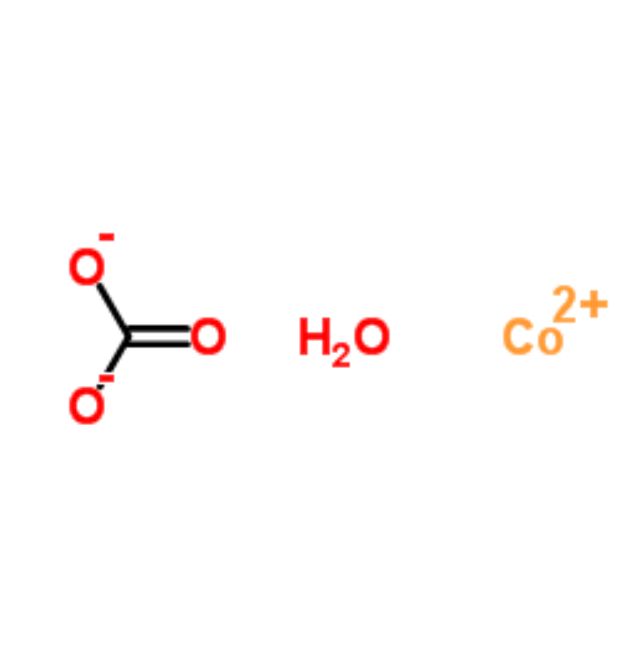
- Industry Abbreviations: CoCO3
- Other language names: Carbonate de cobalt (French), Kobaltcarbonat (German), Carbonato de cobalto (Spanish)
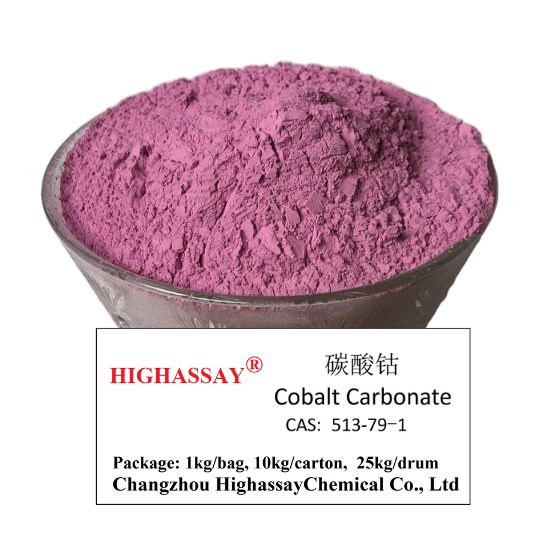
- CAS number: 513-79-1
- EINECS number: 208-169-4
- UN number: 3077
- Hazard class: 9 (Environmentally hazardous substances)
- Molecular formula: CoCO3
- Molecular weight: 118.94 g/mol
- Product Grade: Industrial grade, Battery grade, Pharmaceutical grade
- Main uses: Precursor for cobalt compounds, battery materials, pigments, catalysts, ceramics
Physicochemical Properties of Cobalt Carbonate
- Appearance and smell: Pink to purple crystalline powder, odorless
- Solubility: Insoluble in water, soluble in dilute acids with effervescence
- Boiling point: Decomposes at 400 °C (releases CO2)
- Melting point: Decomposes before melting
- Density: 4.13 g/cm³
- Moisture absorption: Slightly hygroscopic
- Purity: 98% min (industrial grade), 99.5% min (battery grade)
- Toxicity: Toxic if inhaled or ingested
- Stability: Stable under normal conditions, decomposes at high temperature
- Particle size: 150-200 mesh (battery grade), customizable
Supplementary Technical Details for Cobalt Carbonate
- Production methods: Precipitation method (cobalt salt + sodium carbonate), carbonation method
- Acute toxicity (LD50): 374 mg/kg (oral, rat)
- Chronic toxicity: Long-term exposure may cause lung damage and neurological effects
- Upstream and downstream products (raw materials): Cobalt sulfate, sodium carbonate, cobalt chloride
- Upstream and downstream products (downstream): Lithium cobalt oxide, cobalt oxide, cobalt pigments, catalysts
- Quality Standards: GB/T 26523-2011 (China), ASTM standards (USA)
- Detection methods: X-ray fluorescence spectroscopy, atomic absorption spectrometry
- Transportation methods: Road transport, sea transport (complies with IMDG code)
- Payment methods: T/T, L/C
Packaging and Storage of Cobalt Carbonate
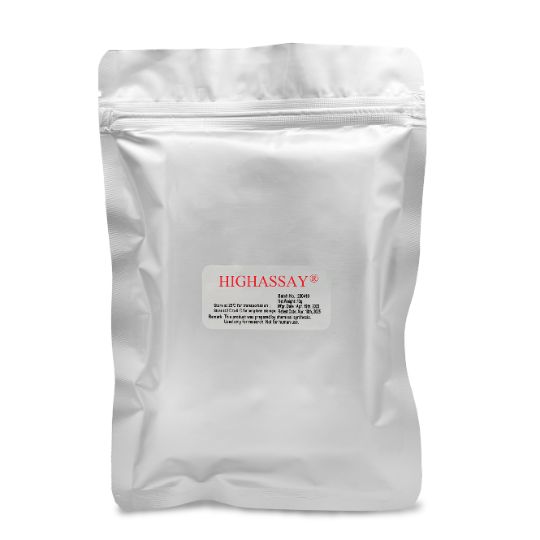
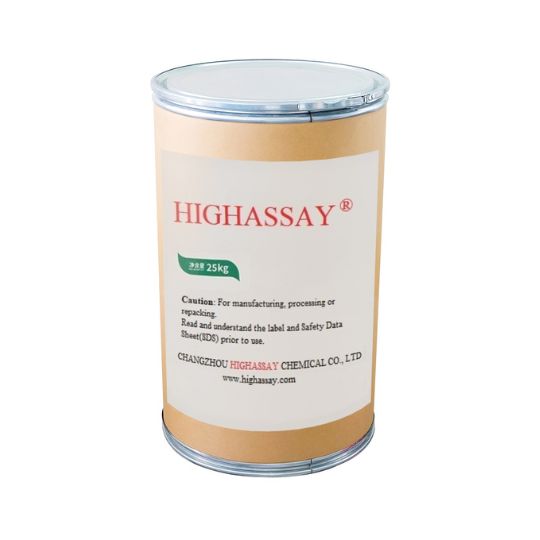
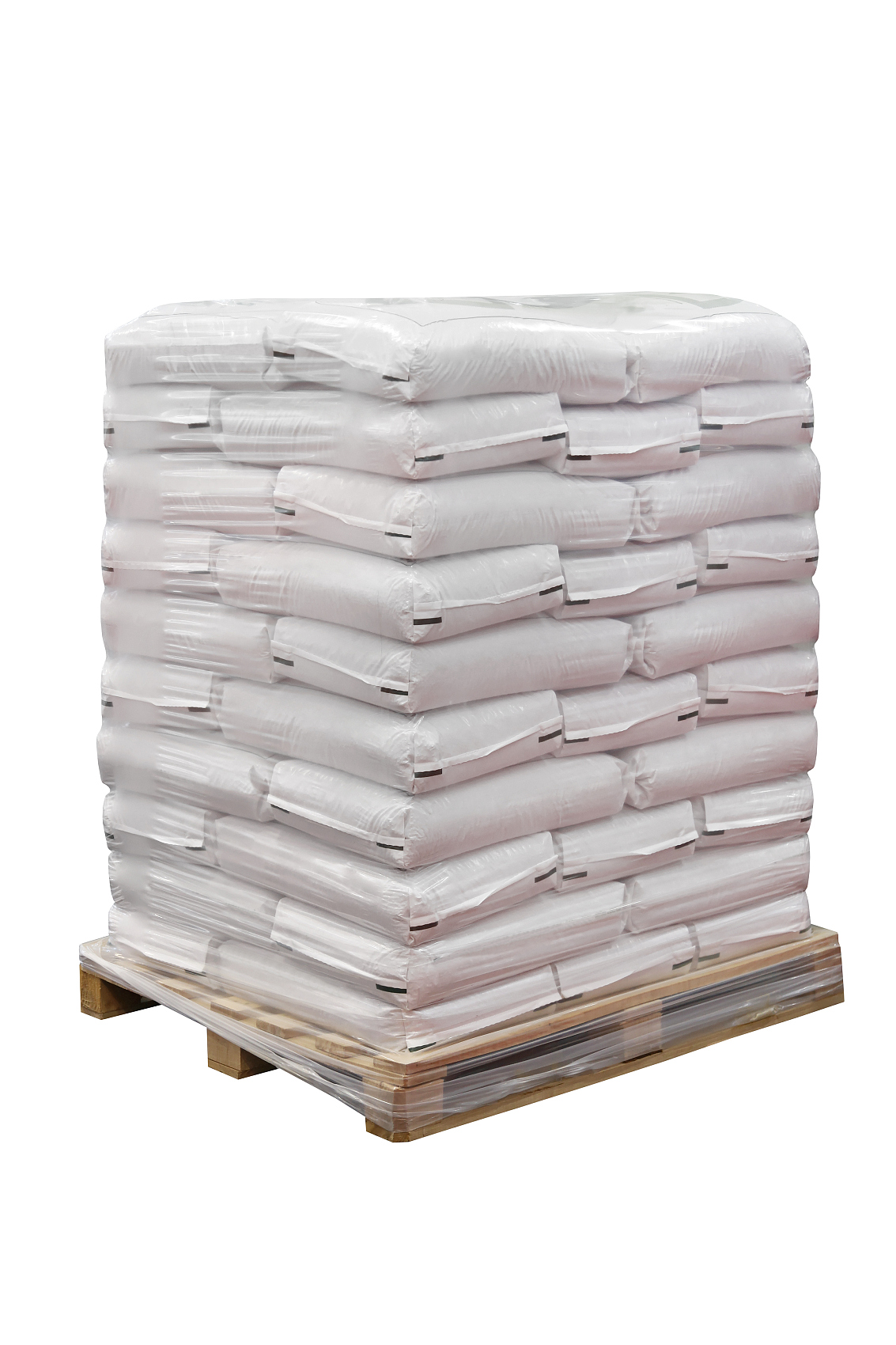
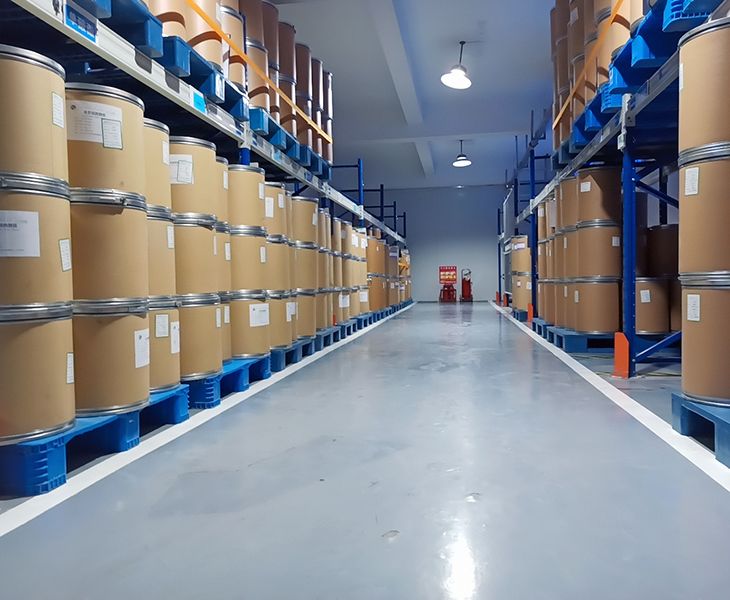
- Packaging: 25 kg plastic-lined paper bags, 25kg/drum
- Storage: Store in cool, dry, well-ventilated warehouse; avoid moisture and high temperature
- Shelf Life: 24 months in original packaging
- CAS number: 513-79-1
- Molecular formula: CoCO3
- Molecular weight: 118.94 g/mol
- Implementation Standards: GB/T 26523-2011, ASTM D4327, ISO standards
- Precautions: Avoid generating dust; use in fume hood when handling large quantities
- After-sales service: Provides COA and MSDS, quality guarantee, return and exchange for unqualified products
Applications of Cobalt Carbonate
- Industrial-grade Cobalt Carbonate is used as a coloring agent or decolorizing agent in the ceramic and glass industries, improving the aesthetics and transparency of the products.
- Industrial-grade Cobalt Carbonate is used as a catalyst in reactions such as carbonylation and hydrogenation, as well as in desulfurization and denitrification processes in the petrochemical industry.
- Industrial-grade Cobalt Carbonate serves as a basic raw material for cobalt chemicals, enabling the preparation of various cobalt salts and compounds.
- Industrial-grade Cobalt Carbonate provides cobalt elements for high-grade coatings, art pigments, and engineering plastics, and enhances the functionality of pigments.
- In the mining industry, industrial-grade Cobalt Carbonate can be used in hydrometallurgical processes, utilizing its low solubility to precipitate and concentrate cobalt from cobalt-containing solutions.
- Industrial-grade Cobalt Carbonate can be used as an additive in electroplating to improve the physical properties of the plating layer.
- Battery-grade CobaltCarbonate is a key raw material for the cathode materials of lithium-ion batteries, like lithium cobalt oxide and high-nickel ternary cathode materials.
- Battery-grade Cobalt Carbonate is a core raw material for high-end magnetic components, such as cobalt-based permanent magnet alloys (e.g., samarium-cobalt) and soft magnetic materials (e.g., cobalt-based amorphous/nanocrystalline alloys).
- Pharmaceutical-grade Cobalt Carbonate can be used as a mineral supplement or as an ingredient in therapeutic drugs, primarily for the prevention and treatment of cobalt deficiency.
- Feed-grade Cobalt Carbonate can be added in trace amounts to animal feed and trace element fertilizers to supplement cobalt elements for animals and soil.
Get an Instant Quote Now