Specificity of hormone action
The actions of hormones are highly specific, encompassing both tissue specificity and effector specificity.
Tissue specificity refers to the hormone’s effects on specific target cells, tissues, and organs. Effector specificity refers to the hormone’s selective regulation of specific aspects of a metabolic process. For example, glucagon, epinephrine, and glucocorticoids all increase blood sugar levels, but glucagon primarily acts on liver cells, directly delivering glucose to the blood by promoting glycogenolysis and gluconeogenesis. Epinephrine primarily acts on skeletal muscle cells, promoting glycogenolysis and reducing skeletal muscle glucose uptake, indirectly replenishing blood sugar. Glucocorticoids primarily replenish blood sugar by stimulating skeletal muscle cells to break down proteins and amino acids and promoting gluconeogenesis in liver cells. Hormone specificity is determined by hormone receptors. The specific hormone-binding proteins on target cells that mediate the hormone’s regulatory effects are called hormone receptors. Hormones are transported throughout the body through the bloodstream, and only cells with receptors respond to them. Binding of the hormone to the receptor triggers a series of chemical reactions within the cell, achieving a specific physiological effect. The same hormone can produce different effects on different target cells.
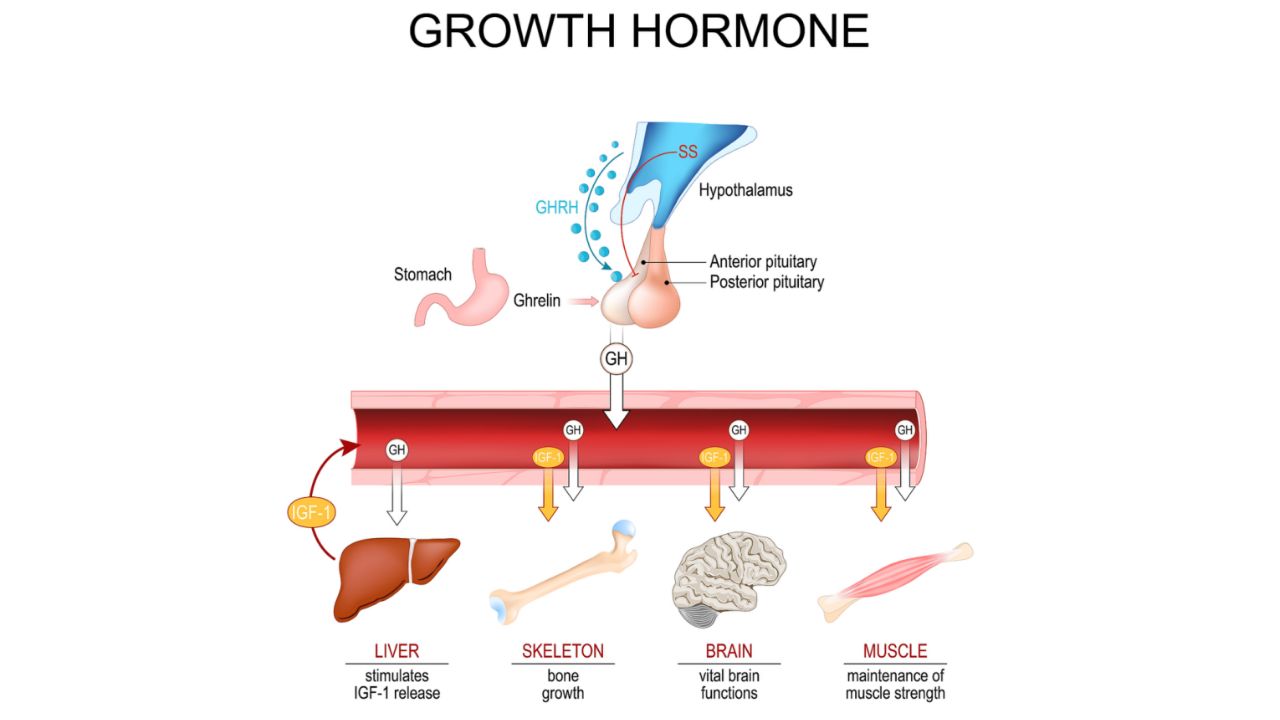
Hormones have extremely high efficacy. Hormone concentrations in the blood are very low, typically in the nanomolar to picomolar range for protein hormones and in the micromolar to nanomolar range for other hormones. Hormones can induce significant physiological effects at extremely low concentrations, partly because they have a high affinity for receptors and partly because they can amplify their effects through a cascade mechanism.
The intensity of a hormone’s effect is related to the number of hormone-receptor complexes. Therefore, maintaining appropriate hormone levels and receptor numbers is essential for maintaining normal body function. For example, insufficient insulin secretion or insulin receptor deficiency can cause diabetes.
Classification of Hormone Receptors
Receptors for water-soluble hormones are generally located on the plasma membrane of target cells and are called cell-surface receptors, such as the insulin receptor. Receptors for fat-soluble hormones are generally located within the cell and are called intracellular receptors, such as the thyroid hormone receptor and sex hormone receptors.
Hierarchical Regulation of Hormones
In this hierarchical regulation of hormones, the hypothalamus is the highest center, controlling hormone secretion from the pituitary gland. The pituitary gland is a secondary gland that controls endocrine glands such as the thyroid gland and adrenal cortex.
The pituitary gland is divided into three parts: the anterior, middle, and posterior lobes, connected to the hypothalamus by the pituitary stalk. The anterior and middle lobes can synthesize hormones independently and are also called the adenohypophysis; the posterior lobe, also known as the neurohypophysis, can only store and secrete hormones, which are derived from the hypothalamus.
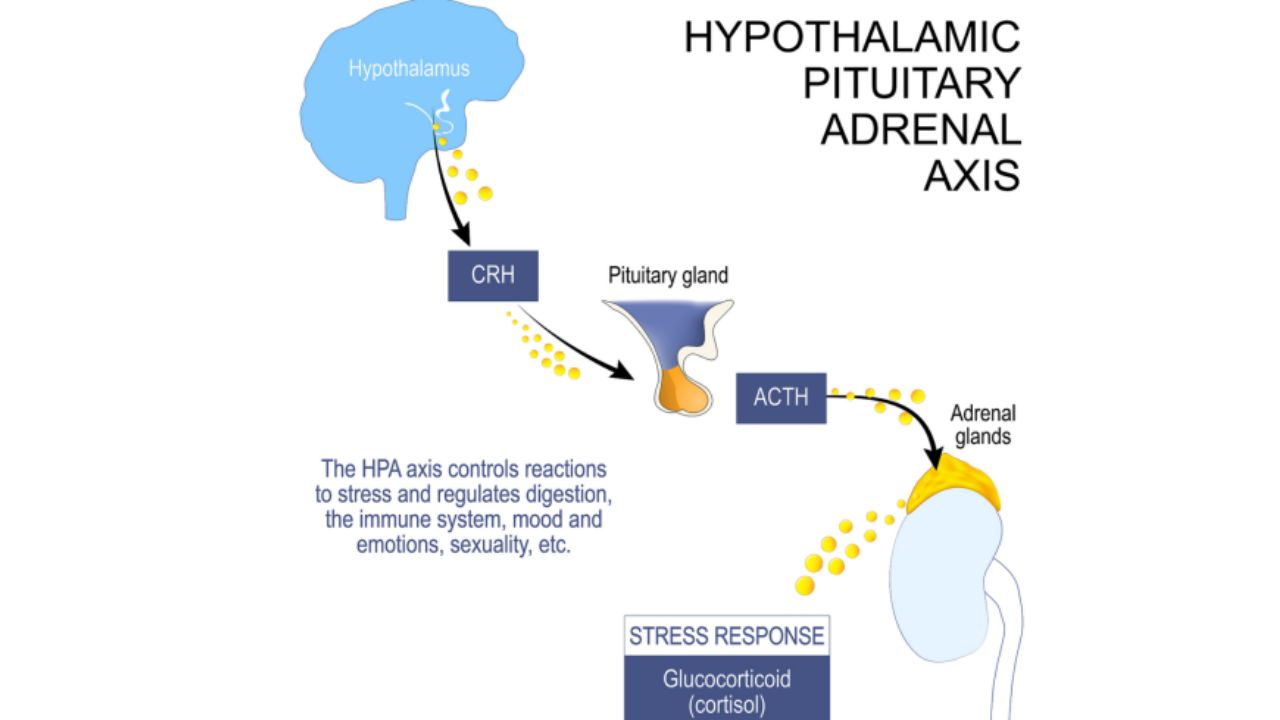
Some hormones secreted by the anterior pituitary promote the normal growth, development, and secretory function of target glands and are collectively referred to as tropic hormones. Tropical hormones include thyroid-stimulating hormone, adrenocorticotropic hormone, follicle-stimulating hormone, interstitial cell-stimulating hormone, and gonadotropins, and are chemically proteins or polypeptides. TSH, mentioned above, is a glycoprotein that promotes thyroid function through GPCRs.
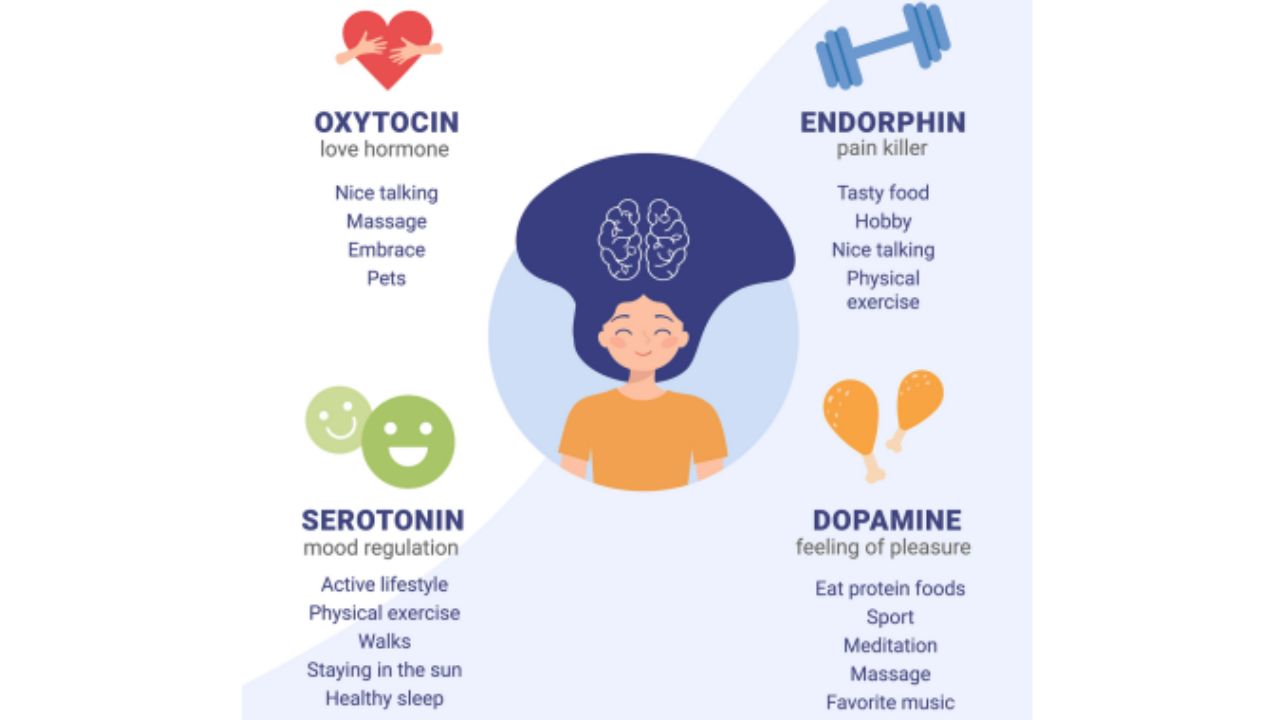
In addition to tropic hormones, the anterior pituitary gland also secretes growth hormone (GH), lipolysis-stimulating hormone (LPH), and endorphins (EP). Endorphins have analgesic properties, and there are reports of increased levels of endorphins in cerebrospinal fluid during acupuncture anesthesia. The middle pituitary gland secretes melanocyte-stimulating hormone (MSH), which regulates the pigment content of animal epidermal cells. Posterior pituitary hormones include oxytocin and vasopressin, both nonapeptides. The former causes contraction of various smooth muscles, promoting labor and lactation; the latter, also known as antidiuretic hormone (ADH), constricts arterioles, reducing urination and potentially increasing blood pressure in cases of heavy blood loss.
The hypothalamus is the highest center in the endocrine system. It secretes neurohormones, namely various releasing hormones (RH) and release-inhibiting hormones (RIH), to control pituitary hormone secretion. The pituitary gland is a secondary endocrine gland, controlling hormone secretion by tertiary endocrine glands such as the thyroid, adrenal cortex, gonads, and pancreatic islets through the release of troponins. The hypothalamus secretes peptide hormones, collectively known as hypothalamic regulatory peptides. Their physiological function is to control the secretion of anterior pituitary hormones, hence the names “hormone-releasing hormone” and “release-inhibiting hormone.” Nine types have been discovered so far, and those whose structures are still unclear are called “factors”. For example, thyrotropin-releasing hormone (TRH) secreted by the hypothalamus is a tripeptide that can promote the secretion of thyroid stimulating hormone (TSH) by the anterior pituitary cells and regulate thyroid function. Although TRH has only three amino acid residues (pyroGlu-His-Pro), it is also a product of gene expression. The human TRH translation product is called prepro-TRH, which contains six copies of the TRH precursor sequence and is finally processed to form active TRH (Nihon Rinsho. 1994 Apr;52(4):995-1000.). The TRH receptor is a typical “calcium mobilizing” GPCR that acts through the PKC-MAPK pathway and ion channels (Front Neurosci. 2012 Dec 13;6:180.). Although TRH is small, its function is not limited to regulating TSH release. TRH receptors are expressed in various cells of the central nervous system and are involved in regulating a variety of physiological activities, including arousal, circadian rhythms, pain perception, and spinal motor function. Studies have shown that they are also involved in cerebellar motor learning (Front Cell Neurosci. 2018 Dec 12;12:490).
Steroid Hormones
The classic signaling pathway for steroid hormones is that hormone molecules, relying on their lipid solubility, enter cells, bind to intracellular receptors, activate the receptor’s transcription factor activity, and initiate the expression of related genes.
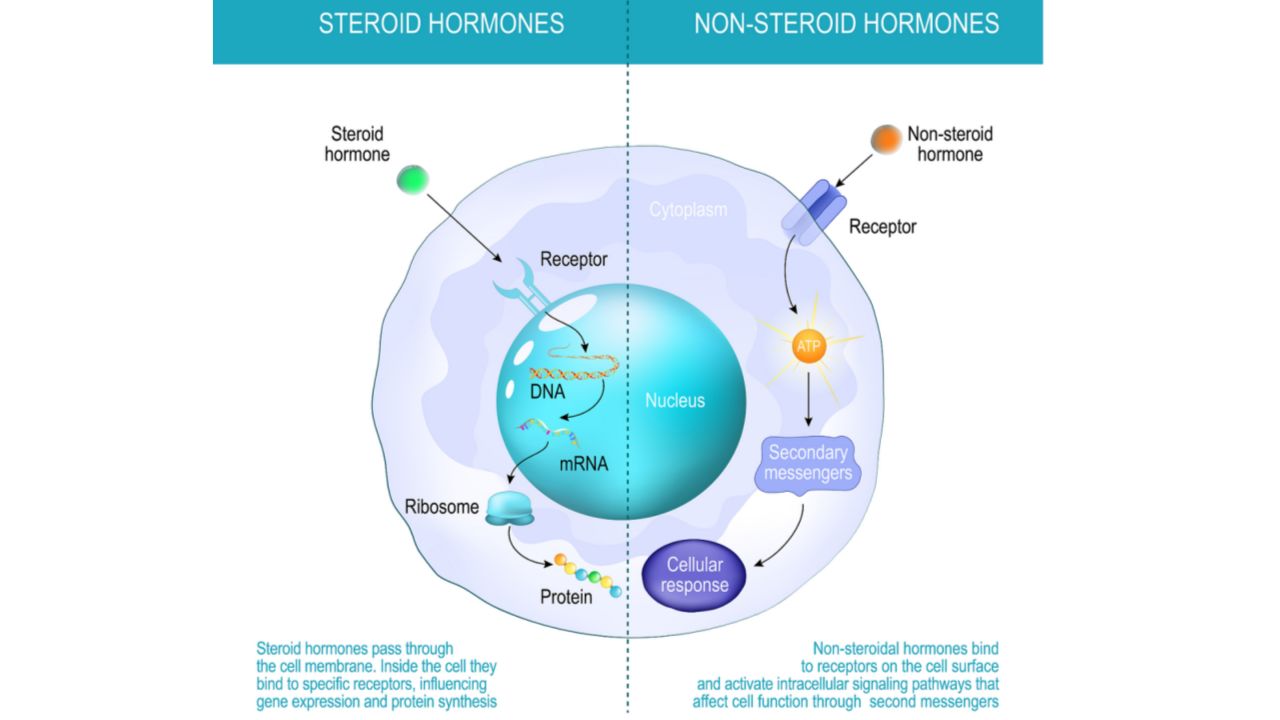
A typical example is estrogen (ER). After binding to the estrogen receptor (ERR) in the cytoplasm, estrogen enters the cell nucleus and binds to the estrogen response element (ERE) on target genes to regulate gene expression. In addition to this classic pathway, ER also has membrane receptors that can mediate non-genetic effects. For example, G protein-coupled estrogen receptor (GPER) plays an important role in tumor progression (Toxicol Res. 2019 Jul;35(3):209-214.). There is a widely used estrogen analog called tamoxifen. It was originally developed as a contraceptive, hoping that it would mimic the contraceptive effect of high-dose estradiol. As a result, it can indeed bind to ERR, but it cannot activate it. Instead, it competes with estrogen for the receptor, becoming an antagonist and promoting pregnancy. However, the developers did not give up and turned to using it to treat estrogen-sensitive breast cancer, which is very effective. In the field of biotechnology, tamoxifen is used for conditional gene knockout, which is one of the two most commonly used techniques. In this system, the mutant ERR ligand binding domain is fused to the Cre recombinase to form Cre-ERT. Cre-ERT cannot bind to the natural ligand 17-β estradiol and can only bind to tamoxifen. In the absence of tamoxifen, Cre-ERT binds to the heat shock protein Hsp90 and is localized in the cytoplasm. After the addition of tamoxifen, Hsp90 dissociates, exposing a nuclear localization signal that guides Cre recombinase into the nucleus to function.
Prostaglandin hormones

Although prostaglandin hormones are lipids (eicosanoids), their receptors are GPCRs, acting through both autocrine and paracrine mechanisms.
The multi-layered nature of hormonal regulation.
The relationship between the relevant layers is one of control and control, but the controlled element can also react to the controller through feedback mechanisms. For example, the hypothalamus secretes thyrotropin-releasing hormone (TRH), which stimulates the anterior pituitary to secrete thyrotropin (TSH), which in turn causes the thyroid gland to secrete thyroxine. When thyroxine concentrations in the blood rise to a certain level, thyroxine can also feedback and inhibit the secretion of TRH and TSH.
The effects of hormones are not isolated. The endocrine system not only has a hierarchical control and feedback relationship, but also often multiple hormones within the same layer work in a mutually dependent manner to exert regulatory effects. The interactions between hormones can be both synergistic and antagonistic. For example, in blood sugar regulation, hormones like glucagon increase blood sugar, while insulin decreases it. They work synergistically to stabilize blood sugar levels. These two hormones, which exert positive and negative control over a physiological process, maintain a certain balance. Any disruption can lead to endocrine disorders.
The synthesis and secretion of hormones are uniformly regulated by the nervous system, enabling systematic and coordinated regulation of material and energy metabolism, thereby coordinating various physiological functions of the organism. Nerves can both control endocrine system secretions and directly secrete hormones. Some hormones, such as thyroid hormone, can also act on the nervous system, promoting brain development.