

Basic information of Betaine Hydrochloride
- Product Name: Betaine Hydrochloride
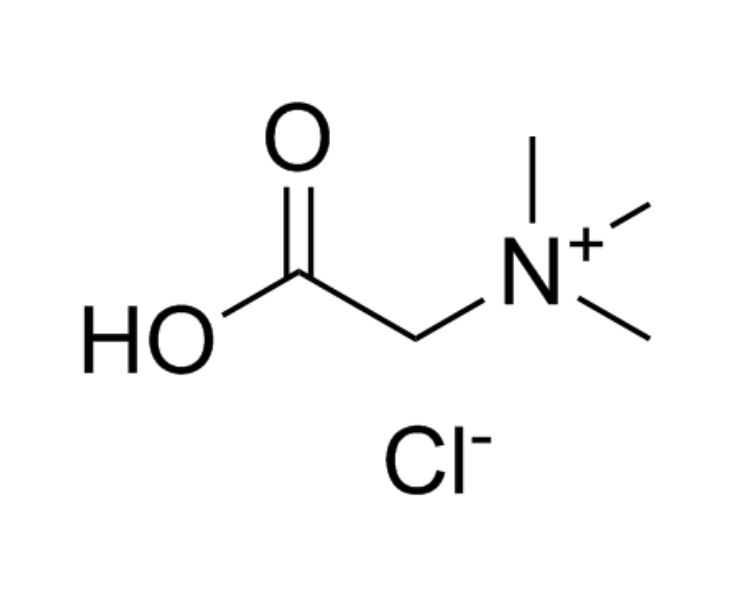
- English Aliases: Betaine HCl, Trimethylglycine Hydrochloride, (Carboxymethyl)trimethylammonium hydrochloride
- Industry Abbreviation: BET-HCl
- CAS No.: 590-46-5
- Molecular Formula: C5H11NO2•HCl
- Molecular Weight: 153.61 g/mol
- Product Grade: Food Grade, Pharmaceutical Grade, Feed Grade
- Main Uses: Gastric acid supplement, nutritional fortifier, feed additive
Highassay’s Betaine Hydrochloride
- Betaine hydrochloride is a combination of betaine and hydrochloric acid.Sothe betaine content is lower than that of anhydrous betaine.
- Betaine hydrochloride is mostly produced through artificial synthesis.It is mainly used in the feed industry and as a raw material for pharmaceuticals.
- Betaine hydrochloride is not hygroscopic.It has a sour and astringent taste, and its aqueous solution is highly acidic.
- Betaine hydrochloride is one of the most common commercial forms of betaine on the market.Its core function and characteristics: It is an excellent and economical feed additive.
Supplementary Technical Details for Betaine Hydrochloride
- Production Method: Betaine is produced by reacting chloroacetic acid with trimethylamine to generate betaine, followed by acidification with hydrochloric acid, crystallization, and drying.
- Acute Toxicity (LD50): Oral LD50 in rats: >5000 mg/kg (practically non-toxic); Oral LD50 in mice: >8000 mg/kg
- Chronic Toxicity: High safety for long-term use, meeting food-grade and pharmaceutical-grade standards.
- Upstream and Downstream Products (Raw Materials): Chloroacetic acid, trimethylamine, hydrochloric acid, purified water
- Upstream and Downstream Products (Downstream): Pharmaceutical preparations, health foods, feed additives, cosmetic raw materials
- Quality Standards: Complies with relevant standards such as USP, EP, FCC, and GB (adjusted according to product grade)
- Detection Methods: HPLC, titration, infrared spectroscopy (IR), melting point determination
- Transportation Methods: Sea freight, air freight, express delivery (according to customer requirements)
- Payment Terms: T/T, L/C, Western Union, etc. (negotiable)
- Certifications: ISO9001, GMP, FDA GRAS, FSSC 22000 etc.
- Technical Support:Provides product application technical guidance and solutions.
Physicochemical Properties of Betaine Hydrochloride
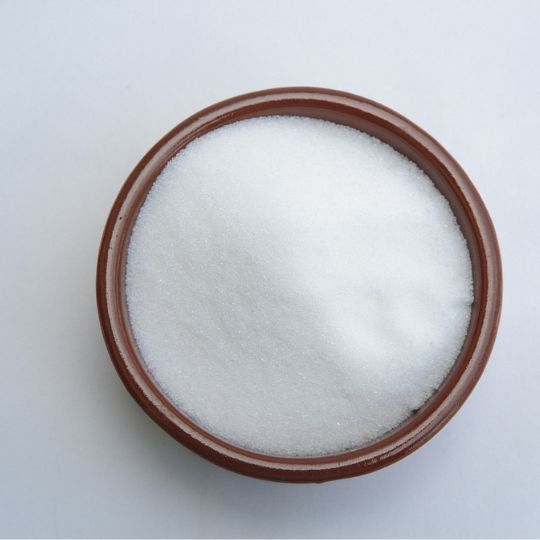
- Appearance and Odor: White to off-white crystalline powder, odorless or with a slight characteristic odor.
- Solubility: Easily soluble in water, methanol, and ethanol; slightly soluble in ether and chloroform.
- Boiling Point: Decomposes (approximately 240℃).
- Melting Point: 241-245℃
- Density: 1.20 g/cm³ (20℃)
- pH Value (1% aqueous solution): 1.5-2.5 (acidic)
- Stability: Stable under dry conditions; readily soluble in water.
- Hygroscopicity: Slightly hygroscopic; should be stored in a sealed container.
Packaging and Storage of Betaine Hydrochloride
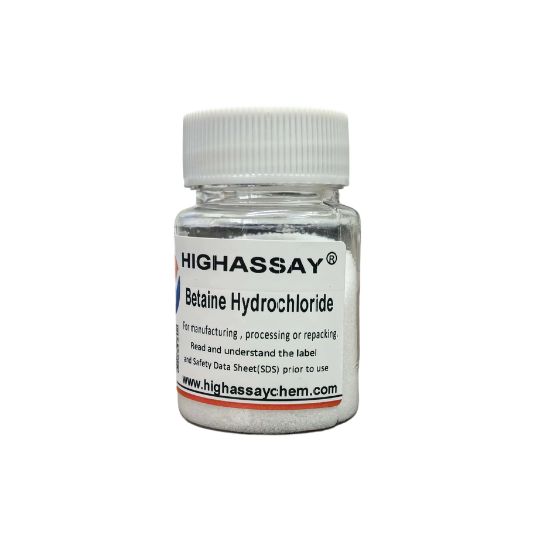
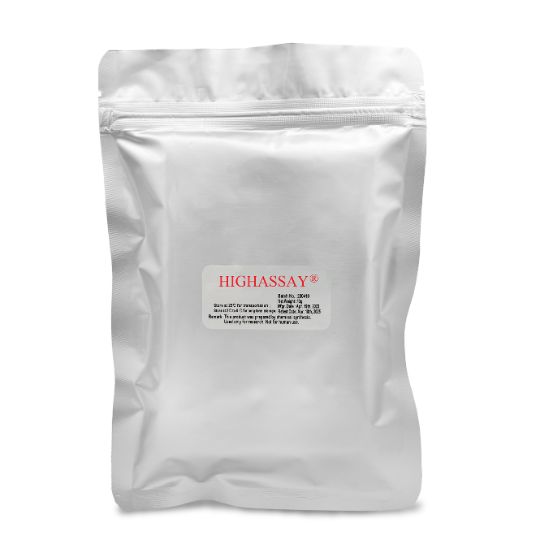
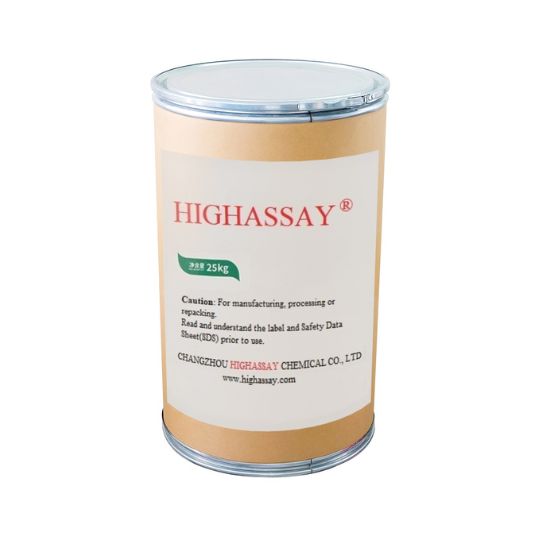
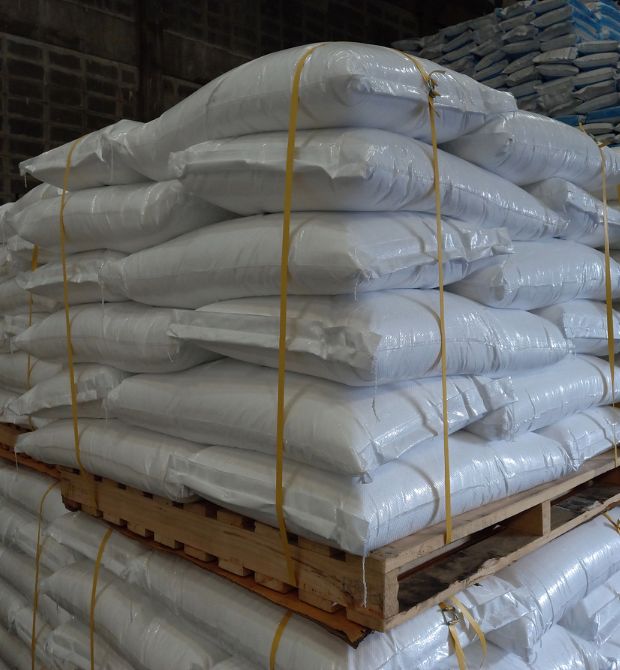
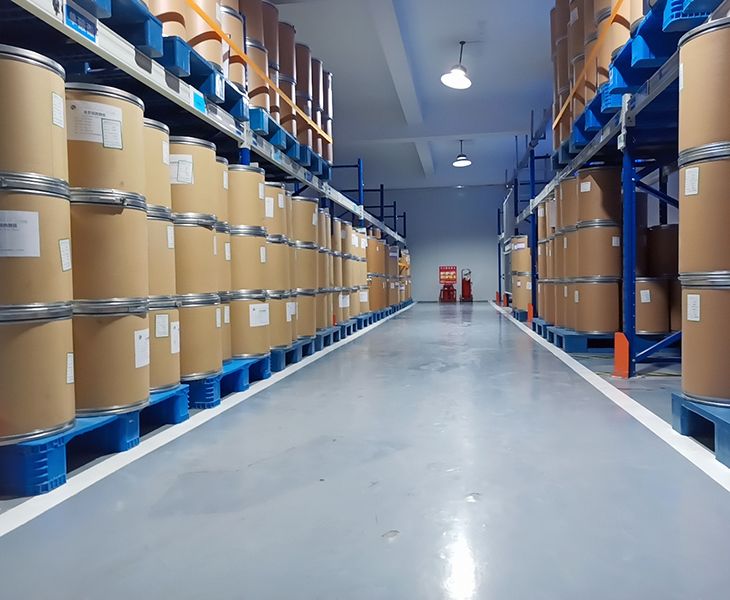
- Packaging: 25kg/fiber drum (lined with polyethylene bag), 1kg/aluminum foil bag
- Storage: Store in a cool, dry, and well-ventilated warehouse; avoid direct sunlight and moisture.
- Shelf Life: 24 months from the production date under proper storage conditions.
- CAS No.: 590-46-5
- Molecular Formula: C5H11NO2·HCl
- Molecular Weight: 153.61 g/mol
- Standard: Enterprise standard or national standard (GB 1903.32-2022)
- Precautions: Avoid storage with strong oxidizers and strong alkalis; wear protective gloves and goggles during operation.
- After-sales Service: Provides COA and MSDS; free return and exchange for quality issues; technical support.
Applications of Betaine Hydrochloride
Betaine Hydrochloride in Animal Feed
- The biggest application of betaine hydrochloride is as a feed additive.As a nutritional additive, betaine hydrochloride is a stable methyl donor.It helps promote fat metabolism in livestock and increase lean meat percentage.
- Betaine hydrochloride has appetite-stimulating activity.Especially for aquatic animals and young livestock.It is beneficial to significantly increase feed intake and daily weight gain.
- Betaine hydrochloride can act as an osmotic pressure buffer.It helps animals resist environmental stress caused by high temperatures and high salt content.
Betaine Hydrochloride in Pharmaceuticals and Health Products
- Betaine hydrochloride can be used as a pharmaceutical raw material.The most common example is the active ingredient in antacids.Treatment for indigestion, bloating, etc. caused by lack of stomach acid.Betaine hydrochloride is often combined with pepsin in a scientific way to reduce direct damage to the stomach lining.Alternatively, it can be used as a methyl donor to treat homocystinuria and protect cardiovascular health.
- Betaine hydrochloride can be used as a pharmaceutical intermediate.For example, it can be used as a key intermediate in the veterinary drug tylosin.
- Betaine hydrochloride can be used to produce high-value health products.It is beneficial for supporting digestive health, cardiovascular health, and liver protection.It also has certain benefits in improving athletic performance and enhancing immunity.
Betaine Hydrochloride in Industry and Scientific Research Fields
- Betaine hydrochloride is an industrial production aid.It can be used in the electronics or metal processing industries as a welding aid, metal surface cleaner, or corrosion inhibitor.It canalso be used for resin synthesis or modification, etc.
- Betaine hydrochloride has excellent moisturizing properties.It can be used for skin or hair conditioning and as an additive in specialty cosmetics.It has antibacterial, mite-removing, and acne-reducing effects.
- Betaine hydrochloride is a basic ingredient in the fermentation industry, such as in the production of vitamin B2.
- Betaine hydrochloride is also indispensable in biological and medical research.Examples include studies on cells and osmotic pressure、analytical chemistry standards.
Get an Instant Quote Now