

Basic information of Anhydrous Betaine
- Product Name: Anhydrous Betaine
- English Aliases: Trimethylglycine, Glycine betaine, Oxyneurine, Glycine betaine, Glycocoll betaine, Lycine, anhydrous betaine
- Industry Abbreviations: AB, TMG
- Other Language Names: German: Anhydrisches Betaine; French: Bétaine anhydre; Spanish: Betaina anhidra
- CAS Number: 107-43-7
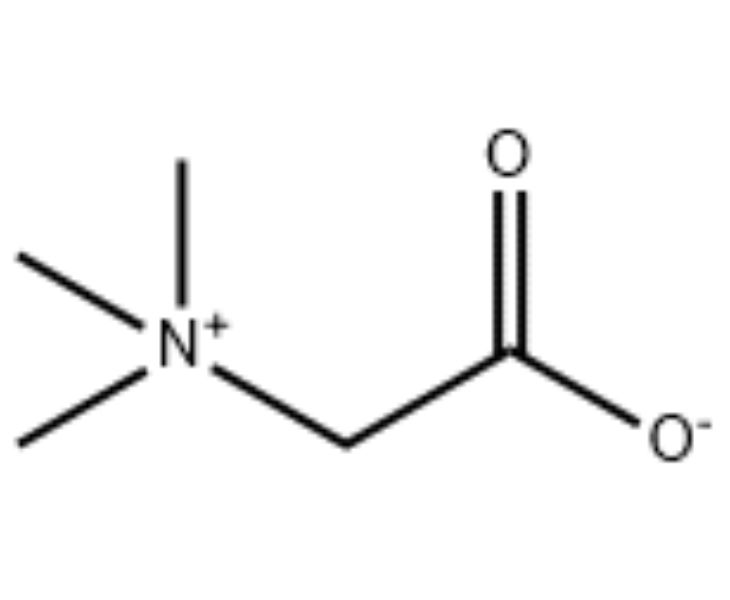
- Molecular Formula: C5H11NO2
- Molecular Weight: 117.15 g/mol
- Product Grades: Food Grade, Pharmaceutical Grade, Cosmetic Grade, Feed Grade
- Main Uses: Nutritional fortifier, humectant, osmotic pressure regulator, anti-fatty liver agent
Highassay’s Anhydrous Betaine
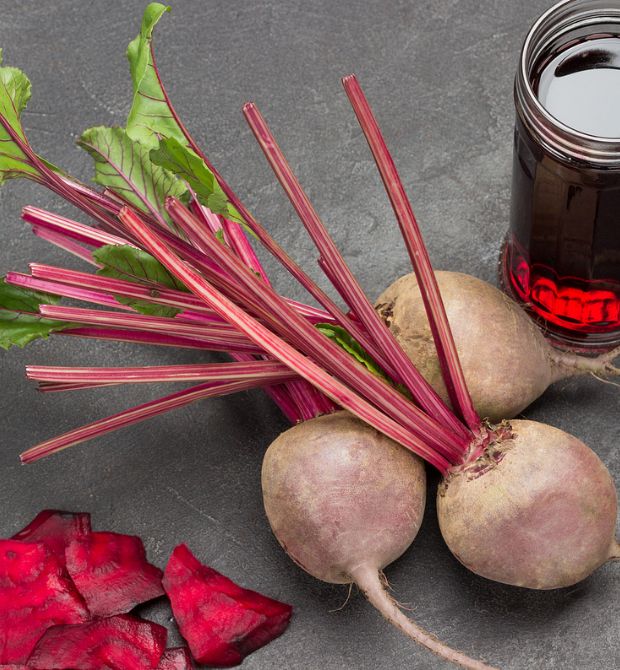
- Anhydrous betaine is mainly derived from beet molasses and is a natural extract.
- Anhydrous betaine is highly hygroscopic, has high purity, and possesses a natural sweetness.
- Advantages of anhydrous betaine: higher purity, superior functionality, lower production costs, and increasing market demand.
- Anhydrous betaine is one of the most common commercial forms of betaine on the market, besides betaine hydrochloride.
Supplementary Technical Details for Anhydrous Betaine
- Production Methods: Natural extraction (extraction and purification from beet molasses); Chemical synthesis (reaction of chloroacetic acid and trimethylamine)
- Acute Toxicity (LD50): Oral LD50 in rats: >5000 mg/kg (practically non-toxic); Oral LD50 in mice: >8000 mg/kg
- Chronic Toxicity: No toxic reactions in long-term feeding studies; no teratogenic, carcinogenic, or mutagenic effects.
- Upstream and Downstream Products (Raw Materials): Beet molasses (natural method), chloroacetic acid, trimethylamine, sodium hydroxide (synthetic method)
- Upstream and Downstream Products (Downstream): Food additives, pharmaceutical intermediates, cosmetic raw materials, feed additives
- Quality Standards: GB 1886.307-2021 (China), FCC VII (USA), EP 10.0 (Europe)
- Testing Methods: Purity determined by High Performance Liquid Chromatography (HPLC); Moisture content determined by Karl Fischer titration; pH value determined by titration.
- Shipping Methods: General freight (non-dangerous goods), sea freight, air freight, land freight, and express delivery are supported.
- Payment Methods: Wire transfer (T/T), Letter of Credit (L/C), Alipay, WeChat (small amounts).
- Certifications: ISO 9001 Quality Management System Certification, FDA Registration, HALAL Certification, KOSHER Certification
- Technical Support: MSDS, application formulation guidance, and testing method support are provided.
Physicochemical Properties of Anhydrous Betaine
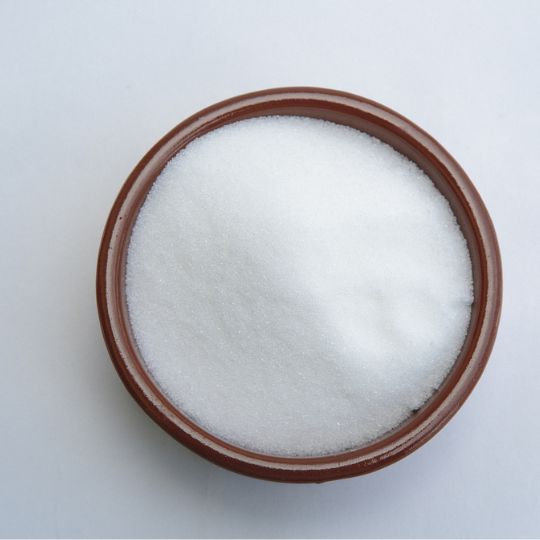
- Appearance and Odor: White crystalline powder, odorless, slightly sweet taste.
- Solubility: Easily soluble in water (solubility >160g/100mL at 20℃), soluble in methanol and ethanol, insoluble in ether and chloroform.
- Boiling Point: 273℃ (decomposes)
- Melting Point: 293-295℃
- Density: 1.00 g/cm³ (20℃, solid)
- pH Value (1% aqueous solution): 7.0-8.0 (1% aqueous solution, neutral)
- Stability: Stable when stored in a cool, dry place; no significant degradation within the shelf life.
- Hazards: Practically non-toxic, non-irritating to skin and eyes, but upon absorbing moisture and deliquescing, it decomposes and releases trimethylamine with a characteristic odor.
Packaging and Storage of Anhydrous Betaine
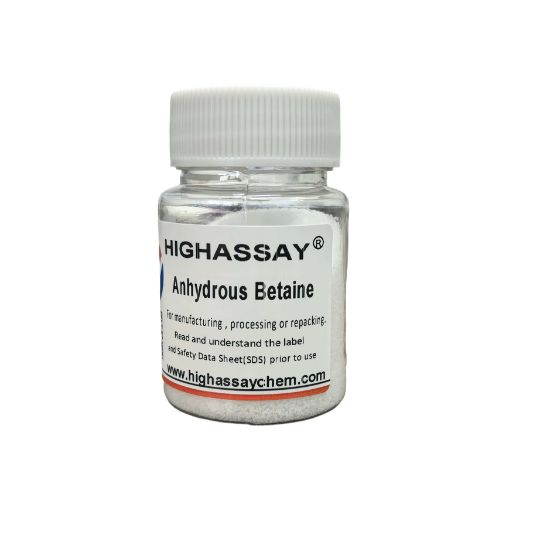
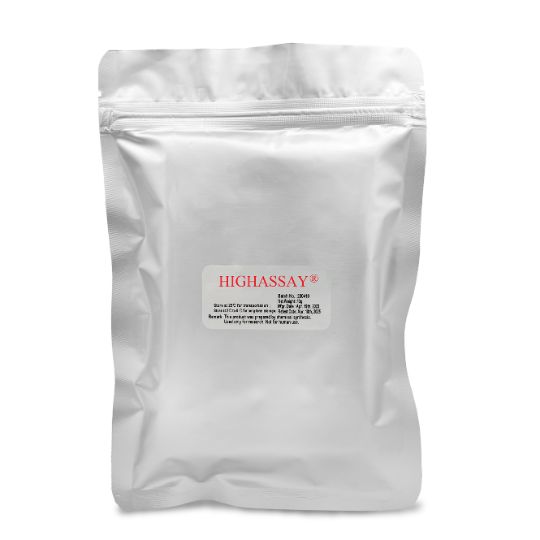
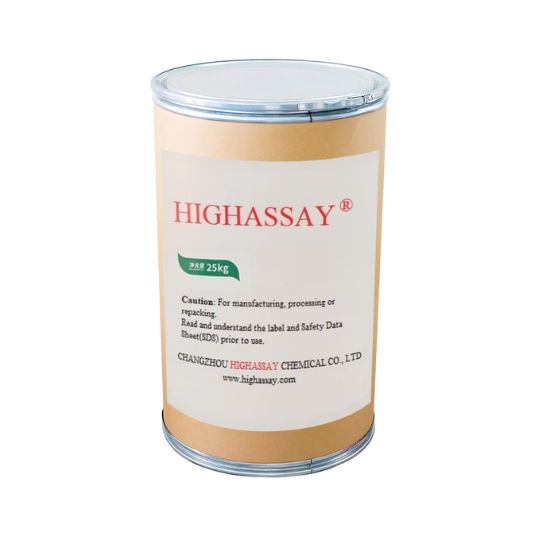
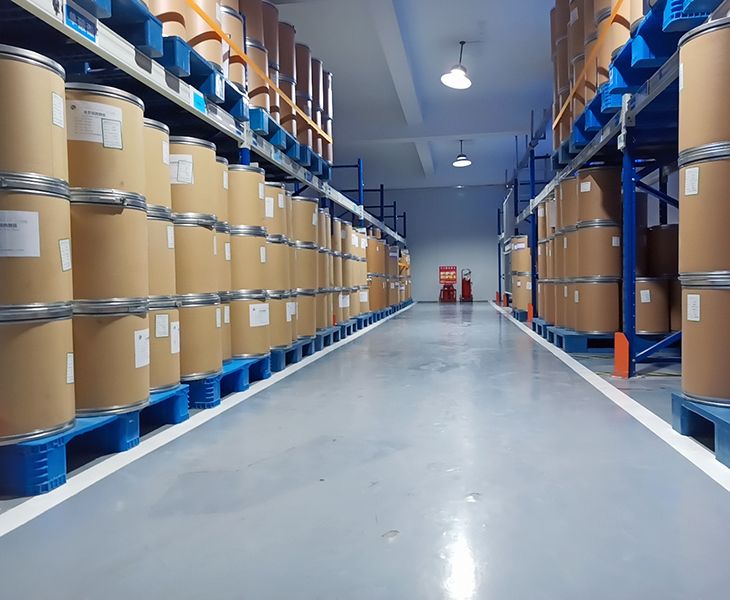
- Packaging: 1kg/aluminum foil bag, 25kg/cardboard drum (with PE liner)
- Storage: Store in a cool (≤25℃), dry (RH≤60%) and well-ventilated area; avoid direct sunlight.
- Shelf Life: 24 months from production date (when stored as recommended)
- CAS No.: 107-43-7
- Molecular Formula: C5H11NO2
- Molecular Weight: 117.15 g/mol
- Precautions: Avoid storage with strong oxidizers and strong acids; use as soon as possible after opening; seal remaining product.
- After-sales Service: Free return and exchange within 7 days for quality issues; lifetime technical consultation provided; customized packaging available for bulk orders.
Applications of Anhydrous Betaine
Anhydrous Betaine in Medical Field
- Anhydrous betaine can be used as a raw material for prescription drugs.It is used to treat hyperhomocysteinemia or as an adjunct treatment for rare inherited metabolic diseases such as homocystinuria.
- Anhydrous betaine has shown great promise in treating diseases such as tumors, lowering blood pressure, and treating peptic ulcers.
- Anhydrous betaine is known as a “liver protectant” because it participates in fat metabolism and lowers homocysteine
- Anhydrous betaine has been granted orphan drug designation by the United States and Japan.
Anhydrous Betaine in Animal Feed
- Anhydrous betaine, when added to feed, helps protect vitamins.This makes the feed resistant to high temperatures, extends its storage period, and improves its utilization rate.
- Anhydrous betaine is added to animal feed as a nutritional additive.It helps improve the egg production rate, lean meat rate and meat quality of livestock and poultry, and also increases weight.
- Anhydrous betaine can providefunctional nutrients for animals, including methylation, osmotic pressure protection, and metabolic regulation.
Anhydrous Betaine in Food Sector
- Anhydrous betaine can be used as a food additive in all kinds ofFor example, foods that need to retain moisture (baked goods, meats, pasta products, etc.);Functional products requiring nutritional fortification (beverages, dairy products, etc.); weight-loss foods, etc.
- Anhydrous betaine can be used in the production of nutritional supplements.It is a functional product aimed at ordinary consumers for daily health care and health management.It is beneficial for protecting our cardiovascular health, supporting systemic methylation, and providing nutritional support for exercise.
- Anhydrous betaine also plays a significant role in the fermentation field.Its presence can significantly improve the yield and efficiency of fermentation.
Anhydrous Betaine in Cosmetics
- Anhydrous betaine has multiple functions in skin care and personal care products.Moisturizing (anhydrous betaine is an excellent moisturizer), antistatic, gentle cleansing, repairing, etc.
- Anhydrous betaine has excellent compatibility in cosmetics.It can be used in combination with a variety of other active ingredients to achieve synergistic effects.
- Anhydrous betaine also has many other auxiliary functions in cosmetics, such as thickening, sterilization, and pH adjustment.
Anhydrous Betaine in Industrial Sector
- Anhydrous betaine can be used to manufacture certain dental materials.Utilizing its excellent biocompatibility and stability.
- Anhydrous betaine is a leveling agent used in the printing and dyeing industry to prevent uneven dyeing and to dye fabrics.
- Anhydrous betaine is an amphoteric surfactant.It can be used as a raw material for mild industrial cleaning agents and emulsifiers.
Get an Instant Quote Now