

Basic Information of NMN
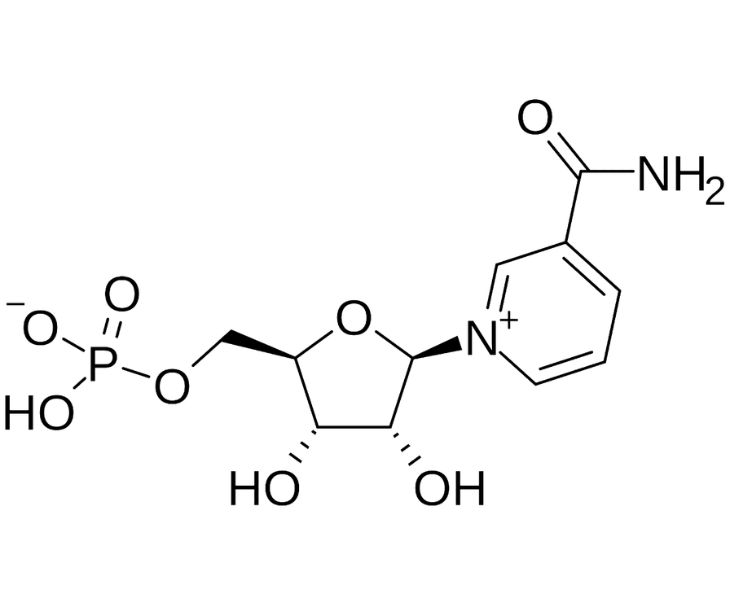
- Product Name: β-Nicotinamide Mononucleotide (NMN)
- Molecular Formula: C11H15N2O8P
- Molecular Weight: 334.219
- CAS No.: 1094-61-7
- EINECS: 214-136-5
- Applications: Pharmaceuticals, Cosmetic Raw Materials, Food Additives, Dietary Supplements
High Purity NMN Bulk Powder(≥99%)
Are you looking for a reliable NMN supplier in China?Highassay provides high-purity β-Nicotinamide Mononucleotide (NMN) powder for dietary supplements, functional foods, and skincare formulations.
Key Information for NMN Procurement
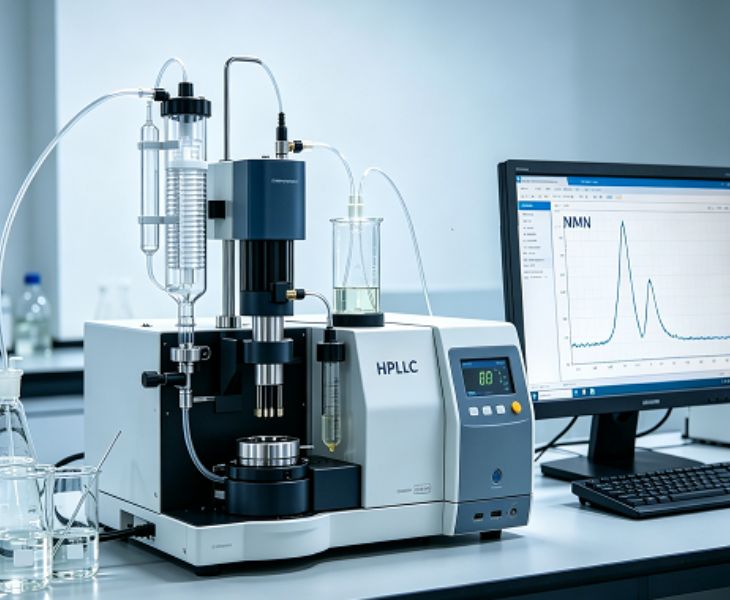
- Purity: ≥99% (HPLC)
- MOQ: 1 kg
- Lead Time: 7–14 days
- Samples: Free upon request (Shipping paid by buyer)
- Accompanying Documents: COA, MSDS, TDS, HPLC Chromatogram
- Quote Response: Within 24 hours
Why choose Highassay?
Highassay is a raw material supplier based in China.We offer NMN powder in various grades (food grade, pharmaceutical grade, research grade, etc.), featuring high purity (≥99%) and batch-to-batch stability.
Our Quality Commitment
- Every batch is traceable, and complete testing documentation is provided.
- All NMN raw materials undergo full-item testing upon warehousing.
- COA, HPLC chromatograms, MSDS, and microbial test reports are provided.
- Supports re-inspection by third-party testing agencies (SGS, Eurofins, etc.).
To purchase high-purity NMN powder in bulk, please contact Highassay.We provide a channel for free sample requests, enabling you to proactively mitigate quality risks during your product R&D and finished product manufacturing stages.
Applications of NMN
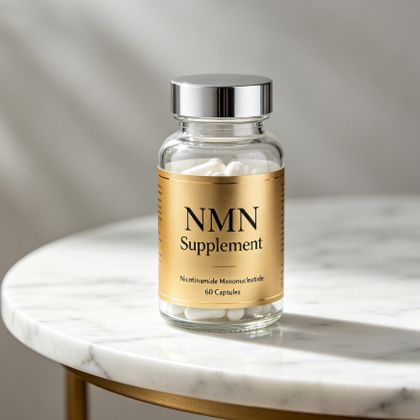 NMN for Nutritional Supplements
NMN supplements represent the largest market for NMN raw materials.Its common dosage forms are capsules and powders.
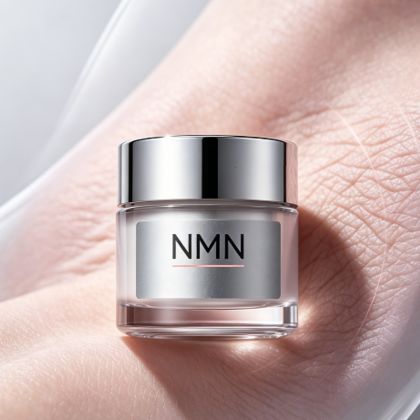 NMN for Skincare Products
Suitable for products like facial masks, serums, and face creams, it exhibits anti-inflammatory and anti-wrinkle effects, as well as collagen protection.
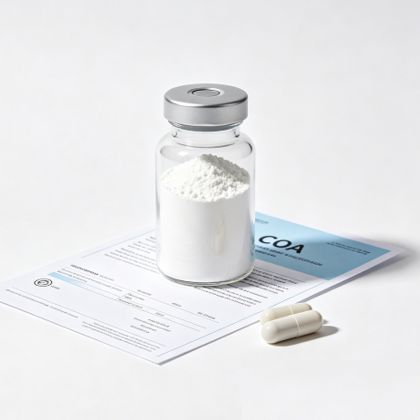 NMN in Pharmaceutical Research
It possesses API-level R&D potential and can be used as a pharmaceutical raw material or excipient.
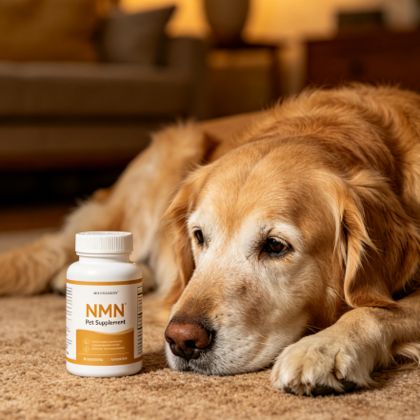 NMN for Animal Health
It can be applied in two areas: the preservation of breeding livestock semen and anti-aging for pets.
Physicochemical Properties of NMN
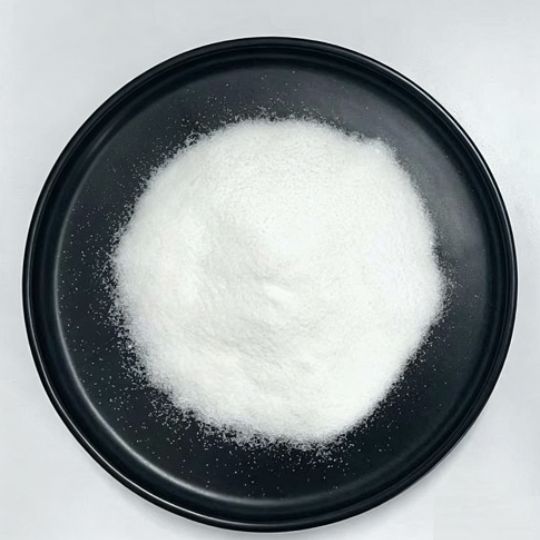
- Appearance: White to off-white crystalline powder
- Odor: No distinct odor
- Purity: ≥99% (by HPLC)
- Production Method: Whole-enzyme catalysis / Biological fermentation
- Heavy Metals: Complies with USP/EP standards
- Residual Solvents: Complies with ICH Q3C standards
- Test Reports: COA, HPLC chromatograms, and third-party test reports available upon request
NMN:Packaging and Storage
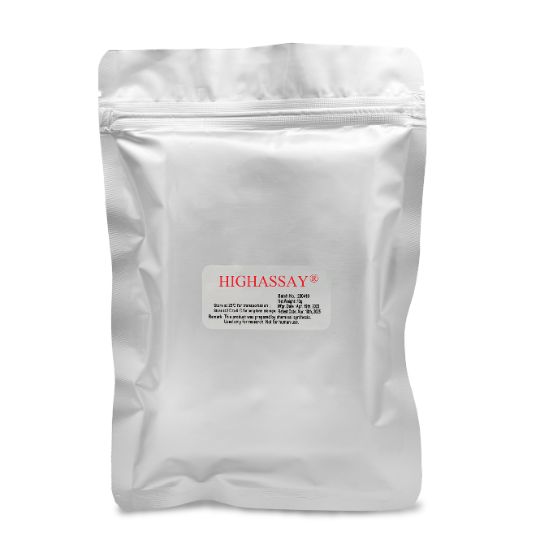
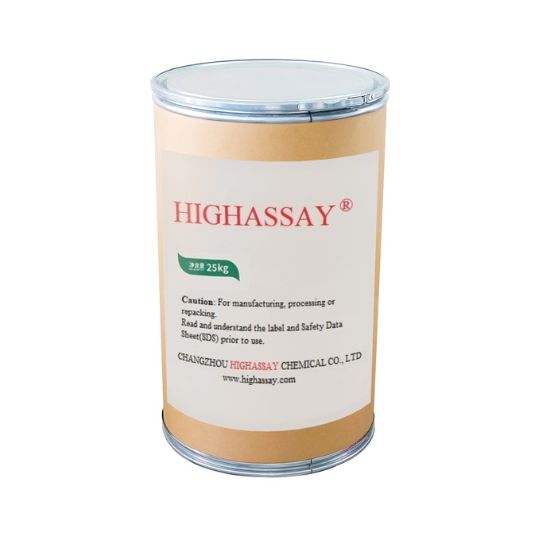
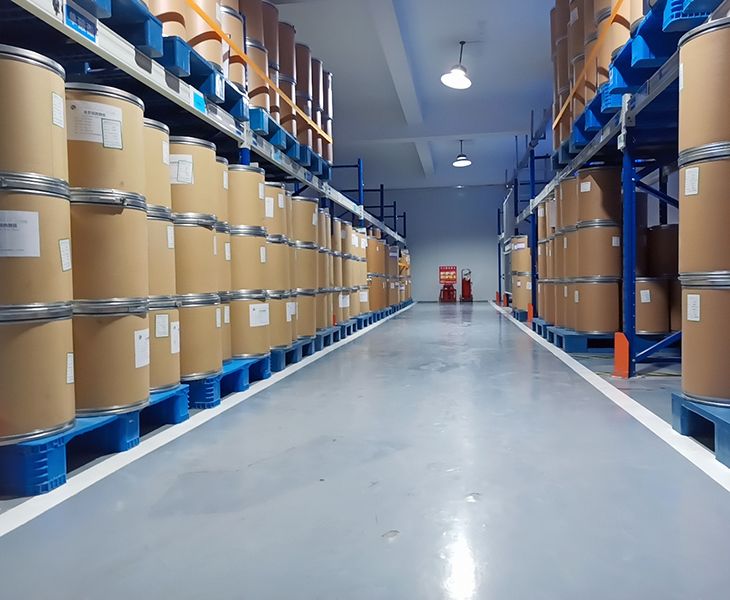
- We offer standard packaging options: 1 kg/bag (aluminum foil bag + outer aluminum foil bag), 5 kg/drum, and 25 kg/drum.
- Custom Packaging Services: We can repackage products according to your specifications and provide custom labeling.
- Storage: We recommend storing NMN powder in a sealed, cool, and dry place.
- Shelf Life: 24 months.
Specification of NMN
- Specification of NMN
Category | Item | Specification |
| Basic Information | Appearance | White to off-white crystalline powder |
| Purity (HPLC) | ≥99.0% | |
| Assay (on dry basis) | 98.0%–102.0% | |
| β-isomer | ≥99% | |
| Heavy Metals | Total heavy metals | ≤10 ppm |
| Lead (Pb) | ≤0.5 ppm | |
| Arsenic (As) | ≤0.5 ppm | |
| Mercury (Hg) | ≤0.3 ppm | |
| Cadmium (Cd) | ≤0.5 ppm | |
| Physical & Chemical Indicators | Loss on drying | ≤1.0% |
| pH (1% aqueous solution) | 2.0–4.0 | |
| Chloride | ≤200 ppm | |
| Sodium content | ≤0.05% | |
| Residual Solvents | Ethanol residue | ≤500 ppm |
| Microbiology | Total plate count | ≤750 CFU/g |
| Molds & yeasts | ≤50 CFU/g | |
| Coliforms | ≤3.0 MPN/g | |
| Pathogenic bacteria | Not detected |
Testimonials
Highassay’s NMN consistently tests at 99.5%+ purity. Their COA is accurate, and shipping is reliable.
Ms. ZephyrSupplement Brand, USAWe’ve sourced from Highassay for 2+ years. Stability of NMN powder is excellent.
Mr. LorinProduct development,an undisclosed company
How to get NMN price per kg?The price of our NMN raw materials is determined by production process, purity levels, and product grade. Your order volume is also a key factor. For a specific NMN bulk quotation, please contact us. We will provide you with the latest pricing for NMN powder within 24 hours.
Standard MOQ: 1 kg;
Lead Time: 7–14 days after payment confirmation;
Urgent Orders: Expedited shipping can be arranged.
NAD+ is one of the human body’s most critical coenzymes; it participates in thousands of biocatalytic reactions and is an indispensable entity within the body.
NMN is a direct and key precursor of NAD+.
Whole-enzyme method:Produces NMN with high purity, high activity, low impurities. Suitable for high-end markets and pharmaceutical-grade applications.
Fermentation method: Lower production cost, suitable for large-scale NMN production. Widely used for the mass market and cost-sensitive clients.
NMNH (Reduced β-Nicotinamide Mononucleotide) is the reduced form of NMN.
NMNH offers higher absorption efficiency, but its stability is inferior to that of NMN, and the cost of NMNH raw material is higher. As a raw material purchaser, you should make your decision based on the positioning of your final product.
NMN supplementation accelerates the elevation of NAD+ levels within the human body, repairs damaged cells, and serves to enhance physical function and maintain a youthful state.Much like PQQ, its concentration in breast milk and various foods is extremely low; therefore, it cannot be obtained in sufficient quantities through a regular daily diet and must instead be acquired through NMN nutritional supplements.
Combined Formulation: NMN and PQQ constitute a classic pairing in the field of anti-aging.
It boosts NAD+ levels and delays cellular aging; it improves energy levels and sleep quality; and it maintains the body’s metabolic functions.
NMN Raw Material Production Process Description
The NMN raw material supplied by Highassay is produced using an enzymatic/bio-fermentation process.The difference from traditional chemical synthesis methods lies in the fact that:
- No risk of residual organic solvents
- Product exhibits high-activity β-configuration
- High batch-to-batch stability
Comparison of NMN Production Processes
Comparison Dimension | Chemical Synthesis | Microbial Fermentation | Enzymatic Catalysis (Full Enzyme Method) |
| Technical Essence | Organic chemical reaction | Production in fermenters using living cells (e.g., Escherichia coli) | In vitro catalytic reaction using purified enzymes |
| Raw Materials | Chemical reagents | Inexpensive carbon sources such as glucose, xylose | Substrates including NR, NAM, ATP, etc. |
| Configuration Control | Both α- and β-isomers are produced, difficult to separate | β-configuration controllable | 100% β-configuration guaranteed |
| Purity Performance | Requires multiple purification steps | Batch-to-batch variation | Up to 99.9%+ purity |
| Impurity Risk | Organic solvent residues | Bacterial metabolic byproducts | Simple impurity profile, no solvent residues |
| Cost | Relatively low | Relatively high (high technical barriers) | High enzyme cost but high reaction yield |
| Environmental Friendliness | High pollution | Mild reaction conditions | High specificity, environmentally friendly |
Process Selection Recommendations
Application Scenario | Recommended Process | Reason |
| High-end dietary supplements | Full enzymatic method | High purity, low impurities, guaranteed β-configuration |
| General health products & cosmetics | Fermentation method | Controllable cost, stable supply |
| Pharmaceutical-grade raw materials | Full enzymatic method | Clear impurity profile, compliant with pharmaceutical standards |
| Large-scale export | Fermentation method | Large production capacity, cost-competitive |