

Product Overview
- Product Name: Sodium Sulfate
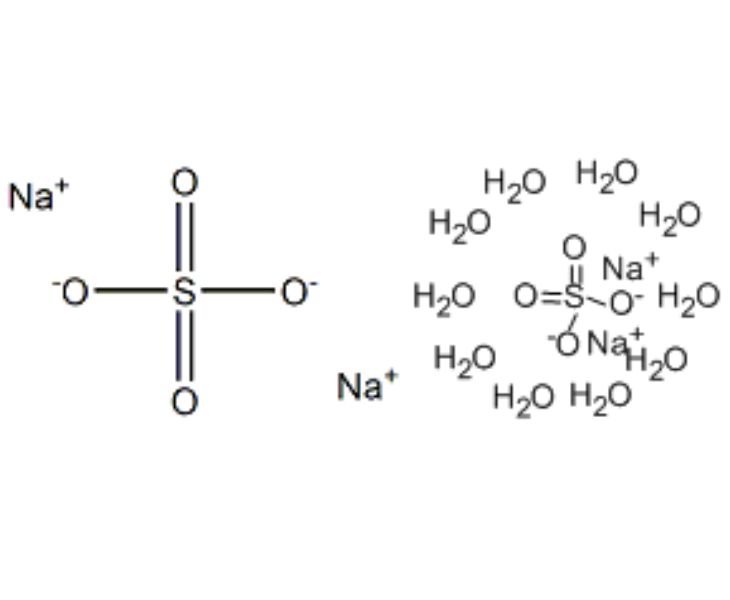
- Chemical Formula: Na₂SO₄ (Anhydrous) / Na₂SO₄·10H₂O (Decahydrate)
- Molecular Weight: 142.04 / 322.20
- Molar Mass: 142.04 g/mol / 322.20 g/mol
- CAS Number: 7757-82-6 / 7727-73-3
What is Sodium Sulfate?
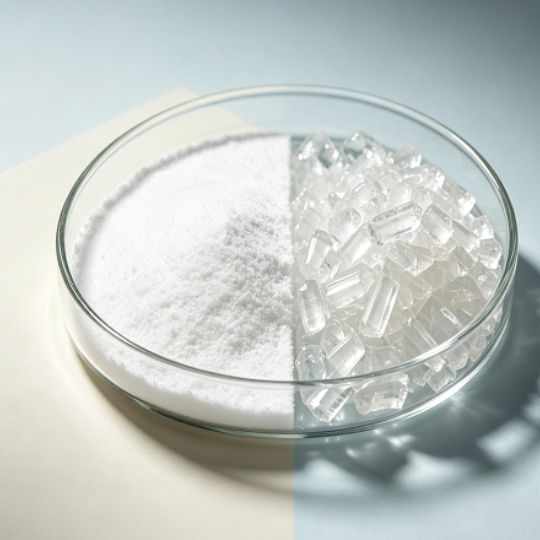
Sodium Sulfate (chemical formula Na2SO4) primarily exists in two forms: Anhydrous Sodium Sulfate and Sodium Sulfate Decahydrate. While they differ significantly in physical properties, their chemical properties are essentially the same.
Anhydrous Sodium Sulfate(Glauber’s salt), is completely free of crystal water. With its high purity and minimal moisture content, it is ideally suited for your drying operations and demanding, high-stability applications.
Sodium Sulfate Decahydrate, contains 10 crystal waters and features a low melting point of 32°C, making it an excellent choice for your cooling energy storage, pharmaceutical, and gentle process applications.
Why Choose Us?
Multi-grade coverage: One-stop supply of industrial, food, and pharmaceutical grades—saving you the hassle of comparing prices across multiple sources.
Strict quality control: Each batch comes with a COA, MSDS, and third-party test report, ensuring peace of mind in your procurement.
Flexible customization: Options for custom particle size and purity, along with flexible minimum order quantities, perfectly tailored to your purchasing plan.
Buy Sodium Sulfate,choose Highassay. If you have any questions about our products, please contact us, and we will provide a solution within 24 hours.
Sodium Sulfate: Packaging, Storage, and Transport
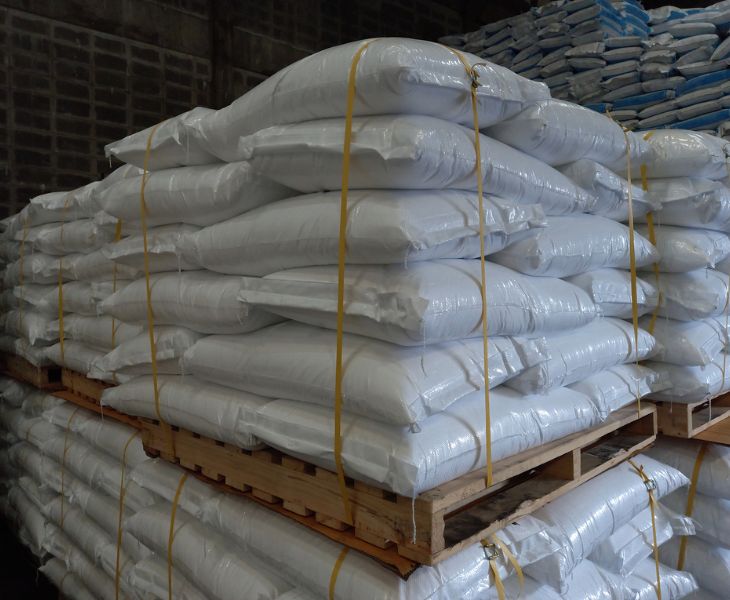
- Packaging Specifications: 25kg/50kg PP bags, 1000kg jumbo bags; custom packaging services are also available upon request.
- Storage Requirements: Store in a sealed container within a dry warehouse. Anhydrous sodium sulfate must be protected from moisture to prevent caking; sodium sulfate decahydrate requires low-temperature storage to prevent weathering (dehydration) and degradation.
- Transport Information: This product is classified as general cargo and is suitable for sea, air, and land transport.
Specification: Anhydrous vs. Decahydrate Sodium Sulfate
- Specification of Sodium Sulfate
| Item | Anhydrous Sodium Sulfate | Sodium Sulfate Decahydrate |
| Appearance | White crystalline powder / granules | Colorless or white transparent crystals |
| Melting Point | 884 °C | 32.4°C phase transition |
| Boiling Point | 1429 °C | Decomposes upon heating before boiling |
| Density | ~2.66 g/cm³ | ~1.46 g/cm³ |
| Water Content | ≤0.5% | 55.9% |
| Hygroscopicity | Hygroscopic, easy to cake | prone to Efflorescence |
| Solubility | Soluble in water, insoluble in ethanol | Soluble in water; dissolves with obvious heat absorption |
| Thermal Stability | Stable at high temperature | Loses crystal water above 32.4 °C, gradually converts to anhydrous |
| Main Application Features | Low moisture, high purity, stable at high temperature | Crystal form, low melting point, phase change energy storage, mild reaction |
No. While they share the same chemical properties, their physical characteristics differ significantly, making them suitable for completely different industrial processes.
Clumping in Anhydrous Sodium Sulfate is a normal result of physical moisture absorption; the material does not undergo chemical degradation, and it remains suitable for standard industrial use after crushing and screening. However, for food-grade or pharmaceutical-grade products, we do not recommend using clumped material in high-precision production environments to avoid potential impurity contamination; using fresh, free-flowing material is advised.
Food-grade Sodium Sulfate is subject to strict controls on harmful metals: Lead ≤ 5 mg/kg, Arsenic ≤ 2 mg/kg, Cadmium ≤ 1 mg/kg, and Mercury ≤ 0.2 mg/kg, ensuring no harmful residues.
The MOQ is 1 metric ton for Industrial-grade Sodium Sulfate and 25 kg for Food-grade or Pharmaceutical-grade Sodium Sulfate.
Sample orders are available, and volume-based tiered pricing applies to bulk purchases. Contact us to receive the latest quote within 24 hours.
Highassay’s Sodium Sulfate
Our Sodium Sulfate is primarily sourced from natural mining operations; we can also supply you with high-quality industrial by-product Sodium Sulfate.
Naturally derived Sodium Sulfate: high purity (≥99%) with extremely low levels of impurities such as heavy metals, making it more eco-friendly and safe.
Industrially synthesized Sodium Sulfate: There is significant variation in purity and quality, and stability is lower than that of naturally sourced material. However, this by-product also undergoes rigorous quality control, ensuring stable and reliable performance.
In practical applications, you can decide which source of Sodium Sulfate to choose based on your procurement costs and specific intended use.
Note: If your industry has strict requirements regarding product color and impurities, natural Sodium Sulfate will better meet your needs.
Anhydrous Sodium Sulfate
Key Applications
- Glass Industry: Specialized flux; helps lower the glass melting point and reduce production energy consumption.
- Detergent Industry: Filler for laundry powder/detergents; enhances product cleaning power.
- Textile Printing & Dyeing: Vinylon spinning and dyeing auxiliaries; optimizes dyeing results.
- Papermaking: Cooking aid for sulfate pulping.
- Chemical Industry: Raw material for producing sodium sulfide, sodium silicate, etc.
Product Grades
- Industrial Grade: Suitable for standard industrial sectors such as textile printing and dyeing, glass manufacturing, and papermaking.
- Food Grade: Food processing aid; complies with food safety standards.
- Pharmaceutical Grade: Pharmaceutical excipient; raw material for laxatives.
Sodium Sulfate Decahydrate
Key Applications
- Pharmaceuticals: Used in the preparation of laxatives and topical anti-inflammatory agents
- Energy Storage: Phase-change energy storage material; widely used in constant-temperature control systems
- Chemical Industry: Raw material for inorganic salts; leather tanning
- Metallurgy: Processing aid for non-ferrous metal beneficiation
Product Grades
- Industrial Grade: Chemical synthesis, metallurgy, leather manufacturing
- Pharmaceutical Grade (CP/USP): Pharmaceutical formulations; compliant with pharmacopoeia standards
- Food Grade: Food processing aid