
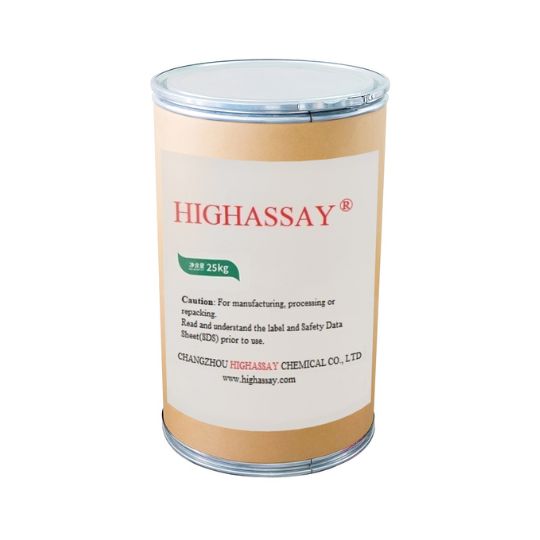
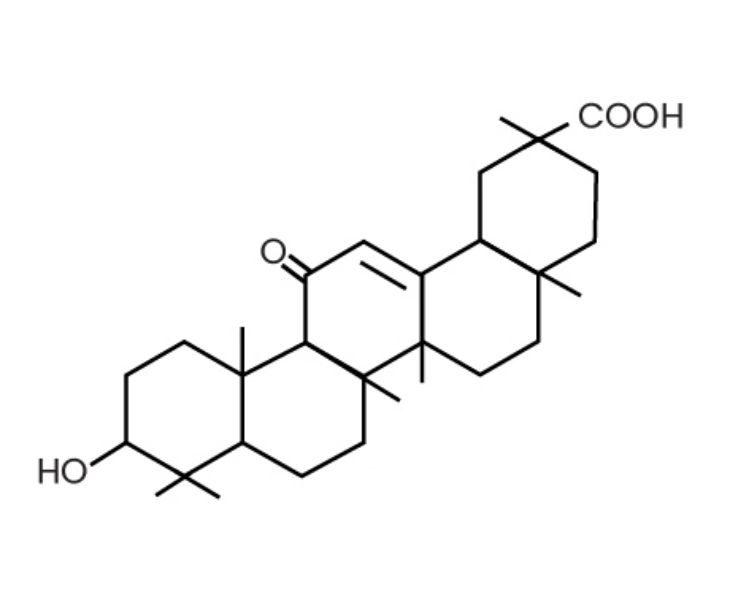
Basic Information of Glycyrrhetinic Acid
- Product Name: Glycyrrhetinic Acid
- Synonyms: Glycyrrhetic acid, 18-β-Glycyrrhetinic acid, Uralenic acid, 18-beta-Glycyrrhetinic acid
- CAS No.: 471-53-4
- EINECS: 207-444-6
- Molecular Formula: C₃₀H₄₆O₄
- Molecular Weight: 470.69
What is Glycyrrhetinic acid?
Glycyrrhetinic acid (CAS No. 471-53-4) is a naturally occurring pentacyclic triterpenoid compound.It is also the core substance by which licorice exerts its various pharmacological effects.The common β-isomer exhibits significant physiological activity (anti-inflammatory, anti-allergic, anti-ulcer, hepatoprotective, etc.).
Whatever your glycyrrhetinic acid requirement — any purity, any isomer, any application — we deliver. Custom specs, custom packaging, flexible orders. To make a purchase, please click below to request a free sample and the latest price quote for our glycyrrhetinic acid products.
Why choose Highassay?
Highassay is a supplier of Glycyrrhetinic acid raw materials based in China. We offer various grades of Glycyrrhetinic acid, including high-purity 18β-Glycyrrhetinic acid available in stock, to help you upgrade your medicine, cosmetic, and food formulations.
- Direct from the Source
Backed by strategic partnerships with leading domestic producers and the world’s largest production capacity, we offer you two things: rock-solid supply stability and prices that work for your bottom line.
- Flexible Minimum Order Quantities
We support samples and small-batch trial orders, and also have the capability to handle large-volume orders.
- Professional Services
Our team is well-versed in the entire export process; we provide a Certificate of Analysis (COA) and a technical data package accompanying the shipment, and offer fully traceable after-sales support.
For bulk purchases of glycyrrhetinic acid raw materials, please choose Highassay—a professional supplier of glycyrrhetinic acid.
Physicochemical Properties of Glycyrrhetinic Acid
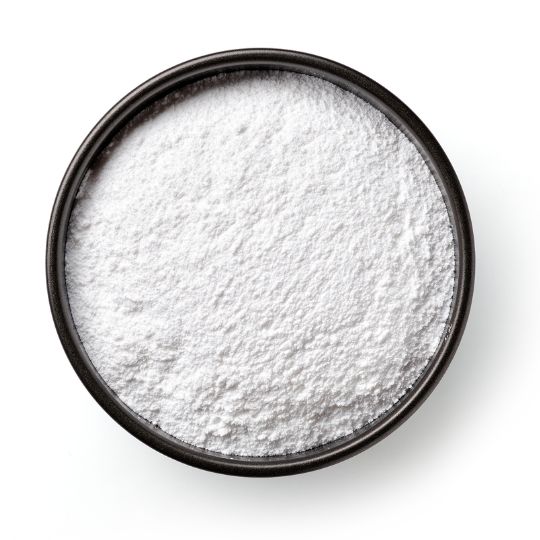
- Appearance: White crystalline powder
- Melting Point: 296°C
- Solubility: Easily soluble in chloroform and ethanol; insoluble in water
- Optical rotation:+145° ~ +155°(C=1,CHCl₃)
- Active Ingredient: 18-β-Glycyrrhetinic acid
- Structural Characteristics: Classified as an oleanane-type pentacyclic triterpene; it serves as the aglycone of glycyrrhizic acid (the core moiety remaining after hydrolysis).
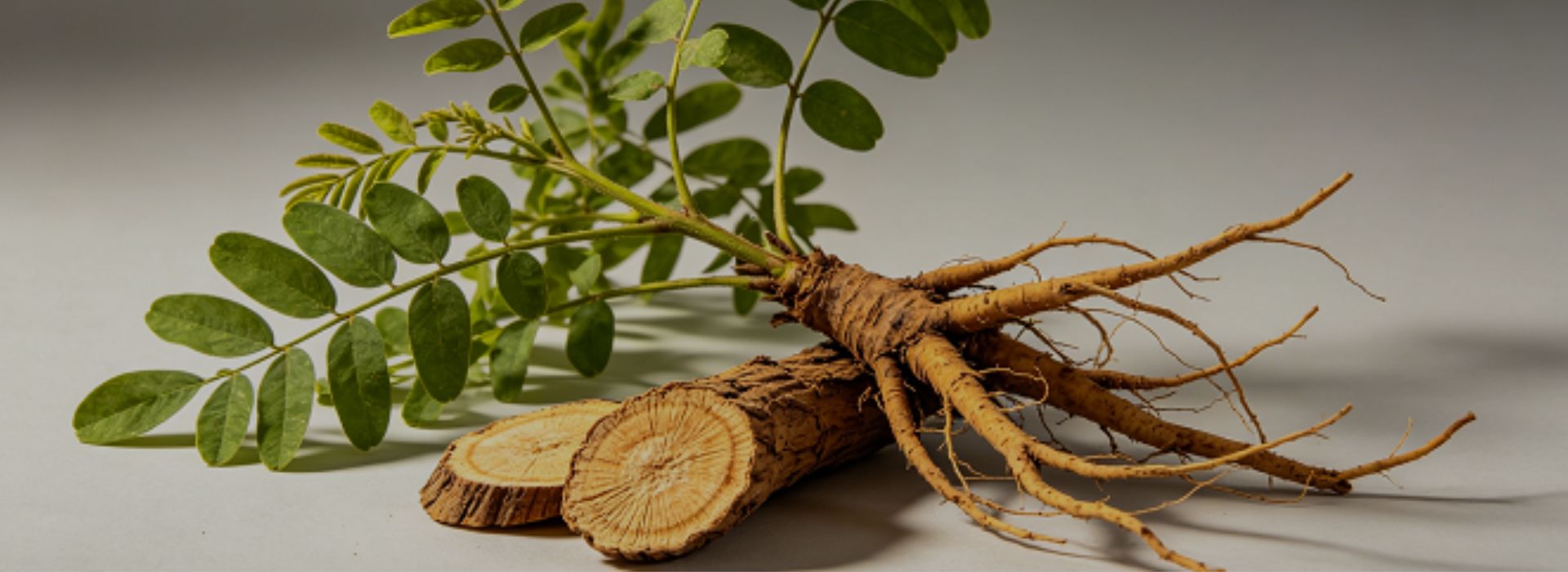
- Source: Primarily derived from the rhizomes of leguminous plants of the Glycyrrhiza genus (Glycyrrhiza uralensis).
Packaging and Storage of Glycyrrhetinic Acid
We offer standard packaging:
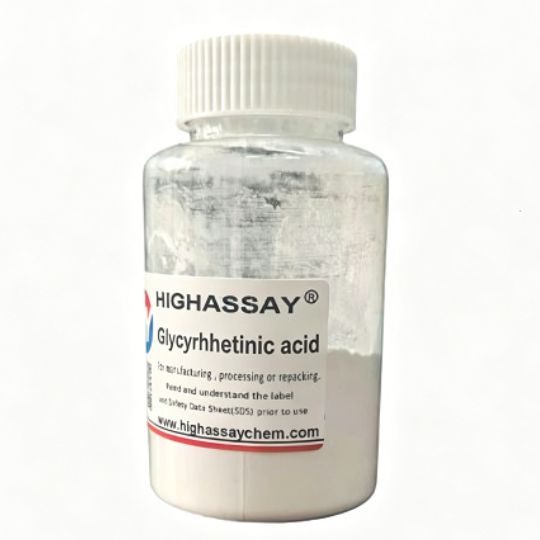
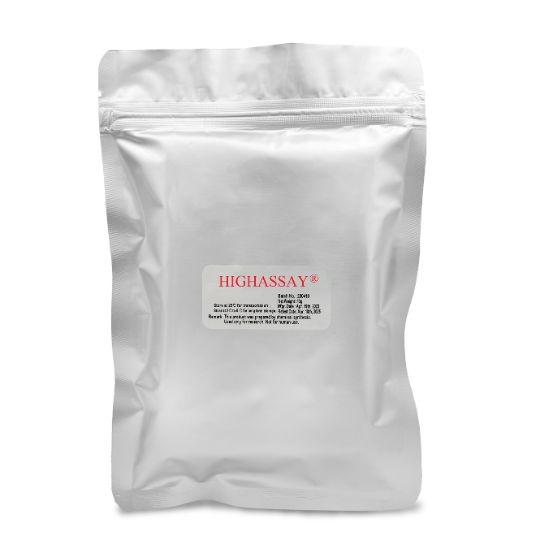
- Small Batch: Packaged in aluminum foil bags; suitable for 1kg, 2kg, and 5kg quantities.
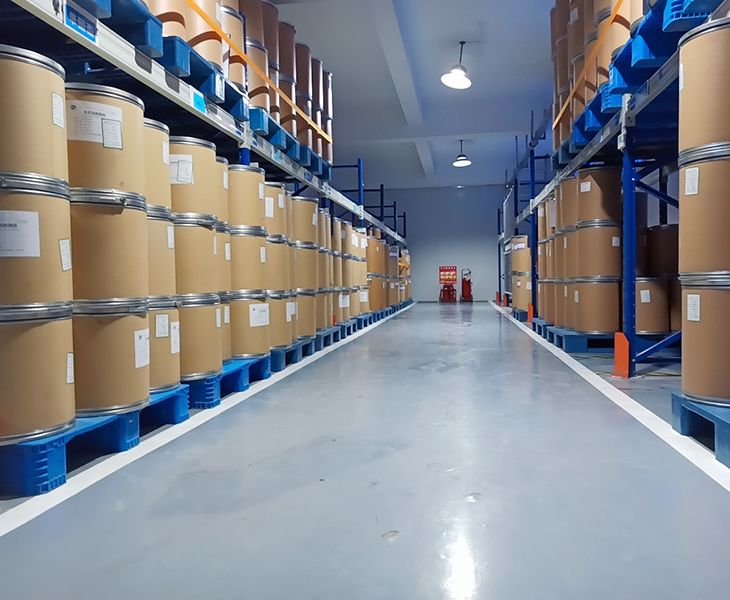
- Regular Packaging: Packaged in cardboard drums (25kg), lined with double-layer PE bags.
- Special Packaging: Customized packaging in various specifications is available upon request.
Storage: Keep sealed in a cool, dry, dark place; protect from moisture and high temperatures.
Transport: Transport as general cargo; protect from rain and direct sunlight.
Shelf Life: 2 years (under unopened conditions).
Grades and Applications of Glycyrrhetinic acid
We supply pharmaceutical-grade, cosmetic-grade, food-grade, and research-grade Glycyrrhetinic Acid raw materials. These products are suitable for use in the medical, cosmetic, food, and research sectors.
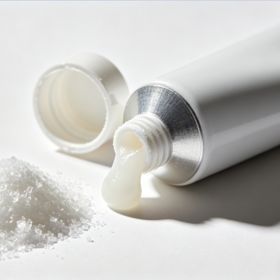
Our pharmaceutical-grade Glycyrrhetinic acid raw material boasts a purity of ≥98% and complies with the pharmacopoeia standards of multiple countries (CP/USP/EP), while also adhering to strict limits regarding heavy metals, microbial contaminants, and residual solvents.
Primary Application Areas: Used as active pharmaceutical ingredients and in clinical treatment.
Specific Uses:
- Treatment of gastric ulcers and duodenal ulcers;
- Adjunctive treatment for acute and chronic hepatitis and liver cirrhosis;
- Prescription ointments and similar medications used for the treatment of inflammatory skin conditions such as eczema and psoriasis.
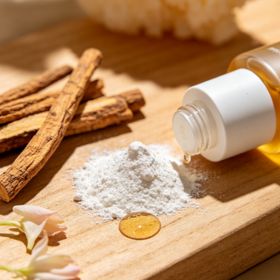
Our cosmetic-grade Glycyrrhetinic Acid raw material has a purity level of 95%–98%, with a primary focus on its safety and efficacy,specifically regarding factors such as skin irritation potential and microbiological indicators. Several countries have already listed it as a cosmetic ingredient and formally registered it for use.
Primary Application Areas:Mid-to-High-End Skincare and Personal Care Products
Specific Uses:
- Glycyrrhetinic Acid in skincare products can anti-inflammatory and soothing (Helps alleviate skin redness, swelling, and irritation);
- Whitening and Brightening (Inhibits tyrosinase and reduces melanin);
- Antioxidant and anti-aging properties (some products possess UV-absorbing capabilities).
- Glycyrrhetinic acid in shampoo, it helps alleviate scalp itching and dermatitis.
Recommended Dosage: 0.05%–0.5%, depending on the specific product and application.
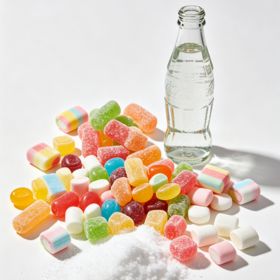
Our food-grade Glycyrrhetinic acid raw material possesses a purity of 85%–95% and complies with GB standards; however, its daily intake is subject to strict limits, typically ranging from 0 to 0.1 mg per kilogram of body weight.
Primary Application Areas:Food, Beverages, Dietary Supplements
Specific Uses:
- Glycyrrhetinic acid in food like confectionery, chewing gum, and soft drinks is a natural sweetener and flavor enhancer;
- Glycyrrhetinic acid supplement,Glycyrrhetinic acid as a functional ingredient,is used to support liver health and immune regulation;
- It also serves as a natural preservative, utilizing its antioxidant properties to extend the shelf life of food products.
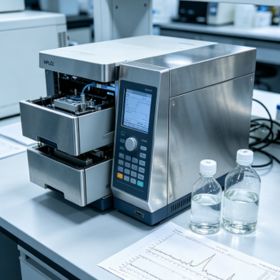
Our research-grade Glycyrrhetinic Acid raw material has a purity of ≥98%,or even higher and can be customized to meet your specific requirements. We are able to provide detailed analytical spectra, including HPLC, NMR, and MS data.
Primary Application Areas:Laboratory Research
Specific Uses:
- Research-grade glycyrrhetinic acid serves as an analytical standard for the content determination and identification of medicinal materials or products;
- It can be used in pharmacological and efficacy studies,such as cell-based and animal experiments,to explore novel therapeutic effects;
- Glycyrrhetinic acid can also be used to synthesize new glycyrrhetinic acid derivatives.
The two are distinct substances; glycyrrhizic acid is the glycosidic form of glycyrrhetinic acid and possesses a larger molecular weight.
Glycyrrhetinic acid is the hydrolysis product of glycyrrhizic acid.Due to the naturally low abundance of glycyrrhetinic acid, it is almost exclusively prepared industrially through the hydrolysis of glycyrrhizic acid.
Glycyrrhetinic Acid Ointment is a topical preparation primarily used for eczema, dermatitis, skin itching, sensitivity and redness, and mild inflammatory acne; it is gentle and steroid-free.
The Aminophylline Glycyrrhetinic acid fat loss cream builds upon the original Glycyrrhetinic Acid formula by incorporating aminophylline to enhance its fat-burning efficacy, resulting in a more potent formulation.
The Glycyrrhetinic Acid Fat-Burning Cream specializes in targeted inch loss, reducing cellulite, and firming the skin. Gentle and hormone-free, it is ideal for use as part of a daily body care regimen.
The Aminophylline Glycyrrhetinic acid fat loss cream specializes in powerful fat reduction, circumference slimming, edema elimination, and skin firming, serving as a professional-grade topical body contouring cream.
Yes, chemically speaking, glycyrrhetinic acid is classified as a steroid compound; however, it is not a hormone—and certainly not a glucocorticoid. It can be safely incorporated into products such as topical ointments, skincare formulations, and fat-burning creams, offering safety without the risk of dependency.
18β-Glycyrrhetinic acid (CAS No. 471-53-4) is naturally occurring, exhibits the highest biological activity, and demonstrates significant anti-inflammatory effects; it is a mainstream choice for use in pharmaceuticals and cosmetics.
18α-Glycyrrhetinic acid (CAS No. 1449-05-4) is derived through artificial conversion; due to its distinct configuration and differing biological activity, it is primarily utilized for specific research purposes.
The price of glycyrrhetinic acid raw materials is subject to fluctuation. To obtain the latest quotes for various grades of glycyrrhetinic acid, please click the link below to contact us as soon as possible. We will respond to you via email within 24 hours.
Specifications of Pharmaceutical-Grade Glycyrrhetinic Acid
Item | Standard Requirement | Test Method |
| Appearance | White or off-white crystalline powder; odorless | Visual & Organoleptic Examination |
| Identification | Complies with the standard | HPLC / IR |
| Assay (on dried basis) | ≥98.0% | HPLC |
| Ratio of 18βGlycyrrhetinic Acid | ≥99.0% | HPLC |
| Related Substances (Impurities) | ||
| Maximum single impurity | ≤0.50% | HPLC |
| Total impurities | ≤1.00% | HPLC |
| 18αGlycyrrhetinic Acid | ≤1.00% | HPLC |
| Loss on Drying | ≤1.0% | Dry to constant weight at 105°C |
| Residue on Ignition | ≤0.10% | Ignite at 800°C |
| Heavy Metals | ≤20 ppm | Colorimetry / ICP |
| Arsenic (As) | ≤2 ppm | ICP-MS |
| Lead (Pb) | ≤10 ppm | ICP-MS |
| Cadmium (Cd) | ≤1 ppm | ICP-MS |
| Mercury (Hg) | ≤1 ppm | ICP-MS |
| Residual Solvents | Complies with ICH Q3C requirements | GC |
| Microbial Limits | TAMC ≤10³ CFU/g TYMC ≤10² CFU/g Absence of Escherichia coli, Salmonella | Microbial Examination |
| Melting Point | 292~298℃ (decomposition) | Melting Point Determination |
| Specific Rotation [α]ᴅ²⁰ | +150° ~ +160° (c=1, ethanol) | Polarimeter |
Glycyrrhetinic Acid Raw Material Usage
Guide
Application Field | Recommended Dosage | Usage & Notes |
| Cosmetics(Creams, Serums, Lotions, Soothing & Repairing, Acne Control, Whitening) | 0.05% – 0.5% (0.5‰ – 5‰) | Dissolve in 95% ethanol, propylene glycol or oil phase with heating first, then add into the formulation.Avoid strong acidic or alkaline conditions; pH 5.0–7.0 is recommended. |
| Topical Ointments / Medicated Creams | 0.5% – 2.0% | Dissolve in petrolatum, lanolin or oily base for creams/ointments.Actual dosage shall follow the pharmaceutical formulation. |
| Slimming Creams / Shaping Creams(Combined with Aminophylline) | 1.0% – 3.0% | Dissolve in ethanol or oil phase first, then mix with emulsified system.Can be combined with caffeine and aminophylline for synergistic effect. |
| Pharmaceutical Preparations(Oral / API) | In accordance with Pharmacopoeia / Prescription | Strictly follow pharmacopoeial standards, drug prescriptions and GMP procedures. |
| Food / Functional Food | In accordance with regulatory limits | Comply with local food additive regulations; pre-dissolve before adding. |
| Feed / Veterinary Use | According to formulation | Mix evenly into feed premix; dosage follows veterinary formula requirements. |
| Scientific Research | According to experimental protocol | Typical concentration: 0.1–10 μM for in vitro cell tests; animal dosage based on literature design. |