

Basic information of Coco-Glucoside
- INCI Name: Coco-Glucoside
- Synonyms: CocoGlucoside, Coco-Polyglucoside
- CAS No.: 141464-42-8
- EINECS: 603-117-4
- Molecular Formula: C₁₈H₃₄O₆ (Typical Structure)
- Molecular Weight: Approx. 346.46 g/mol
What is Coco-Glucoside?
- Coco-glucoside, also known as cocoIt is a non-ionic surfactant. CAS: 141464-42-8.
- Coco-glucoside is produced through a condensation reaction between glucose derived from starch and fatty alcohols derived from coconut oil.
- Coco-glucoside can be incorporated into a wide range of daily consumer products as a mild, plant-based ingredient for high-end formulations.
Choose Highassay as your supplier of Coco-Glucoside, and let gentle cleansing become synonymous with your products.
Why choose Highassay?
Highassay offers natural, renewable Coco-Glucoside for you. We are the plant-based surfactant supplier in China.
- Supply Assurance: We maintain ample stock, ensure rapid dispatch, and offer stable pricing. Helping you bid farewell to stockout anxiety, with production plans proceeding step by step.
- Quality Assurance: Our products are manufactured under an ISO 9001 quality management system, product quality is stable and controllable. Ensure a high degree of consistency in every product batch.and maintain fully traceable production records.
- Service Guarantee: We ship our Cocoyl Glucoside raw material accompanied by a complete set of documentation, including the MSDS and COA. Technical support can be provided if needed.Ensuring you have no worries while using our products.
Natural Sourcing · Stable Supply · Professional Service — Highassay, Your Coco-Glucoside Partner.
For bulk and wholesale supplies of Coco-Glucoside, turn to Highassay. You can request free samples and consultations; we will respond to your inquiry within 24 hours.
Reasons for Choosing Coco-Glucoside




Coco-glucoside can be used in
 Coco Glucoside for baby shampoo
 Coco Glucoside for skin
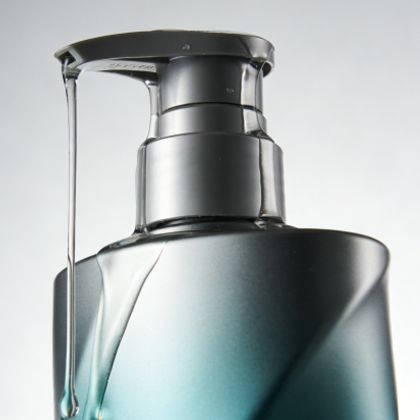 Coco Glucoside for hair
 Coco Glucoside for Home Cleaning
Physicochemical Properties of Coco-Glucoside
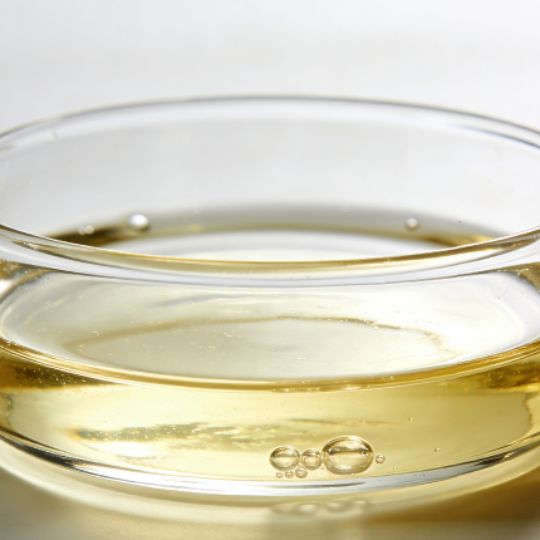
- Appearance: Pale yellow, transparent to slightly turbid liquid
- Active Content: 50–52%
- HLB Value: 12–14
- pH (1% Aqueous Solution): 11.5–5 (Can be adjusted to 5–6 with citric acid after formulation)
- Viscosity (20°C): 2500–6000 mPas (Refer to COA for specific values)
- Specific Gravity (20°C): Approx. 1.07–09 g/cm³
- Solubility: Easily soluble in water; soluble in ethanol; insoluble in oils and fats
- Stability: Stable in neutral and alkaline environments; resistant to electrolytes and high temperatures (<60°C)
- Storage Temperature: 15–40°C
- Storage Conditions: Store away from light, in a sealed container; avoid freezing
- Shelf Life: 24 months (Unopened, in original packaging)
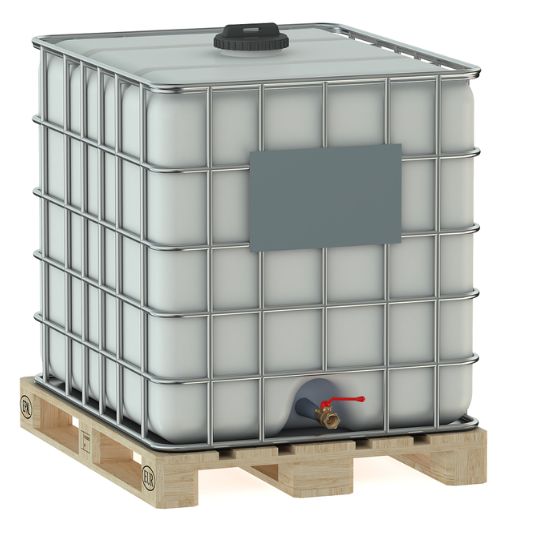
- Packaging: Available in 200 kg drums, 1000 kg IBC totes, or customized according to customer requirements
Applications of Coco-Glucoside

- Coco-Glucosidefor skin、for hair is gentle.During use, it generates a rich, fine foam, providing users with a pleasant tactile experience.
- Applicable Products: Shampoos, body washes, facial cleansers, baby and child care products, etc.
- Advantages: Compared to anionic surfactants such as SLS and SLES, irritation is significantly lower;Plant-derived and biodegradable, it complies with natural standards such as COSMOS, helping your products achieve green certification;Leaves the skin feeling moisturized and non-tight after washing, boosting user repurchase rates.

- Coco-glucoside effectively cleans grease and stains even under hard water conditions; it rinses away easily without leaving any residue, is rapidly biodegradable, and does not pollute water bodies.
- Applicable Products: Dishwashing liquid, laundry detergent, hard surface cleaners, multi-purpose cleaners, etc.
- Advantages: Incorporating our Coco-Glucoside into your products ensures a gentle-on-hands formulation; for hard-surface cleaners, it leaves no spots or residue, Make buyers fall in love with your products .

- Coco-glucoside is characterized by its resistance to strong alkalis and high temperatures, as well as its biodegradability.Become a Green Helper in the Industrial Sector.
- Applicable Fields: Industrial cleaning, textile industry, pesticide formulations, concrete industry, etc.
- Advantages: Our products remain stable within strong alkaline cleaning formulations; Resistant to electrolytes and insensitive to water quality, it maintains its cleaning effectiveness even in unstable water quality.Stable in performance during high-temperature cleaning processes; does not decompose or fail.
Specification of Coco Glucoside
- Specification of Coco Glucoside
| Item | Standard Value / Limit |
| Active Content (Solid Content) | 50–52% |
| Moisture Content | 47–50% |
| pH Value (10% aqueous solution) | 11.5–12.5 |
| Free Fatty Alcohol | ≤1.0% |
| Sulfated Ash | ≤3.0% |
| Residual Sugar | ≤1.0% |
| Viscosity (20°C) | 2500–6000 mPa·s |
| Density (25°C) | 1.07–1.09 g/cm³ |
| Surface Tension (0.1%, 25°C) | 28–30 mN/m |
| Degree of Polymerization (DP) | 1.3–1.5 |
| Butyl Glucoside | 0 |
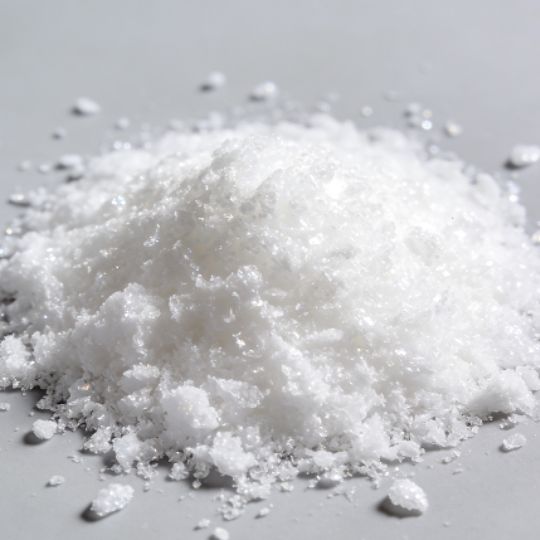
Yes.Our flagship product is Coco-Glucoside, which is supplied in liquid form (50–52% active content); however, we also offer Cocoyl Glucoside powder. Typically, the active ingredient content is ≥95% and is primarily used in dry powder detergents and effervescent tablet formulations.
The powder form is produced via a spray-drying process; consequently, its pricing and Minimum Order Quantity (MOQ) differ from those of the liquid product. If you are interested in purchasing Cocoyl Glucoside powder, please contact us promptly for a price quote.
When used at recommended concentrations, Cocoyl Glucoside poses no toxicological risks. This product is generally well-tolerated, but may not be suitable for everyone.
People with a corn allergy need to be careful, as Cocoyl Glucoside may be derived from corn-based raw materials. Nevertheless, the proteins are substantially removed during the refining process, resulting in an extremely low risk of allergic reaction.
Yes, Cocoyl Glucoside may crystallize or precipitate when exposed to temperatures below 15°C. However, this does not compromise the product’s quality. It can be used directly once it has returned to a uniform liquid state.
No, Cocoyl Glucoside is non-comedogenic. Due to its relatively large molecular weight, Cocoyl Glucoside does not penetrate pores or get absorbed by the skin;It primarily acts on the skin’s surface to provide a cleansing effect.
It does not contain EO (Ethylene Oxide) and fully complies with natural cosmetic standards.
Our Cocoyl Glucoside is produced using a green process .No EO is used whatsoever during the preparation process.It differs fundamentally from anionic surfactants such as SLS and SLES.
Please purchase with confidence; upon request, we can provide a COSMOS compliance statement, a certificate of raw material origin, and an ISO 16128 calculation sheet.
Yes, Coco-Glucoside is considered a safe cosmetic ingredient for pregnant women to use.
Products you are interested in
Recommended Usage Levels of Coco-Glucoside in Various Formulations
Cocoyl Glucoside raw material is strongly alkaline; therefore, during the formulation process, acidic substances (such as citric acid) must be used to adjust the pH level to a skin-friendly range.
| Product Type | Function | Recommended Dosage |
| Shampoo | Primary/auxiliary surfactant, providing mild cleansing and rich foam | 8–15% |
| Body Wash | Cleansing, foaming, with refreshing and non-tight skin feel | 8–20% |
| Facial Cleanser | Mild decontamination, suitable for sensitive skin and amino acid formulations | 10–25% |
| Baby & Child Toiletries | Extremely low irritation, safe for newborns | 5–15% |
| Hand Wash | Cleansing, mild and hand-protective | 10–20% |
| Toothpaste / Mouthwash | Foaming agent, humectant | 1–5% |
Cocoyl Glucoside Alternatives
Coco Glucoside vs Decyl Glucoside
| Properties | Coco Glucoside | Decyl Glucoside | Impact of Substitution |
| Carbon Chain Length | C8–C16 (mixed) | C8–C10 (mainly C10) | Shorter carbon chain in decyl glucoside |
| Foaming Speed | Medium | Faster, richer | Quicker foam generation |
| Foam Stability | Good | Foam dissipates faster | Slightly poorer foam stability |
| Viscosity | 2500–6000 mPa·s | 1000–2500 mPa·s | Lower viscosity; thickening adjustment required |
| Skin Feel | Refreshing after cleansing | Smoother after cleansing | Different sensory experience |
| Alkaline Resistance | Good | Excellent (640g/L NaOH) | More suitable for high-alkaline formulations |
| Irritation | Extremely low | Extremely low | Both are very mild |
| Recommended Applications | Facial cleansers, baby care, household cleaning | High-foam products, high-alkaline systems, sensitive skin |
Note: Commercial-grade Cocoyl Glucoside and Decyl Glucoside share a single CAS number; they are similar in terms of function and application, differing only in subtle nuances.
Cocoyl Glucoside and Decyl Glucoside can be used in combination; The performance of the mixture is superior to that of either component used alone.