
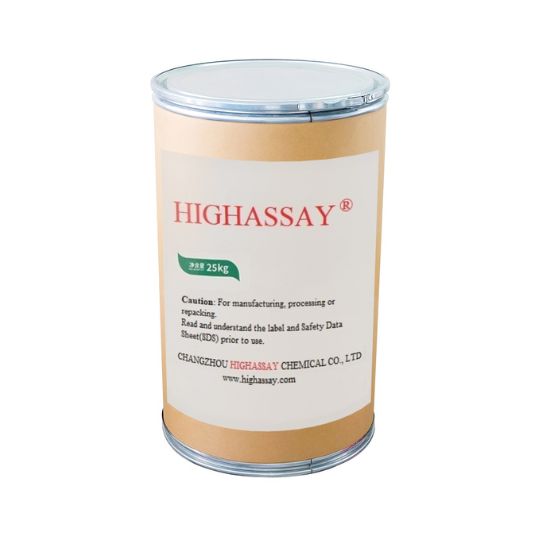
Basic information of Choline Bitartrate
- Product Name: Choline Bitartrate
- Alternative Names: Choline hydrogen tartrate; (2-Hydroxyethyl)trimethylammonium bitartrate
- Industry Abbreviation: CB; Choline Tartrate
- CAS Number: 87-67-2
- Molecular Formula: C9H19NO7
- Molecular Weight: 253.25 g/mol
- Purity Specifications: ≥98.0% (Food Grade); ≥99.0% (Pharmaceutical Grade)
Physicochemical Properties of Choline Bitartrate
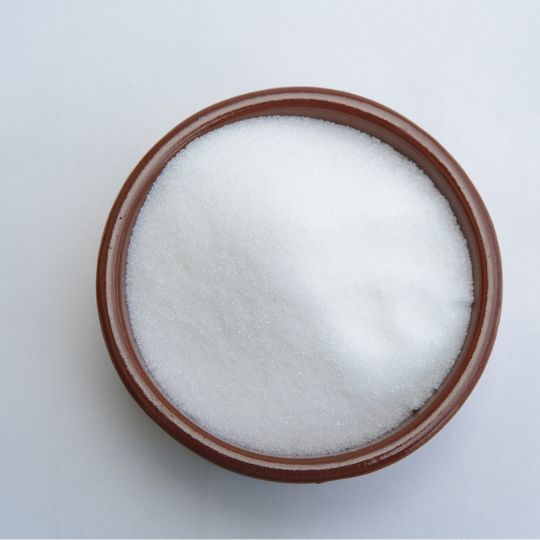
- Appearance and Odor: White crystalline powder with a slightly fishy odor.
- Solubility: Easily soluble in water (>20g/100ml), slightly soluble in ethanol.
- Melting Point: 151-153℃ (decomposes).
- pH (10% aqueous solution): 3.5-5.5 (10% aqueous solution, 25℃).
- Specific Rotation: +18.0° to +21.0° (c=10, H2O).
- Moisture Content: ≤0.5% (Karl Fischer method).
- Ash Content: ≤0.1%.
- Heavy Metal Content: ≤10 ppm (as Pb).
- Chloride Content: ≤0.02%.
- Sulfate Content: ≤0.02%.
- Arsenic Content: ≤2 ppm.
- Stability: Stable in a cool, dry place, avoid high temperature, humidity, and light.
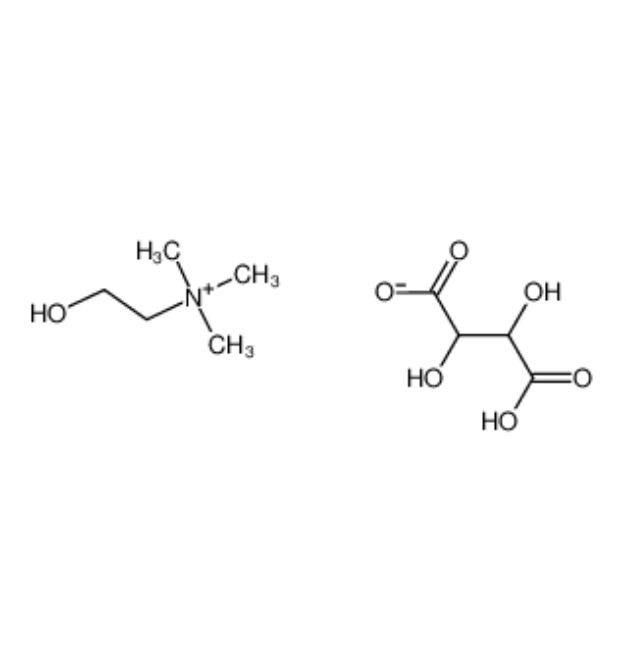
Highassay’s Choline Bitartrate
- Highassay offers L(+)-tartrate choline and DL-tartrate choline.They are two isomers of tartaric acid, and L(+)-tartrate choline is closer to the naturally occurring form.
- Highassay also offers coated choline tartrate, which is a material that physically coats choline tartrate with one or more layers of coating material.
- L(+)-tartrate choline, DL-tartrate choline, and coated tartrate choline have the same CAS number.
- Highassay offers food-grade and pharmaceutical-grade choline tartrate raw materials. If you need to purchase choline tartrate raw materials, please choose Highassay.
- Different forms of choline tartrate are selected depending on the intended use:
L(+)-Chocolate tartrate: Dietary supplements, high-end pharmaceutical products, infant/pregnant food, or foods requiring natural properties (with natural activity).
DL-choline tartrate: Industrial raw material, chemical experimentation, or animal feed where cost is strictly controlled (more economical).
Coated choline tartrate: Used in the production of pharmaceuticals and health supplements (higher stability).
Supplementary Technical Details for Choline Bitartrate
- Production Process: Produced by reacting choline and tartaric acid in an aqueous solution, followed by crystallization, centrifugation, drying, and refining.
- Acute Toxicity (LD50): Oral LD50 in rats: >5000 mg/kg (practically non-toxic); Oral LD50 in mice: >8000 mg/kg
- Chronic Toxicity: Long-term feeding study (90 days): No significant toxic reactions; no teratogenic, carcinogenic, or mutagenic effects.
- Safety Rating: GRAS (Generally Recognized As Safe) status (FDA certified); permitted for use as a food additive.
- Regulatory Approvals: Complies with Chinese GB 14880, US FDA, EU EFSA, Japanese Ministry of Health, Labour and Welfare regulations, etc.
- ADI Value: 0-3 mg/kg bw (JECFA guidelines, ADI: Acceptable Daily Intake)
- Usage Restrictions: ≤100mg/100g in infant formula; use in health supplements according to recommended dosage.
- Handling: Wear dust masks and gloves during handling; maintain ventilation; avoid inhaling dust and direct skin contact.
- Exposure Controls: TLV-TWA: Not specified; good ventilation and dust concentration control are recommended.

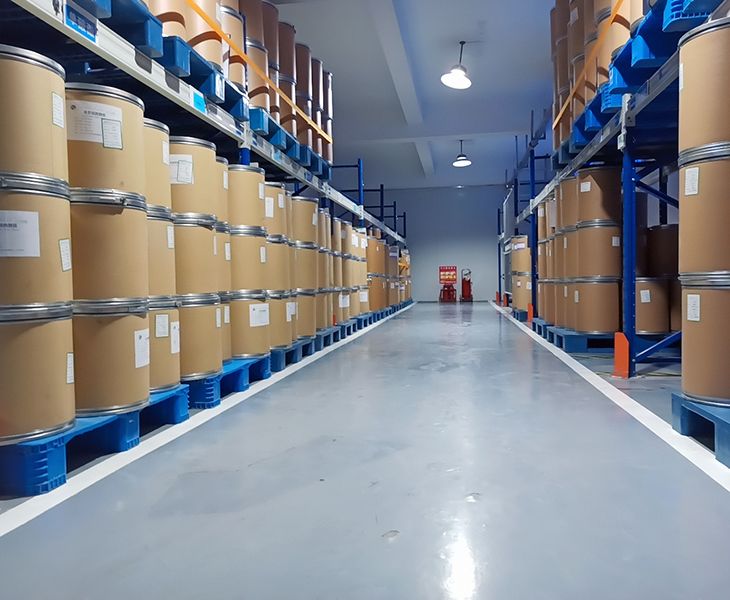
Packaging and Storage of Choline Bitartrate
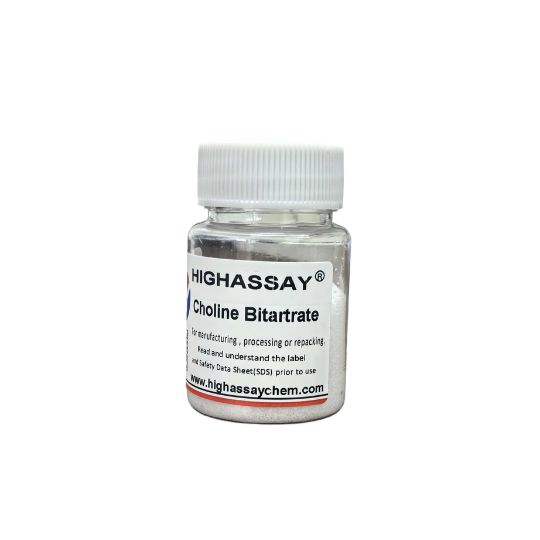
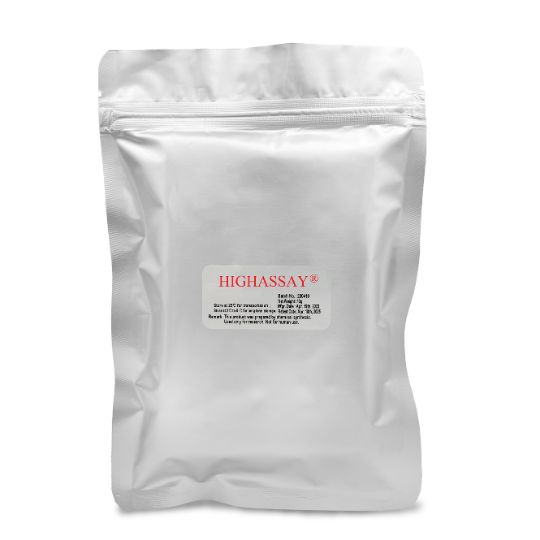
- Packaging Specifications: 25kg/cardboard drum (lined with polyethylene plastic bag); 1kg/aluminum foil bag; 500g/glass bottle (sample)
- Storage Conditions: Optimal storage temperature: 15-25℃, avoid exceeding 30℃, avoid humid environments.
- Shelf Life: 24 months (from the production date, unopened, under suitable storage conditions)
- Precautions: First-in, first-out principle; regularly check packaging integrity and product condition; do not store with strong acids or alkalis; avoid high-temperature baking.
- Label: Product name, specifications, batch number, production date, shelf life, manufacturer, contact information. Check monthly, focusing on packaging sealing and product moisture absorption.
- Packaging: Customized packaging can be provided according to customer needs (minimum order quantity negotiable). Stainless steel or food-grade plastic storage tanks are recommended; avoid using iron containers.
Applications of Choline Bitartrate
Choline Bitartrate in Food Sector:
Choline tartrate can be used as a food additive or in the production of nutritional supplements.It helps improve the nutritional value (it is a source of choline for the human body) and functionality (it is a water-soluble nutrient that is essential for functions such as fat reduction, memory, mood, and muscle control).
Choline Bitartrate in Pharmaceutical Field:
Choline tartrate can be used as a pharmaceutical raw material.It is effective for liver diseases and blood system diseases.It helps promote the metabolism and transport of fat, preventing its accumulation in the liver.It also has choleretic and nervous system-supporting effects.
Choline tartrate can also be used as a pharmaceutical excipient,especially coated choline tartrate.This ensures the smooth progress of the drug production process and the stability of the final quality.
Choline Bitartrate in Agriculture and Feed Sector:
Choline tartrate is used as a nutritional feed additive.Provides animals with essential nutrients—choline (a highly effective and stable vitamin supplement).It has significant effects in preventing diseases, promoting growth, and improving reproductive performance.
Choline tartrate can be used as an exogenous plant growth regulator.By applying fertilizer to the roots and spraying it on the leaves, the aim is to regulate plant growth and improve crop quality.
Choline Bitartrate in Industrial Sector:
Choline tartrate is used as a functional industrial auxiliary or chemical raw material.For example, it is used as a basic chemical raw material in the textile industry, where it has the functions of preventing dye diffusion and fixing color;It is used in the metal processing industry and has a corrosion-inhibiting effect;Used in the coatings industry, it can improve the stability of coatings, etc.