
Basic information of Organic Phycocyanin
- Product Name: Organic Phycocyanin
- English Aliases: Organic Spirulina Phycocyanin, Blue Spirulina, OPC
- Industry Abbreviation: OPC
- Other Language Names: German: Organisches Phykocyanin; French: Phycocyanine Organique
- Standards: GB 1886.309-2020 “National Food Safety Standard – Food Additives – Phycocyanin”, Organic Product Certification Standard
- Main Ingredients: Phycocyanin ≥90% (dry basis), trace amounts of carbohydrates and minerals, no preservatives
- Product Grades: Food grade, cosmetic grade, reagent grade
- Main Uses: Natural colorant, antioxidant, anti-inflammatory active ingredient, fluorescent detection probe
- Certifications: China Organic Product Certification, FDA GRAS, HALAL, KOSHER, ISO9001
Physicochemical Properties of Organic Phycocyanin
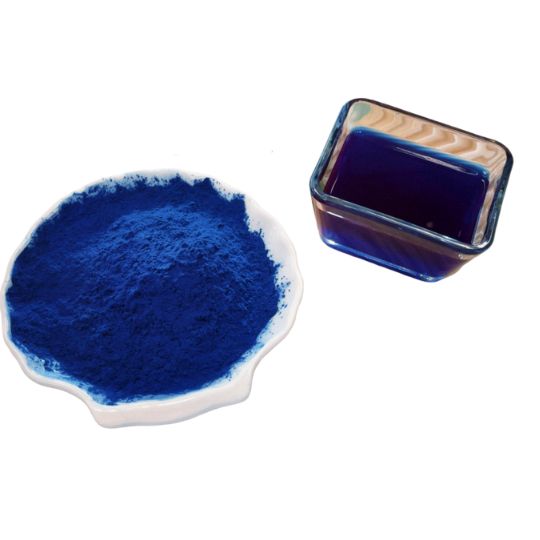
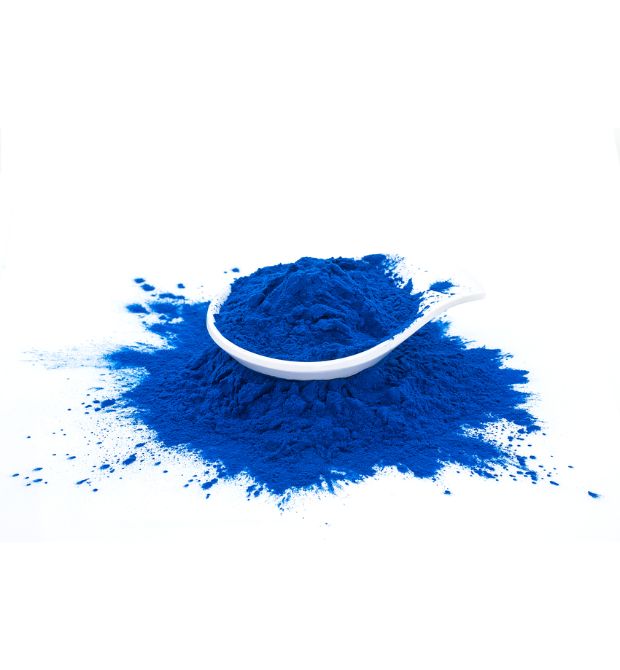
- Appearance and Odor: Dark blue powder with a natural seaweed fragrance and no off-odor.
- Solubility: Easily soluble in water (1% aqueous solution is bright blue), insoluble in organic solvents such as ethanol, ether, and chloroform.
- Purity (A620/A280): Food grade ≥0.7; Cosmetic grade 1.0-3.9; Reagent grade ≥3.9
- pH value (1% aqueous solution): 6.0-7.5 (neutral range)
- Heavy metal content: Lead ≤0.1mg/kg; Arsenic ≤0.05mg/kg; Mercury ≤0.01mg/kg g/kg Microbiological indicators: Total bacterial count ≤1000 cfu/g; Escherichia coli ≤30 MPN/100g; No pathogenic bacteria
- Moisture content: ≤8.0% (Kal Fischer method)
- Stability: Retention rate ≥86% after 10 hours of light exposure; retention rate ≥90% after 30 days of storage at 40℃
- Environmental characteristics: Raw material Spirulina can purify water; no organic solvent pollution during production; product is biodegradable
- Safety: No risk of allergies (except for those allergic to algae), no genotoxicity, no teratogenicity
Highassay's Organic Phycocyanin
- Highassay is a supplier of organic phycocyanin (blue powder, blue liquid) raw materials from China. Our phycocyanin comes from Spirulina in Ordos, China, and is extracted using physical methods, leaving no residual solvents and being non-chemically synthesized, ensuring product safety and health.
- Highassay has a long-term, stable supply source, and its partners have over 10 years of production technology experience and a professional team, with modern production equipment and a strict quality management system.
- Highassay’s organic phycocyanin is a natural blue colorant and a high-value functional food ingredient.
- Phycocyanin is an extraction of a single component of Spirulina. The natural color of pure phycocyanin is bright blue, hence its other name—blue spirulina.
- Organic phycocyanin is a water-soluble blue pigment protein with antioxidant properties, capable of scavenging free radicals and promoting immune function.
- Organic phycocyanin has excellent water solubility and dissolves in water to produce a clear blue color.
- Organic phycocyanin has virtually no fishy odor and a mild taste.
- Organic phycocyanin is an essential extract of spirulina and is expensive.
Supplementary Technical Details for Organic Phycocyanin
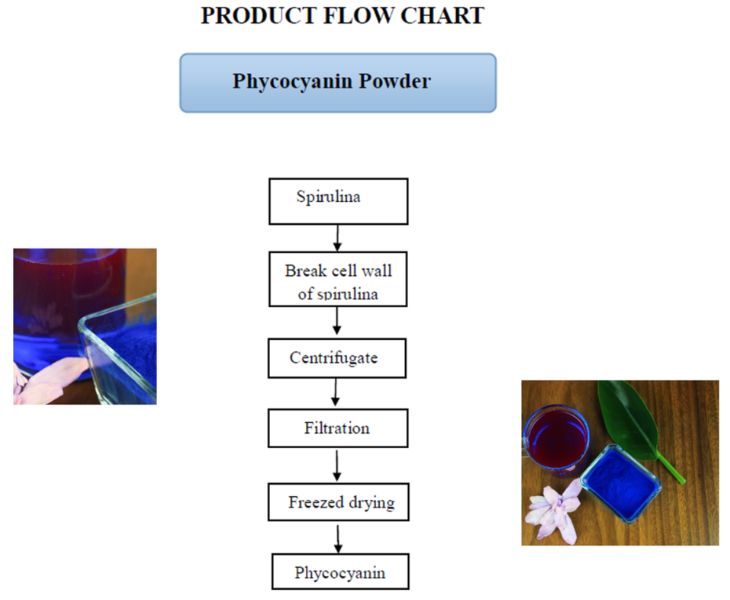
- Production Method: Made from organic spirulina through low-temperature water extraction, centrifugation, ultrafiltration purification, and freeze-drying.
- Acute Toxicity (LD50): Oral LD50 in rats > 10000 mg/kg (virtually non-toxic), meeting food-grade safety standards.
- Chronic Toxicity: No cumulative toxicity with long-term use; skin irritation test shows no irritation, meeting cosmetic raw material requirements.
- Upstream and Downstream Products (Raw Materials): Organic spirulina (premium grade), purified water, food-grade stabilizer (optional).
- Upstream and Downstream Products (Downstream): Food coloring agents, health supplement tablets/capsules, cosmetic essences, biological testing reagents.
- Transportation Method: Ambient temperature transportation (refrigerated transportation recommended in summer); express delivery and logistics are both available; cross-border transportation is supported.
- Payment Method: T/T (telegraphic transfer), L/C (letter of credit), Alipay/WeChat (small orders); prepayment + final payment is supported.
- Certification Status: Complies with EU EC No. 1334/2008 Food Additives Regulation; FDA 21 CFR compliant.
- Technical Support: Provides product application formulation references, process parameter optimization suggestions, and customized development services.
Packaging and Storage of Organic Phycocyanin
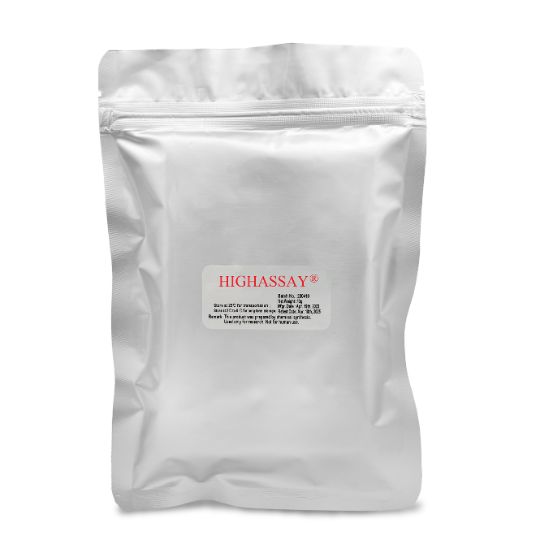
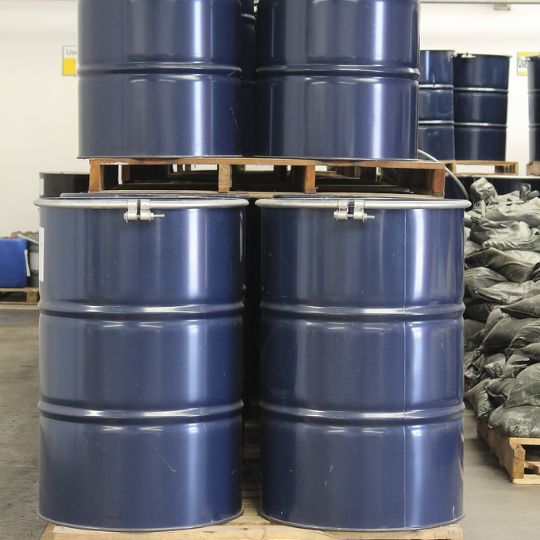
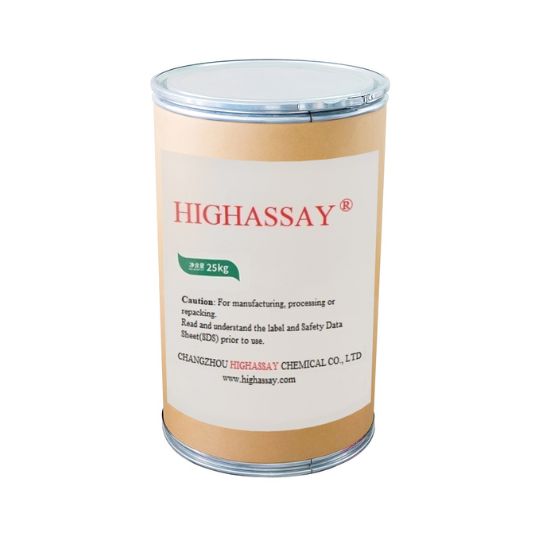
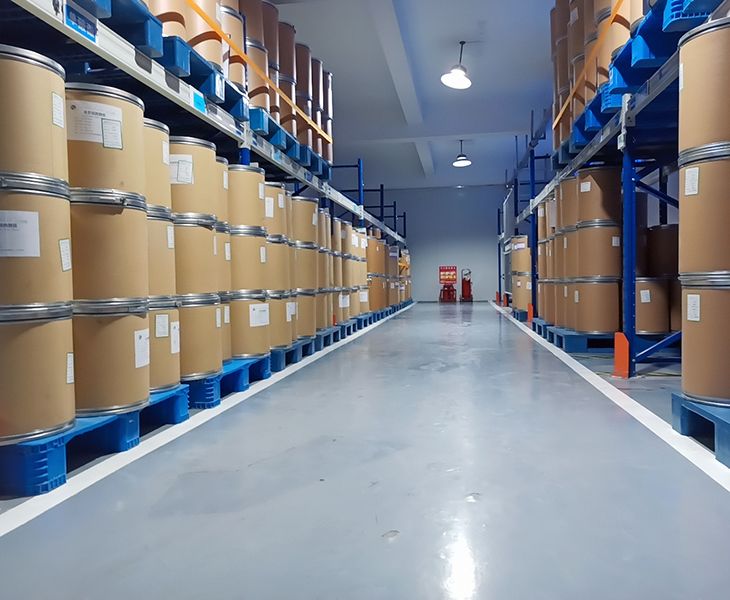
- Packaging: 1kg/aluminum foil bag (food grade), 5kg/vacuum bag, 25kg/cardboard drum (lined with food-grade PE bag)
- Storage: Store in a cool, dry place, sealed (temperature ≤25℃, relative humidity ≤60%), away from light and odors.
- Shelf Life: 24 months unopened (from the date of manufacture)
- Standards: Organic product certification, FDA certification, HALAL/KOSHER certification
- Precautions: Avoid high-temperature processing (>60℃); use as soon as possible after opening; not suitable for people with algae allergies.
- After-sales service: Provides COA analysis report and MSDS; free return and exchange for quality problems; provides application technical guidance.
It is not an independent algae, but a pure phycocyanin powder (food grade phycocyanin content ≥80%) obtained from Spirulina platensis through low-temperature cell wall disruption, separation and purification, and vacuum freeze-drying. It is a bright sapphire blue and is the “essence extract” of Spirulina, as well as a natural blue water-soluble pigment.
Please refer to the production flow chart on this page.
/ˌfaɪkəʊˈsaɪənɪn/
Natural blue colorant, a safer and more reliable alternative to synthetic colorants. A powerful antioxidant to protect the skin. A nutritional supplement.
Phycocyanin in spirulina is its signature component (accounting for 15%-20% of dry weight) and is also the only effective component of blue spirulina (blue spirulina is essentially high-purity phycocyanin powder).
Phycocyanin is a characteristic component of cyanobacteria (blue-green algae) and is found only in cyanobacteria; it is not present in other photosynthetic organisms (higher plants, eukaryotic algae, laver, etc.).
Yes, and 620 nm is the core characteristic absorption peak of phycocyanin. The chromophore (phycocyanin) of phycocyanin has specific absorption of visible light, with the main absorption peak at 620 nm (orange-red light) and the secondary absorption peak at 550 nm (green light).
It is not an independent algae, but a pure phycocyanin powder (food grade phycocyanin content ≥80%) obtained from Spirulina platensis through low-temperature cell wall disruption, separation and purification, and vacuum freeze-drying. It is a bright sapphire blue and is the “essence extract” of Spirulina, as well as a natural blue water-soluble pigment.
This natural blue colorant is a safer and more reliable alternative to chemically synthesized pigments. It has strong antioxidant properties and can be added to cosmetics to brighten clothing colors. It can also be used as a nutritional supplement.
It has a very faint algae-like smell, almost no unpleasant odor, and only a slight, light plant-like scent.
It has benefits; it can be used as a nutritional supplement or added to cosmetics to combat skin oxidation.
Applications of Organic Phycocyanin
- Organic phycocyanin can be used as a food coloring agent. If you want to use it in blue drinks, blue ice cream, blue desserts, etc., organic phycocyanin provides a natural blue color with a mild taste and no peculiar fishy smell, and it won’t mask the original flavor of the food.
- Organic phycocyanin can be added as an additive to dietary supplements such as protein powder and oral liquids. It has antioxidant and immune-boosting effects, and has good water solubility and compatibility.
- Phycocyanin can be used as a natural biological raw material in cosmetics such as face masks and serums. It is a green beauty ingredient with anti-inflammatory and free radical scavenging effects, helping to brighten skin tone and reduce photodamage to the skin.
- High-purity phycocyanin is a common raw material in the field of biological detection. It can be used in biological experiments such as DNA staining and cell flow cytometry analysis, and has stable fluorescence properties. For pure research use only.
It produces phycocyanin. As a type of cyanobacterium, Anabaena contains phycocyanin and allophycocyanin in its phycobilisomes, which are the core pigments for its photosynthesis.
Does not contain
Contain
Contain
Laver belongs to the phylum Rhodophyta, not Cyanobacteria, and therefore does not contain phycocyanin.
It is hardly absorbed.
This natural blue colorant is a safer and more reliable alternative to chemically synthesized pigments. It has strong antioxidant properties and can be added to cosmetics to brighten clothing colors. It can also be used as a nutritional supplement.
You can purchase it from Highassay, one of the leading suppliers of blue spirulina powder and tablets from China, offering a full range of specifications. Please contact us for further information.
It has a very faint algae-like smell, almost no unpleasant odor, and only a slight, light plant-like scent.
This natural blue colorant is a safer and more reliable alternative to chemically synthesized pigments. It has strong antioxidant properties and can be added to cosmetics to brighten clothing colors. It can also be used as a nutritional supplement.