
Basic information of Organic Spirulina
- Product Name: Organic Spirulina
- English Aliases: Arthrospira platensis, Organic Blue-Green Algae
- Industry Abbreviation: OSP, Organic SP
- Product Specifications: Protein content ≥60%, β-carotene ≥1500mg/kg, chlorophyll ≥8000mg/kg
Standard: GB/T 17243-1998 Spirulina Powder, Organic Certification Standard - Main Ingredients: Protein (60-70%), Carbohydrates (15-20%), Fat (5-8%), Phycocyanin (10-15%), Multiple Vitamins and Minerals
- Certifications: China Organic Product Certification, FDA Certification, HALAL Certification, KOSHER Certification
Physicochemical Properties of Organic Spirulina
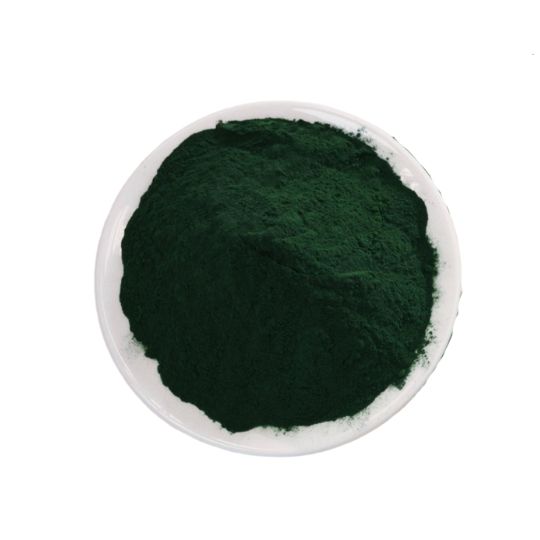
- Appearance and Odor: Blue-green to dark green powder with a distinctive seaweed aroma.
- Solubility: Easily soluble in warm water, milk, soy milk, etc.; insoluble in oils and fats.
- Particle Size: 80-120 mesh (customizable upon request)
- Moisture Content: ≤8%
- Ash Content: ≤10%
- Heavy Metal Content: Lead ≤0.1mg/kg, Arsenic ≤0.05mg/kg, Mercury ≤0.01mg/kg
- Microbiological Indicators: Total bacterial count ≤10000cfu/g, Escherichia coli ≤30MPN/100g, no pathogenic bacteria.
- pH Value: 6.5-8.0 (1% aqueous solution)
- Stability: Stable under specified storage conditions; not easily oxidized or deteriorated.
- Safety: Safe and non-toxic; suitable for all types of people (except those allergic to algae).
- Environmental Characteristics: Biodegradable; no environmental pollution; low-carbon and environmentally friendly production process.
Highassay's Organic Spirulina
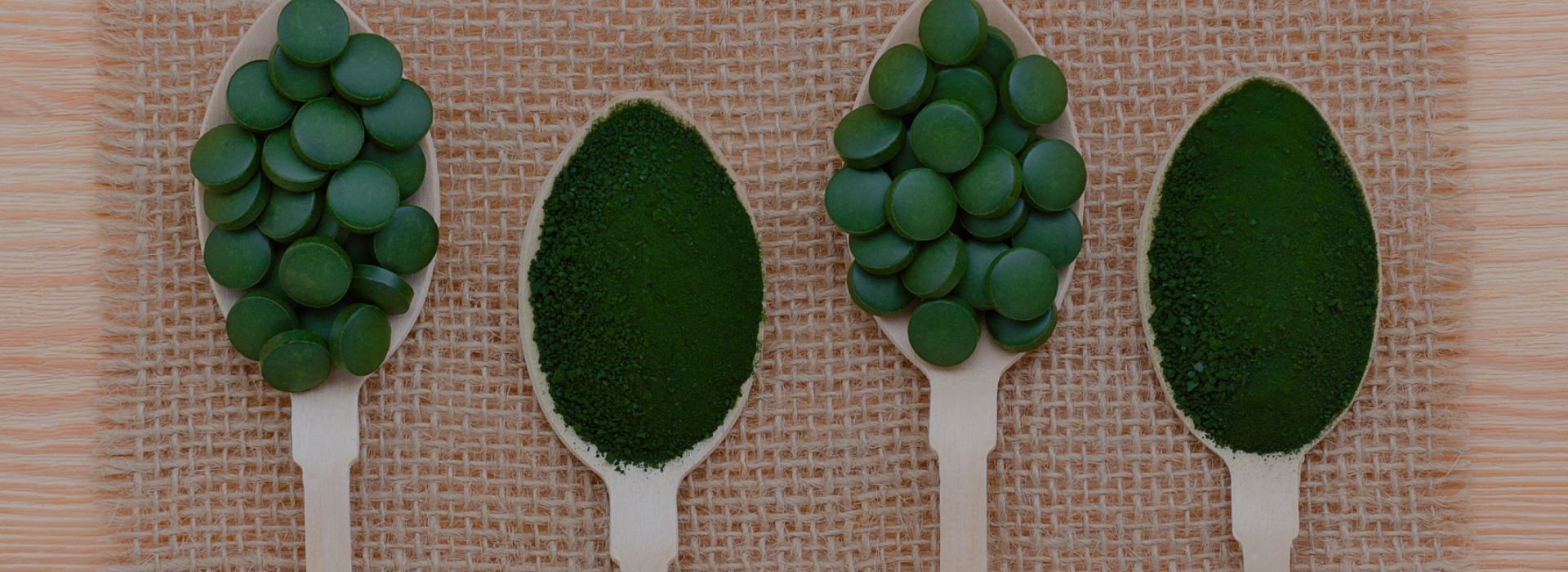
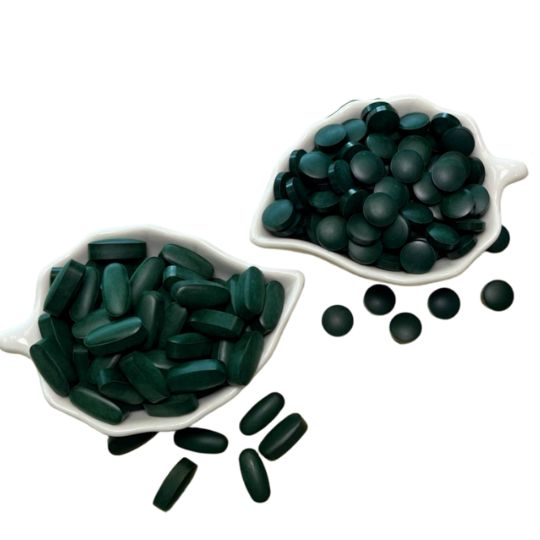
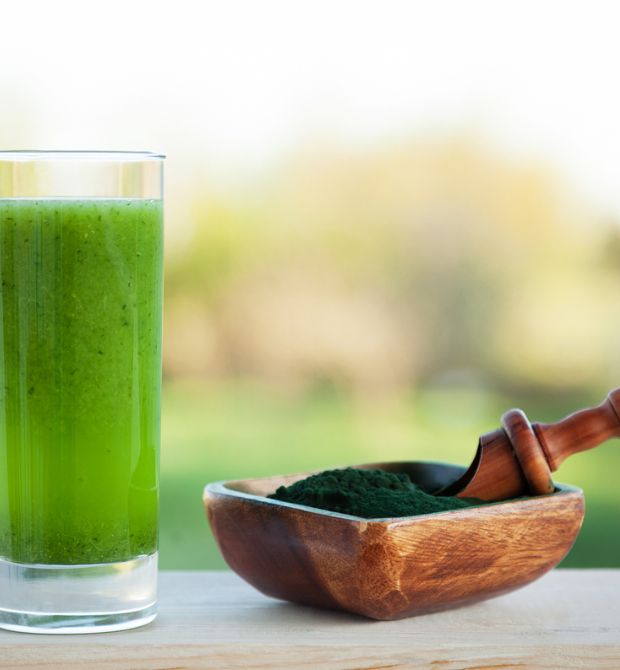
Highassay is a raw material supplier of Organic Spirulina powder and tablets from China. Our Organic Spirulina is cultivated without chemical fertilizers, pesticides, or hormones. Through physical purification methods, the spirulina algae are directly dried, pulverized, and processed into organic spirulina powder or compressed into organic spirulina tablets, and are organically certified.
Compared to organic chlorella, Organic Spirulina has a more pronounced seaweed-like flavor. Adding too much may affect the flavor of other products.
Spirulina is essentially made from the whole algae plant. Spirulina cells are rich in chlorophyll, carotenoids, phycocyanin, etc. The dark green color of spirulina is the result of a mixture of various pigments.
Organic Spirulina is primarily used as a raw material for nutritional supplements.
Benefits of Organic Spirulina: It is rich in nutrients, beneficial for supplementing the human body with protein, vitamins, and essential minerals.
Organic Spirulina is an affordable nutritional supplement, with its biggest advantage being its accessible price. It is suitable for those with malnutrition, vegetarians, and those with weakened immune systems.
Supplementary Technical Details for Organic Spirulina
- Production method: Cultured in natural lakes or closed culture ponds, then washed, dried, sterilized, crushed, and sieved after harvesting.
- Acute toxicity (LD50): Oral LD50 in rats: >10000 mg/kg (actually non-toxic)
- Chronic toxicity: Safe for long-term consumption, no cumulative toxicity, meets food-grade safety standards
- Upstream and downstream products (raw materials): Clean water, carbon dioxide, sunlight, organic nutrient solution (nitrogen, phosphorus, potassium, etc.)
- Upstream and downstream products (downstream): Spirulina tablets, capsules, powders, oral liquids, food additives, cosmetic raw materials
- Quality standards: Meets Chinese organic product standards, US FDA food-grade standards, and EU organic certification standards
- Detection methods: Kjeldahl method (protein), HPLC (β-carotene), atomic absorption spectrometry (heavy metals)
- Transportation methods: Ambient temperature transportation (refrigerated transportation is recommended in summer), express delivery and logistics are both acceptable
- Payment methods: T/T (telegraphic transfer), L/C (letter of credit), Alipay, WeChat (small orders)
- Customization services: Particle size, packaging specifications, and ingredient content can be adjusted according to customer needs
Packaging and Storage of Organic Spirulina
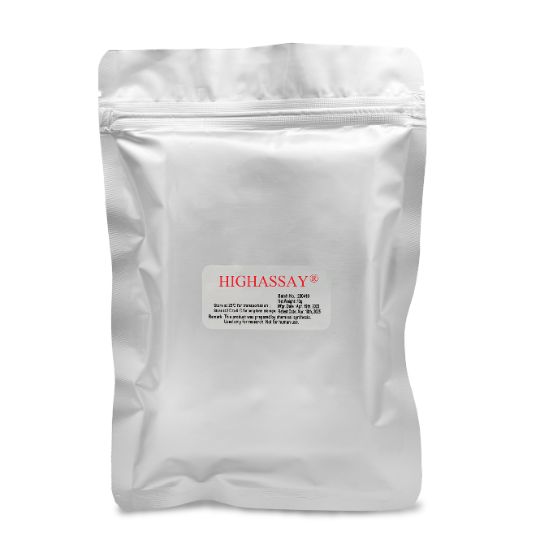
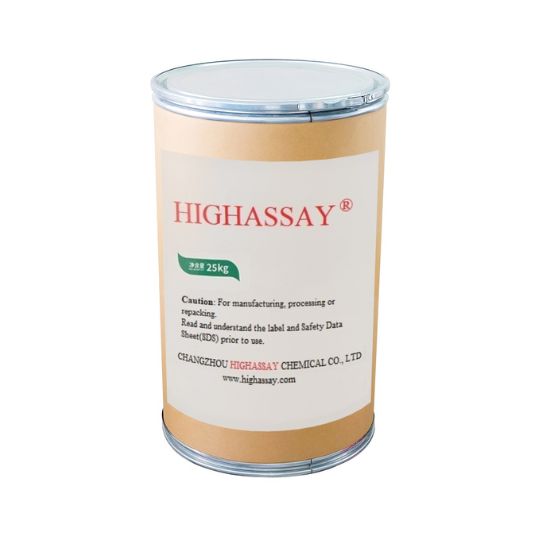
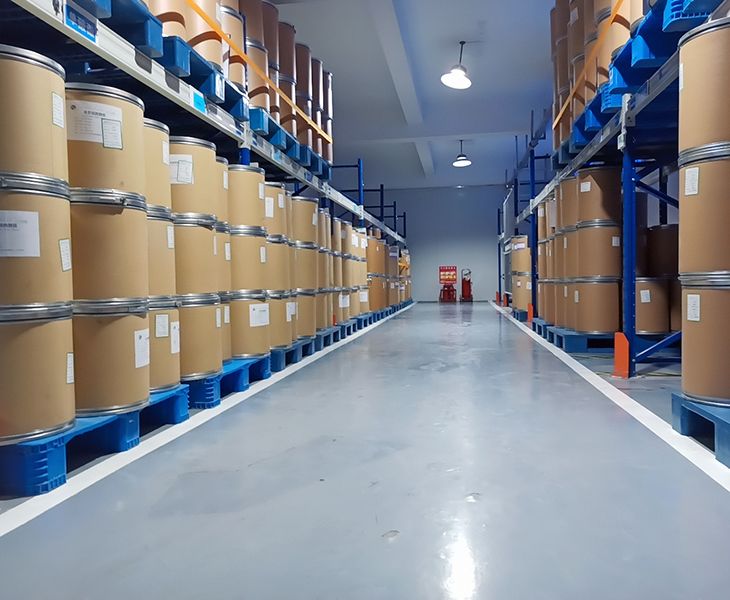
- Packaging: 1kg/aluminum foil bag, 5kg/vacuum bag, 25kg/cardboard drum (lined with food-grade plastic bag)
- Storage: Store in a cool, dry place (temperature ≤25℃, relative humidity ≤60%), away from light and sealed.
- Shelf Life: 24 months unopened (from the date of production)
- Standard: GB/T 17243-1998, Organic Product Certification Standard
- Precautions: Avoid high temperature and direct sunlight; use as soon as possible after opening; not suitable for people allergic to algae.
- After-sales Service: Product testing report provided; free return and exchange for quality problems; technical application guidance.
Spirulina is a filamentous microalga (not a plant or fungus) belonging to the phylum Cyanobacteria. Its thallus is a spirally curved, blue-green filament, and it thrives in warm, highly alkaline freshwater environments. It is a natural food source with extremely high nutrient density and is a classic microalga cultivated on a large scale globally.
Products made primarily from spirulina powder that are ready to eat include spirulina tablets/capsules, spirulina meal replacement powders, and baked goods/dairy products with added spirulina. These products must meet national food hygiene standards and are distinct from pure spirulina powder.
Spirulina is rich in protein, various vitamins/minerals, algal polysaccharides, phycocyanin, etc., and can be used as a food supplement to improve immunity.
Spirulina is rich in protein, various vitamins/minerals, algal polysaccharides, phycocyanin, etc., and can be used as a food supplement to improve immunity.
Of course, spirulina is rich in protein, various vitamins/minerals, algal polysaccharides, phycocyanin, etc., and can be used as a food supplement to improve immunity.
It has a faint fishy smell mixed with a seaweed-like fishy smell, and no bitterness.
Spirulina is rich in protein, various vitamins/minerals, algal polysaccharides, phycocyanin, etc., and can be used as a food supplement to improve immunity.
You can purchase it from Highassay, one of the leading suppliers of spirulina powder and tablets from China, offering a full range of specifications. Please contact us for further information.
For daily nutritional supplementation, take 1-3g/day (powder), approximately 10-30 tablets (regular tablets are 0.1g/tablet); for adjunctive treatment, the dosage can be increased to 3-5g/day, but should not exceed 10g/day.
Of course, spirulina is rich in protein, various vitamins/minerals, algal polysaccharides, phycocyanin, etc., and can be used as a food supplement to improve immunity.
You can purchase it from Highassay, one of the leading suppliers of spirulina powder and tablets from China, offering a full range of specifications. Please contact us for further information.
Spirulina is rich in protein, various vitamins/minerals, algal polysaccharides, phycocyanin, etc., and can be used as a food supplement to improve immunity.
It contains virtually no iodine (content <0.1mg/100g), so patients with hyperthyroidism or hypothyroidism can consume it without worrying about iodine intake.
Very healthy
Consuming food-grade spirulina in moderation (1-2g/day) is safe and can supplement protein, iron, and vitamins, which can help with the nutrition of pregnant women and fetuses. However, it has no medical effects, and it is necessary to choose regular products that meet the standards for heavy metals and microorganisms. It is recommended to consult an obstetrician first.
You can purchase it from Highassay, one of the leading suppliers of spirulina powder and tablets from China, offering a full range of specifications. Please contact us for further information.
Spirulina has many benefits. It is rich in protein, various vitamins/minerals, algal polysaccharides, phycocyanin, etc., and can be used as a food supplement to improve immunity.
Spirulina is rich in protein, various vitamins/minerals, algal polysaccharides, phycocyanin, etc., and can be used as a food supplement to improve immunity.
Spirulina is cultivated and harvested, then washed, dehydrated at low temperature, and pulverized into a powdered product.
You can purchase it from Highassay, one of the leading suppliers of spirulina powder and tablets from China, offering a full range of specifications. Please contact us for further information.
People with algae allergies, stomach ulcers, gout, phenylketonuria, or those taking anticoagulants.
It contains virtually no iodine (content <0.1mg/100g), so patients with hyperthyroidism or hypothyroidism can consume it without worrying about iodine intake.
Regular spirulina contains 60%-72% protein, while blue spirulina, being pure phycocyanin powder, has a protein content of ≥80%.
Consuming food-grade spirulina in moderation (1-2g/day) is safe. It can supplement protein, iron, and vitamins, and has an auxiliary effect on the nutritional supplementation of pregnant women and fetuses.
Applications of Organic Spirulina
Food and Feed Sector
- Organic Spirulina can be used as a traditional nutritional supplement, such as organic spirulina powder, organic spirulina tablets, or other forms of health food.It helps to supplement a variety of nutrients in one stop, and it is natural and has a high level of safety.
- Organic Spirulina can be used as an additive in functional beverages, dairy products, or certain fortified foods (instant noodles, cookies, etc.).It not only provides natural pigments but also has antioxidant properties, offering both visual appeal and nutritional benefits.
- Spirulina can be used as an animal feed additive (aquatic feed, livestock feed, etc.) to help animals become healthier.It has the functions of non-specific immune activation (core antibiotic alternative value), anti-stress and body color improvement (unique to aquatic products).
Biomedical Field
- Organic Spirulina can be used to extract high-value components—By using NADES extraction technology, the stability and antioxidant activity of phycocyanin are significantly improved.
- Organic Spirulina can be used in biological detection and laboratory reagents.It is the core raw material of natural fluorescent probes, used to replace toxic chemical fluorescent reagents.
- Organic Spirulina is a natural repository of bioactive ingredients.It is an important research and development raw material for innovative drugs with antioxidant, anti-inflammatory, anti-tumor, and immunomodulatory properties.
- Organic Spirulina and its extracts have good biocompatibility, biodegradability, and are non-irritating.It can be used as a medical dressing, drug coating and capsule, oral medicine material and other medical excipients and medical devices.
Cosmetics Field
- Organic Spirulina is added to various skincare products such as face masks, serums, and creams.It can improve skin condition in multiple dimensions and is compatible with various skincare products.It meets 5 core skincare needs: anti-oxidation, anti-inflammatory and soothing, moisturizing and locking in moisture, brightening skin tone, and repairing the skin barrier.
- The phycocyanin (natural blue) and chlorophyll (natural green) in Organic Spirulina are high-quality cosmetic pigments.There is no risk of allergies or cancer caused by artificial pigments.Furthermore, the colors are soft and textured, making them suitable for the coloring needs of makeup and personal care products.
It can be brewed directly or added to ingredients.
Nutritional supplements
Natural habitats include Lake Chad in Africa, Lake Tesicoco in Mexico, and Lake Chenghai in Yunnan, China. Currently, large-scale artificial cultivation is practiced globally, with China (Yunnan and Inner Mongolia), the United States, Japan, and India being the main production areas. Artificial cultivation allows for precise temperature and alkali control, ensuring stable quality.
Can
Can
Spirulina itself does not produce toxins, but if it is contaminated by other cyanobacteria that produce toxins, it may produce toxic compounds such as microcystins, which can cause gastrointestinal discomfort and other symptoms if ingested. Therefore, it is necessary to use products whose quality and origin are strictly controlled.
Spirulina is a filamentous microalga (not a plant/fungus) belonging to the phylum Cyanobacteria. The algae are spirally curved, blue-green filaments that thrive in warm, alkaline freshwater environments.
You can purchase it from Highassay, one of the leading suppliers of spirulina powder and tablets from China, offering a full range of specifications. Please contact us for further information.
Spirulina is a photosynthetic autotrophic microalga with an extremely rapid proliferation rate (one generation every 3-5 days under ideal conditions). Its cell structure is simple, lacking complex root, stem, leaf, or redundant cell wall tissues. Almost all nutrients are used to synthesize core nutrients such as proteins and amino acids, resulting in a protein content far exceeding that of ordinary plant and animal foods by dry weight.
It has a faint fishy smell mixed with a seaweed-like fishy smell, and no bitterness.
Rich in iron (200-300mg/100g), and it is easily absorbed organic iron, making it suitable as a supplement for people with iron deficiency anemia.
Blue Spirulina
Yes, if stored properly, it can be kept for 3 years.
Yes, if stored properly, it can be kept for 3 years.
Rich in protein
Spirulina is low in calories and high in satiety. Adding it to meal replacements can reduce the intake of staple foods and aid in weight loss (must be combined with diet and exercise).
It contains 60%-72% protein by dry weight.
It can be mixed directly into a drink or added to meal replacement ingredients.
Spirulina cultivation can be divided into small-scale home trials and industrial-scale production. Home cultivation is for hobby purposes only and cannot be mass-produced: Home cultivation: Prepare alkaline water (pH 8.5-11, adjusted with baking soda), a transparent container (glass/plastic), and place it in a sunny location (25-35℃). Add spirulina inoculum, change 1/3 of the water weekly, and add baking soda to adjust the pH. It can be harvested in about 10-15 days. Note: Home cultivation cannot precisely control bacteria and is easily contaminated by other algae. The harvested algae are not recommended for direct consumption and are only for ornamental/experimental purposes. Industrial cultivation has high requirements and involves many aspects, which will not be described here.
It can be mixed directly into a drink or added to meal replacement ingredients.
It is beneficial and can be used as a nutritional supplement.
Consuming food-grade spirulina in moderation (1-2g/day) is safe. It can supplement protein, iron, and vitamins, and has an auxiliary effect on the nutritional supplementation of pregnant women and fetuses.