


Basic Information of Cobalt Chloride
- Product Name: Cobalt Chloride
- English aliases: Cobalt(II) chloride, Cobalt dichloride, Cobaltous chloride
- Industry Abbreviations: CoCl2
- Other language names: Chlorure de cobalt (French), Kobaltchlorid (German), Cloruro de cobalto (Spanish), Йодат кальция(Russian), 요오드산칼슘(Korean), يودات الكالسيوم(Arabic)
- CAS number: 7646-79-9
- EINECS number: 231-589-4
- UN number: 3260
- Hazard class: 8 (Corrosive substances)
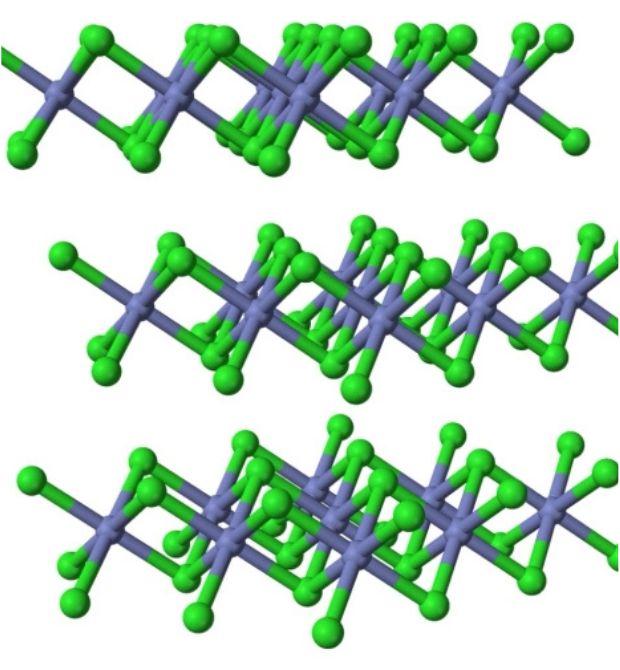
- Molecular formula: CoCl2
- molecular weight: 129.84 g/mol
- Product Grade: Industrial grade, Analytical reagent (AR), Pharmaceutical grade
- Main uses: Humidity indicator, catalyst, pigment, battery materials, feed additive
Physicochemical Properties of Cobalt Chloride
- Appearance and smell: Blue crystalline powder, odorless
- Solubility: Soluble in water, ethanol, acetone, ether
- Boiling point: 1049 °C (decomposes)
- Melting point: 735 °C
- Density: 3.356 g/cm³ (25 °C)
- Moisture absorption: Hygroscopic, turns pink when absorbing moisture
- Purity: 98% min (industrial grade), 99.9% min (analytical grade)
- Toxicity: Toxic if swallowed or inhaled
- Stability: Stable under normal conditions, avoid contact with strong oxidizers
- Particle size: 100-200 mesh (customizable)
Supplementary Technical Details for Cobalt Chloride
- Production methods: Neutralization method (cobalt oxide + hydrochloric acid), electrolysis method
- Acute toxicity (LD50): 80 mg/kg (oral, rat); 400 mg/kg (dermal, rabbit)
- Chronic toxicity: May cause cobalt lung disease with long-term exposure
- Upstream and downstream products (raw materials): Cobalt ore, hydrochloric acid, cobalt oxide
- Upstream and downstream products (downstream): Battery materials, catalysts, pigments, humidity indicators
- Quality Standards: GB/T 26523-2011 (China), ACS reagent standards (USA)
- Detection methods: Atomic absorption spectrometry, titration analysis
- Transportation methods: Road transport, sea transport (complies with IMDG code)
- Payment methods: T/T, L/C, Western Union
Packaging and Storage of Cobalt Chloride
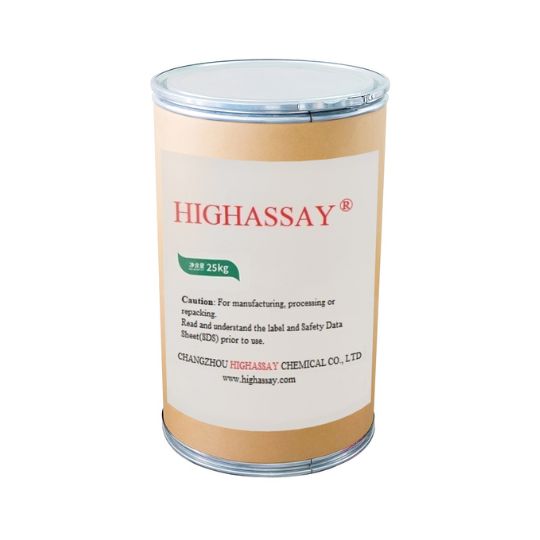
- Packaging: 25 kg plastic-lined paper bags, 25kg/drum
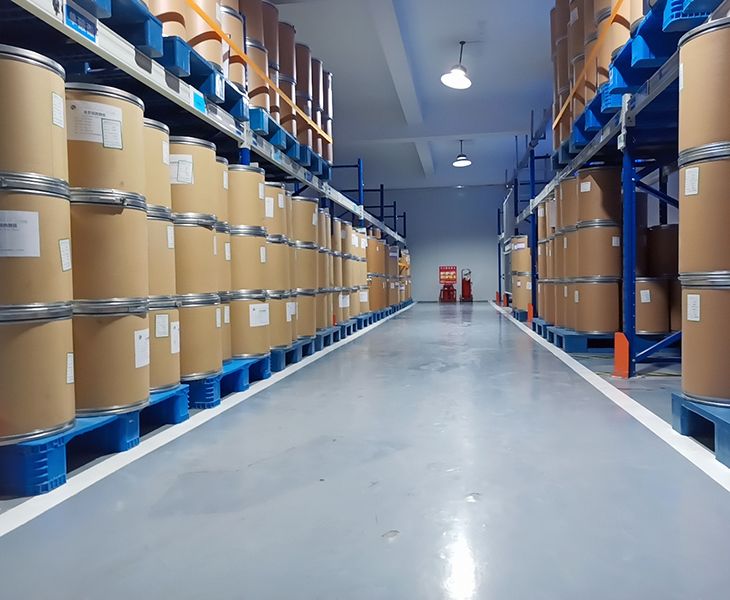
- Storage: Store in cool, dry, well-ventilated warehouse; keep away from moisture and oxidizers
- Shelf Life: 24 months when stored properly in original packaging
- CAS number: 7646-79-9
- Molecular formula: CoCl2
- Molecular weight: 129.84 g/mol
- Implementation Standards: GB/T 26523-2011, ACS, USP
- Precautions: Avoid direct contact with skin and eyes; use in well-ventilated area
- After-sales service: Provides COA and MSDS, quality guarantee, return and exchange for unqualified products
Applications of Cobalt Chloride
Humidity Indicators and Desiccants
Industrial-grade Cobalt Chloride is not used directly as an indicator, but rather as the core color-developing material in indicators.
Industrial-grade Cobalt Chloride is not a desiccant itself; the actual desiccant is silica gel, and Cobalt Chloride acts as a color indicator attached to the silica gel.
There are generally two forms of use:
Indicating color-changing silica gel——It can be used in enclosed environments such as instrument cases, pharmaceutical packaging, camera bags, and shoe boxes.
Printed humidity indicator card——It can be placed inside sealed packaging for precision instruments, military products, semiconductor components, etc.
It turns pink when it absorbs moisture, and blue when dry or heated.
Agriculture and Livestock Farming Sectors
- Feed-grade Cobalt Chloride can be mixed in very small quantities into animal feed or dissolved in drinking water to provide animals with cobalt, which is used in the synthesis of vitamin B12.Under the guidance of a veterinarian, cobalt preparations can also be used for targeted treatment of animals exhibiting cobalt deficiency.
- Fertilizer-grade Cobalt Chloride can be used as a trace element in fertilizers to promote the growth and improve the quality of leguminous plants;Improve the soil in cobalt-deficient areas to indirectly prevent cobalt deficiency in grazing livestock.
Pharmaceuticals and Analytical Sciences
- Pharmaceutical-grade Cobalt Chloride can be used as a chemical hypoxia mimetic agent for in vitro cell hypoxia studies, helping to understand hypoxia-related pathological processes.
- Reagent-grade Cobalt Chloride can be used in laboratories for chemical synthesis and as a source of cobalt.
Industrial and Chemical Fields
- Industrial-grade Cobalt Chloride is used as a catalyst in the production processes of petrochemicals, rubber, plastics, and other products.
- Industrial-grade Cobalt Chloride provides vibrant, stable, and weather-resistant blue color for ceramics, glazes, paints, and inks.
- Industrial-grade Cobalt Chloride is used as an absorbent in gas purification processes, such as ammonia absorption. It can also be used for the deep drying of gases such as hydrogen and nitrogen.
- Battery-grade Cobalt Chloride is a precursor for lithium battery materials (such as lithium cobalt oxide); it is also a source of cobalt for other cobalt compounds.