

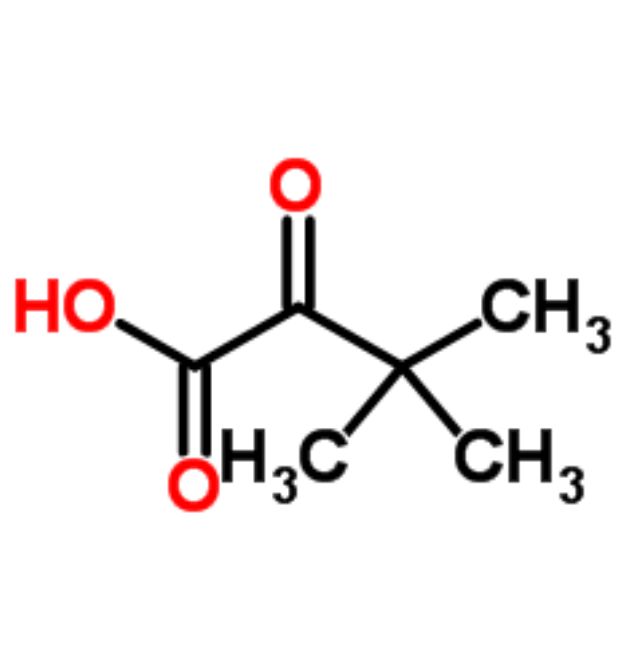
Basic Information of Trimethylpyruvicacid
- Product Name: Trimethylpyruvicacid
- English aliases: 3,3-Dimethyl-2-oxobutanoic acid, Trimethylpyruvate, Pinacolinic acid, Trimethylpyruvic Acid, 3,3-Dimethyl-2-oxobutanoic acid, Trimethylpyruvate acid, TMPA
- Industry Abbreviations: TMPA, trimethylpyruvic acid
- Other language names: German: Trimethylpyruvinsäure; French: Acide triméthylpyruvique; Spanish: Ácido trimetilpirúvico
- CAS number: 815-17-8
- Molecular Formula: C₆H₁₀O₃
- Molecular Weight: 130.14 g/mol
- Product Grade: Pharmaceutical grade, Food grade, Industrial grade, Cosmetic grade
- Main uses: Nutritional supplements, Food additives, Pharmaceutical intermediates, Cosmetic raw materials
- Supplier : Changzhou Highassay Chemical Co., Ltd.
Physicochemical Properties of Trimethylpyruvicacid
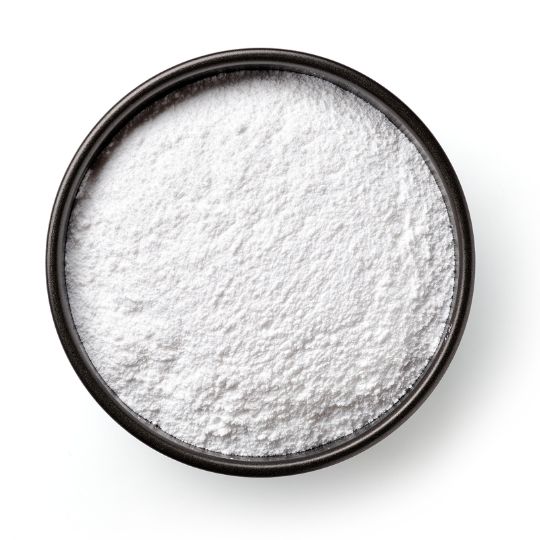
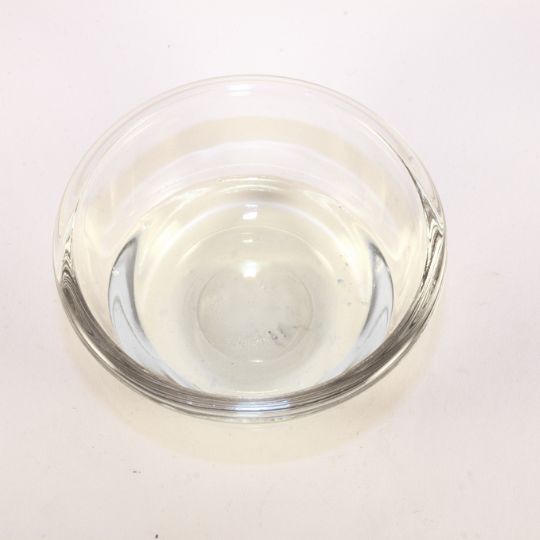
- Appearance and smell: A colorless to pale yellow liquid or crystalline solid with a pungent odor.
- Solubility: It is readily soluble in water, ethanol, ether, and acetone, and miscible with most organic solvents.
- Boiling Point: 196-198℃
- Melting Point: 28-32℃
- Density: 1.050 g/cm³ (20℃, liquid state)
- Purity: ≥98% (industrial grade), ≥99% (pharmaceutical grade)
- Other Features: 1.4350 (20℃)
- Stability: Store in a cool, dry place where it is stable, avoiding high temperatures, humidity, and light.
- Danger: Low toxicity or practically non-toxic; some products may cause slight irritation.
- Emergency Response: Skin contact: Rinse immediately with plenty of water; Ingestion: Seek immediate medical attention.
Supplementary Technical Details for Trimethylpyruvicacid
- Production Methods: It is mainly prepared by the condensation reaction of isobutyraldehyde and diethyl oxalate, followed by hydrolysis and decarboxylation to obtain…
- Acute Toxicity (LD50): Oral LD50 in rats: 1500 mg/kg (low toxicity); Dermal LD50 in rabbits: 2000 mg/kg (low toxicity)
- Chronic Toxicity: Prolonged contact may irritate the skin and mucous membranes; ventilation is required during handling; must meet industrial-grade standards.
- Upstream and downstream products (raw materials): Isobutyraldehyde, diethyl oxalate, catalysts (such as sodium ethoxide)
- Upstream and downstream products (downstream): Pharmaceutical intermediates, pesticide intermediates, fragrance raw materials, industrial additives
- Quality Standards: Compliant with USP, EP, and GB
- Detection Methods: HPLC, UV, IR, etc.
- Transportation Methods: Sea freight, air freight, and express delivery
- Payment Methods: T/T, L/C, Western Union, etc.
- Certification Status: ISO9001, GMP, kosher halal etc.
- Technical Support: Provide product application technical guidance and solutions
Packaging and Storage of Trimethylpyruvicacid
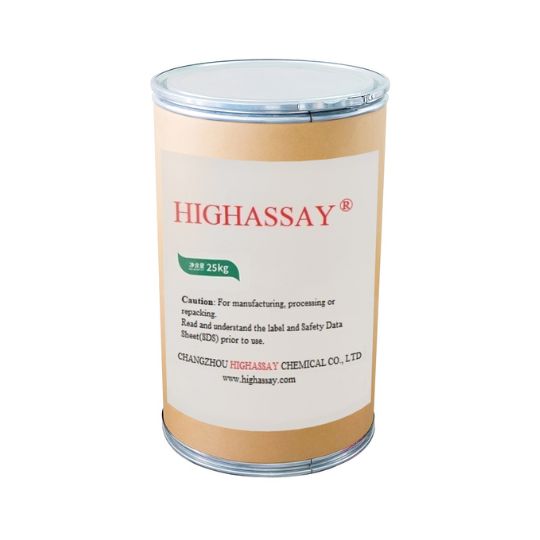
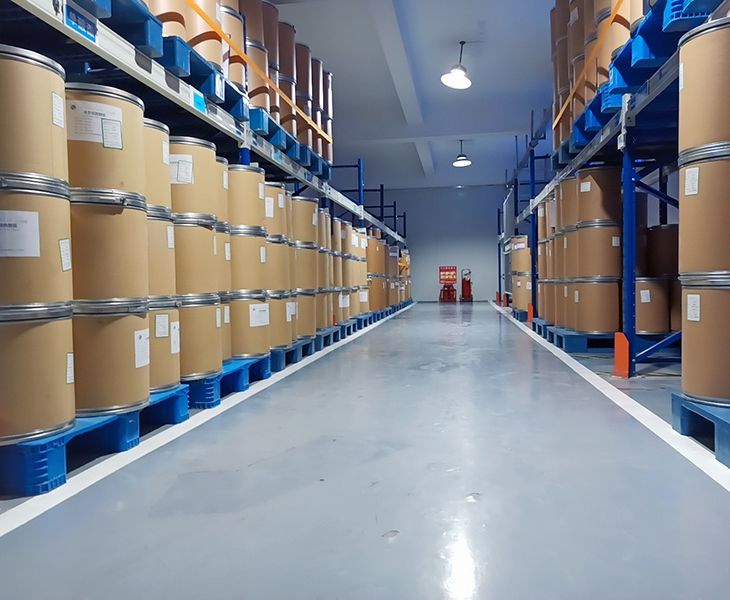
- Packaging: 25kg/fiber drum (lined with polyethylene bag), or according to customer requirements
- Storage: Store in a cool, dry, and well-ventilated warehouse; avoid direct sunlight and moisture
- Shelf Life: 24 months from the production date under proper storage conditions
- CAS number: 815-17-8
- Molecular Formula: C₆H₁₀O₃
- Molecular Weight: 130.14 g/mol
- Implementation Standards: Enterprise standards or USP/BP/EP/CP
- Precautions: Avoid storing with strong oxidizers, strong acids, or strong alkalis; wear protective equipment during operation.
- After-sales Service: Provides COA and MSDS; free returns and exchanges for quality issues; technical support.
Applications of Trimethylpyruvicacid
Fine Chemicals Field:
- Trimethylpyruvic Acid is a precursor in the synthesis of dyes and pigments, and is used in the research and development of specific high-end applications, such as colorants for specialty engineering plastics, high-grade automotive paints, or industrial coatings.
- Trimethylpyruvic Acid can be used in the synthesis of pesticides (low-toxicity herbicides, fungicides, etc.), resulting in a new generation of highly effective, safe, and environmentally friendly pesticide products that achieve the goals of low dosage, strong efficacy, and no harm to the environment.
- Industrial gradeTrimethylpyruvic Acid can be used to synthesize specialty resins, especially highly weather-resistant resins, achieving a balance of performance, cost, and service life, and providing long-term protection for coatings and substrates.
Pharmaceutical Field: (Used as a synthetic intermediate and research tool)
- Pharmaceutical-grade Trimethylpyruvic Acid is a key intermediate in the synthesis of amino acids (such as valine and tert-leucine), antibiotics, anti-epileptic drugs, and anti-tumor drugs.
- Pharmaceutical-grade Trimethylpyruvic Acid can be used as a substrate for enzyme-catalyzed reactions, in biosynthesis research, or as a common intermediate in other organic syntheses.
Food Additives:
- Trimethylpyruvic Acid itself is not a mainstream direct additive, but rather serves as a precursor for flavor substances or as an intermediate in the synthesis of tert-leucine.For example, TMPA isused in the synthesis of food flavorings to provide special flavors to beverages and candies;Alternatively, TMPA can be used in the synthesis of nutrients for specialized medical foods and sports nutrition products, providing nutritional support for specific groups of people.
- Trimethylpyruvic Acid is a raw material for the production of valine, which is used in the production of nutritional supplements to replenish essential amino acids that the human body cannot synthesize on its own.
Cosmetics Industry:
- Trimethylpyruvic Acid is generally not used as a direct additive in cosmetics; rather, TMPAserves as the parent compound for the high-grade raw material tert-leucine. 3,3-dimethyl-2-oxobutanoic acid’s derivatives indirectly enhance the effectiveness of active ingredients in cosmetics.
- Although trimethylpyruvic Acid (TMPA) is not a direct raw material for fragrance synthesis, the aroma molecules derived from TMPA possess unique fragrance characteristics and have long-lasting scent, making them widely used in high-end perfumes, custom fragrances, and other daily chemical products.
Get an Instant Quote Now