
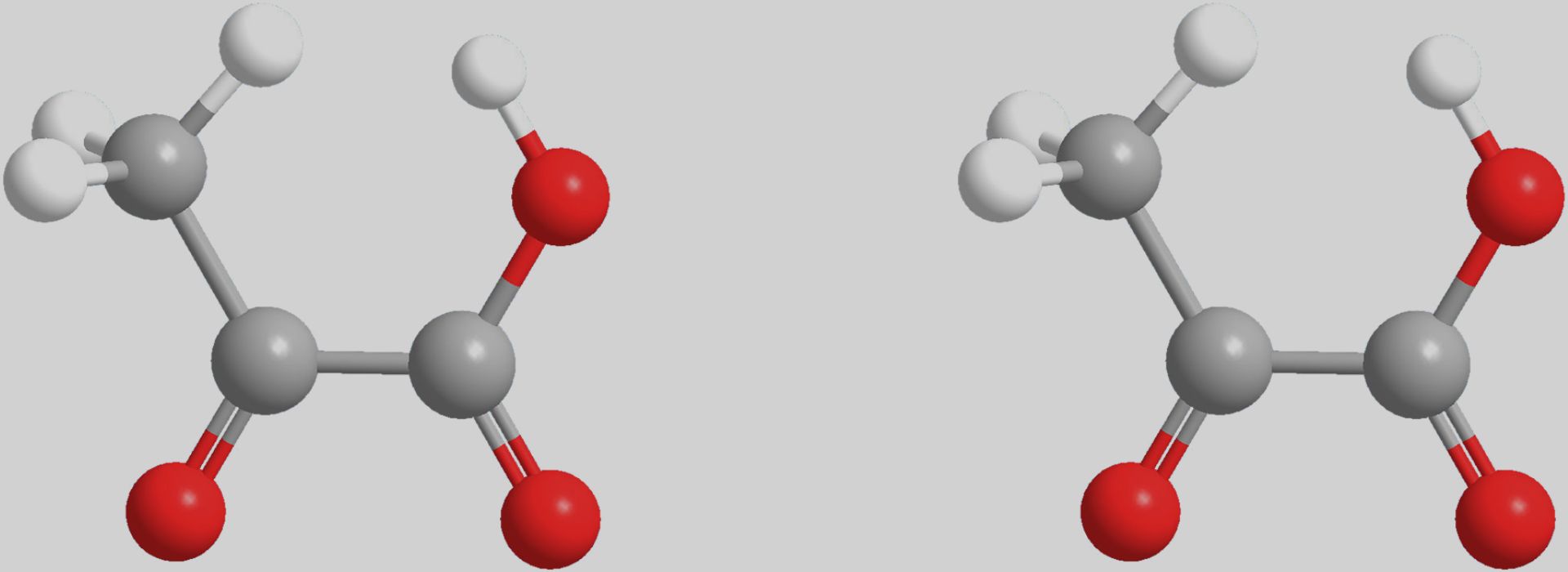
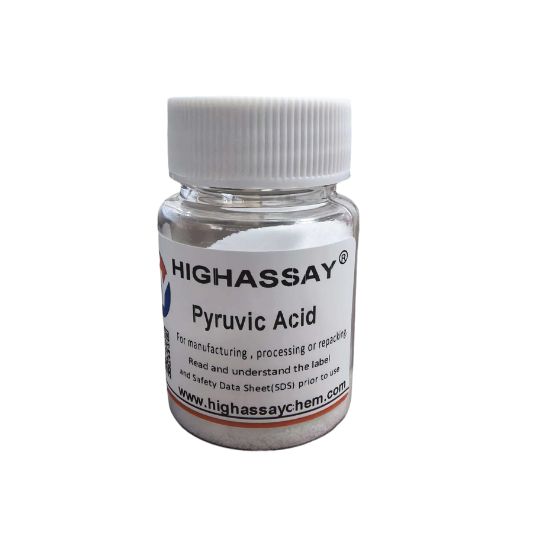
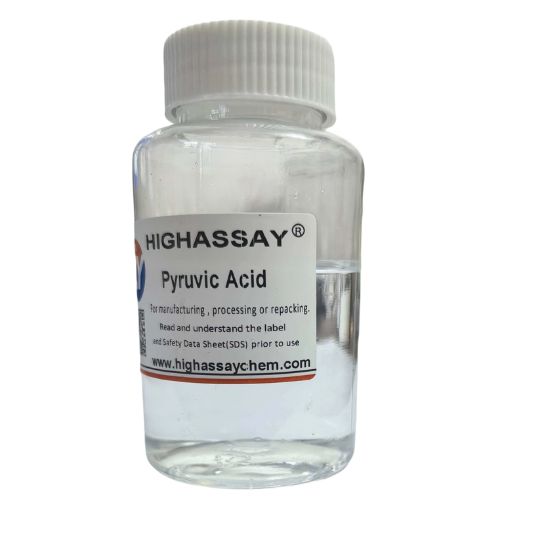
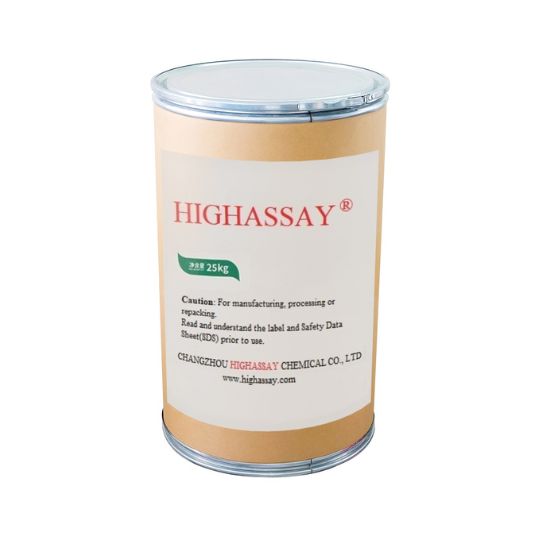
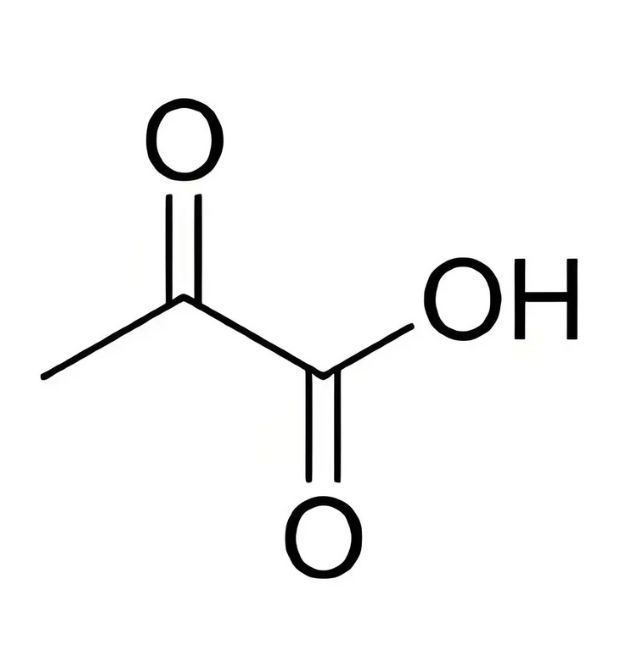
Basic Information of Pyruvic Acid
- Product Name: Pyruvic Acid
- English aliases: 2-Oxopropanoic acid, Acetylformic acid, Pyruvate, Pyruvic Acid, 2-Oxopropanoic acid, Pyruvate acid, Alpha-ketopropionic acid
- Industry Abbreviations: PA, pyruvic acid
- Other language names: German: Pyruvinsäure; French: Acide pyruvique; Spanish: Ácido pirúvico
- CAS number: 127-17-3
- Molecular Formula: C₃H₄O₃
- Molecular Weight: 88.06 g/mol
- Product Grade: Pharmaceutical grade, Food grade, Industrial grade, Cosmetic grade
- Main uses: Nutritional supplements, Food additives, Pharmaceutical intermediates, Cosmetic raw materials
- Supplier : Changzhou Highassay Chemical Co., Ltd.
Physicochemical Properties of Pyruvic Acid
- Appearance and smell: A white to pale yellow crystalline powder or A colorless to pale yellow liquid with a pungent odor.
- Solubility: It is readily soluble in water, ethanol, ether, and acetone, and miscible with most organic solvents.
- Boiling Point: 165℃ (decomposes)
- Melting Point: 13.8℃
- Density: 1.250 g/cm³ (20℃)
- Purity: ≥98% (industrial grade), ≥99.5% (pharmaceutical grade)
- Other Features: 1.4280 (20℃)
- Stability: Store in a cool, dry place where it is stable, avoiding high temperatures, humidity, and light.
- Danger: Low toxicity or practically non-toxic; some products may cause slight irritation.
- Emergency Response: Skin contact: Rinse immediately with plenty of water; Ingestion: Seek immediate medical attention.
Supplementary Technical Details for Pyruvic Acid
- Production Methods: The primary method used is lactic acid oxidation (lactic acid is oxidized in the presence of a catalyst to produce lactic acid), but tartaric acid dehydration and decarboxylation can also be used.
- Acute Toxicity (LD50): Oral LD50 in rats: 2100 mg/kg (low toxicity); Dermal LD50 in rabbits: 1000 mg/kg (moderate toxicity).
- Chronic Toxicity: Prolonged contact may irritate the skin and mucous membranes. Protective equipment must be worn during operation and must meet industrial-grade HG/T standards.
- Upstream and downstream products (raw materials): Lactic acid, oxidizing agents (such as nitric acid, air), catalysts (such as copper sulfate)
- Upstream and downstream products (downstream): Pyruvate esters, pharmaceutical intermediates, food additives, cosmetic raw materials
- Quality Standards: Compliant with USP, EP, and GB
- Detection Methods: HPLC, UV, IR, etc.
- Transportation Methods: Sea freight, air freight, and express delivery
- Payment Methods: T/T, L/C, Western Union, etc.
- Certification Status: ISO9001, GMP, kosher halal etc.
- Technical Support: Provide product application technical guidance and solutions
Packaging and Storage of Pyruvic Acid
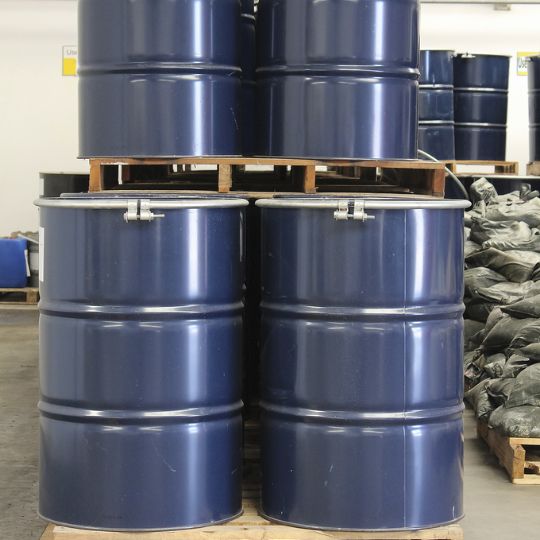
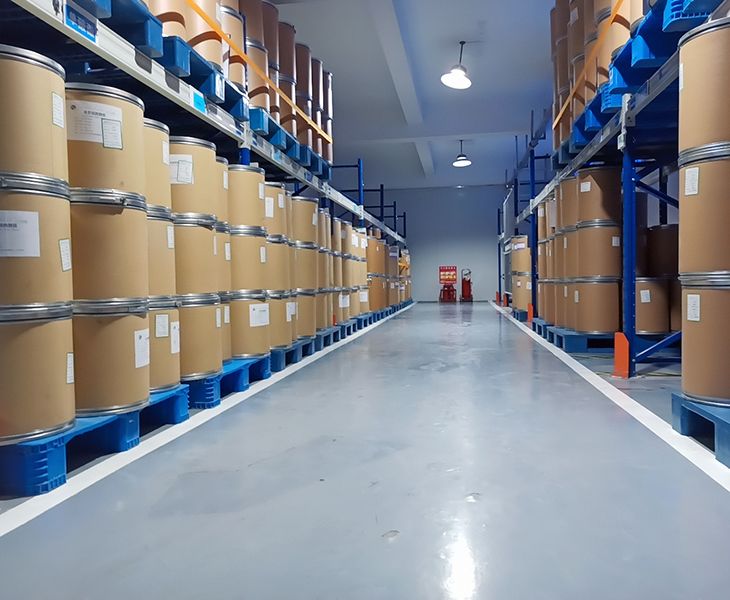
- Packaging: 25kg/fiber drum (lined with polyethylene bag).Tote tanks or steel drums, or according to customer requirements
- Storage: Store in a cool, dry, and well-ventilated warehouse; avoid direct sunlight and moisture
- Shelf Life: 24 months from the production date under proper storage conditions
- CAS number: 127-17-3
- Molecular Formula: C₃H₄O₃
- Molecular Weight: 88.06 g/mol
- Implementation Standards: Enterprise standards or USP/BP/EP/CP
- Precautions: Avoid storing with strong oxidizers, strong acids, or strong alkalis; wear protective equipment during operation.
- After-sales Service: Provides COA and MSDS; free returns and exchanges for quality issues; technical support.
Applications of Pyruvic Acid
Cosmetics Industry
- Cosmetic-grade Pyruvic Acid, as an active ingredient in skincare formulations, plays a crucial role in skin metabolism.Suitable for individuals who desire a balance between gentle skin renewal, improved skin texture, and long-term anti-aging effects.
- Cosmetic-grade Pyruvic Acid can be used as a preservative and antioxidant.It helps to extend the stability of products.
Food Sector
- Food-grade Pyruvic Acid, used as an auxiliary ingredient in nutritional supplements, has strong compatibility.It can be used in weight loss/body shaping complex products; pre- and post-workout energy supplementation and recovery products; and high-end mitochondrial support or metabolic health comprehensive formulas, etc.
- Food-grade Pyruvic Acid can be used as a food additive, for example, as a flavor enhancer in vinegar;as an antioxidant in pickled products; or as a functional food additive in energy drinks, etc.
- Food-grade Pyruvic Acid can be used as a raw material in the production of flavorings, primarily for food flavorings and secondarily for cosmetic and personal care product fragrances.
Medical Field
- Medical-grade Pyruvate can be used for the detection of key metabolite indicators (pyruvate concentration in blood or cerebrospinal fluid, lactate/pyruvate ratio) and the diagnosis of other related diseases (such as hereditary mitochondrial diseases, vitamin B1 deficiency, etc.).
- Medical-grade Pyruvic Acid is a chemical peeling agent that must be administered by a dermatologist.
- Pharmaceutical-grade Pyruvic Acid has great development potential in tissue and organ protection, treatment of metabolic diseases, and as a drug carrier.
Industrial Sector
- Industrial-grade Pyruvic Acid can be used to produce various pyruvate esters or other organic compounds, and is used in multiple fields such as coatings and plastics.
- Industrial-grade Pyruvic Acid can be used in industrial wastewater treatment as a highly effective auxiliary carbon source for biological treatment, especially in enhancing biological denitrification.
- Pesticide-grade Pyruvic Acid can be used as a starting material in the production of certain pesticides or agricultural chemicals, and is used as a fungicide, herbicide, and weed control agent.
Get an Instant Quote Now