
A Brief Introduction to Dimethyl Carbonate
Molecular Formula: C3H6O3
Molecular Weight: 90.08
CAS No.: 616-38-6
Appearance: Colorless to pale yellow liquid
What is Dimethyl Carbonate?
Dimethyl Carbonate is a clear, colorless, stable liquid organic solvent at room temperature and pressure, with a slightly aromatic odor. Its freezing point is approximately 4°C, so it solidifies into a crystalline solid when the ambient temperature is below 4°C, making it easy to store and transport; its boiling point is approximately 90°C, making it very stable at room temperature and not easily vaporized, while still being able to evaporate at high temperatures, facilitating separation and purification. The excellent physical properties of Dimethyl Carbonate give it a promising future in industrial applications, especially in lithium-ion battery electrolytes and as a green solvent.
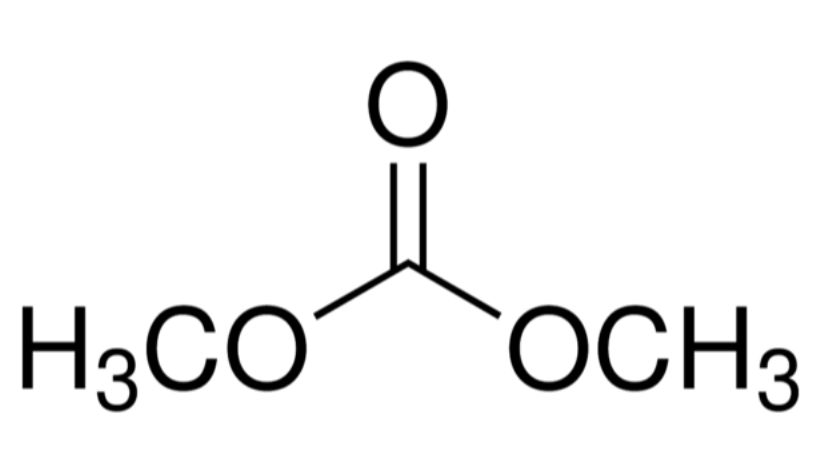
Highassay’s Dimethyl Carbonate
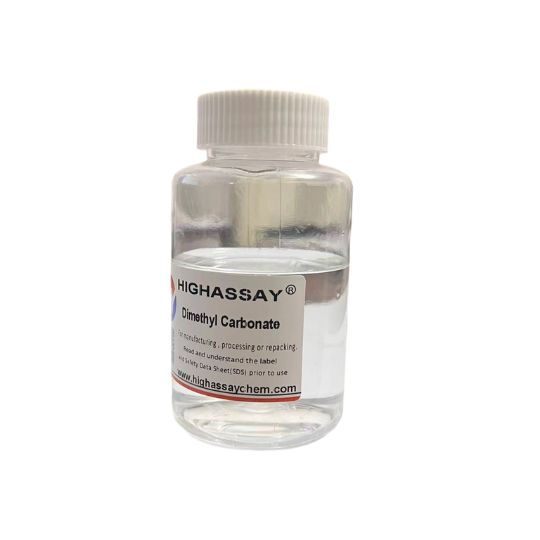
Highassay, as a supplier of Dimethyl Carbonate (DMC) from China, provides high-purity Dimethyl Carbonate solutions. Highassay offers industrial-grade Dimethyl Carbonate with a purity of up to 99.5%,Mainly used for the synthesis of chemical raw materials., the preparation of pharmaceuticals and pesticides, or as a general solvent; battery-grade Dimethyl Carbonate with a purity of up to 99.99%, mainly used in the production of lithium-ion battery electrolytes; and polycarbonate-grade Dimethyl Carbonate with a purity close to battery-grade, mainly used in the synthesis of polycarbonates, etc.
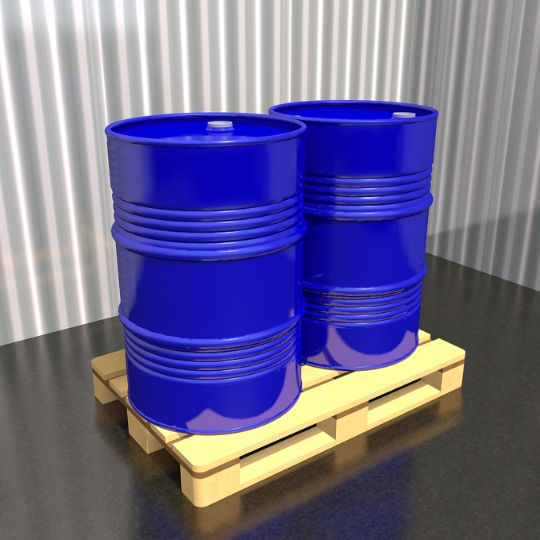
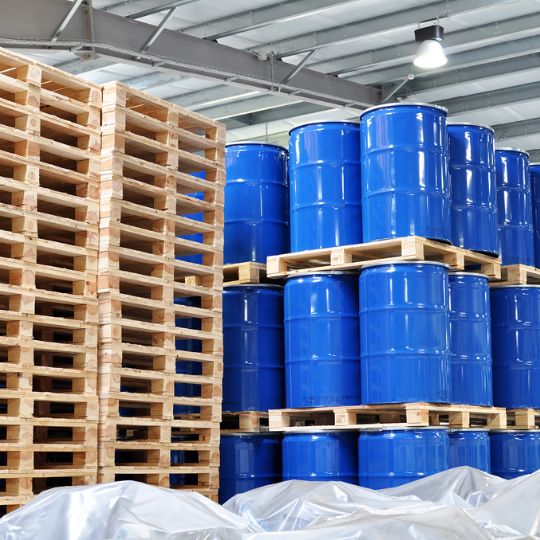
Highassay’s high-purity Dimethyl Carbonate solution guarantees excellent performance, and our superior sealed packaging prevents evaporation of the raw material, avoiding unnecessary losses. A safety data sheet for Dimethyl Carbonate is also included with the product. Choose Highassay and eliminate your worries!
Dimethyl Carbonate-----Green Solvents
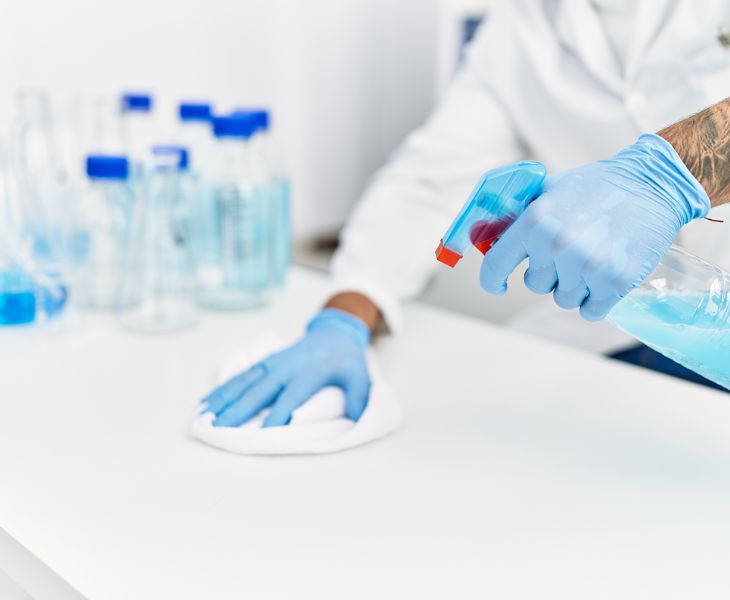
- It can replace toxic solvents such as xylene, toluene, and chloroform, and is widely used in industries such as resins, paints, coatings, adhesives, and various cleaning agents.
- Used as a synthesis agent for some pesticides, especially organic pesticides and herbicides.
- Used as a pharmaceutical intermediate in the pharmaceutical industry, replacing high-risk solvents such as dichloromethane and diethyl ether.
- When used as a gasoline additive, it helps ensure complete combustion of gasoline, reducing environmental pollution caused by exhaust emissions.
Dimethyl Carbonate-----Green Reagents
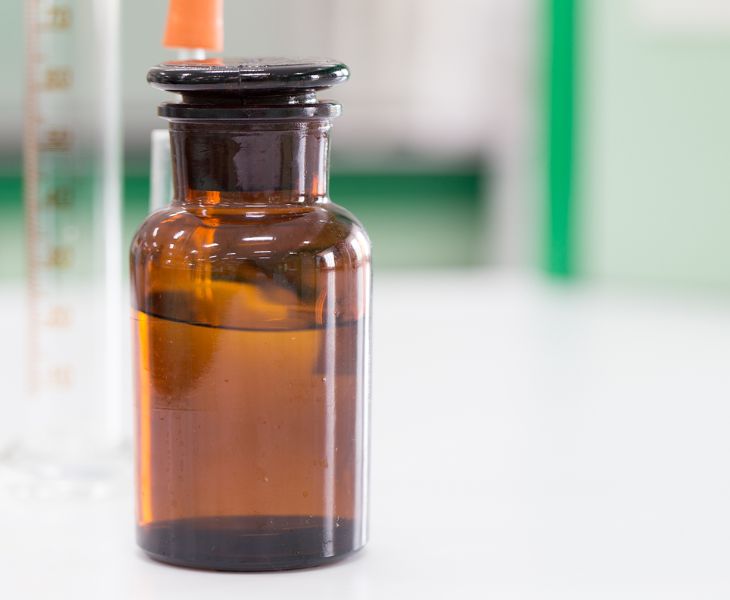
- As a methylation reagent, Dimethyl Carbonate can be used as a substitute for dimethyl sulfate. Dimethyl sulfate is a highly toxic reagent, and using Dimethyl Carbonate as a methylation reagent, although its reactivity is far lower than that of dimethyl sulfate, offers advantages such as higher safety, greater environmental friendliness, and the ability to selectively control reaction pathways.
- As a carbonylation reagent, it replaces phosgene, which is a highly toxic reagent. Although phosgene is extremely reactive and efficient, the use of Dimethyl Carbonate avoids the potential risks associated with storing and using phosgene, and it does not produce chlorine-containing pollutants or corrode equipment. Most importantly, the raw materials are readily available, making large-scale production easy.
Lithium-ion Battery Electrolyte
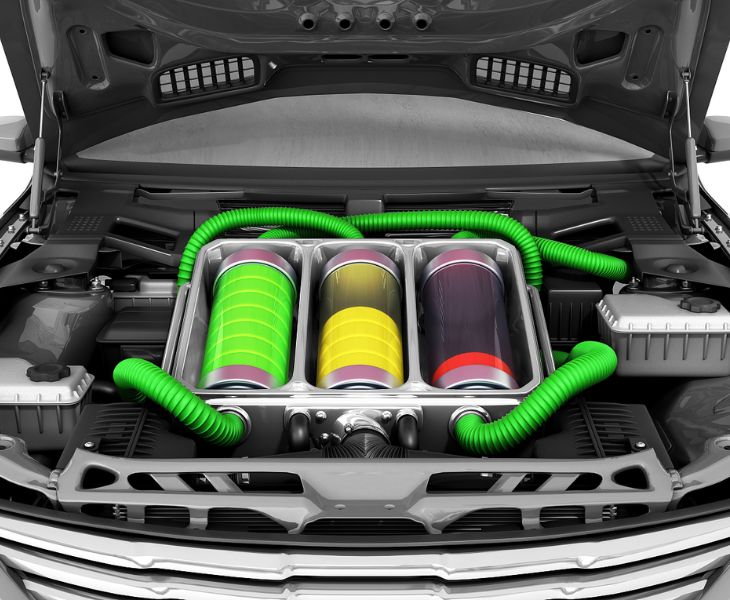
Currently and in the future, Dimethyl Carbonate (DMC), as an important component of lithium-ion battery electrolytes, will see its demand increase with the development of new energy vehicles and energy storage systems. Especially when combined with solvents such as ethylene carbonate, Diethyl Carbonate, and methyl ethyl carbonate, DMC acts as an organic solvent with good stability, low viscosity, high ionic conductivity, and good compatibility with lithium salts. Its inclusion in lithium-ion battery electrolytes helps improve battery performance, extend battery cycle life, and enhance battery safety.
Polycarbonate
Polycarbonate is another major source of industrial demand for Dimethyl Carbonate. Dimethyl Carbonate is a core raw material in the production of polycarbonate, a high-performance engineering plastic with various advantages such as high transparency, excellent impact resistance, heat resistance, flame retardancy, and good insulation properties. It is widely used in various fields, including the automotive industry, construction, medical equipment, aerospace, and electronic products. This vast range of applications underscores the importance of Dimethyl Carbonate.
Physical Properties of Dimethyl Carbonate
- Physical Properties of Dimethyl Carbonate
| Product Name | Dimethyl Carbonate |
| Structure | CH₃–O–CO–O–CH₃ |
| Boiling Point | 90℃ |
| Density | 1.069g/cm³ |
| Flash Point | 16℃ |
| Freezing Point | 4℃ |
| Melting Point | 4℃ |
| Vapor Pressure | 7.38kPa(25℃) |
| Viscosity | 0.625cP(20℃) |
| Evaporation Rate | Medium to fast |
| Dielectric Constant | 3.1(25℃) |
| Solubility | It is miscible with most organic solvents (such as ethanol, diethyl ether, and acetone), but its solubility in water is limited. |
Didecyldimethylammonium Carbonate is a derivative of Dimethyl Carbonate, produced through a safe and environmentally friendly chemical reaction. It is also a successful example of transforming bulk chemicals into high-performance fine chemicals. It is ultimately used in various high-end applications, such as daily chemical products, disinfectants, and textile softeners.
It is primarily used as a “green cleaning agent for precision industries,” for applications requiring high cleanliness, involving special materials, and where safety and environmental protection are also important considerations. Examples include: medical and laboratory equipment; electronics and semiconductor industries; precision metal processing, etc.
Evacuate the area to ensure personnel safety; use professional equipment during the handling process, and strictly prohibit open flames and static electricity; then develop appropriate countermeasures based on the amount of leakage.
Benefits of Dimethyl Carbonate
- Dimethyl Carbonate is a low-toxicity, relatively safe, and biodegradable green solvent.
- Under normal conditions, Dimethyl Carbonate is a liquid, offering the advantages of being easy to handle, transport, and store. LiquidDimethyl Carbonate serves as the basis for its use as an excellent solvent and diluent.
- Dimethyl Carbonate, as a green reaction reagent, exhibits mild reaction conditions during its use, and its main byproducts are methane and carbon dioxide, making it relatively environmentally friendly.
Dangers of Dimethyl Carbonate
- This is a flammable and explosive liquid. It must be stored in a sealed container, kept away from open flames, handled with caution during use and operation, and precautions must be taken to prevent safety issues caused by leakage.
- For individuals who are frequently exposed to or work with this substance, appropriate protective measures should be taken to prevent damage to the eyes, skin, or even the nervous system.