


A Brief Introduction to Triethylene Glycol
Molecular Formula: C6H14O4
Molecular Weight: 150.17
CAS No.: 112-27-6
Appearance: Colorless, odorless, hygroscopic, viscous liquid
What is Triethylene Glycol?
Triethylene Glycol, also known as Triglycol, is a colorless, almost odorless, but hygroscopic, viscous liquid. It is an important synthetic organic compound used in industrial and scientific research. Triethylene Glycol possesses unique physical properties (strong hygroscopicity) and stable chemical properties (it does not react with other substances), making it indispensable in applications such as gas processing, solvents, and plasticizers.

Highassay's Triethylene Glycol
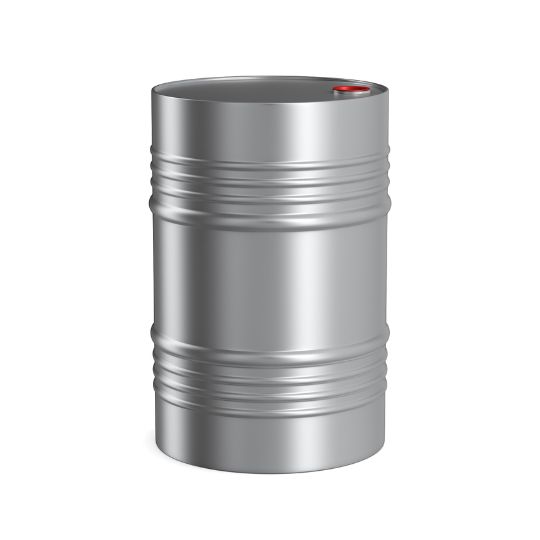
Highassay, a Chinese supplier of Triethylene Glycol raw materials, offers industrial-grade Triethylene Glycol with a purity of 99% and above, refined-grade Triethylene Glycol with a purity of 99.5% and above, and pharmaceutical/cosmetic-grade Triethylene Glycol with a purity of 99.9% and above. We have a stable and sound product sales system, enabling us to offer competitive prices for Triethylene Glycol. Highassay’s Triethylene Glycol raw materials are available in bulk and drum packaging to meet all your needs. MSDS documents are provided with all products, so you can buy with confidence. For Triethylene Glycol raw materials, choose Highassay!
Applications of Triethylene Glycol
Industrial、Medical、Energy and other fields
 Medical
It has antibacterial properties and is used as a disinfectant and preservative for medical devices, as well as an auxiliary ingredient in some medications and cosmetics.
 Energy
Used as an electrolyte additive in fuel cells and lithium-ion batteries to improve battery performance and stability.
 Industry
As a versatile chemical raw material, industrial applications represent the most widespread use of Triethylene Glycol.
Specific uses of Triethylene Glycol in industrial applications
- Natural Gas Drying: Triethylene Glycol is a dehydrating agent used in the petroleum industry for drying natural gas, associated petroleum gas, and carbon dioxide, and this is its most common industrial application. Because Triethylene Glycol has extremely high hygroscopicity, it can absorb moisture from natural gas, preventing corrosion of pipelines and equipment, and improving the combustion efficiency of natural gas. Furthermore, it has the advantages of low cost and easy regeneration, significantly reducing production costs.
- Industrial Solvents: As organic solvents that improve product fluidity and stability, they are commonly used in products such as paints, inks, and adhesives. They can also be used in the processing of products such as resins, for example, in the production of films and plastics.
- Plasticizers and Modifiers: Used as plasticizers in products such as unsaturated polyester resins and synthetic rubber, they help increase the flexibility, ductility, and low-temperature performance of the products, and are an important medium for the transition of resins from a liquid to a solid state.
- Other uses: Lubricants and humidity regulators in textiles; components of special hydraulic fluids, brake fluids, and high-temperature heat transfer fluids; liquid desiccants for special air conditioners or industrial dehumidifiers; additives in pesticide products, etc.


Triethylene Glycol is used in Cosmetics
- Although Triethylene Glycol has low toxicity and is an irritant, as long as the dosage and concentration are strictly controlled, it will not cause harm to human health, and it is only added as an auxiliary ingredient.
- The functions of Triethylene Glycol in cosmetics are difficult to replace with other ingredients. For example, it acts as a humectant, helping the skin retain moisture; as an excellent solvent and coupling agent, it allows water and oil in the product to blend perfectly and prevents separation; and it lowers the freezing point of the product, preventing freezing and improving the feel of the product on the skin at low temperatures.
Dangers of Triethylene Glycol
- Although Triethylene Glycol has low toxicity, accidental poisoning can cause irreversible damage to the kidneys. Therefore, in industrial settings, appropriate protective measures must be taken, and direct ingestion or prolonged non-industrial contact should be avoided.
- Triethylene Glycol is an irritant; contact with Triethylene Glycol may cause irritation to the skin, eyes, and respiratory system.
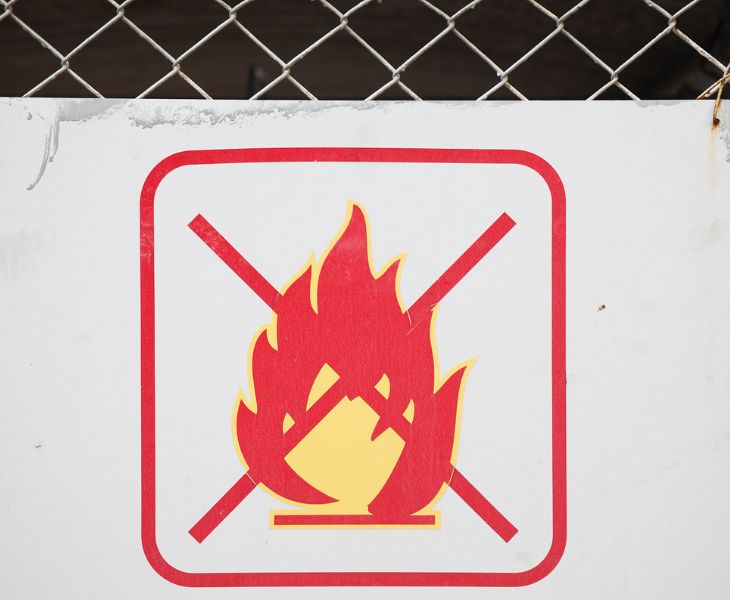
- Triethylene Glycol is flammable and volatile, and poses a risk of fire or explosion when exposed to an ignition source.
Specification of Triethylene Glycol
- Specification of Triethylene Glycol
| Product Name | Triethylene Glycol |
| Structure | HO-CH₂-CH₂-O-CH₂-CH₂-O-CH₂-CH₂-OH |
| Boiling Point | 285 – 288 °C (Atmospheric pressure) |
| Density | ~1.125 g/cm³ (20°C) |
| Melting Point | -7 °C |
| Flash Point | 165 °C (Closed cup) |
| Proportion | 1.122 – 1.127 (20/4°C) |
| Freezing Point | ~-7 °C |
| Solubility | Completely miscible with water, alcohols, ketones, ethers, etc. Slightly soluble in nonpolar solvents such as benzene and carbon tetrachloride. |
| Stability | Stable. Flammable. Incompatible with strong oxidizers. |
Yes, but it’s no longer the mainstream method in modern society. The method of using Triethylene Glycol’s high hygroscopic properties to dehydrate and kill airborne microorganisms was once used to eliminate viruses in the air, but due to its limitations, irritancy, and the development of modern society, more effective and safer disinfection methods have replaced it.
Triethylene Glycol is a typical polar solvent, which is related to its molecular structure and functional groups. It is highly polar and very hydrophilic, which is one of the fundamental reasons why Triethylene Glycol is used as an efficient desiccant, an excellent solvent, and a platform for chemical reactions.
When the degradation temperature of Triethylene Glycol exceeds 175°C, low molecular weight organic acids are easily produced, leading to a decrease in solvent performance and potential corrosion or other adverse effects on equipment during industrial use. Therefore, the degradation temperature of Triethylene Glycol serves as a “warning line” for its industrial applications.
Triethylene Glycol and its Derivatives
- Triethylene Glycol plays a core and fundamental role among Triethylene Glycol derivatives, and Triethylene Glycol has a vast family of derivatives.
- Triethylene Glycol Dimethacrylate, Triethylene Glycol Monoethyl ether, Triethylene Glycol Butyl ether, Triethylene Glycol di(2-ethylhexanoate), Triethylene Glycol Diacetate, Triethylene Glycol Diamine, Triethylene Glycol Dimethyl ether, and Triethylene Glycol Dinitrate are all derivatives of Triethylene Glycol. By replacing different functional groups, specialized chemicals with varying properties can be obtained to meet the diverse needs of various industries.
Packaging and Storage of Triethylene Glycol
Triethylene Glycol is flammable and hygroscopic. It can be packaged in sealed, dry, clean aluminum drums or drums with an aluminum-coated inner surface; it can also be stored in sealed galvanized iron drums. Storage areas should be dry, well-ventilated, and protected from light, and kept away from sources of ignition and heat.