
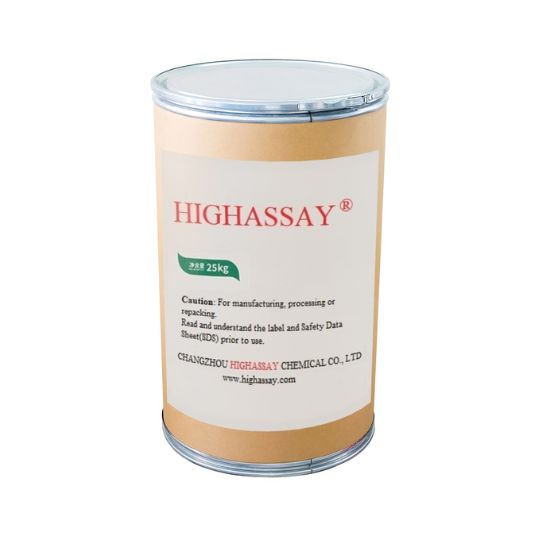
A Brief Introduction to Xylitol
Molecular Formula:C5H12O5
Molecular Weight:152.15
CAS No.: 87-99-0
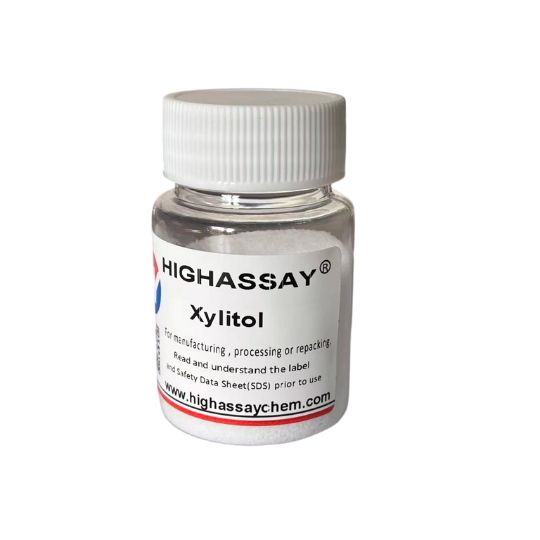
Appearance:White crystalline powder
Regular commercial package: 25kg/drum
What is Xylitol?
- Xylitol is a type of sugar alcohol that has a sweet taste and extremely low, almost zero, calories, and is often used as a sugar substitute.
- Xylitol content in vegetables and fruits is relatively low; it is generally obtained through the processing and extraction of natural plant fibers.
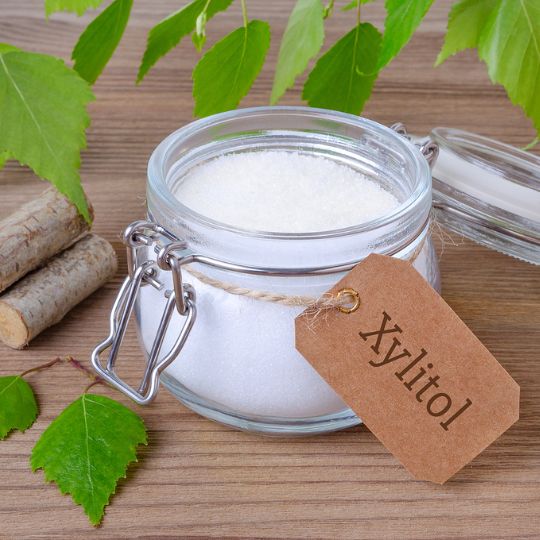
- Xylitol is primarily produced by processing and refining corn cobs and sugarcane bagasse, offering the advantages of low cost and abundant resources. Some Xylitol is also extracted from birch trees, but this method is relatively more expensive and is typically used in high-end or “natural” products.
- Also known as Xylose or birch sugar, it is a natural sweetener that is easily soluble in water and appears as a white crystalline powder.
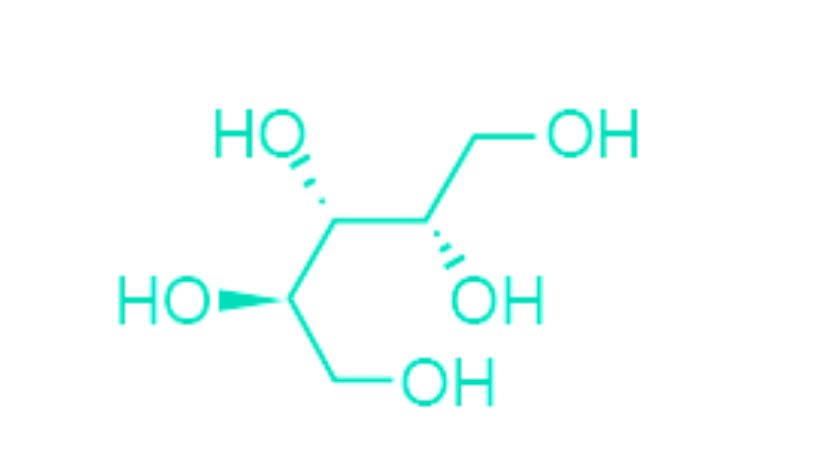
Highassay’ Xylitol
Highassay is a Xylitol raw material supplier from China. Our Xylitol is produced from D-Xylose, which is processed from corn cobs and wood hemicellulose, through processes such as dissolution, hydrogenation, purification, crystallization, and drying. It is a five-carbon sugar alcohol.Highassay offers a variety of Xylitol product specifications for you to choose from, including crystalline, granular, powdered, and liquid Xylitol raw materials. We have everything you need.
Highassay boasts a complete raw material supply chain and mature production processes, ensuring both quality and reliable supply. If you require large quantities of Xylitol raw materials, Highassay’s Xylitol prices will be highly competitive. In short, Highassay is your best choice.
Benefits of Xylitol
- Controlling your Xylitol intake can both improve your oral health and maintain your overall well-being.
- Xylitol is derived from natural sources, is safe, and uses cost-effective and environmentally friendly raw materials, such as corn cobs, which are agricultural waste.
- Xylitol does not cause cancer, and the likelihood of an allergic reaction to Xylitol is extremely low; at most, adverse reactions may occur due to excessive consumption.


Dangers of Xylitol
- It can be fatal to pets. Therefore, keep dogs and cats away from anything containing Xylitol, especially products labeled as sugar-free, which are highly likely to contain Xylitol. Never unintentionally harm your pets by sharing your food with them.
- Gastrointestinal discomfort may occur. For healthy adults, excessive consumption of Xylitol can cause digestive side effects such as diarrhea and bloating. Long-term excessive intake of Xylitol can also lead to obesity and cardiovascular diseases such as hyperlipidemia.
Applications of Xylitol
It is used in the food, daily chemical, and pharmaceutical industries.
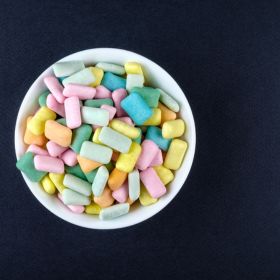
- Xylitol is not broken down by oral bacteria to produce acidic substances, thus preventing cavities and other oral problems.
- It naturally contains a refreshing, sweet taste, which helps to freshen breath.
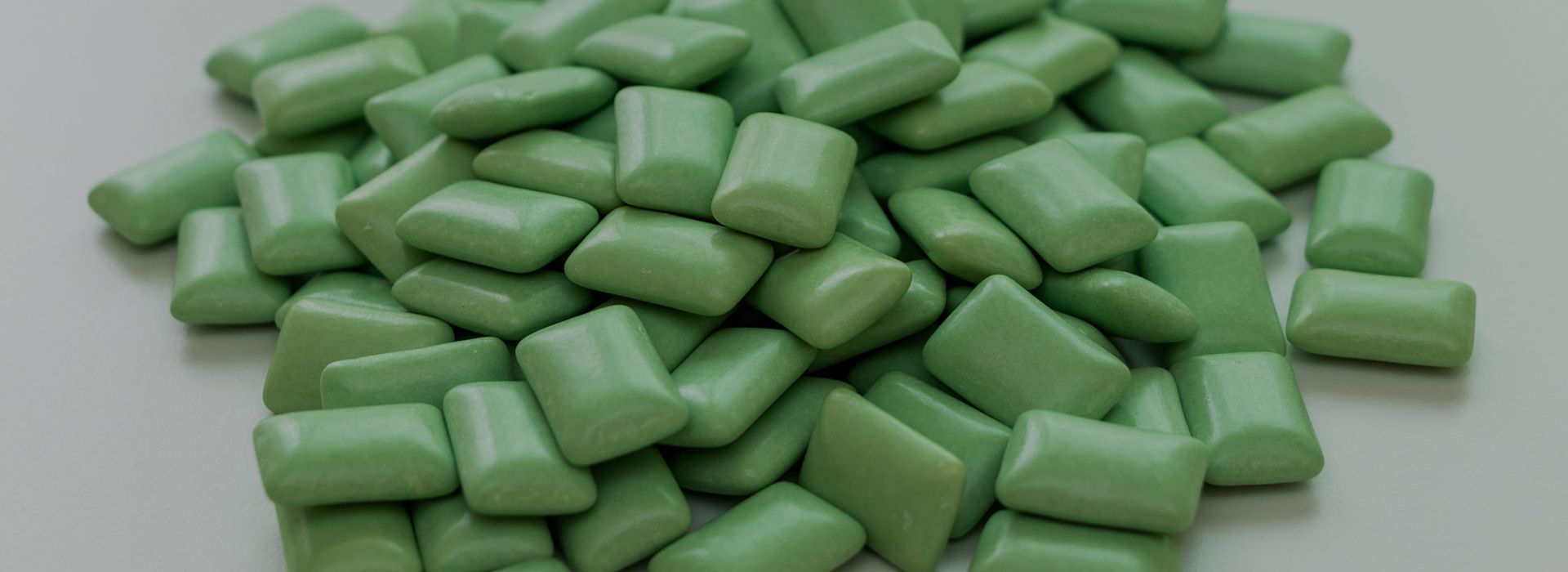
- Chewing Xylitol can reduce food residue in the mouth and prevent the formation of dental plaque.
- Xylitol in the eyes of dentists: an effective and recommended oral health “helper” – preventing tooth decay.
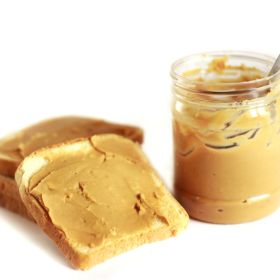
- Xylitol has a sweetness similar to sucrose, but its glycemic index is very low. It can be used in daily cooking and baking as a sugar substitute for diabetics, and in moderation, it can bring diabetics the pleasure of eating sweet foods.
- While satisfying the craving for sweetness, moderate consumption allows for controlling the calorie intake from the food.
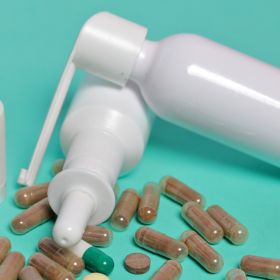
- Used to improve the unpleasant odor of medications or health supplements for diabetic patients, making them easier for patients to accept.
- As a safe, natural, and non-medicinal nasal spray, it can effectively relieve nasal congestion and other problems associated with nasal and upper respiratory tract infections, such as sinusitis. It is particularly effective in inhibiting bacteria and reducing the risk of recurrence in children with acute otitis media, and it does not cause drug resistance.
- Xylitol oral solution, as a preparation with a specific functional purpose, is suitable for specific groups of people and is strictly prohibited from being purchased independently for treatment purposes.
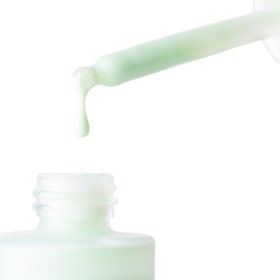
- Used as a moisturizing agent, it is an ingredient in high-end skincare products. Besides maintaining the product’s own moist texture, it also helps maintain the skin’s moisture content, thus reducing wrinkles.
- Due to its anti-inflammatory and antibacterial properties, it is often used in product formulations for sensitive or damaged skin.
Xylitol VS Sorbitol VS Erythritol (compared to sucrose)
- Xylitol VS Sorbitol VS Erythritol (compared to sucrose)
| Xylitol | Sorbitol | Erythritol | |
| Different Sources | Plant fibers such as corn cobs, sugarcane bagasse, and birch. | Corn and wheat starch | glucose in fermented corn starch |
| Different levels of sweetness | Same as sucrose | 60% of sucrose | 70% of sucros |
| Different calorie content | 60% of sucrose | 65% of sucrose | 5% of sucrose |
| Different glycemic index | 7-13 | 9 | 0-1 |
Of course not. You need to ensure the Xylitol gum stays in your mouth for a sufficient amount of time and that you chew it at the right time (for example, after meals) for the anti-cavity effects of Xylitol gum to be most effective.
Xylitol can cause a temporary, mild dry mouth reaction. Because Xylitol remains in the mouth for a longer period, its osmotic effect becomes more pronounced, leading to temporary dryness in the mouth. This symptom can be relieved by drinking water.
No, Xylitol is not recommended for people with sensitive stomachs or for pets (especially dogs).
Specification of Xylitol
| Items | Standards |
| Appearance | White crystals or crystalline powder |
| Identification A and B | Meet the requirement |
| Taste | Sweet, no odor |
| Solubility | Clear |
| Other polyols | 1.0%max |
| Reducing sugar | 0.20%max |
| Water | 0.50%max |
| Residue on ignition | 0.10%max |
| Melting point | 92.0-96.0℃ |
| Heavy metals | 10ppm max |
| Nickel | 1ppm max |
| Lead | 1ppm max |
| Organic volatile impurities | Conforms to NF |
| Taotal bacteria | 1000cfu/g max |
| Mould & Yeast count | 500cfu/g max |
| E.Coli | Negative |
| Assay | 98.5-101.0% |
| Conclusion | Complying with FCCVI/USP |